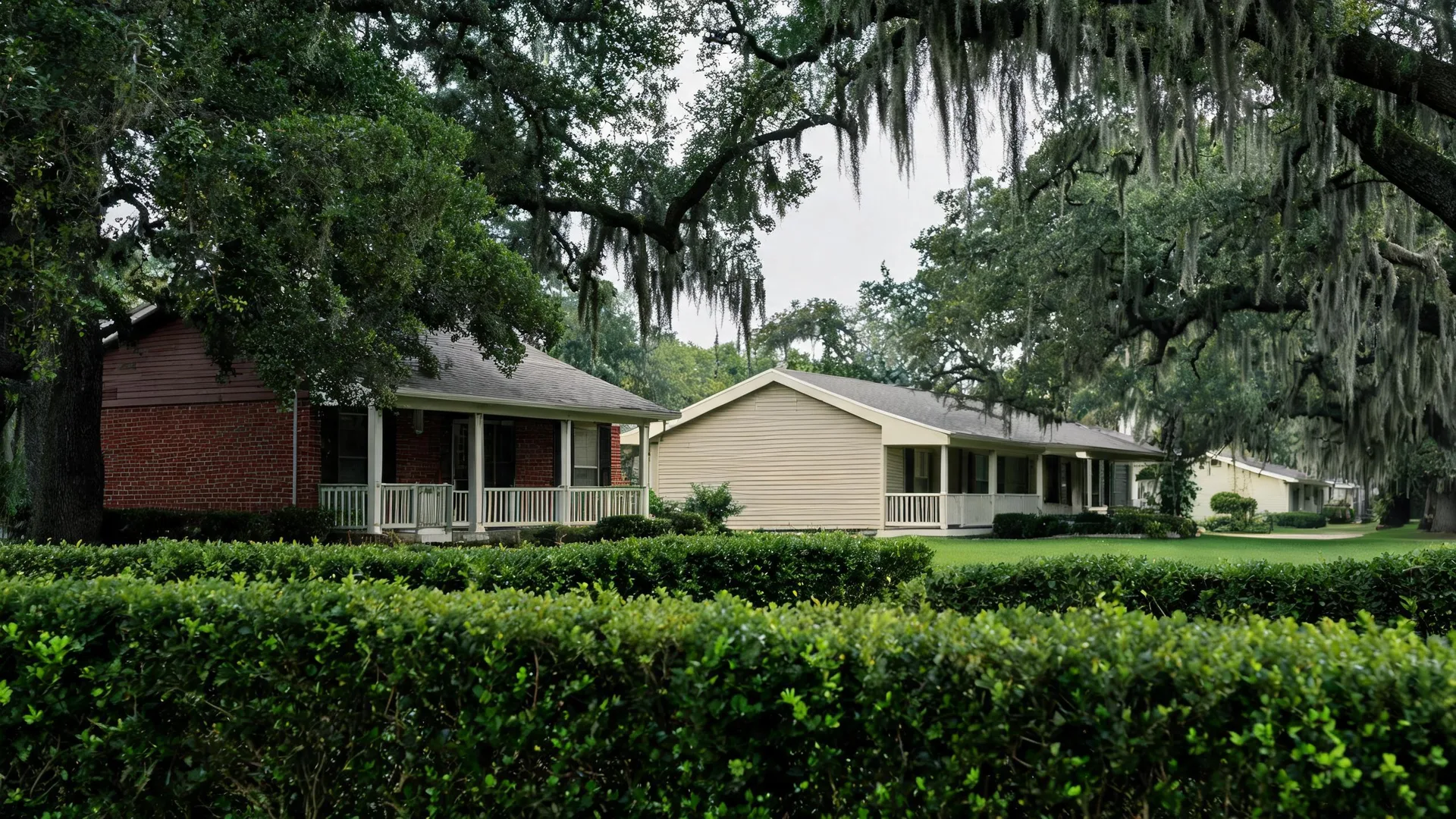
Single-story brick and cream-sided houses with covered porches behind a trimmed hedge and lawn, shaded by large oak trees draped with Spanish moss under an overcast sky.

Heat Pump Repair in Bennettsville, SC

Tell us about the job

Takes about a minute. No obligation.

RepairHeat PumpMarlboro County, SC
Step 1 of 2

What ZIP code is the job in?

The reversing valve sticks first

A heat pump's reversing valve switches it between heating and cooling, and it fails more than almost anything else in the system. When it sticks, the unit gets stuck blowing cold air during heating mode or won't switch over at all. A stuck valve is a common reason a heat pump suddenly stops keeping the house warm even though the outdoor unit is still running.


Dirty coils force the system to work harder

The outdoor coil has to pull heat from the outside air, and if it's caked with dirt, leaves or ice that never melts off, it can't do that job. The system runs longer to make up for it, and that extra strain wears out the compressor early. A yearly coil cleaning does more to prevent a breakdown than almost anything else a homeowner can schedule.

5 months
November through March, your system heats
5 months
May through September, it cools
35°F
the average winter night it heats against
90°F
the average summer afternoon it cools against
Isometric line illustration of a cutaway single-story house showing interior rooms with beds and furniture, ceiling ductwork connected to an indoor air handler, and an outdoor condenser unit linked by refrigerant lines.
Your system heats November through March and cools May through September.

NOAA nClimDiv, 1991–2020 normals

Heat pumps here switch over for heating in November.

A reversing valve that was already sticking usually fails that first cold week, not before.

Half the homes here were built by 1977, and the heat pump may be newer than the house

Half the homes here were built by 1977
Power costs 14.23 cents a kWh statewide
Climate zone 3A

A heat pump that keeps needing repairs is usually old enough that the compressor is wearing out too, and that's the part that decides this. A new reversing valve or capacitor is worth installing on a unit with plenty of life left. The same repair on a unit whose compressor is already weak just delays the next breakdown. Ask what's actually failing, not just what it costs to fix. A refrigerant leak points the same way. A leak at a fitting or a line is a repair. A leak inside the coil itself usually means the coil is on its way out. The compressor is the most expensive part in the system, and once it goes, little of what's left is worth saving on its own.

Find out what you're repairing before you pay for it

If the heat pump came with the house, ask the contractor how much life is left in the compressor before paying for the repair in front of you.

Find a contractor
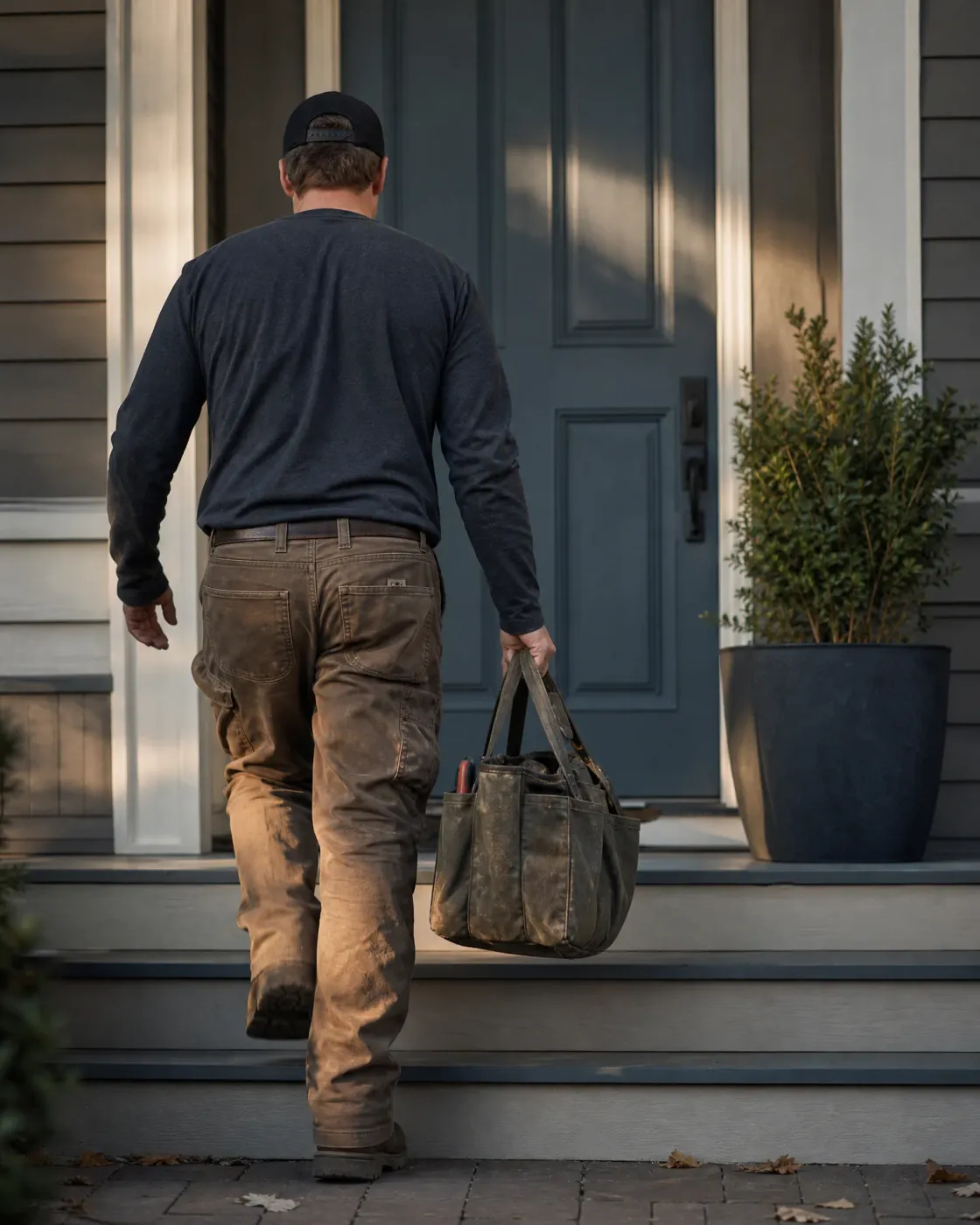
A man in a dark long-sleeved shirt, cap, and worn tan work pants climbs porch steps toward a dark blue front door, carrying a canvas tool bag.
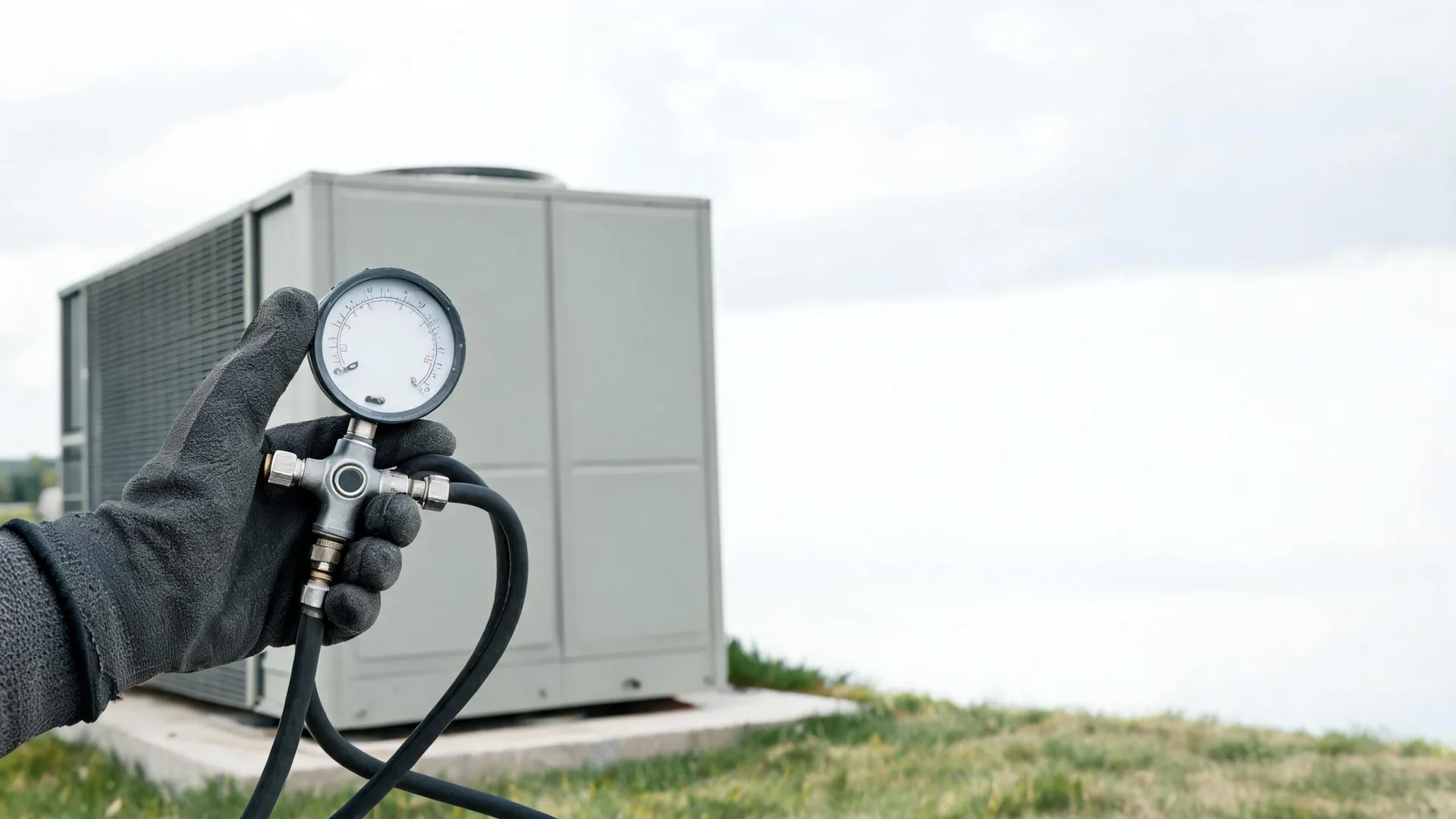
A gray heat pump outdoor unit mounted on a concrete pad next to the stone-accented exterior wall of a house.

The signs show up before the breakdown does

A heat pump that is about to need a repair usually gives some warning first. It runs longer than it used to without the house feeling any warmer or cooler. The air coming out of the vents is not as hot as it should be in winter, or not as cold in summer. It short cycles, kicking on and off in quick bursts instead of running a full, steady cycle. Ice builds up on the outdoor unit and does not clear during the defrost cycle. It starts making a noise it never made before. A clicking from the reversing valve. A hard clunk on startup. A hiss that points to a refrigerant leak. Any one of these is worth a call before the unit gets worse. Run it too long in that state and a repair can turn into a compressor replacement.

Check the thermostat setting first

Make sure it is set to heat, not cool or fan only, and that the set point is actually above room temperature. A dead thermostat battery can take the whole system offline, and swapping the batteries is worth trying before anything else.

Look at the outdoor unit before you call

Clear away leaves, mulch or anything blocking the sides of the outdoor unit, and check for ice that hasn't cleared on its own. A tripped breaker at the panel is worth resetting once. If it trips again right away, stop and leave it for a contractor.

A heat pump that is struggling does not stay at the same level of trouble. A system low on refrigerant makes the compressor work harder to move the same amount of heat, and that extra strain shortens its life. A reversing valve that sticks partway still gets forced to switch, and each cycle wears the parts inside it a little more. Ice on the outdoor coil blocks airflow, so the system runs longer to do the same job, and that longer runtime is what finally wears out a weak compressor. None of these fix themselves by running more. They get worse at the one part of the system that is hardest to replace on its own.

A diagnostic visit starts outside, at the unit itself. A contractor checks the refrigerant pressure, the amp draw on the compressor, and whether the reversing valve actually switches when it's told to. Gauges catch what a homeowner can't see or hear, like a system that's low on charge but still running. Inside, they'll check the temperature of the air coming off the coil and compare it to what the thermostat is asking for. That gap points to where the problem is before anything gets opened up or replaced. Most visits end with a plain answer. This part is failing, this is why, and this is what happens if it gets left alone.