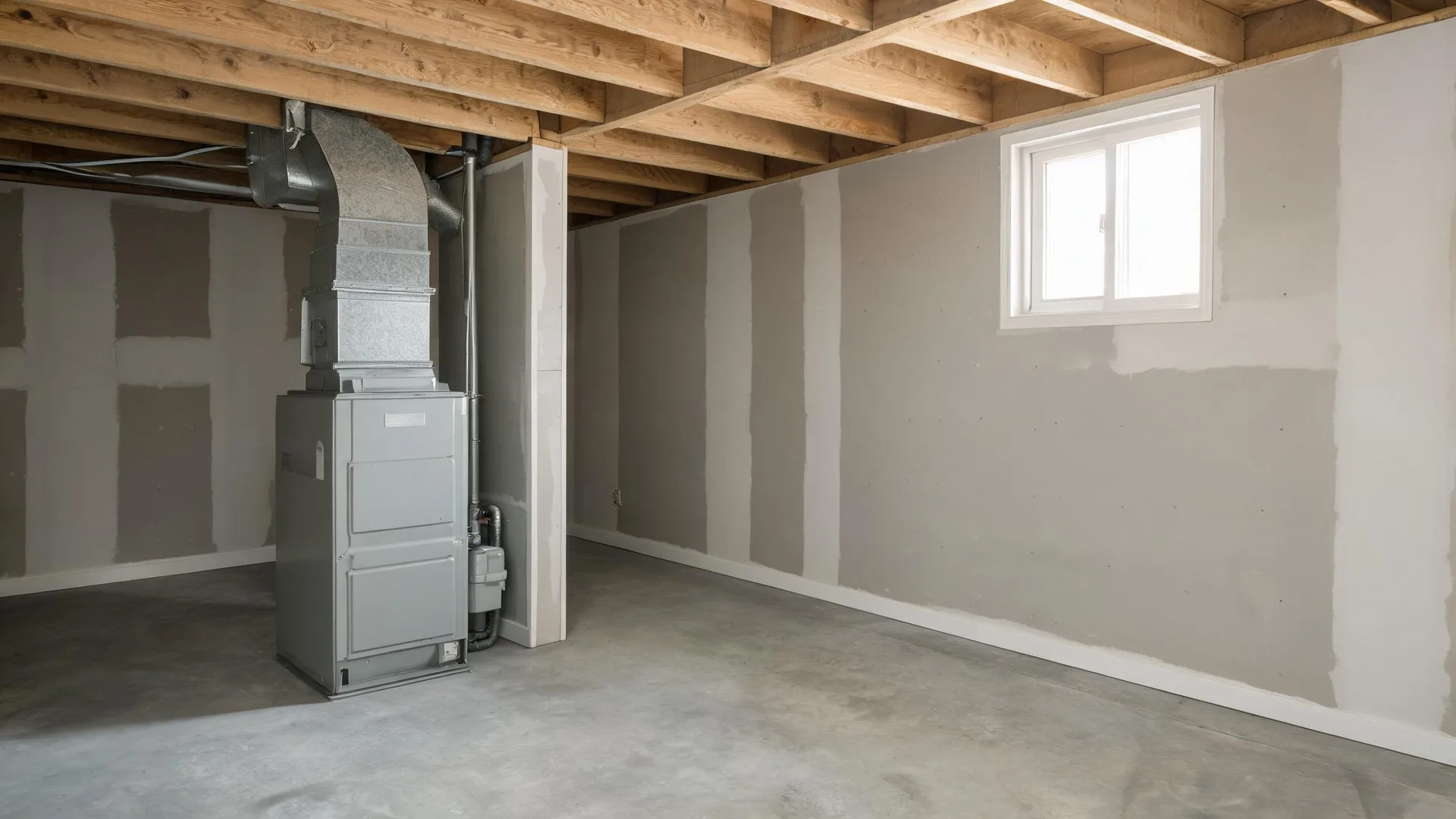
An unfinished basement containing a gas furnace with ductwork in the foreground and miscellaneous stored items along the far concrete wall.

Furnace Installation in Camden, SC

Tell us about the job

Takes about a minute. No obligation.

New system or replacementFurnace or heatingKershaw County, SC
Step 1 of 2

What ZIP code is the job in?

Ask for the load calculation, not just a quote

A furnace sized off the old unit or a quick guess can end up too big or too small for the house. The right size comes from a room by room load calculation that looks at insulation, windows, and layout. Oversized units short cycle and wear out faster. Undersized ones run constantly and still can't keep up on the coldest days.

Ask what happens to the ductwork

The new furnace has to move air through the ducts that are already in the house. If those ducts are too small, leaky, or poorly laid out, even a well sized furnace will struggle to heat every room evenly. A contractor who checks the ductwork before installing is solving the whole problem, not just swapping a box in the closet.

5 months
November through March, your furnace is on duty
34°F
the average winter night it heats against
80% AFUE
the federal minimum any new unit must meet
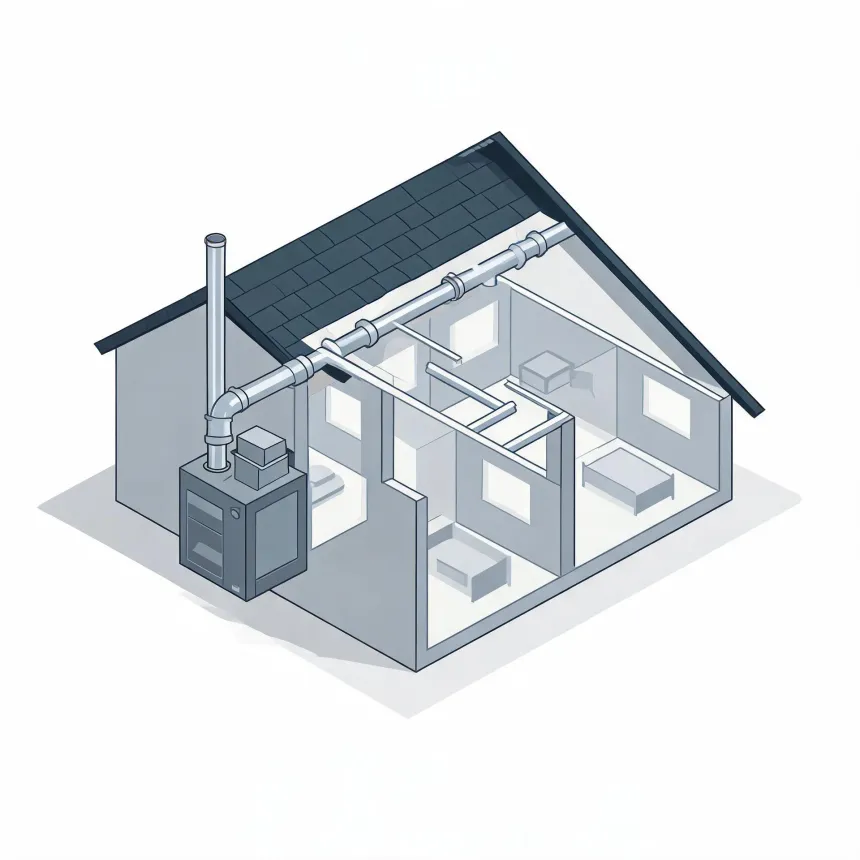
Isometric cutaway illustration of a small house showing interior rooms, ductwork running through the attic, and a furnace unit with a vertical flue pipe on the exterior wall.
Your furnace works hardest from November through March.

NOAA nClimDiv, 1991–2020 normals

Electricity heats 71.5% of homes in Kershaw County.

Most furnace installs here are electric furnaces or heat pumps, not gas.

Camden winters don't call for anything bigger than standard

Heat runs November through March
Winter nights average 34°F
Climate zone 3A

Since the load is light here, a standard furnace earns its keep without needing a premium efficiency rating to do it. That's the case for putting the install dollars into the load calculation, the duct connections, and the venting instead. A correctly sized standard unit, put in right, will outlast a high-efficiency model that was rushed through installation. Five months of mild winter work doesn't ask the furnace to prove anything. It asks the install to be done well.

Go with the standard fit

A standard size and efficiency fit fine here. There's no local reason to go bigger or pricier.

Find a contractor
A gray residential gas furnace installed in an unfinished basement, surrounded by ductwork, a metal flue pipe, and a gas supply line.

Five months of work a year, nothing this furnace can't handle

Five months of heat a year is not much work for a furnace. Overnight lows average 34°F through December, January and February, rarely much colder than that. A standard furnace sized right for the house will handle it without strain. The money is better spent on a correct install than on a higher-efficiency unit this house doesn't need to earn back.

What the AFUE number actually tells you

The efficiency rating on a furnace is a measure of fuel burned versus heat delivered into the house. A higher number means less fuel wasted out the vent as exhaust. It says nothing about how big the unit is or whether it matches the house. A high-efficiency furnace sized wrong for the home still short cycles or still can't keep up, the same as a standard one.

Where the rating pays off and where it doesn't

A high-efficiency furnace earns its keep in a house that runs the heat hard and often, where the fuel saved over the years adds up to real money. In a house that only needs the furnace a few months out of the year, there's less runtime for that difference to matter. The upgrade costs more on install day either way, through a different venting setup and sometimes a condensate line. Whether that's worth paying for depends on how much the furnace actually runs, not on the rating alone.

The unit itself is only part of what gets paid for. A furnace install means running new venting, setting the gas line or electrical circuit, connecting to the ductwork already in place, and in some cases swapping the thermostat or adding a return to balance airflow. Labor accounts for a good share of it, since a correct install takes time to do right, from sizing to sealing the plenum to testing static pressure once it's running. The furnace cabinet is a fixed cost. What changes job to job is how much the house needs done around it to make that furnace work the way it's supposed to.

Install day starts with the old furnace coming out. The venting gets disconnected, the gas line or electrical circuit gets capped off, and the ductwork connection at the plenum comes apart. Setting the new unit is the fast part. Most of the day goes to connecting it correctly. The plenum gets sealed, new venting gets run to spec, the control board gets wired, and the thermostat gets hooked up. Once it's running, a tech checks static pressure in the ducts and measures the temperature rise across the heat exchanger to confirm it's firing the way it should. A furnace that looks installed but hasn't been tested this way can run for months before a loose connection or a bad seal shows up as a problem.