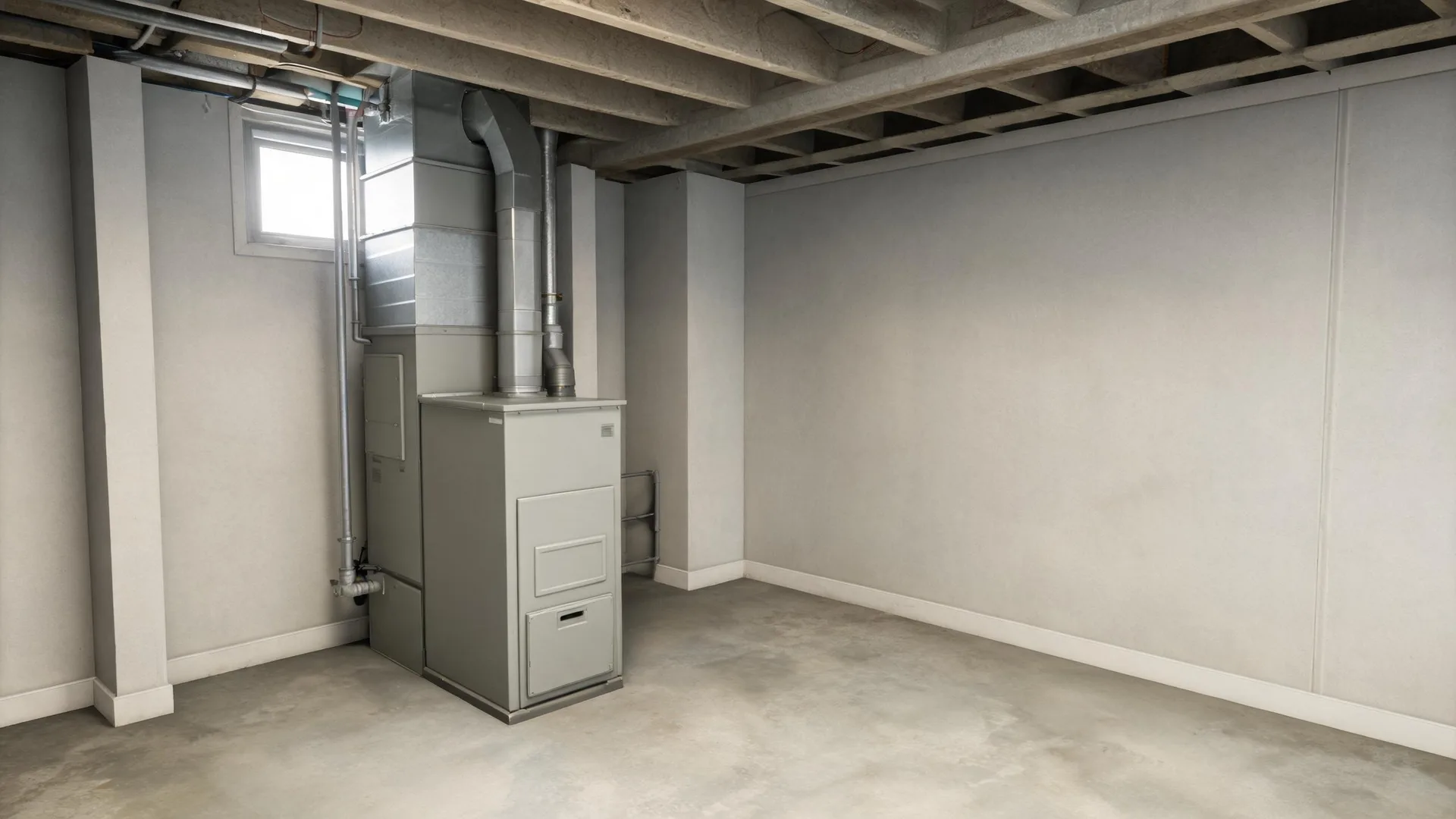
An unfinished basement interior featuring a large metal furnace unit, exposed ceiling joists, concrete walls, and scattered boxes and cables on the floor.

Furnace Installation in Orangeburg, SC

Tell us about the job

Takes about a minute. No obligation.

New system or replacementFurnace or heatingOrangeburg County, SC
Step 1 of 2

What ZIP code is the job in?

This county gets hit often

Orangeburg County logged 241 severe weather events between 2015 and 2024, with damaging wind the most common. Tornadoes and hail show up most years too. An outdoor furnace component or the condenser it pairs with needs a spot that accounts for that, not just a slab against the house.

Power doesn't always hold

Almost half of South Carolina households went at least 24 hours without power in 2024. A gas furnace still needs electricity for the blower and controls, so an outage means no heat even with gas still flowing. Worth asking about a transfer switch or backup power if that's a priority for your home.

5 months
November through March, your furnace is on duty
37°F
the average winter night it heats against
80% AFUE
the federal minimum any new unit must meet
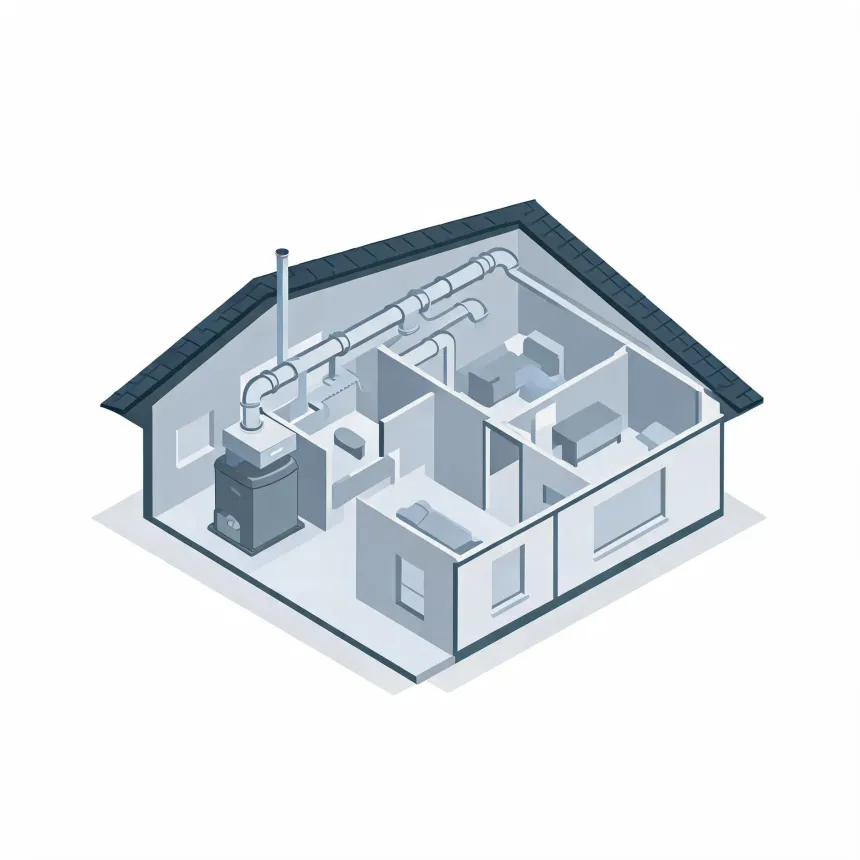
Isometric cutaway illustration of a single-story house showing interior rooms, ductwork running along the ceiling, a flue pipe through the roof, and a dark furnace unit in one corner.
Your furnace works hardest from November through March.

NOAA nClimDiv, 1991–2020 normals

Electricity heats 79.8% of homes in Orangeburg County.

A straight electric furnace swap is the path most homes here end up on.

A standard furnace fits this county fine

Heat runs November through March
Winter nights average 37°F
Climate zone 3A
A mild winter, not a hard oneFurnaces here run about five months, with overnight lows near 37°F.

Half the homes in Orangeburg County were built in 1983 or earlier, half in 1983 or later. That split doesn't point installers toward anything unusual. A furnace sized to the house and the local design temperature works the same whether the house is old or new. The one thing worth checking before install is whether the ductwork and electrical panel match what a new system needs, since that comes down to the individual house, not the county. Mobile homes make up close to a third of the housing stock here, and those need a furnace rated for manufactured housing rather than a standard model. Outside of that, there's no reason to size up or pay for extra capacity that this county doesn't call for.

Have the new furnace running before November

Heat here starts in November and runs through March. October is the month to get a furnace swapped out, while the old one is still limping along instead of already dead. That gives the install time to happen on a normal schedule instead of a cold morning.

Find a contractor
A man in a navy long-sleeve shirt and tan pants carries a canvas tool bag up concrete steps toward a dark blue front door flanked by columns and a potted shrub.
A gray gas furnace with attached ductwork and piping installed in an unfinished concrete basement.

A light enough load that reliable beats fancy

Five months of heat a year, with lows only dipping to 37°F, doesn't put much strain on a furnace. That's the case for picking a straightforward system over one built for harder winters. You don't need the highest efficiency rating or the most heating stages to stay comfortable here. Put that money toward getting the size right for your house instead.

The rating measures fuel use, not heat output

The efficiency rating tells you how much of the fuel burned turns into heat instead of going out the flue. A higher rated furnace pulls more heat from the same gas. It says nothing about how big a furnace you need or how warm your house gets. That still comes down to sizing the unit to the house.

A higher rating changes the venting, not just the bill

Furnaces with the highest ratings condense the exhaust and vent through PVC pipe instead of a metal flue, since the exhaust runs cool enough for plastic to handle. That pipe has to run somewhere, usually out a wall or through the roof, and that changes where the furnace can sit in the house. A lower rated furnace keeps the simpler metal venting. Both are normal choices, just different installs.

Ask every contractor who bids the job to show their load calculation, not just quote a size off the old furnace's nameplate. A furnace sized by guesswork or by matching what was already there can end up too big, and an oversized furnace cycles on and off instead of running steady, which wears out parts faster and leaves rooms uneven. Ask what happens to the existing ductwork too. A new furnace moves air differently than the one it replaces, and ducts sized for the old unit don't always suit the new one. Ask about the warranty on the heat exchanger specifically, separate from the rest of the unit, since that part is the most expensive to replace and the one most worth knowing about up front. And ask who pulls the permit and handles the inspection. A furnace installed without one can cause trouble later, when selling the house or filing an insurance claim.

The old furnace comes out first. The installer shuts off the gas, disconnects the vent, and cuts the unit loose from the ductwork before anything new goes in. The new furnace gets set in place, leveled, and tied into the supply and return plenum. Then the gas line gets connected, the vent gets run, and the blower and control board get wired in. Startup comes last. The installer checks gas pressure, checks the temperature rise across the furnace, and confirms the blower is moving enough air, then runs the system through a full cycle instead of just switching it on and walking away. The house goes without heat for a stretch of the day while the old furnace is out and the new one isn't running yet.