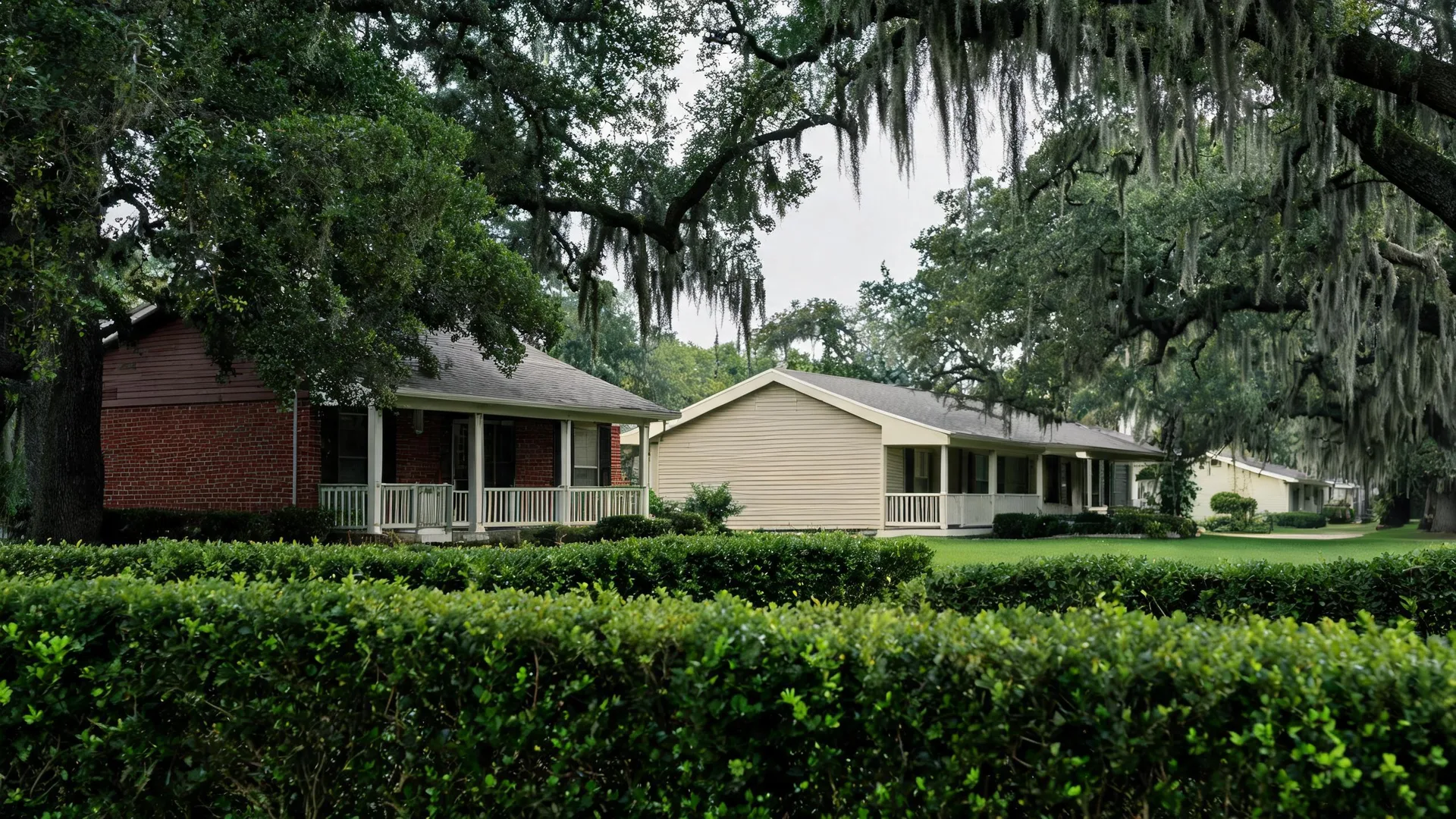





Single-story brick and cream-sided houses with covered porches behind a trimmed hedge and lawn, shaded by large oak trees draped with Spanish moss under an overcast sky.

Furnace Installation in Spartanburg, SC

Tell us about the job

Takes about a minute. No obligation.

New system or replacementFurnace or heatingSpartanburg County, SC
Step 1 of 2

What ZIP code is the job in?

The size of the furnace matters more than the brand. One that's too big for the space cycles on and off too fast, which wears out parts sooner and leaves rooms feeling uneven. One that's too small runs constantly and still can't keep up on the coldest days. Getting the size right takes a load calculation, not a guess based on the old unit. The ductwork matters too. If it's undersized or leaky, even a well-matched furnace has to work harder to push air where it needs to go, and that shows up in how the system performs for years afterward. Venting is another piece of it. Higher efficiency furnaces need a different venting setup than older models, and where that vent can run affects what the installation involves.

7 months
October through April, your furnace is on duty
33°F
the average winter night it heats against
80% AFUE
the federal minimum any new unit must meet
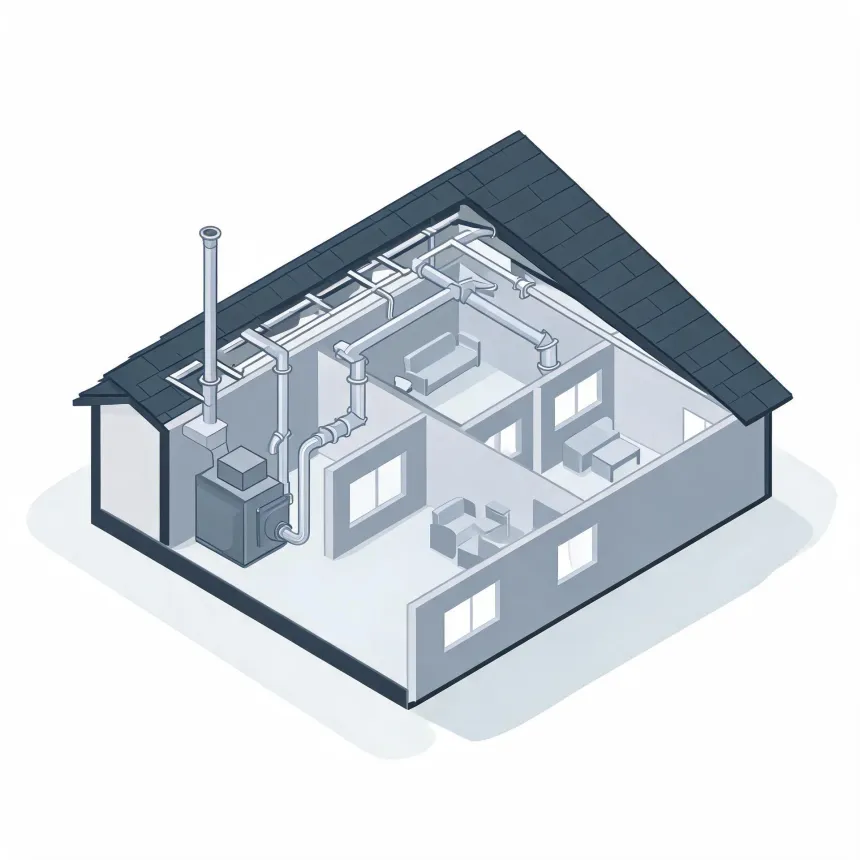
Isometric cutaway illustration of a single-story house showing interior rooms, a furnace unit with flue pipe, and branching ductwork running through the ceiling space under a dark shingled roof.
Your furnace works hardest from November through March.

NOAA nClimDiv, 1991–2020 normals

A furnace sized right for Spartanburg winters doesn't need to be the most expensive model on the lot.

A standard-efficiency unit, properly sized, heats this house fine and costs less to install than the upgrades you don't need.

Most homes here heat with electricity, and a furnace installation should start from that fact

67.7% of homes heat with electricity
Heat runs October through April
Winter nights average 33°F
Get it done before OctoberHomes in Spartanburg County run heat from October through April, so September is the month to have this settled.

A load calculation looks at more than square footage. It weighs how much glass is in the walls, which way the house faces, how high the ceilings run, and how much attic sits between the living space and the roof. Houses the same size can need different furnaces because one holds heat better than the other. That's also why the old unit is a bad guide. If it was oversized to begin with, sizing the new one to match just repeats the mistake. A tech doing this right measures the house, not the furnace that's already in it.

This furnace won't work as hard as you think

Seven months of heat a year sounds like a lot, but the overnight low here only averages 33°F in the coldest stretch of winter. That's not the kind of cold that runs a furnace hard. A unit sized right for this county doesn't need to be the biggest or most efficient one you look at, just one that matches the load it will actually see.

Find a contractor
A man in a dark long-sleeved shirt, cap, and worn tan work pants climbs porch steps toward a dark blue front door, carrying a canvas tool bag.
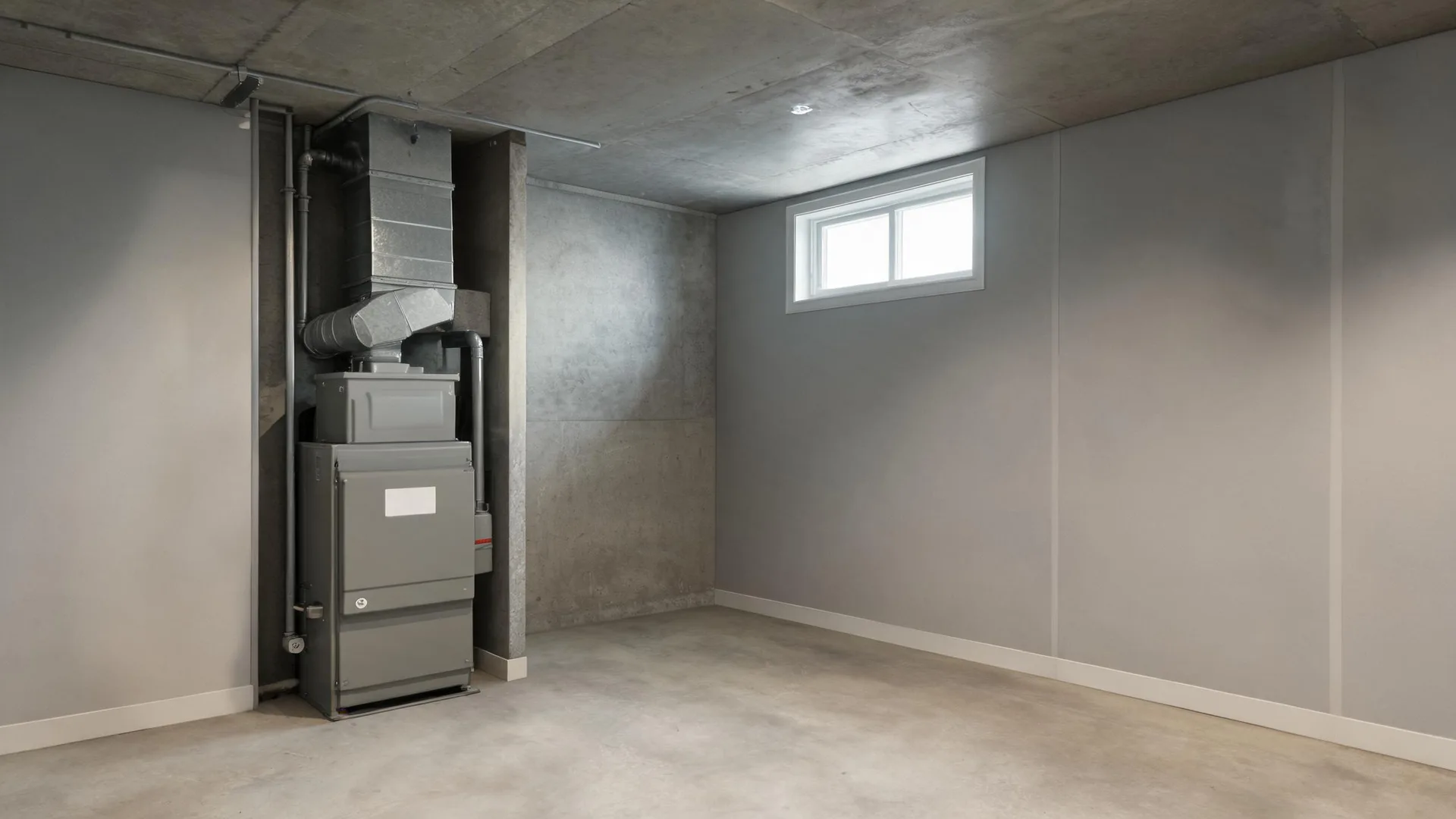
A gray residential gas furnace installed in an unfinished basement, surrounded by ductwork, a metal flue pipe, and a gas supply line.

Size it for the winter it will actually run

Pick the furnace for the install, not the spec sheet. A contractor can size a standard-efficiency unit to this load and you're done, no reason to pay for a two-stage or modulating model built for harder winters than this one sees.

Disconnected, not just unplugged

The old furnace gets the gas line capped and the electrical connections pulled, not just switched off. If it's a gas unit, that line needs a proper cap so there's no leak point left behind. Whoever installs the new furnace should confirm this is part of the job, not an afterthought once the new one is running.
Where it ends up

A furnace is mostly steel, and the heat exchanger and cabinet can be scrapped for metal rather than landfilled. Most installers haul away the old unit as part of the job. If yours doesn't, ask before the work starts, because a furnace sitting in the garage afterward is your problem to move, not a small one.

Ask what happens to efficiency as the furnace ages, not just what the rating sheet says on day one. A furnace that's a stage too complex for the house costs more to service when the modulating valve or second stage needs attention down the road. Ask who sizes the system and how, because a contractor who asks about insulation and window count is doing a load calculation, and one who just measures the old unit isn't. Ask what the warranty covers on the heat exchanger versus everything else, since that's the part most likely to fail and most expensive to replace. Ask how the new unit vents, because that can mean new venting work the quote should already include. And ask what the installer does with the old furnace, since hauling it away should be part of the job, not something tacked on after.

Installation day starts with the old furnace coming out, not the new one going in. The gas and electrical get disconnected first, then the old unit is pulled from the closet or basement so the space can be checked for anything that needs fixing before new equipment goes in. Ductwork connections get inspected here too, since that's easier to fix with the old furnace out of the way than after. The new furnace gets set, leveled, and connected to gas, electrical, and ductwork, then the venting goes in to match that unit's requirements. Once it's running, a tech checks the gas pressure, the temperature rise across the heat exchanger, and the airflow to make sure the whole system is working the way it was sized to. That last check matters as much as anything that happened earlier in the day.