Two illuminated white Southern-style houses with wraparound porches and staircases, framed by a Spanish moss-draped tree on a quiet street at night.

Furnace Installation in Marion, SC

Tell us about the job

Takes about a minute. No obligation.

New system or replacementFurnace or heatingMarion County, SC
Step 1 of 2

What ZIP code is the job in?

Marion County sees its share of storms

Marion County recorded 62 severe weather events between 2015 and 2024, including damaging wind, hail and tornadoes. An outdoor unit sits right in the path of that weather, so where it goes and what shelters it are worth planning before install.

Power doesn't always come back fast

Nearly half of South Carolina households went at least 24 hours without power in 2024. A furnace needs electricity to run its blower and controls, so it stays off until the power does. Worth asking what keeps the house warm if the lines go down.

5 months
November through March, your furnace is on duty
36°F
the average winter night it heats against
80% AFUE
the federal minimum any new unit must meet
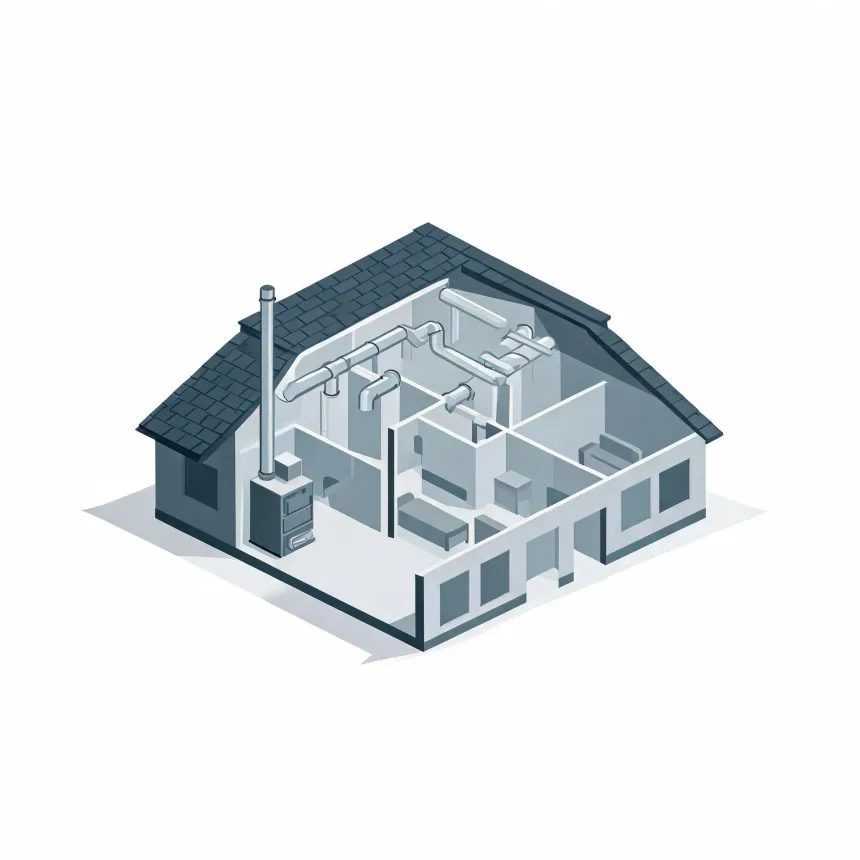
Isometric grayscale illustration of a cutaway house showing interior rooms, ceiling ductwork, a flue pipe, and a furnace unit on the left side.
Your furnace works hardest from November through March.

NOAA nClimDiv, 1991–2020 normals

A furnace in Marion runs the same as a furnace anywhere else in the state.

Standard sizing and efficiency are the right call here. No local condition pushes you toward bigger or pricier.

Most homes here heat with electricity, and a furnace replacement should match that

86% of homes heat with electricity
Heat runs November through March
Winter nights average 36°F
Get it in before NovemberHomes here run heat November through March, which makes October the month to have it done.

Furnace here only has to work about five months a year, November through March. Overnight lows average 36°F through the coldest stretch, December through February, which is cold enough to run a furnace but not the kind of deep freeze that pushes a system hard. That's a short season and a mild one. A furnace sized and built to standard spec can handle it without strain, so there's little reason to pay for extra capacity or a higher efficiency tier than the house needs. The bigger question is still whether it keeps running when the power drops, not whether it can keep up with the cold.

A furnace that meets the minimum is all this house needs

Furnaces built for Marion County only have to clear 80 percent AFUE, and that holds until the end of 2028. Zone 3A's short, mild winter doesn't call for anything above that. A system built to the current standard qualifies for the federal efficiency tax credit, so there's no reason to pay more for a higher tier the house won't use.

Find a contractor
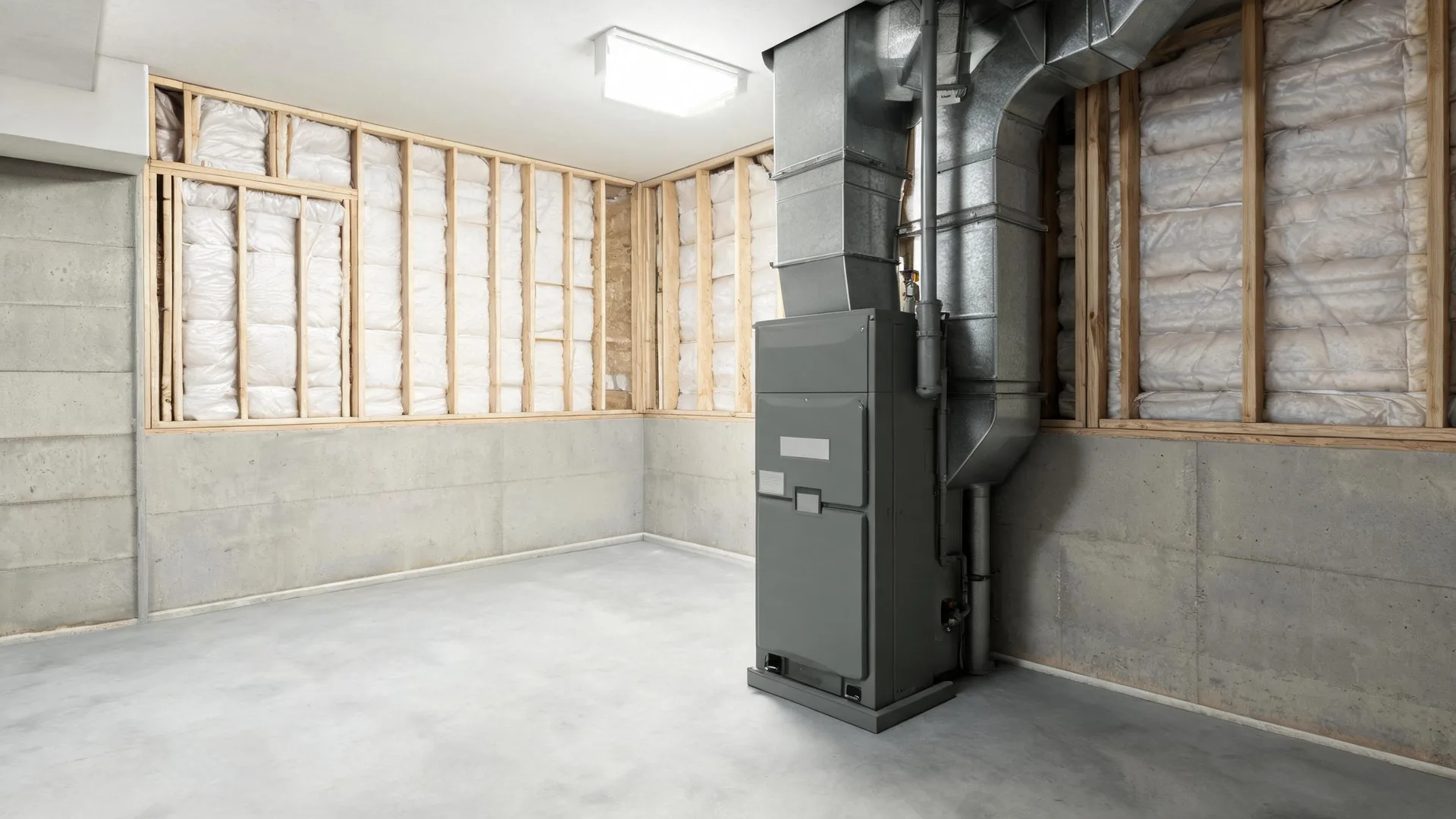
A gray residential gas furnace installed in an unfinished basement, surrounded by ductwork, a metal flue pipe, and a gas supply line.

What actually sets the price

The size of the furnace matters more than any other choice you make. Too big and it short cycles, heating the house fast then shutting off before it pulls moisture out of the air or warms things evenly. Too small and it runs constantly, trying to keep up on the coldest nights. Getting the size right takes a load calculation on the house itself, not a guess based on the old unit. Ductwork is the other piece people don't expect. If the existing ducts are undersized, leaky, or routed poorly, a new furnace still has to push air through them, and no amount of spending on the unit fixes that. Sometimes the ducts need work too, and that's a separate job from swapping the furnace. The vent system matters as much as the heat exchanger. Where the flue runs, what it's made of, and how it ties into the rest of the house all affect what the install requires. Gas line sizing and electrical hookups get checked too, since an older house built around a smaller furnace may need more than a drop-in replacement.

AFUE is a measure of waste, not heat output

The number on the label says how much of the fuel turns into heat for the house versus how much goes out the flue. It has nothing to do with how big a house the furnace can heat. A higher-rated furnace burns less gas to make the same heat, nothing more.

A higher rating only pays back if the furnace runs hard and often

The gap between tiers shows up in the gas bill, and that gap only adds up over long, cold winters where the furnace runs most of the day. A furnace that only has light duty to do spends a lot of its life at low fire or idle, where that extra efficiency barely gets used.

Taking out the old furnace is part of the job, and it has to go somewhere. Most installers haul it away as part of the install, so ask whether that's included before you sign anything. A furnace has a steel cabinet, a heat exchanger and copper or aluminum parts inside, all of which get recycled rather than dumped. If yours runs on gas, the line gets capped and sealed where it fed the old unit before the new one is connected. The old thermostat usually comes out too if you're putting in a new one, since mismatched wiring is a common source of install problems. None of this adds much time to the job, but it's worth confirming upfront rather than finding a dead furnace sitting in the garage after the new one's running.

Installation starts with a check of the house, not a wrench coming out. The crew looks at the ductwork, the gas line, the vent run and the electrical hookup before touching the old unit, since all of that has to match the new furnace, not just the thermostat setting. Once the old furnace is out, they'll do a load calculation if one hasn't been done, size the new unit to the house, then set it, connect the gas and electrical, and run the vent. Sealing and testing the connections takes real time, since a gas line or flue that's rushed is the kind of thing that causes problems months later, not on day one. Expect them to fire it up and run it through a full cycle before they call it done, checking that it ignites properly, the blower runs at the right speed, and the thermostat is talking to the system the way it should.