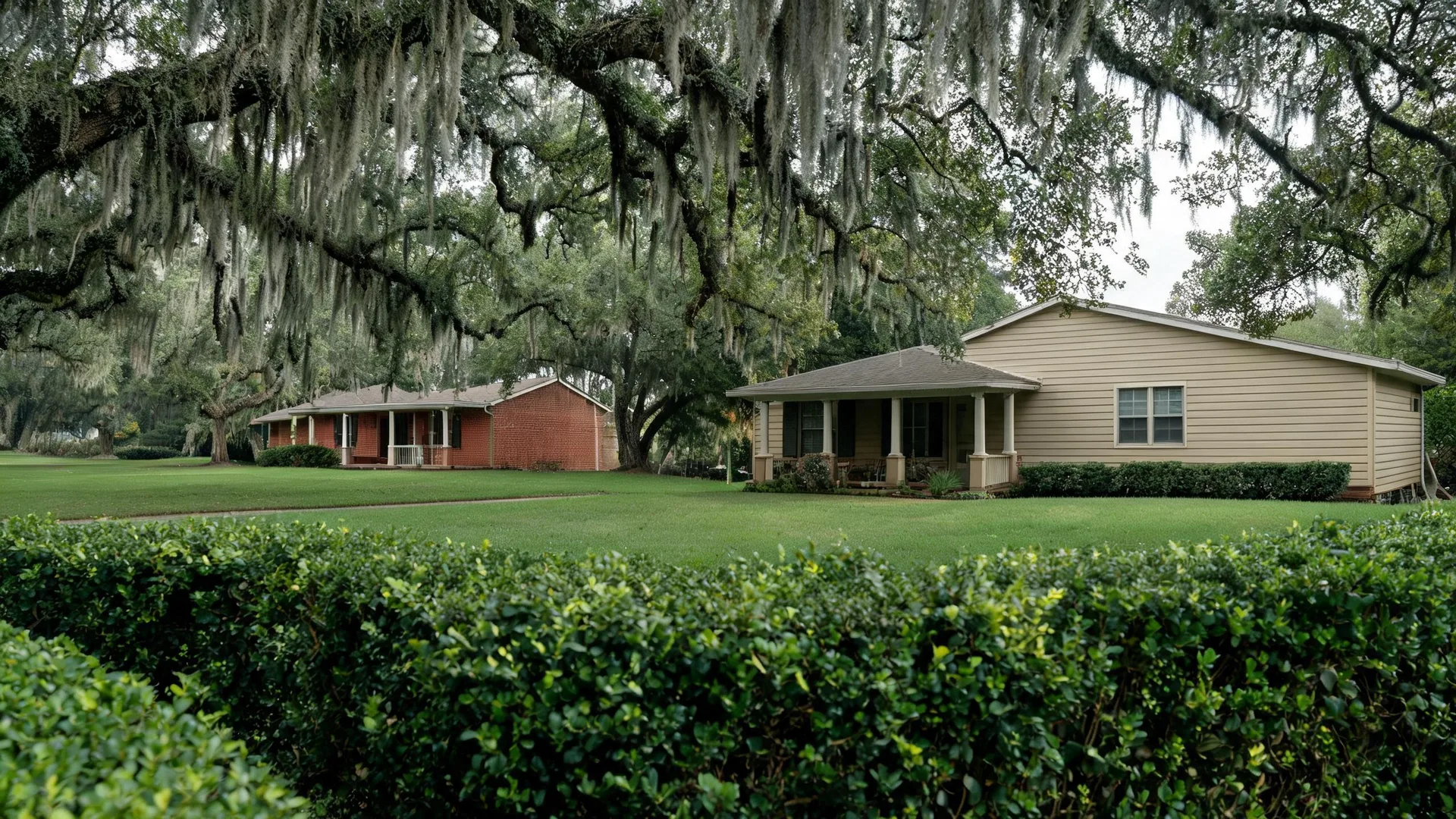
Single-story houses with beige siding and a brick building set on a mown lawn behind a trimmed hedge, framed by large oak branches draped with Spanish moss.

Furnace Installation in Sumter, SC

Tell us about the job

Takes about a minute. No obligation.

New system or replacementFurnace or heatingSumter County, SC
Step 1 of 2

What ZIP code is the job in?

Weather here is hard on outdoor equipment

Sumter County logged 235 severe weather events between 2015 and 2024, most of it damaging wind. A furnace install often comes with outdoor equipment or venting exposed to the yard, so where it sits and what shields it matters.


Power cuts are a real part of the plan

Nearly half of South Carolina households went at least 24 hours without power in 2024. A new furnace should come with a plan for what happens to heat when the power goes out, not just how it runs on a normal day.

5 months
November through March, your furnace is on duty
36°F
the average winter night it heats against
80% AFUE
the federal minimum any new unit must meet
Isometric cutaway illustration of a single-story house showing interior rooms with a dark furnace unit, connected ductwork, a vertical flue pipe through the roof, and simple furniture, on a white background.
Your furnace works hardest from November through March.

NOAA nClimDiv, 1991–2020 normals

Furnace here only has to run about five months a year, November through March.

A reliable mid-range furnace is enough. You're not paying to keep up a system built for a harder climate.

Most of Sumter County already heats with electricity, so a furnace install usually means an electric furnace or heat pump system, not a switch to gas

85.3% of homes heat with electricity
Heat runs November through March
Winter nights average 36°F

Picking a furnace here comes down to matching it to a mild job, not buying extra capacity you won't use. Overnight lows average 36°F through December, January and February, nothing close to what furnaces in colder states are built to handle night after night. A mid-range model can hold a house through that without strain. Ask the contractor what's reliable and well-supported locally rather than what sits at the top of the efficiency chart. A furnace that's easy to service will serve you better than one built for conditions this county doesn't see.

The right size costs less to run than the bigger one

Electricity here runs $41.71 per million Btu, so running cost comes down to the size you pick, not the brand on the unit. A standard mid-range furnace sized to a normal winter here covers what this house needs. There's no reason to pay more for capacity this climate won't ask for.

Find a contractor
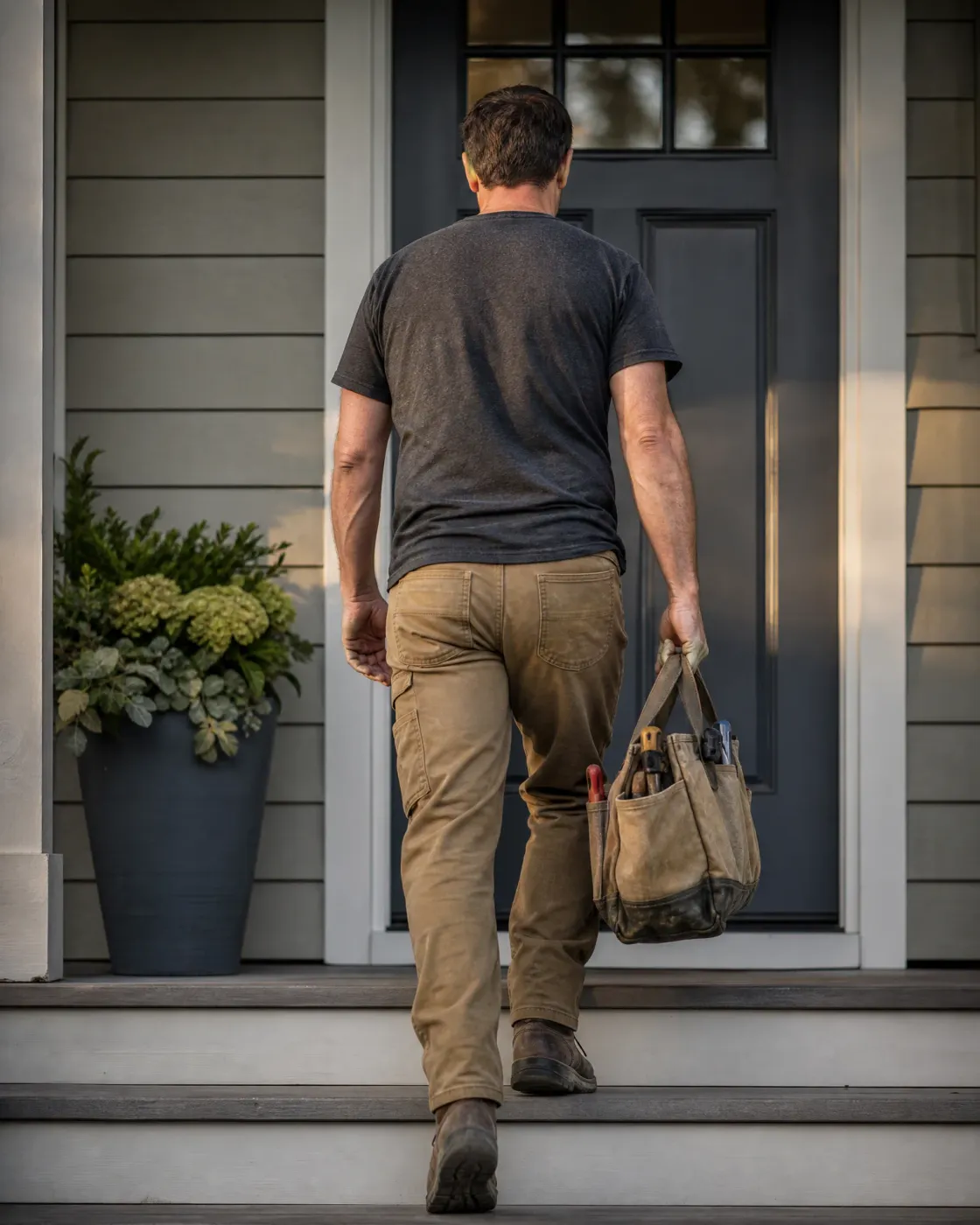
A man in a dark gray t-shirt and tan work pants, seen from behind, carries a canvas tool bag up porch steps toward a dark front door, with a potted plant beside the porch.
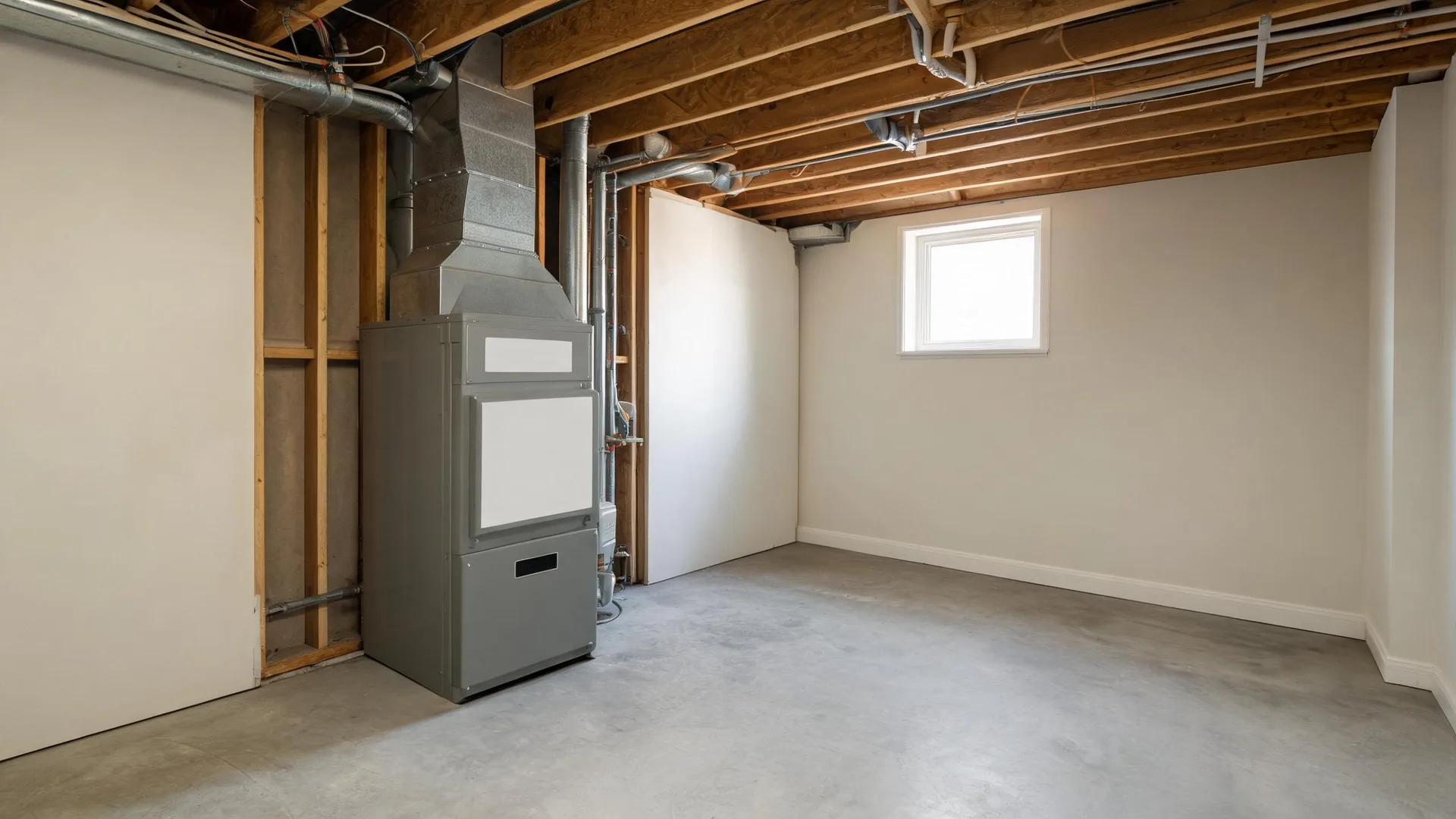
A gas furnace with attached ductwork, gas piping, and condensate lines installed in a concrete-block basement.

Get it in before November, not after

Heat runs November through March here, about five months. October is what you've got before the first cold snap, and that's the window to get a new furnace in. Installing before the weather turns means the contractor isn't rushing and you're not waiting on a repair while the house sits cold. Wait until November and you're competing for a slot with everyone else whose system just quit.

The ductwork decides more than the furnace does

If the ducts already in place are the right size and in good shape, a new furnace connects to them and that's most of the job. If they're undersized, leaky, or routed poorly, the installer has to fix or replace sections before the new furnace can heat the house evenly. That work is often the biggest swing in what an install involves, and it has nothing to do with which furnace you pick.

Venting and fuel type change what the crew has to do

An electric furnace and a gas furnace don't install the same way. Electric needs the right circuit and breaker capacity. Gas needs venting run correctly and a gas line sized to the unit. Switching fuel types or moving the furnace to a new spot in the house means more than swapping boxes, it means rebuilding the connections around it.

Sizing a furnace comes down to matching its output to how fast the house loses heat, not rounding up for safety. An undersized furnace runs constantly and still can't hold the temperature on the coldest nights. An oversized one blasts the house to temperature fast, shuts off, then starts again a few minutes later. That short cycling wears on the igniter and the blower motor. It also leaves rooms feeling uneven, because the system never runs long enough to push warm air evenly through the ductwork. The right size comes from a heat loss calculation, which weighs the square footage against the windows, insulation and layout of the house. It isn't a guess based on the old unit or the size of the house next door. A furnace sized this way runs longer, steadier cycles, and that's what keeps a house comfortable.

Installation starts with the old furnace coming out, along with any ductwork or venting that's being changed. The crew sets the new unit, then connects it, electric circuit and breaker for an electric furnace, gas line and venting for a gas one. Ductwork gets tied in next, and this is where sealing matters. Loose or poorly sealed joints leak heated air into the attic or crawlspace before it ever reaches a room. Once everything is connected, the furnace runs through a test cycle so the installer can check airflow, confirm the thermostat is talking to the system, and watch for any error codes on startup. The last step is walking the system through its paces at the thermostat, so you know how to run it before the crew leaves.