
Heat pump vs furnace in Sumter County, South Carolina

Quote Both Systems

Get a price before you decide

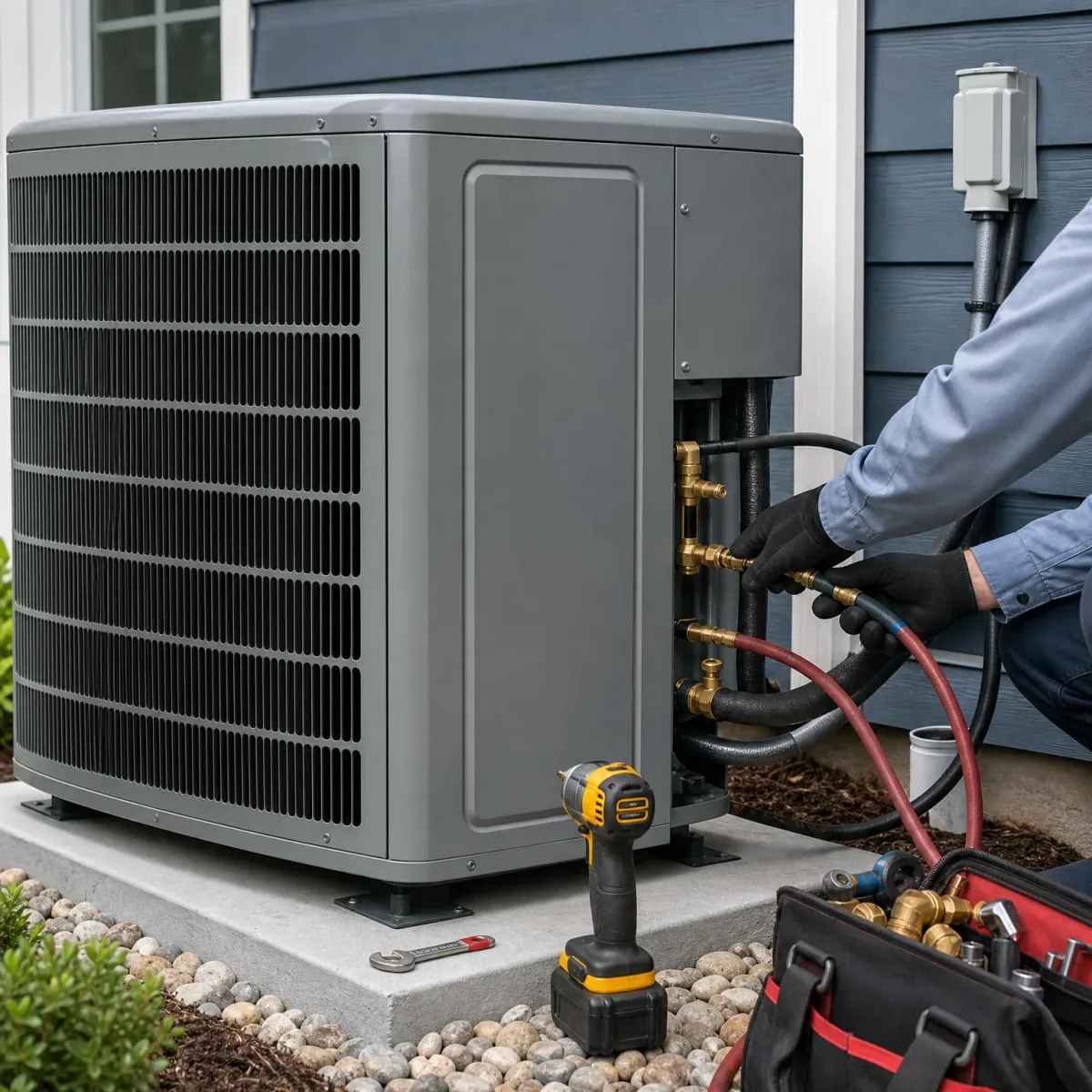
A person in a blue shirt and black gloves works on refrigerant line connections at the side of a gray outdoor air conditioning condenser unit on a concrete pad, with a cordless drill, wrench, and open tool bag nearby.

Tell us about the job

Takes about a minute. No obligation.

New system or replacementSumter County, SC
Step 1 of 3

What kind of equipment?

Which costs less to run in Sumter County?

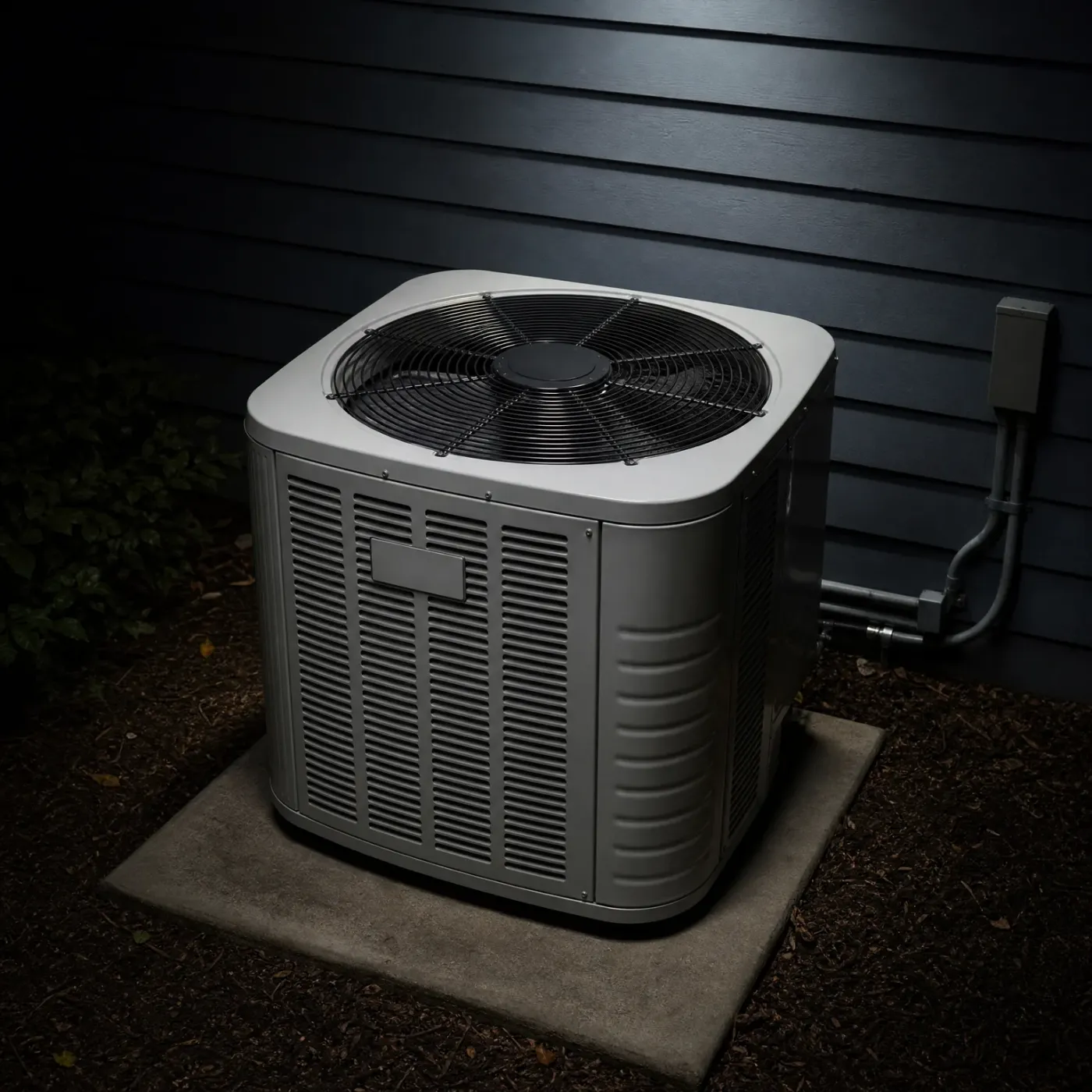
A gray outdoor condensing unit with a top-mounted fan grille sits on a concrete pad beside a dark horizontal-lap sided wall, with conduit, a disconnect box, and refrigerant lines running to the wall at night.

Heat pump

To heat your home here$1.90per 100,000 Btu

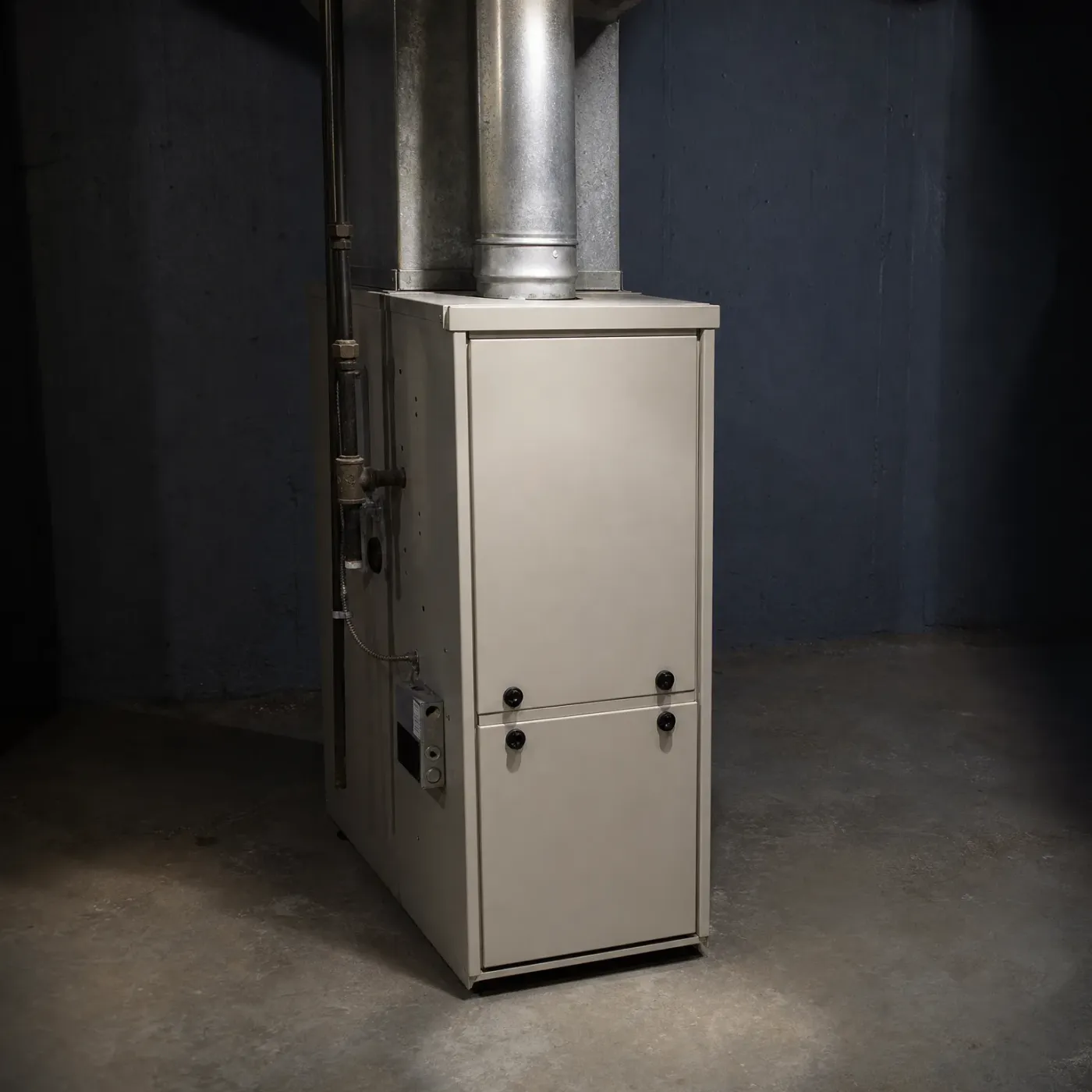
A beige sheet-metal furnace with two latched access panels stands on a concrete floor in a dim basement, with metal flue ducts rising from its top and a vertical pipe along the wall behind it.

Furnace

To heat your home here$2.05per 100,000 Btu

At South Carolina's gas and electricity prices, a heat pump makes the same heat as a gas furnace for about 7% less.

Btu stands for British thermal unit, the standard measure of heat energy.

Where does a heat pump shine?

  • Made for mild winters

    Winter nights here average 36°F, not the teens or single digits a heat pump struggles with. That's mild enough for a heat pump to heat your home on its own most nights without leaning on backup heat.

    A gray board-and-batten house porch with a light blue front door, black rocking chair with pillow and throw, potted plants, a pair of boots and a doormat, painted steps leading to frosty grass, and a person in a dark coat walking in the background.
  • Covers a long cooling season

    Cooling runs May through September here, so a big part of the year comes down to how well one system handles heat. A heat pump does both jobs with the same equipment, which matters when cooling is most of what it's doing.

    A screened porch with a wood floor, ceiling fan, wicker furniture with blue cushions, a rocking chair draped with a blue throw, a fire-pit table, and a glass of iced tea on a side table, with trees and water visible through the screens.
  • No gas line, nothing burning in the house

    A heat pump runs on electricity alone. Nothing burns inside the house.

    A kitchen with navy cabinets, white countertops, gray herringbone tile backsplash, stainless range hood over a cooktop with a kettle, open wood shelves with dishes, two glass pendant lights, a window, and a bowl of green apples on the foreground island.

Where does a furnace shine?

  • Proven, simple, easy to get serviced

    The design is simple and well understood. That keeps service calls short.

    A gloved hand holds a white pleated air filter in front of a furnace and ductwork, with shelves holding baskets and a potted plant on the left.
  • Pairs with any central AC

    Most central air systems are built around a furnace. The two share the blower, the ducts and the thermostat.

    A wooden floor vent register set in a hardwood floor near a window with sheer white curtains, with a woven basket planter on the left and a patterned rug on the right.
  • Fast, strong heat on demand

    The air coming from the vents feels genuinely hot. That's welcome on a freezing morning.

    Mudroom entry with a dark blue door and wainscoting, coats on hooks, a wooden bench with a gray fringed throw and mug, snow-dusted winter boots on a striped rug, a floor vent, and a sheer-curtained window showing snow outside.

What the winters here actually ask of a heat pump

Winter here is mild, and that is what makes a heat pump work. Heat runs five months, November through March, and the overnight low averages 36 degrees across December, January and February. A heat pump does its best work above freezing, and most nights here stay above freezing. Out of roughly 150 nights in that five month stretch, about 55 drop to 32 or below. That is under half.

Those 55 nights are the real question, because a heat pump has less heat to give the colder it gets outside. That is also the stretch where backup heat earns its keep, and most heat pumps carry it. The $1.90 figure on the running cost band does not include that backup heat, so on the coldest nights the real cost runs higher than shown. But those nights are the minority here, not the rule.

A gas furnace does not have this problem. It burns gas and makes the same strong heat whether it is 36 degrees outside or 20. That is the case for a furnace on the coldest nights of the year. The question is how much those nights should decide the whole purchase, when most of the season is milder than that.
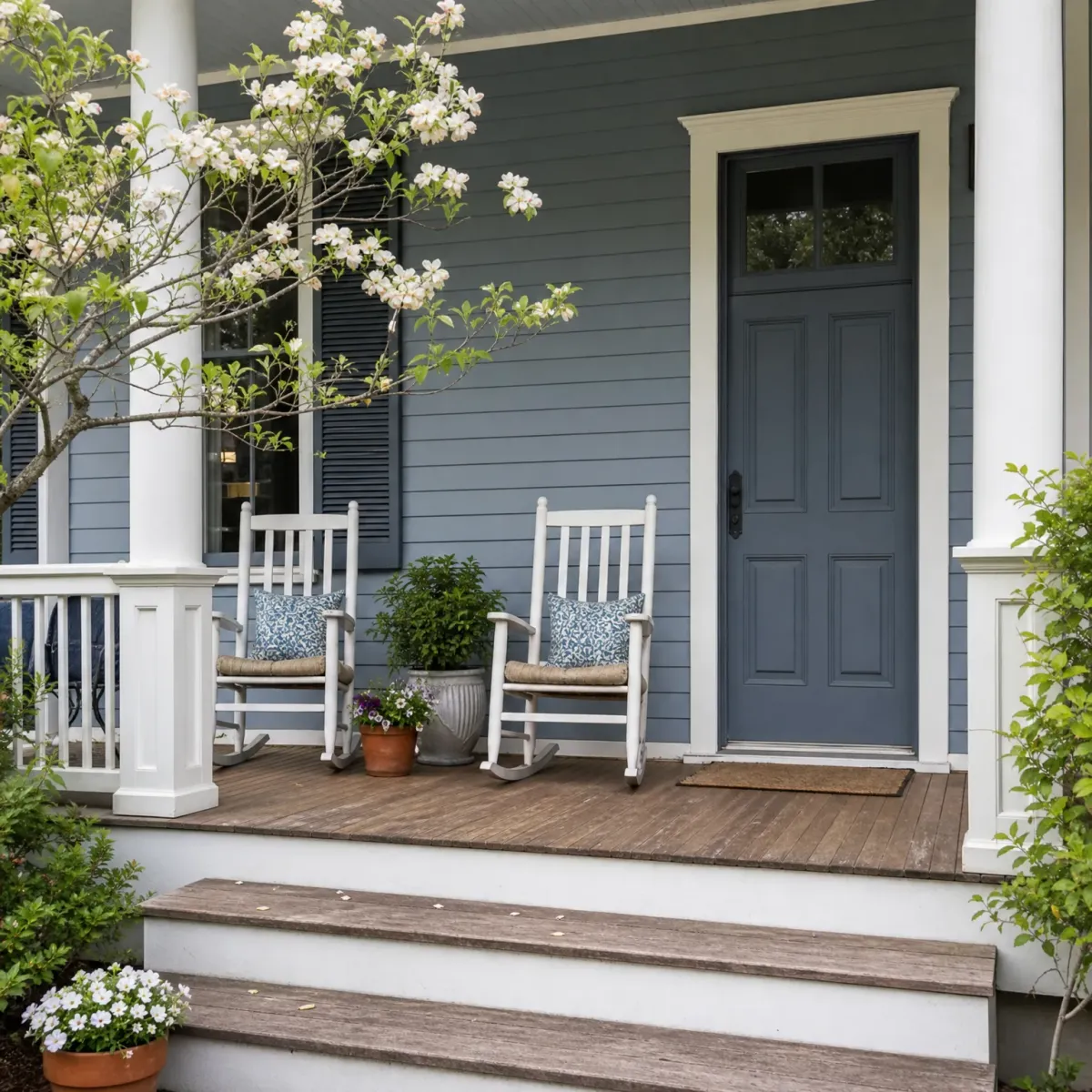
A covered front porch of a gray clapboard house with white columns and railing, two white rocking chairs with blue patterned cushions, potted plants, a blue paneled front door with transom, and wooden steps leading up to the deck, with a flowering tree at left.

What it means once you count the summer too

Cooling runs May through September here, five months, the same length as the heating season. A furnace plays no part in those five months. It only heats, so for the other half of the year it sits unused while a separate air conditioner does the work, including on the 60 days a year that reach 90 degrees or better. A heat pump is that air conditioner. It covers both seasons with one machine.

That is the practical difference. A furnace means a second system for cooling and two machines sharing the same ducts. A heat pump means one machine doing both jobs, and it runs on electricity alone, with nothing burning in the house.

Most homes here already run on electric heat. Electricity heats 85.3% of occupied homes in Sumter County, against 8.8% on utility gas, so a heat pump fits the setup most houses already have. The furnace still has a case: it is simple, easy to get serviced, and it pairs with any central AC already in place. If your house already has a gas line and a working AC, staying with a furnace is reasonable. If you are choosing a system for a house that cools five months and heats five, the heat pump covers more of the year, and it costs less to run while it does: $1.90 against $2.05 per 100,000 Btu of heat.

Sources: NOAA nClimDiv · NOAA 1991–2020 seasonal normals · Census ACS 2020–2024 · EIA SEDS 2024 · 10 CFR 430.32

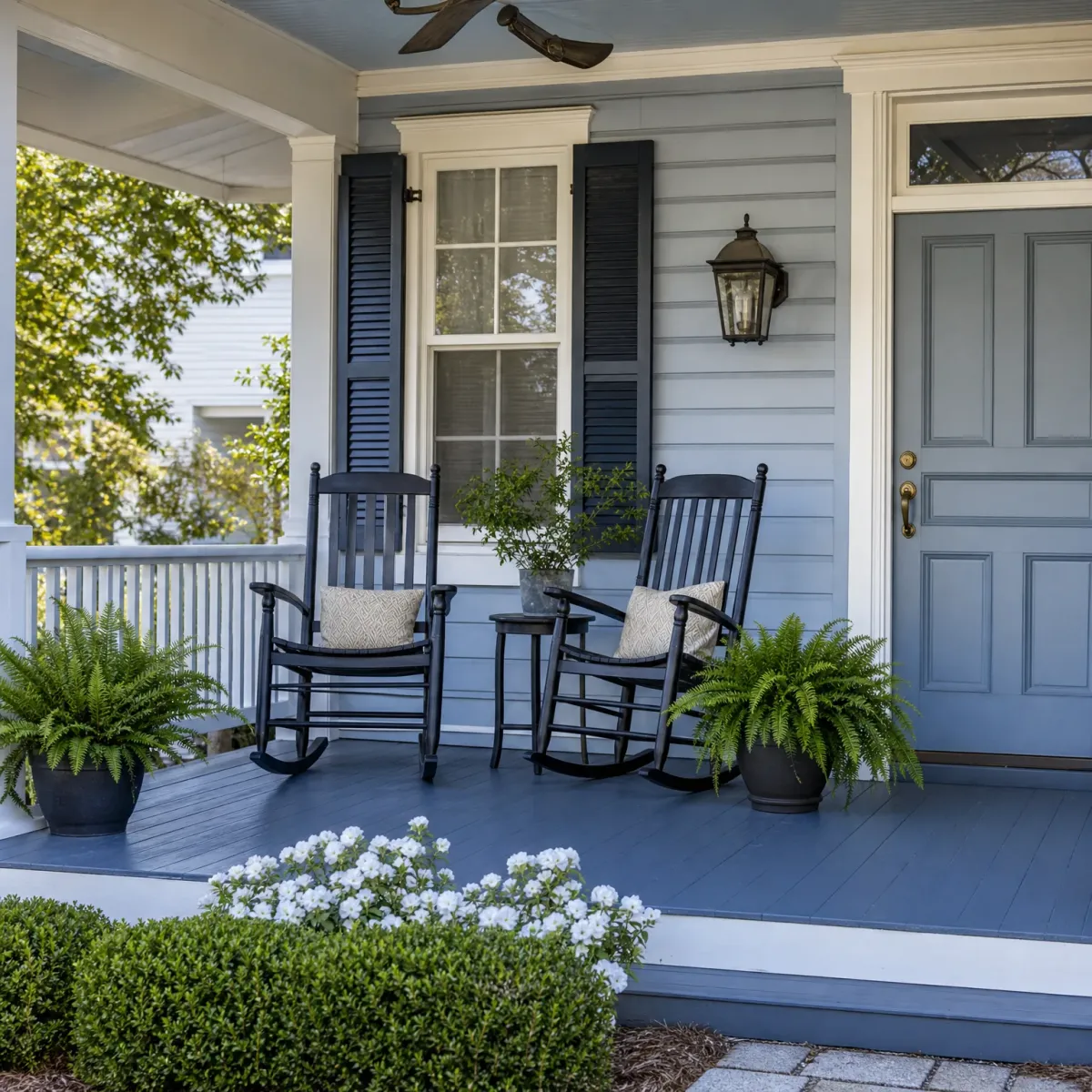
A covered front porch with blue-gray horizontal siding, two black rocking chairs with cushions flanking a small round table, potted ferns, a lantern wall light, shuttered window, and a blue paneled front door above a blue painted floor, with white flowering shrubs in front.

Common questions about heat pumps and furnaces

  • Will a heat pump keep my house cool enough here?

    Yes. A heat pump cools a house the same way a central air conditioner does, because that's the other half of what it is. Summers here run about five months, May through September, with afternoons hitting 90°F or higher about 60 days a year, and a heat pump is built to cover exactly that.

  • What if my house doesn't have a gas line?

    Then you're choosing between a heat pump and a furnace that burns propane or oil, since there's no gas line to feed it. Propane and oil cost more than the utility gas this page compares against, and both need a tank on your property that gets filled on a schedule. A heat pump runs on the same electric line already feeding your house, and electricity already heats 85.3% of homes in Sumter County.

  • Is a heat pump cheaper to run than a furnace in Sumter County?

    Yes, a heat pump costs less to run here. Across the year it works out to $1.90 per 100,000 Btu of heat against $2.05 for a gas furnace, at South Carolina's average fuel prices. The gap comes from South Carolina's gas and electricity prices and holds for machines built to the federal minimum, before anyone adds up what a particular install costs.