






Two white Southern-style homes with wraparound porches lit by landscape lighting at night, flanked by live oak trees hung with Spanish moss.

Furnace Repair in Sumter, SC

Tell us about the job

Takes about a minute. No obligation.

RepairFurnace or heatingSumter County, SC
Step 1 of 2

What ZIP code is the job in?

A tech starts by asking what the furnace was doing before it quit, since that points to where to look first. Then it's a look at the flame itself, if it lights at all, and what color it burns. A weak flame or one that won't stay lit often traces back to the flame sensor or a dirty igniter, not the burners themselves. If the blower runs but no heat comes out, that's a different path, usually the gas valve or the control board telling the system not to fire. The tech checks static pressure in the ducts too, because a furnace fighting restricted airflow will short cycle or trip its limit switch even when every part inside it is fine. Once the cause is found, you get a straight answer on what it takes to fix it before any work starts.

5 months
November through March, your furnace is on duty
36°F
the average winter night it heats against
8 winter storms
in ten years, the nights a failure hurts most
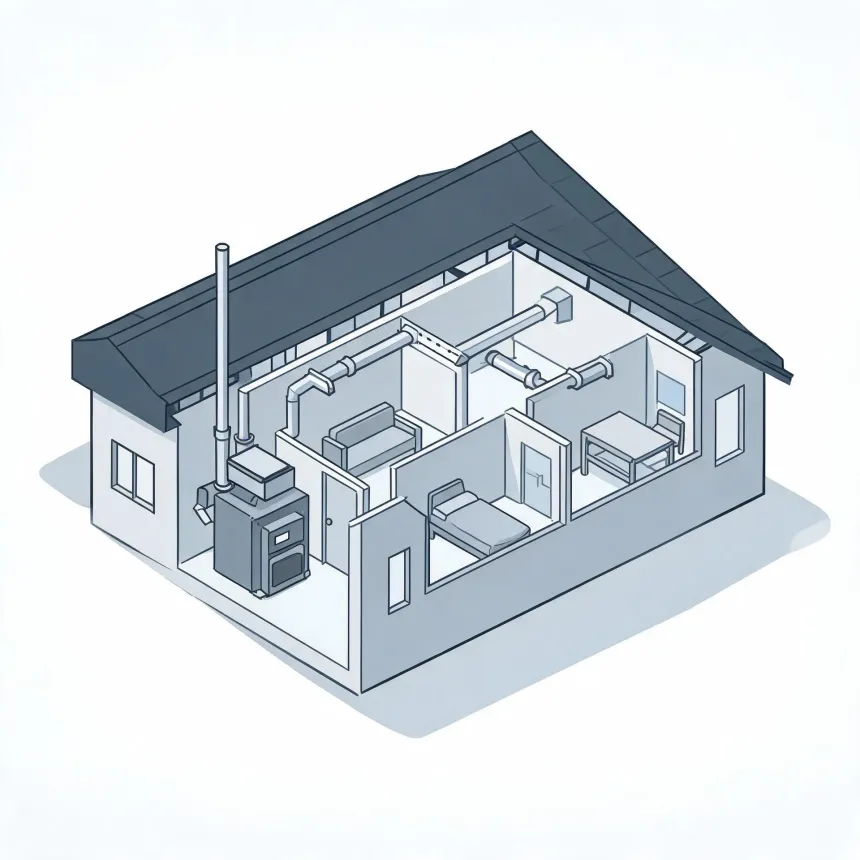
Isometric cutaway illustration of a single-story house showing interior rooms with furniture, overhead ducting, a flue pipe, and a furnace unit against an interior wall.
Your furnace works hardest from November through March.

NOAA nClimDiv, 1991–2020 normals

Furnaces fail here the same way they fail anywhere else.

Sumter doesn't need a different fix, just the right one for what's actually broken.

Five months of real work a year is not a hard life for a furnace

Heat runs November through March
Winter nights average 36°F
8 winter storms from 2015 to 2024
Sumter's homes skew newerHalf the homes in Sumter County were built in 1987 or later.

Furnace runs here from November through March, so October is the month to get a weak one looked at before the season starts. The first cold nights put the heaviest load on whatever part was already marginal, and that is usually when it quits rather than later in the run. A sensor on its way out or an igniter that is cracked but still working will often get through a mild evening and fail the first night it has to run for hours straight. Catching that in October means a repair on your schedule, not a no-heat call once November turns cold.

Get the usual fix

Nothing about this area is especially hard on it. It's most likely the usual problem with the usual fix.

Find a contractor
A man in a cap, dark t-shirt and worn tan work pants walks up steps toward a dark front door, carrying a canvas tool bag filled with tools, beside a potted shrub.
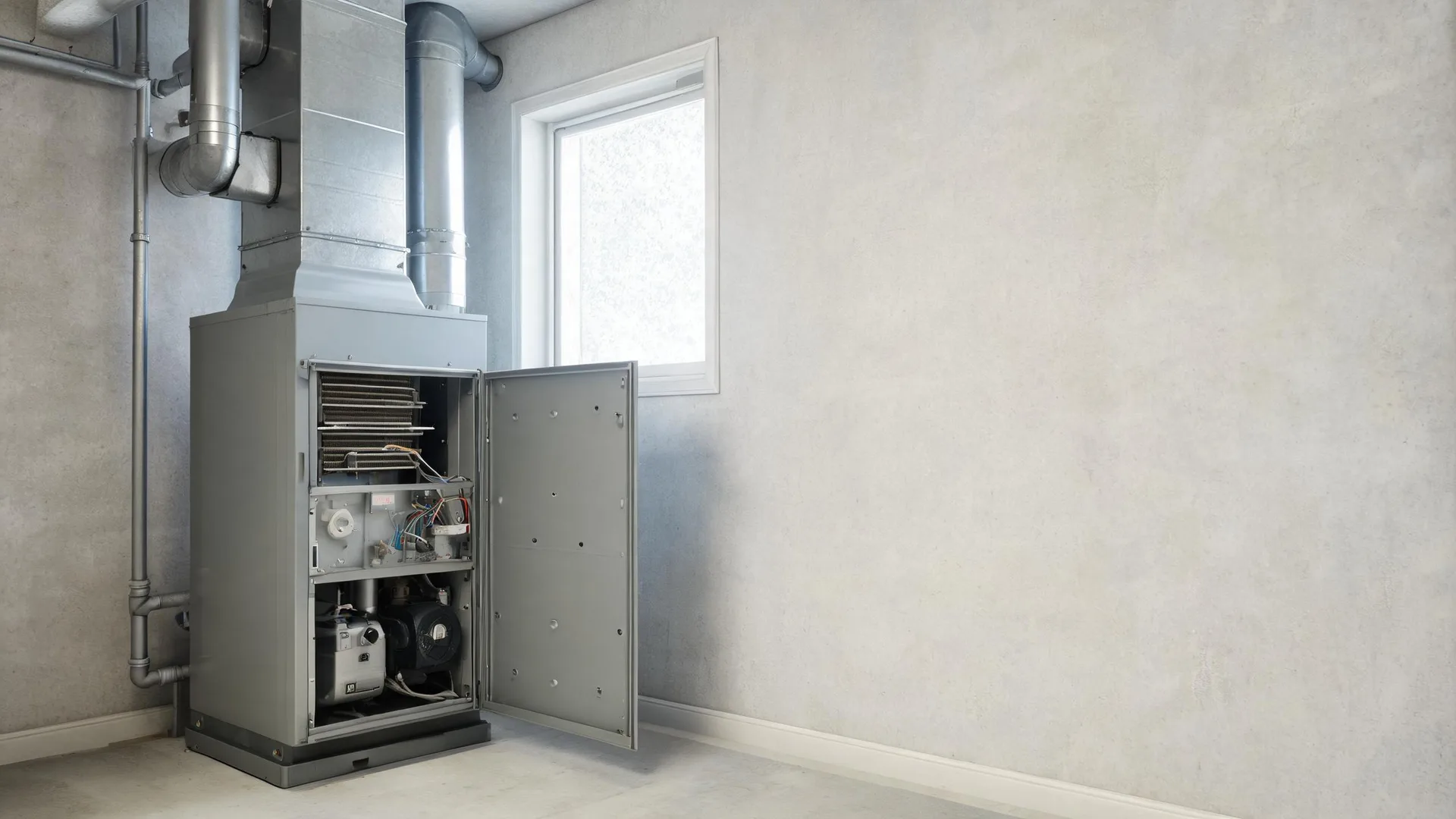
A gray residential gas furnace installed in an unfinished basement, connected to sheet-metal ductwork and PVC pipes.

Running it while it's failing rarely helps

A furnace that's struggling doesn't fix itself by staying on. If the flame sensor is coated or the igniter is cracked, every added cycle is another chance for the flame to drop out partway through, and some furnaces just keep trying to relight rather than shutting down, which wears the igniter down faster. Restricted airflow follows the same pattern. A dirty filter or a blocked return makes the heat exchanger run hotter than it's built for, and a crack that started from that stress only gets wider with each cycle of heating and cooling. Short cycling wears things down the same way. Every time the burner fires and quits early, the parts that start it take the hit, so a furnace doing that all night wears those parts faster than one running in long, normal stretches. None of this means shut the furnace off and wait on it. It means a problem caught now as a part swap is often the same problem as a bigger repair later, just worse by the time it gets looked at.

Check the thermostat and the switch first

Make sure the thermostat is set to heat and the setpoint is above room temperature, and check that its batteries aren't dead if it has a screen that's gone dark. Then find the furnace's power switch, it looks like a regular light switch near the unit, and confirm it hasn't been bumped off. Worth a look at the breaker too. None of this takes tools, and it rules out the simplest explanation before you wait on a repair call.
Look at the filter and the flame color

Pull the air filter and hold it up to a light. If you can't see light through it, that's restricting airflow enough to cause the furnace to overheat and shut itself down, and swapping it is something you can do yourself. If the furnace fires, look at the flame through the viewing window. It should burn steady and blue. A flame that's yellow, flickering, or won't stay lit points to a problem a tech needs to handle, not something to keep running until someone gets there.

Most calls start with a noise or a smell, not a full breakdown. A burning dust smell the first few times it fires is normal and clears on its own. A smell that lingers, or anything like rotten eggs, means shut it off and get a tech out. Banging or popping from the ductwork as it heats up is usually just metal expanding, but a sharp bang right at startup can mean a delayed ignition, which is worth having checked. Short cycling, where it fires for a couple minutes and quits, points to a limit switch tripping or a flame sensor losing its signal. Warm air that feels weaker than it used to, even with no error and no shutdown, is often the first sign something's starting to go.

A repair decision comes down to what broke and what else is likely to follow it. A cracked igniter or a failed flame sensor is a part swap. It doesn't say anything about the rest of the furnace. The heat exchanger is different. It isn't something that gets replaced on its own, since swapping it costs close to a new furnace, so a crack or a failure there usually means the whole unit goes. Age matters less than people think when the parts failing are the small, separate ones. What matters more is a pattern of repairs piling up in a short stretch, since that usually means the system is wearing out generally rather than failing in one spot. A tech who's straight with you will say which kind of problem you've got before recommending either path.