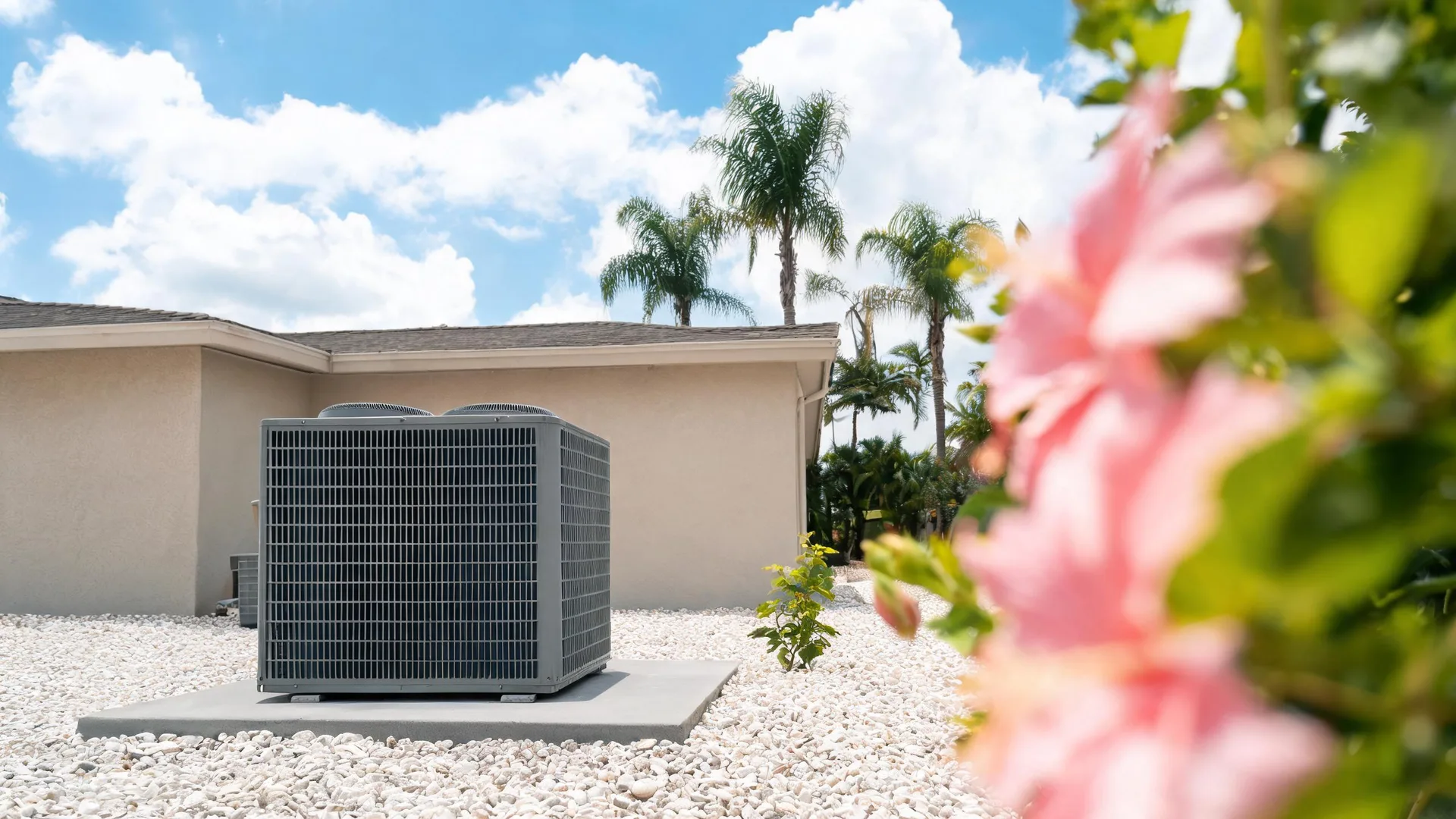
An outdoor HVAC condenser unit on a concrete pad in front of a single-story house with gray siding and a shingle roof.

Heat Pump Maintenance in Sumter, SC

Tell us about the job

Takes about a minute. No obligation.

Tune-up, service, or cleaningHeat PumpSumter County, SC
Step 1 of 2

What ZIP code is the job in?

The coil loses its grip on heat

A heat pump moves heat instead of burning fuel for it, so the outdoor coil has to stay clean to pull heat from the air or push it out. Dust and grime on the fins make it work harder to do the same job. Run that way long enough and the compressor takes the strain, which is the part nobody wants to replace.


The system forgets how to defrost right

Skip maintenance and nobody notices when the reversing valve or defrost sensor starts acting up until ice is sitting on the outdoor unit and not melting off. A unit stuck in a bad defrost cycle struggles to heat the house at all, right when the cold snap makes that the only thing that matters.

Sumter County took damaging wind 182 times between 2015 and 2024.

A heat pump outside through storms like that needs its parts checked before the next one finds the weak part.

Heat pump season starts in May here. Have it checked in April.

Cooling runs May through September
Heat runs November through March
182 damaging wind events from 2015 to 2024
Half these homes are newerHalf the homes in Sumter County were built in 1987 or later, so the system behind the wall may still have a lot of life left in it.

Wind was 182 of those 235 events, but it wasn't the only kind. Hail hits here too, and so do tornadoes, each one capable of denting coil fins or cracking a fan blade. Hail bends the fins shut. Flying debris does the same thing without a storm needing a name. None of that announces itself right away. A bent fin or a cracked blade can sit there through mild weather and only show up once summer leans on the system and it can't keep up.

A newer system still needs a yearly check

A system installed when the house was built in 1987 or later still depends on a clean coil and a defrost sensor that works. A yearly check catches a weak part while it still has years ahead of it, before storm season asks more of it than it can give.

Find a contractor
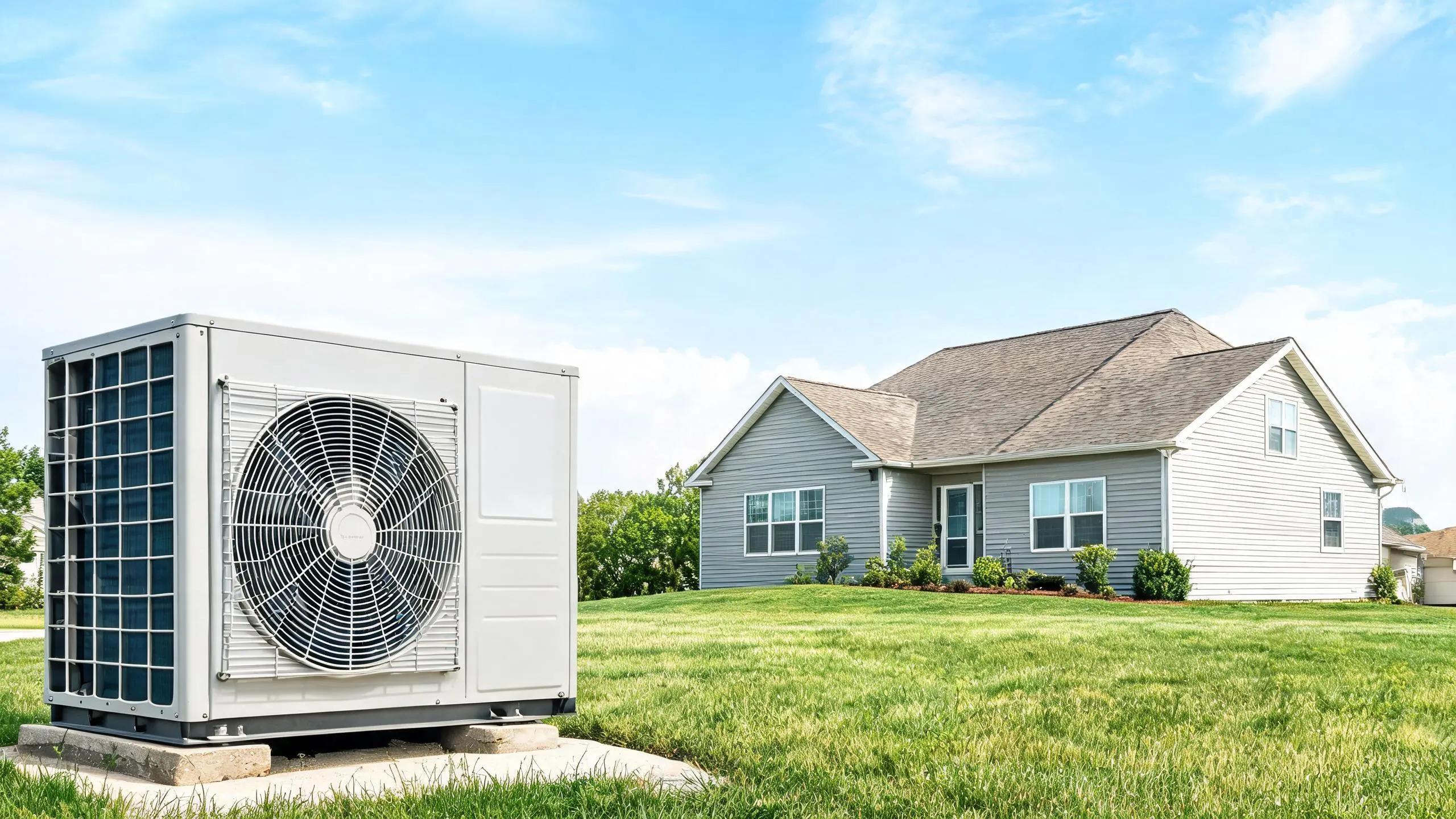
A white mini-split heat pump outdoor unit mounted on a concrete pad beside a gray-sided house, surrounded by gravel and green shrubs.

It runs through the storms, then has to perform

The outdoor unit sits through all of it, wind, hail, whatever a storm throws at it, then gets asked to run hard the moment the weather turns. A bent fin or a loose panel from last year's wind won't show up on a mild day. It shows up when the unit is working to keep the house warm or cool and can't spare the extra strain. Have it looked at before the season starts, not after something gives out mid-run.

The charge is either right or it isn't

A heat pump needs the correct refrigerant charge to move heat in either direction. A system low on charge still blows air, so nothing feels wrong at the vent, but the compressor runs longer and harder to make up for it. Gauges at the service ports show what the thermostat never will.

The electrical side wears out quietly

Contactors pit and capacitors weaken from the normal work of starting and stopping the compressor and fans, not from any defect. A capacitor losing its rating still lets the system start most days, until the morning it doesn't. Checking these parts under load catches the weak one before it leaves the house without heat or cooling on the wrong afternoon.

A quick visit gets you a filter check and a glance at the thermostat. That tells you almost nothing about whether the system will hold up. A thorough one has the tech pull the panel and check refrigerant pressure at the service ports, since that's the only way to see the charge is right. It means checking capacitors and contactors under load, not just looking at them, because a weak capacitor can still start the system on the bench and fail outside in the cold. It means washing the outdoor coil, not just eyeballing it for dirt, and running the system through a defrost cycle to see the reversing valve actually switch. If nobody opens the cabinet or runs the unit through its paces, they didn't check the parts that fail. They checked the ones that don't.

A full tune-up also means checking the blower motor and the airflow moving across the indoor coil, since a heat pump that can't move enough air strains no matter how clean the refrigerant charge is. The tech checks the air filter is seated right and the blower wheel isn't caked with dust, because restricted airflow makes the coil run colder than it should and invites icing even outside the defrost cycle. Low voltage wiring and the connections at the air handler get a look too, since a loose connection can cause the system to short cycle long before it fails outright. Refrigerant lines get checked for signs of rubbing or wear where they run through the wall or along the unit, since a slow leak there shows up as weak performance months before anyone hears a hiss. None of this is optional if the goal is actually knowing the system will hold up, not just confirming it turns on.