A illuminated white antebellum-style house with a wraparound porch, white columns, and Spanish-moss-draped oak trees, photographed at dusk.

Furnace Installation in Lancaster, SC

Tell us about the job

Takes about a minute. No obligation.

New system or replacementFurnace or heatingLancaster County, SC
Step 1 of 2

What ZIP code is the job in?

Weather here isn't gentle on equipment

Lancaster County logged 191 severe weather events between 2015 and 2024, most of them damaging wind or hail. A new furnace sits indoors, but the outdoor condenser that often goes in alongside it takes the brunt of that weather.

Power doesn't always come right back

Nearly half of South Carolina households went at least 24 hours without power in 2024. A furnace needs electricity to run its blower and controls even though it burns gas for heat, so it's worth asking what happens to heat in the house during a long outage.

5 months
November through March, your furnace is on duty
33°F
the average winter night it heats against
50%
of homes here heat with gas, so most furnaces here burn gas
80% AFUE
the federal minimum any new unit must meet
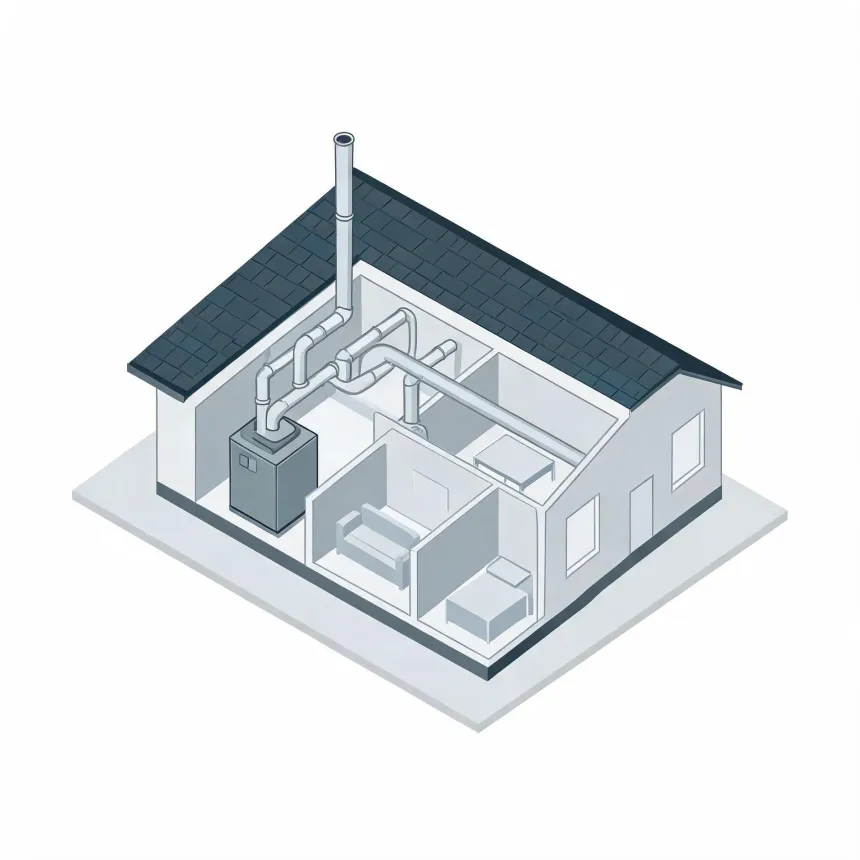
Isometric cutaway illustration of a single-story house showing a gray furnace connected to white ductwork and a flue pipe extending through the shingled roof, with simplified furniture in the interior rooms.
Your furnace works hardest from November through March.

NOAA nClimDiv, 1991–2020 normals

Furnaces in Lancaster County start running in November.

Put a new one in during October and it's already proven before that first cold night.

Gas heats half the homes in Lancaster County, more than anything else

50.4% of homes heat with gas
Heat runs November through March
Winter nights average 33°F

Natural gas ran South Carolina homes $16.37 per million Btu in 2024. That's cheap next to a lot of the country, which changes the math on which furnace to put in. A high-efficiency model with a modulating gas valve will cost more up front, and with gas this cheap it takes longer for the lower gas bills to catch up to that difference. That doesn't make it the wrong choice. It just means the decision should rest more on what holds up to Lancaster's weather and what keeps the house warm through an outage, and less on shaving a few points off the efficiency rating.

Five months of heat a year doesn't ask much of a furnace

Furnaces here run November through March, with overnight lows averaging 33°F. That's a short season and mild as winters go. A furnace in Lancaster isn't working against the kind of cold that wears a system down fast, so the case for the top-tier efficiency model is weaker here than it would be further north. Reliable matters more than top-rated.

Find a contractor
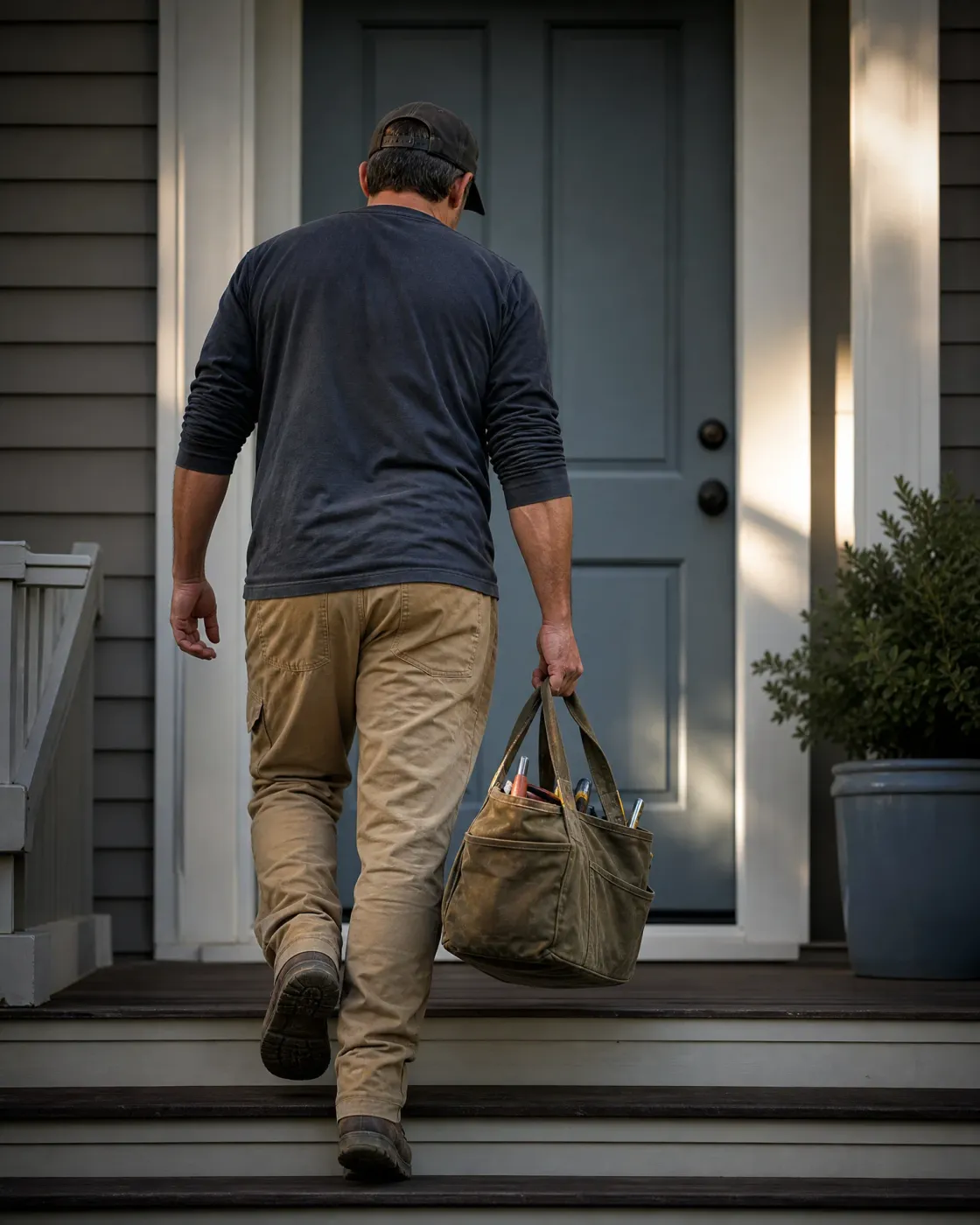
A man in a dark long-sleeve shirt, tan work pants and a cap climbs porch steps toward a gray door, carrying a canvas tool bag in his right hand, with a potted shrub to the right.
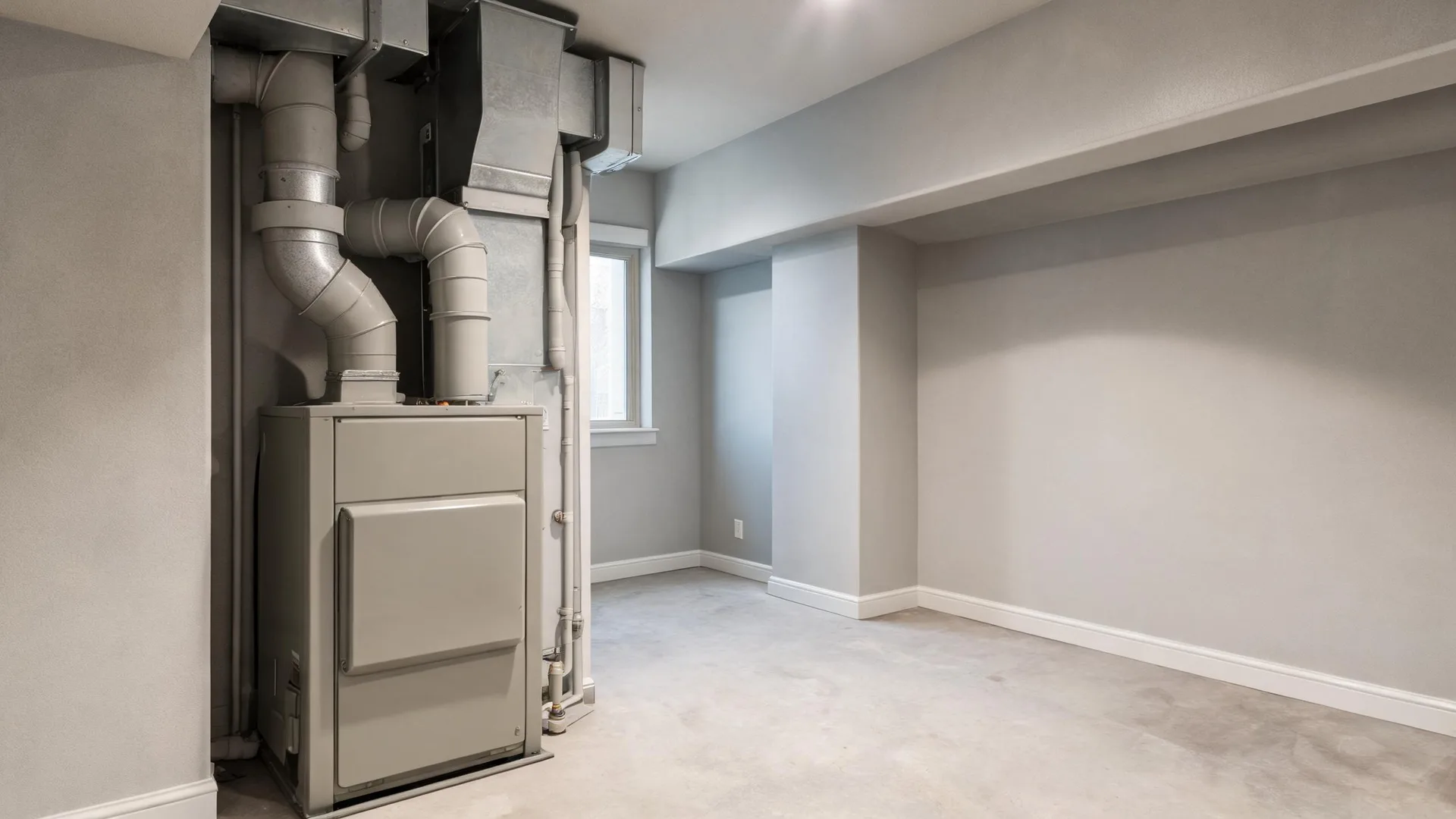
A gas furnace with attached ductwork, gas piping, and condensate lines installed in a concrete-block basement.

A short season, so pick for reliability

Five months of heat a year, and the rest of the time this furnace sits idle. That's the stretch to plan around, not the coldest night you can imagine. Put the money into a system that starts every time and runs without fuss, rather than one built to squeeze out the last few points of efficiency.

The house decides the ductwork

A furnace swap sounds simple until the new unit needs a different size plenum or the existing ducts can't move enough air for a bigger blower. Whoever installs it has to size the furnace to the house, not just match what was there before, and that sometimes means modifying the supply and return ducts rather than just swapping the box.

Venting changes with efficiency

A standard furnace vents through a metal flue. A high-efficiency furnace condenses the exhaust and vents through PVC pipe instead, often straight out a sidewall. Moving from one type to the other means running new venting, not reusing what's already there, and that's labor the furnace price alone doesn't show.

An unfinished basement featuring exposed ceiling joists, a metal HVAC unit with round ductwork, a hanging light bulb, and scattered boxes and debris along the left wall.

A high-efficiency gas furnace would save about $80 a year to run in Lancaster County compared with a gas furnace.

  • A high-efficiency gas furnace$450 a year
  • A gas furnace$530 a year

Estimates for a typical Lancaster County home, from EIA household energy data, South Carolina fuel prices and NOAA climate normals. Your home will differ.

The old furnace comes out first, and that part goes fast. What takes the time is everything around it. The installer checks the plenum, the return air, the gas line and the vent before the new unit goes in, because all of that has to match the new furnace, not the old one. If the vent type is changing, that means new pipe run through the wall or roof, sealed and tested before anything gets fired up. Once the furnace is set, connected and wired in, it gets tested. The installer checks ignition, airflow, and the temperature rise across the heat exchanger, and sets the gas pressure at the valve. A furnace that lights on the first try but was never checked for the right temperature rise can still be one that fails early.