




Single-story houses with covered porches, one brick and one light-colored siding, behind a trimmed hedge and lawn, beneath large oak trees draped with Spanish moss.

Furnace Installation in Edgefield, SC

Tell us about the job

Takes about a minute. No obligation.

New system or replacementFurnace or heatingEdgefield County, SC
Step 1 of 2

What ZIP code is the job in?

Most homes in Edgefield County heat with electricity, 73.2% of them. Gas furnaces are the exception here, not the rule. Utility gas accounts for 13.8% and propane another 9.0%, together still less than electricity alone. That makes an electric furnace or heat pump the straightforward choice for a new install, since it matches what the local grid and most homes are already set up for. Edgefield sees its share of severe weather and power outages, so whichever system goes in should be one that comes back on its own once power is restored.

5 months
November through March, your furnace is on duty
36°F
the average winter night it heats against
80% AFUE
the federal minimum any new unit must meet
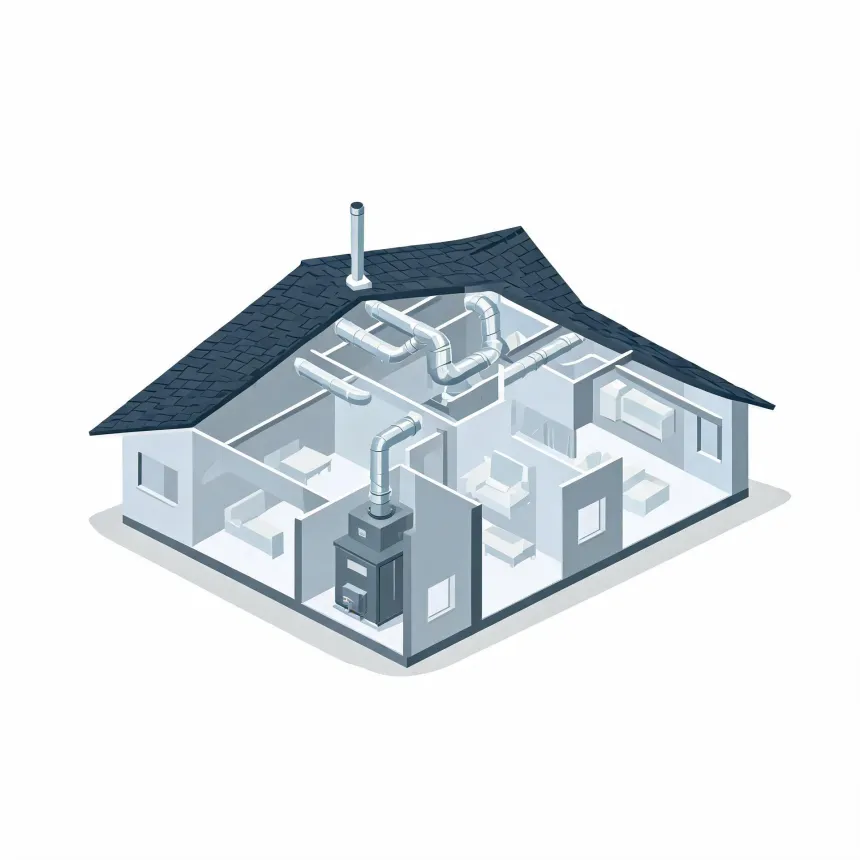
Isometric cutaway illustration of a single-story house showing interior rooms with furniture, a metal ductwork network, and a furnace unit connected to a vertical flue through the dark shingled roof.
Your furnace works hardest from November through March.

NOAA nClimDiv, 1991–2020 normals

Electricity in South Carolina ran $41.71 per million Btu in 2024.

A standard-size, standard-efficiency furnace fits that cost fine, no need to size up or pay for extra efficiency here.

A standard furnace sized right fits this county fine

Half the homes here were built by 1988
Climate zone 3A
Heat runs November through March
A furnace here isn't working hardFive months of heat a year, and winter nights average 36°F.

AFUE is the number that tells you how much of the fuel a furnace burns actually ends up as heat in the house, versus how much goes out the flue. A furnace with a higher AFUE wastes less fuel doing the same job. That's all the rating measures. It says nothing about how big the furnace is or how fast it can heat a room, only how efficiently it turns fuel into warmth once it's running. A higher-rated furnace often vents differently too, through plastic pipe instead of metal, which is one reason those units cost more to install and not just more to buy. None of that changes what size furnace a house needs. That's a separate question, answered by the heat loss calculation, not the label.

Install before November, not after

Heat starts running in November here. Get the furnace in during October and it's installed before the first cold night, not during one. That matters this year with any install, picking the unit, running power to it, having it inspected, all done on your own schedule instead of squeezed in around a storm.

Find a contractor
A man in a cap, dark long-sleeve shirt and dirty work pants walks up wooden steps toward a dark gray front door, carrying a canvas tool bag in his right hand, with a potted shrub beside the entry.
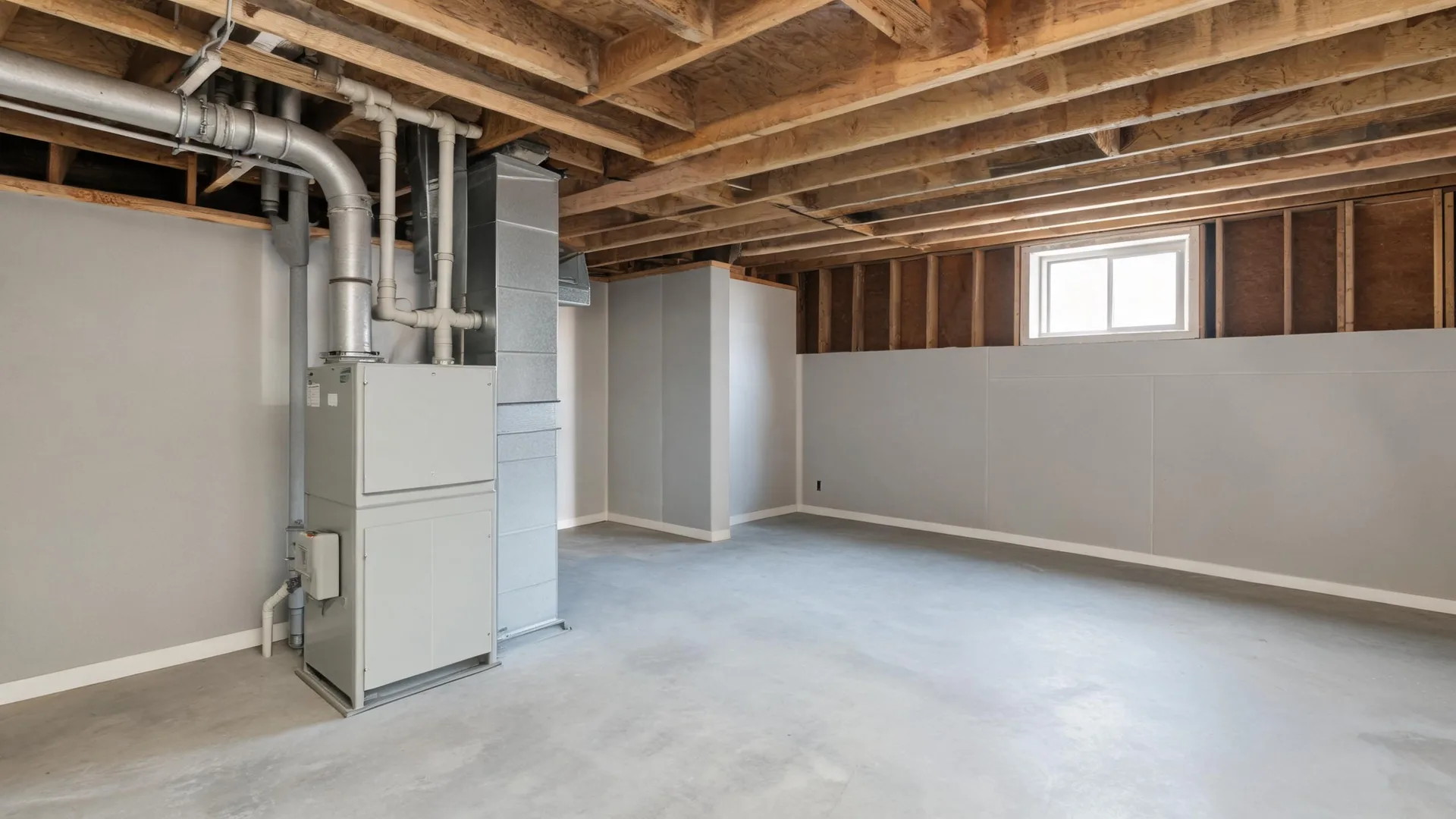
A gray gas furnace with attached ductwork and piping installed in an unfinished concrete basement.

Size it for this county, then keep it serviced

Five months of light duty a year won't wear a furnace out before its time. What does is a filter left in too long or a tune-up skipped. So put the money saved on sizing toward keeping it serviced instead. A unit sized right for this county, checked once a year, will outlast one picked for a harder climate and then neglected.

Size comes from a heat loss calculation, not the old unit's rating

A contractor works out the right furnace size by figuring how much heat the house actually loses through its walls, windows, ceiling and floor, room by room. The furnace that's in there now might be the wrong size too, so matching it just repeats whatever mistake was already built in. The calculation is what tells you the real number to install to.
Oversized is its own kind of wrong

A furnace too big for the house heats the air fast, shuts off, then starts again a few minutes later. Those short cycles mean the blower never runs long enough to even out the temperature room to room, and the burner and igniter take more wear from starting up over and over than they would from fewer, longer runs.

Installed cost comes down to how much has to change beyond the furnace itself. If the ductwork already fits the new unit, swapping one furnace for another is straightforward. If the vent pipe needs to be resized, if the gas line is too small for the new furnace's input, or if the electrical circuit doesn't match what the new unit calls for, each of those adds its own work. The cabinet size matters too, since a furnace that doesn't match the existing opening means modifying the plenum or the closet it sits in. None of that shows up until a contractor actually looks at what's there.

Install day starts with the old furnace coming out, not the new one going in. The contractor disconnects the gas line, the vent pipe and the electrical before anything gets unbolted from the plenum. Once the old unit is clear, they check the opening, the duct connections and the flue against what the new furnace needs. Those rarely match exactly, even with the same brand. Setting the new furnace in place, sealing the duct joints and connecting the gas and vent lines is the bulk of the day. After that comes startup. The contractor checks gas pressure, confirms the igniter lights and the flame sensor reads correctly, and watches the blower run through a full cycle. A furnace isn't left to prove itself on the first cold night. It gets tested on the spot.