Heat pump vs furnace in Edgefield County, South Carolina

Start My Quote

Installers who work on both

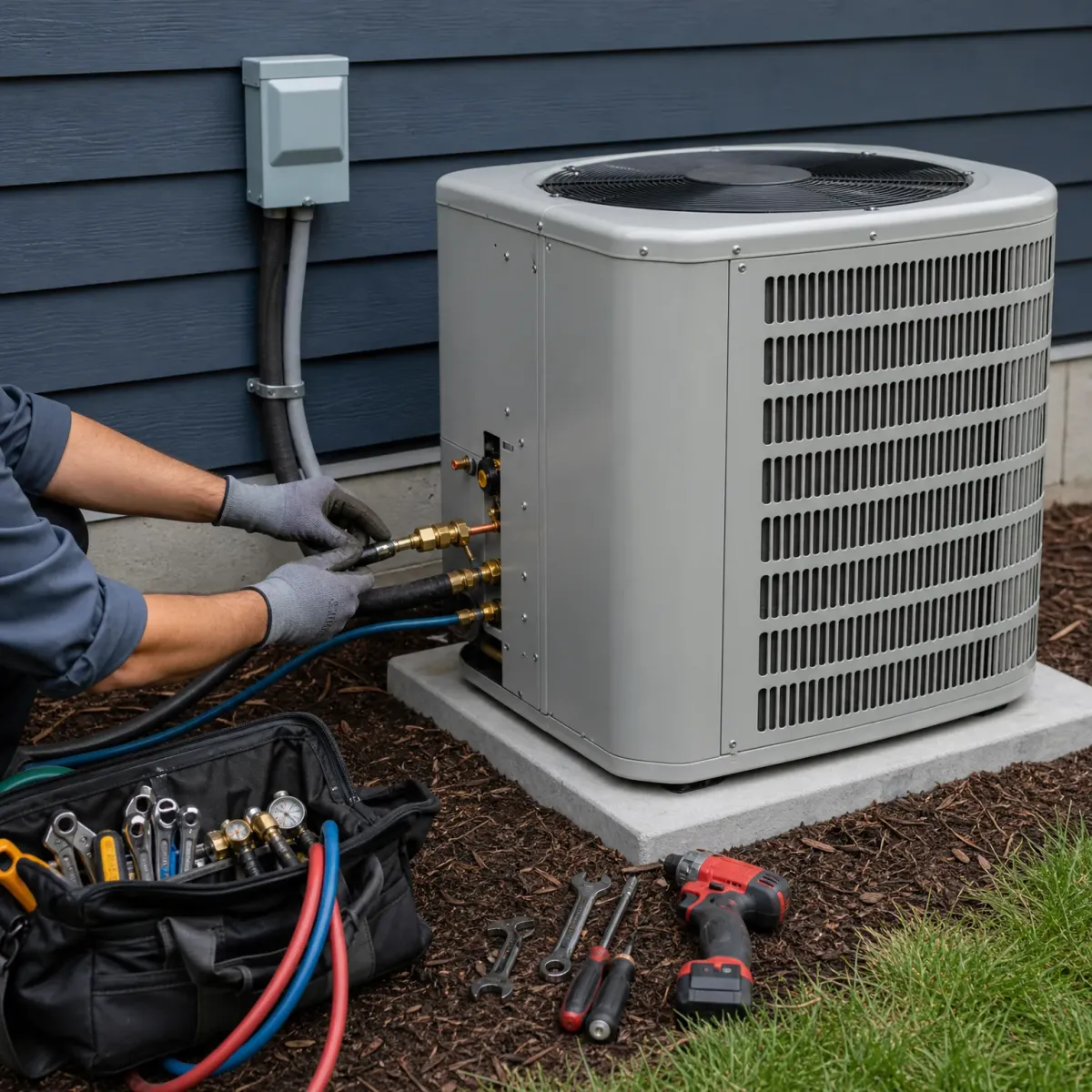
A gloved worker connects refrigerant lines to the service valves of an outdoor air conditioning condenser on a concrete pad beside a dark-sided house, with a tool bag, wrenches, screwdrivers, a gauge set and a cordless drill on the mulch in the foreground.

Tell us about the job

Takes about a minute. No obligation.

New system or replacementEdgefield County, SC
Step 1 of 3

What kind of equipment?

Which costs less to run in Edgefield County?

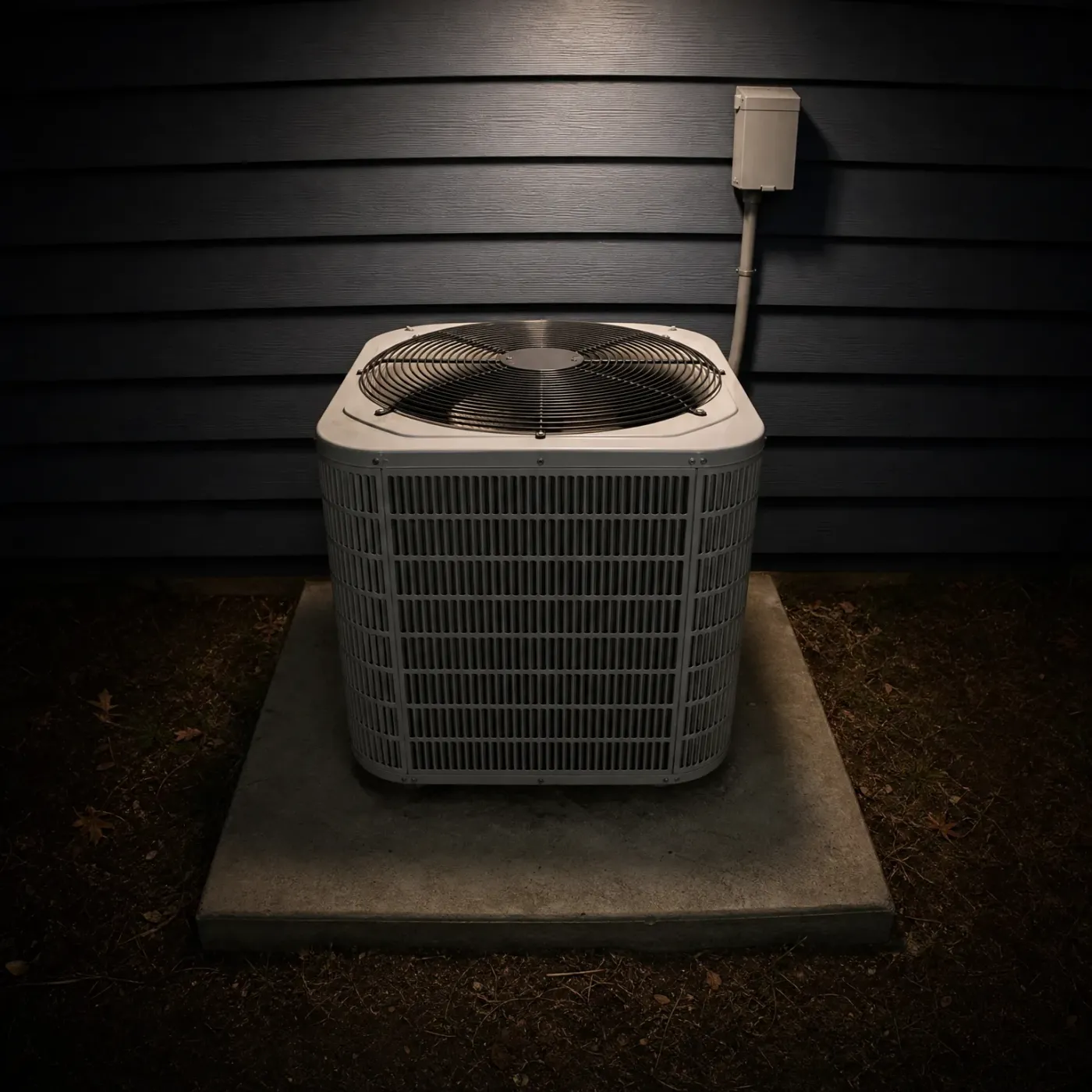
An outdoor air conditioner or heat pump condenser unit on a concrete pad against dark horizontal lap siding, with a conduit running up to a wall-mounted disconnect box.

Heat pump

To heat your home here$1.90per 100,000 Btu

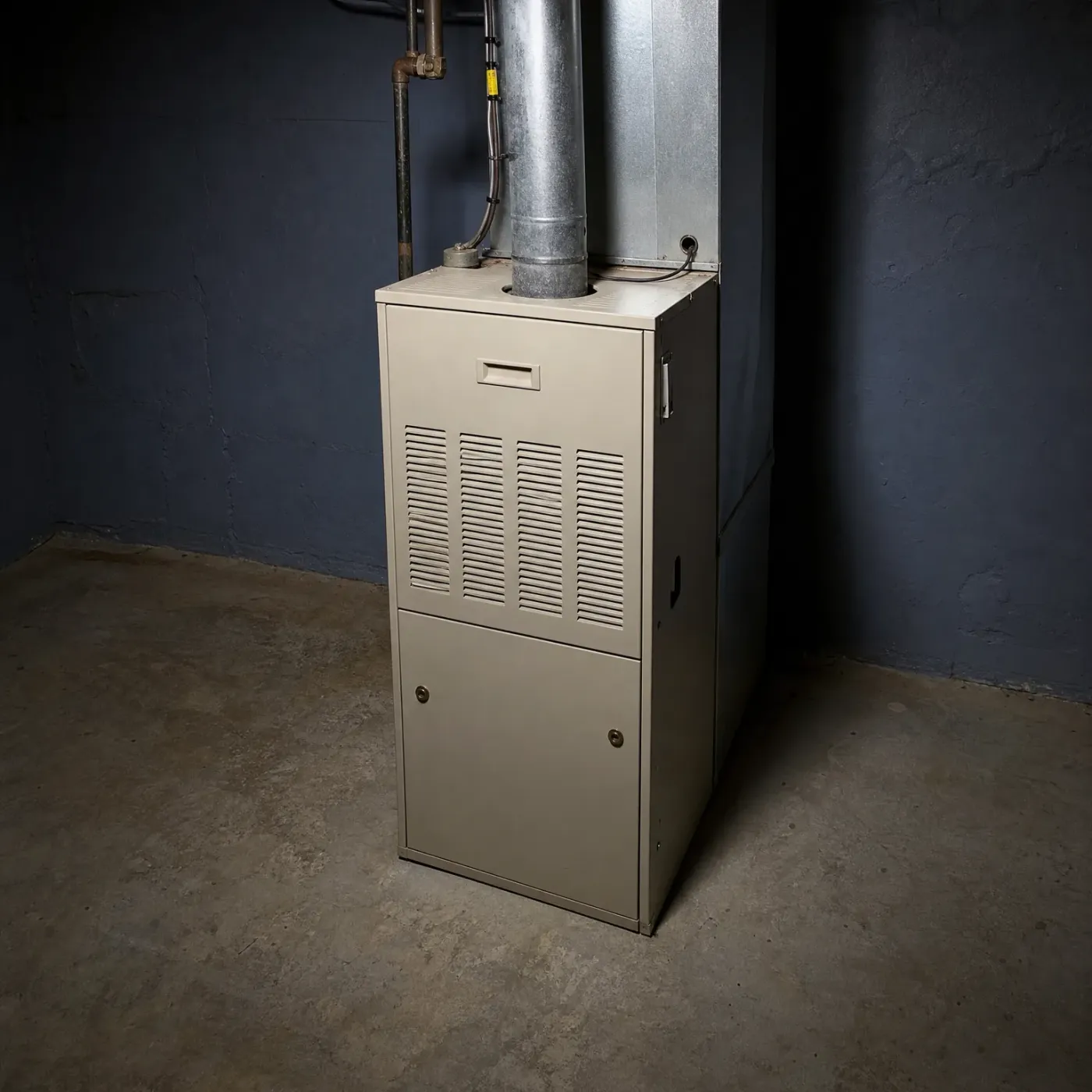
A beige furnace with a louvered front panel stands on a concrete floor in a basement corner, with a metal flue pipe and copper piping rising to the ceiling against dark gray walls.

Furnace

To heat your home here$2.05per 100,000 Btu

At South Carolina's gas and electricity prices, a heat pump makes the same heat as a gas furnace for about 7% less.

Btu stands for British thermal unit, the standard measure of heat energy.

Where does a heat pump shine?

  • Made for mild winters

    Overnight lows in Edgefield County average 36°F through December, January and February, and a heat pump handles outdoor air that mild without much strain. It can keep pulling heat from outside all winter without leaning on backup heat.

    Front porch of a blue clapboard house with white columns, a dark blue paneled door with transom windows, a potted evergreen, rubber boots on the deck, stone steps, and frost on the surrounding grass at low sun.
  • Covers a long cooling season

    May through September is five months of cooling here in Edgefield County, and a heat pump runs that whole stretch on the same system that heats your home in winter. No separate cooling equipment to keep up, just one machine doing both jobs.

    A covered porch with blue lap siding, a ceiling fan, wicker and cushioned seating, a black rocking chair, potted plants, and a glass of iced tea on a woven coaster atop a round navy table, with green trees beyond the railing.
  • Steady, even comfort

    Instead of short bursts of heat, it keeps a gentle, steady output going. The house stays at one comfortable temperature.

    A living room with a gray upholstered armchair holding an open book and a draped throw, a table lamp by a window showing snow outside, a lit fireplace with a wood-mantel and framed landscape painting, a basket of firewood, a wooden coffee table, and a golden retriever lying on a patterned rug.

Where does a furnace shine?

  • Pairs with any central AC

    The ductwork that delivers heat in winter delivers cool air in summer once an AC coil is added.

    Sunlit wood plank floor with a metal floor air vent, a woven rug at lower left, a gray-painted open door at left, and a sheer white curtain at upper right.
  • Proven, simple, easy to get serviced

    Parts are easy to find and most repairs are routine. Getting one fixed rarely means waiting on a specialist.

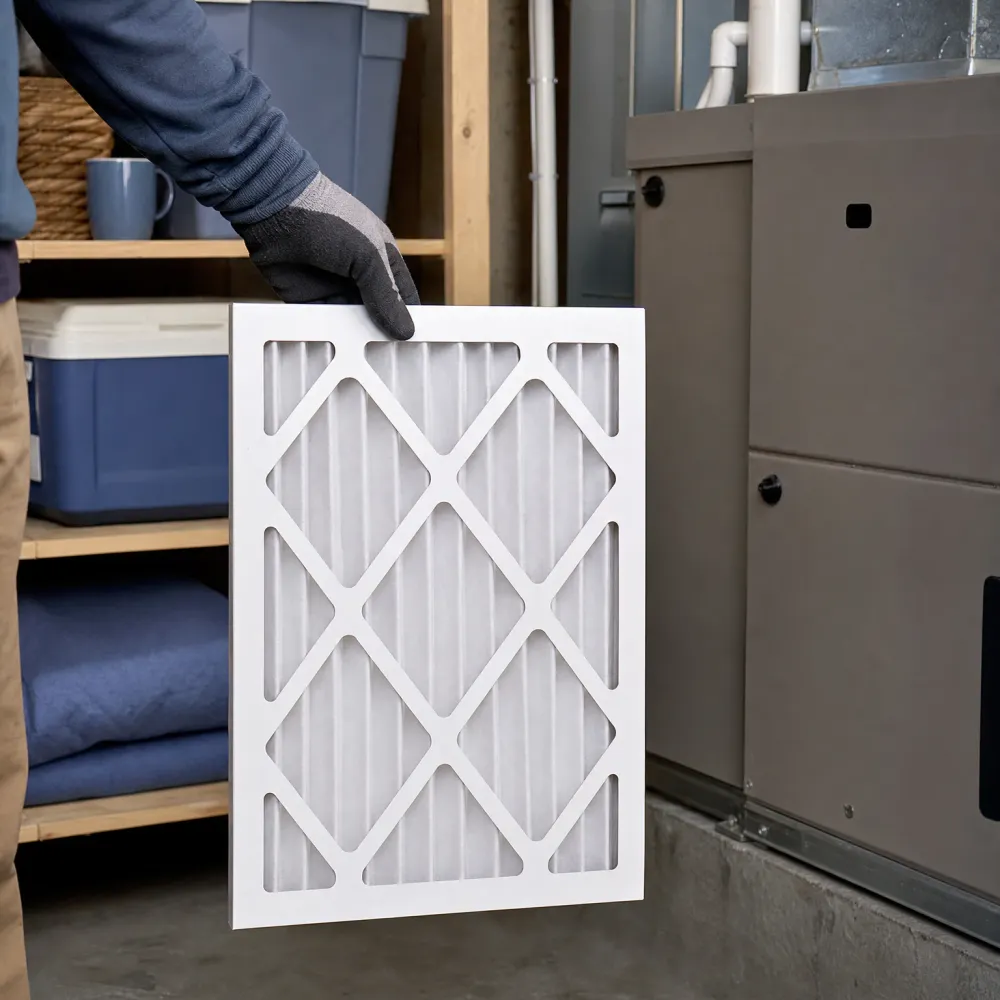
    A gloved hand holds a white pleated air filter in front of a furnace in a basement or garage with shelving and storage bins in the background.
  • Fast, strong heat on demand

    The air coming from the vents feels genuinely hot. That's welcome on a freezing morning.

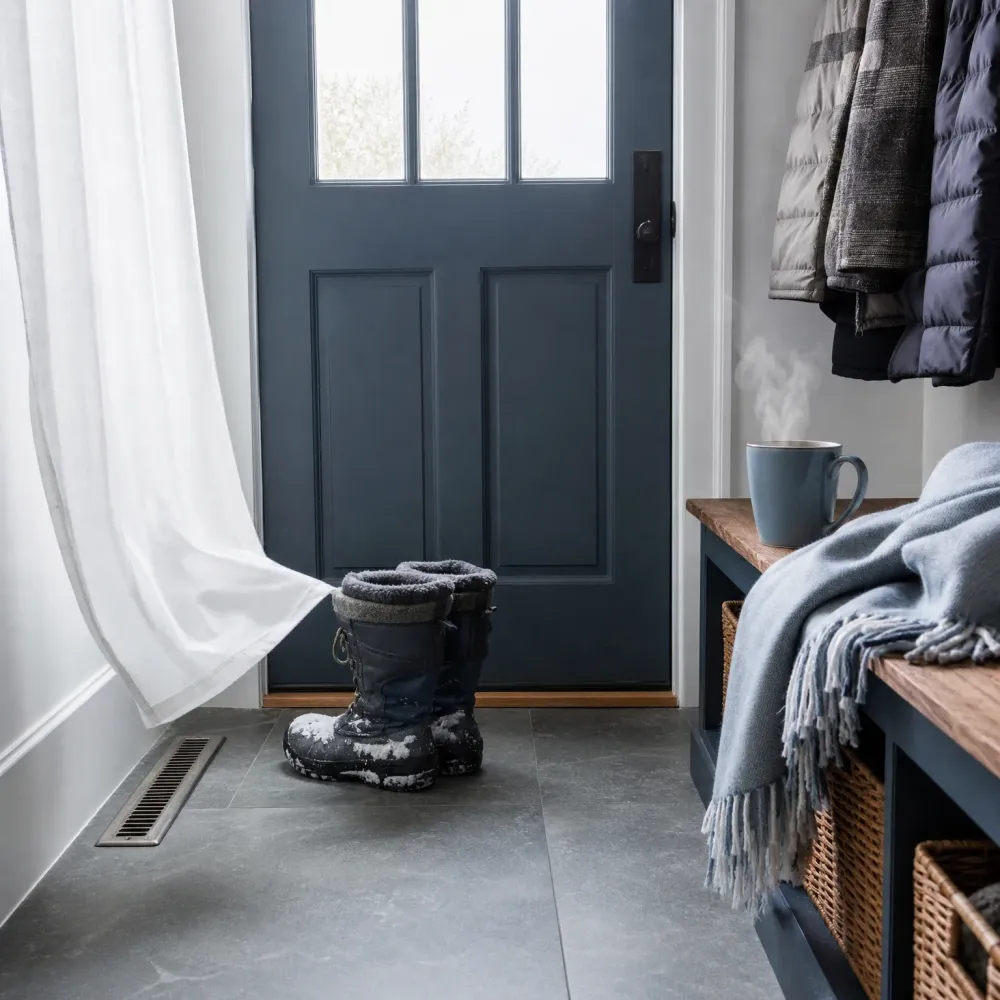
    Entryway with a dark blue-gray paneled door, snow-covered winter boots on gray tile, a floor vent, a sheer white curtain, a wooden bench with a blue fringed blanket and wicker baskets, a steaming mug, and coats hanging on the wall.

Your winters here don't ask much of a heat pump

Winter here is mild. The overnight low averages 36°F across December, January and February, and the heat only runs about five months, November through March. A heat pump works hardest when the air outside is coldest, and that air rarely gets truly cold here. It falls to freezing or below on about 55 nights a year, under half the nights in the heating season. The rest of those nights, a heat pump is doing easy work.

That's why it costs less to run. At South Carolina's prices, a heat pump makes the same heat as a gas furnace for about 7% less, $1.90 against $2.05 per 100,000 Btu. A furnace burns gas at 80 percent efficiency no matter how mild the night is outside. A heat pump moves heat instead of burning fuel for it, and on most nights here, that's the cheaper way to stay warm.

A furnace has nothing to do the other seven months of the year. It only heats, and heating is five months of your year here. A heat pump runs the other side of the house too.
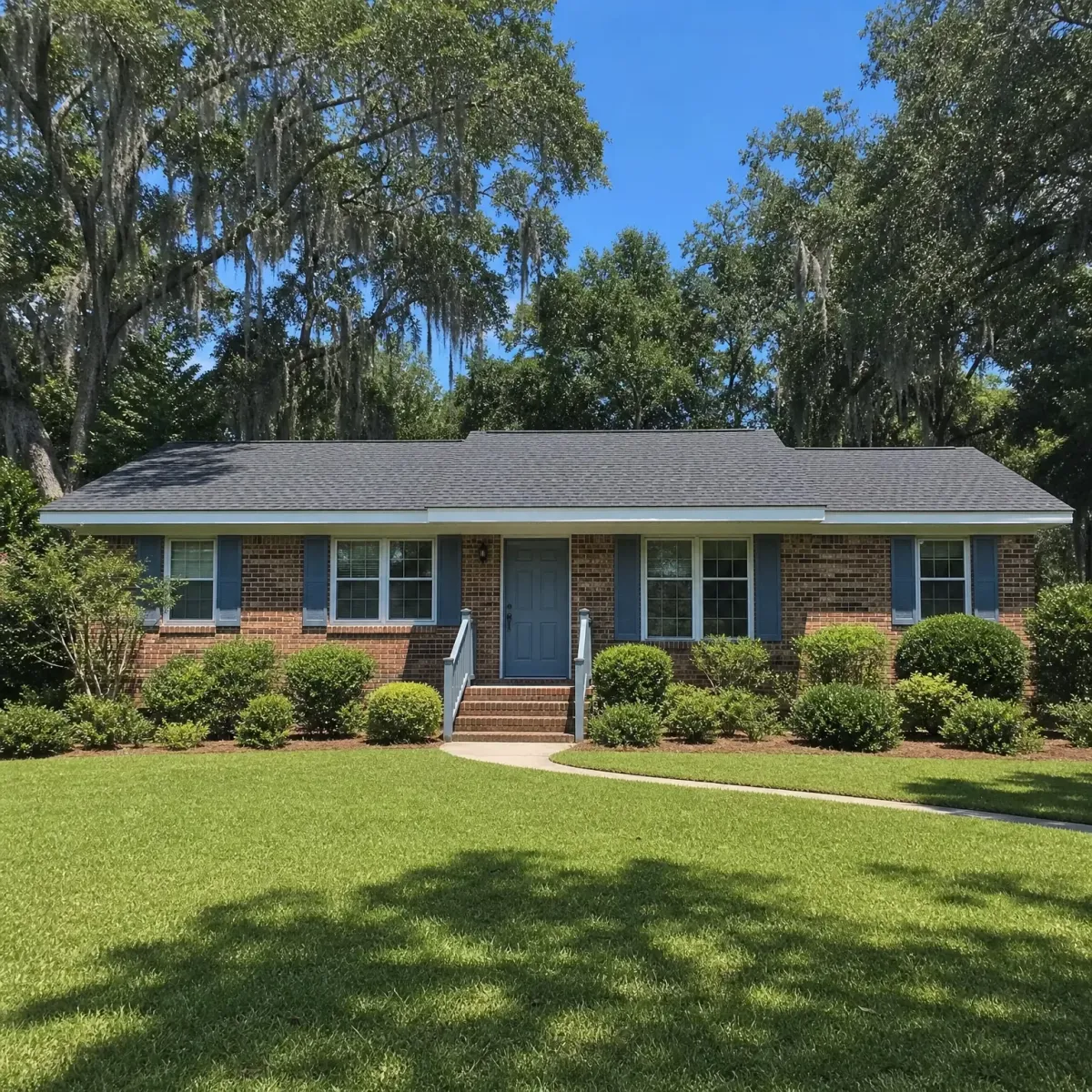
Single-story brick ranch house with gray shingled roof, blue front door and shutters, trimmed shrubs along the foundation, a curved concrete walkway, and a mown lawn with large moss-draped trees behind.

The same machine runs your air conditioning

Cooling here runs about as long as heating does, May through September against November through March, so neither season is the exception you're building around. A heat pump is also your air conditioner. It covers the 80 or so days a year that reach 90°F or above with the same equipment that heats your house in winter, so you're choosing one system for both jobs instead of two.

A furnace only ever does one of those jobs. Pair it with central air and you still have two pieces of equipment, two things to service, two things that can fail on their own schedule.

Three out of four homes in Edgefield County already heat with electricity, and a little over one in ten use utility gas. If your house isn't already piped for gas, a furnace means adding that before it means adding heat. If it is, the choice comes down to what's above: a heat pump costs less to run and handles your summers too, and a furnace gives you strong heat on demand on the roughly 55 nights a year that actually reach freezing here.

Sources: NOAA nClimDiv · NOAA 1991–2020 seasonal normals · Census ACS 2020–2024 · EIA SEDS 2024 · 10 CFR 430.32

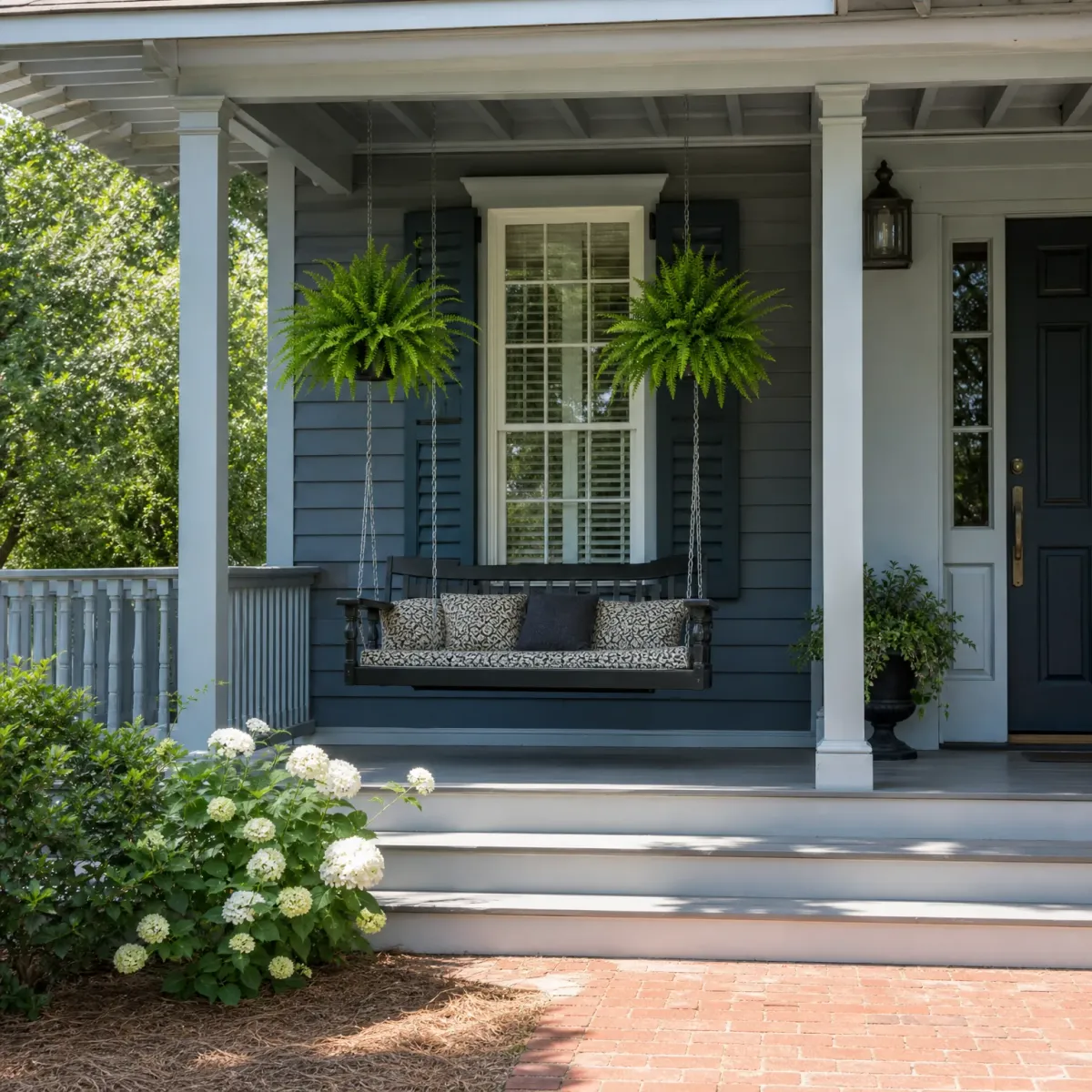
Front porch of a blue-gray clapboard house with white columns, a hanging wooden porch swing with patterned cushions, two hanging ferns, a dark front door with sidelight, and white hydrangeas beside brick-paved steps.

Common questions about heat pumps and furnaces

  • Will a heat pump keep my house cool enough here?

    Yes. A heat pump is a central air conditioner in the summer, running on the same equipment that heats your house in winter. Edgefield County sees about 80 days a year at 90°F or hotter, and the heat pump handles that the same way any central AC does.

  • Can I keep my furnace and add a heat pump?

    Yes, that pairing is called a dual fuel system. The heat pump carries the heating load most nights, and the furnace switches in on the coldest ones, around 55 nights a year here when it drops to freezing or below. You get the heat pump's lower running cost most of the winter and the furnace's output on the nights that call for it.

  • What if my house doesn't have a gas line?

    You're not missing much. Gas heats about one in ten homes in Edgefield County, so most houses here already heat with electricity, and a heat pump is what that usually means. It costs less to run than resistance heat, since it moves heat instead of generating it, and it covers your summer cooling too.

  • Is a heat pump cheaper to run than a furnace in Edgefield County?

    Yes, by about 7%. At South Carolina's prices, a heat pump makes the same heat for $1.90 per 100,000 Btu against $2.05 for a gas furnace. Your winters here are mild enough, with overnight lows averaging 36°F, that the heat pump isn't working hard to earn that number.