






A red brick single-story house with a covered porch and a nearby cream-colored house with a wraparound porch, seen across a lawn behind a trimmed hedge, framed by large moss-draped oak branches.

Heat Pump Maintenance in Edgefield, SC

Tell us about the job

Takes about a minute. No obligation.

Tune-up, service, or cleaningHeat PumpEdgefield County, SC
Step 1 of 2

What ZIP code is the job in?

Edgefield County logged 99 severe weather events between 2015 and 2024, and most of those were damaging wind. Your heat pump's outdoor unit sits outside year round and takes the brunt of that. Hail has gotten in on it too, enough to bend a fin or crack a fan blade without leaving a mark you'd notice from the window. Tornadoes and tropical storms have come through the county as well. A technician checking the coil, fan and refrigerant lines can catch damage from a storm you've already forgotten about.

A dirty filter starves the system of airflow, and the coil behind it has to work against that.

Check the filter every month. A clogged drain line backs up next, and that's the leak that shows up on your ceiling.

One visit a year covers what this county's weather does to a heat pump

Half the homes here were built by 1988
Climate zone 3A
Power costs 14.23 cents a kWh statewide
April is the month before this heat pump goes to workHomes here run cooling May through September, so April is the month to get the heat pump checked.

Get the outdoor unit looked at before storm season builds, not after. A technician can spot a bent fin or a cracked blade while it's a small fix, and catch it before it strains the compressor. Worth asking what happens to the system if the power goes out. Nearly half of South Carolina households lost power for a day or more last year, and a heat pump that comes back on wrong after an outage won't announce it right away. Have the breaker and startup checked along with the coil.

Check it before storm season

Storm season beats up outdoor units here. Have it checked for damage and debris before you need it.

Find a contractor
A man in a dark cap, gray T-shirt and brown work pants walks up porch steps toward a dark front door, carrying a canvas tool bag filled with tools, with a potted shrub beside the entry.
A gray outdoor HVAC unit mounted on a concrete pad beside a house with gray lap siding and a stone foundation.

Running in both directions, all year, leaves nowhere to hide a small problem

A heat pump runs on both sides of the year, heating and cooling, so it never gets a season off to coast through. The compressor, the reversing valve, the outdoor fan motor all see work no matter the month. Skip maintenance and airflow is the first thing to go. A dirty coil or a weak fan can't move heat the way they're supposed to, so the system runs longer to do the same job, and the compressor carries that extra load with no backup part to lean on. Refrigerant also drifts low over time from a slow leak most owners never see or smell. A system running low on charge works harder and wears faster without ever throwing up an obvious sign. A yearly check catches the coil before it's caked, the charge before it's low, and a loose electrical connection before it takes something else down with it.

The reversing valve gets checked while it still moves freely

The reversing valve is what switches a heat pump between heating and cooling, and it only moves when it's told to. A valve that's starting to stick still works today. A technician can catch the early drag before the system gets stuck in one mode.
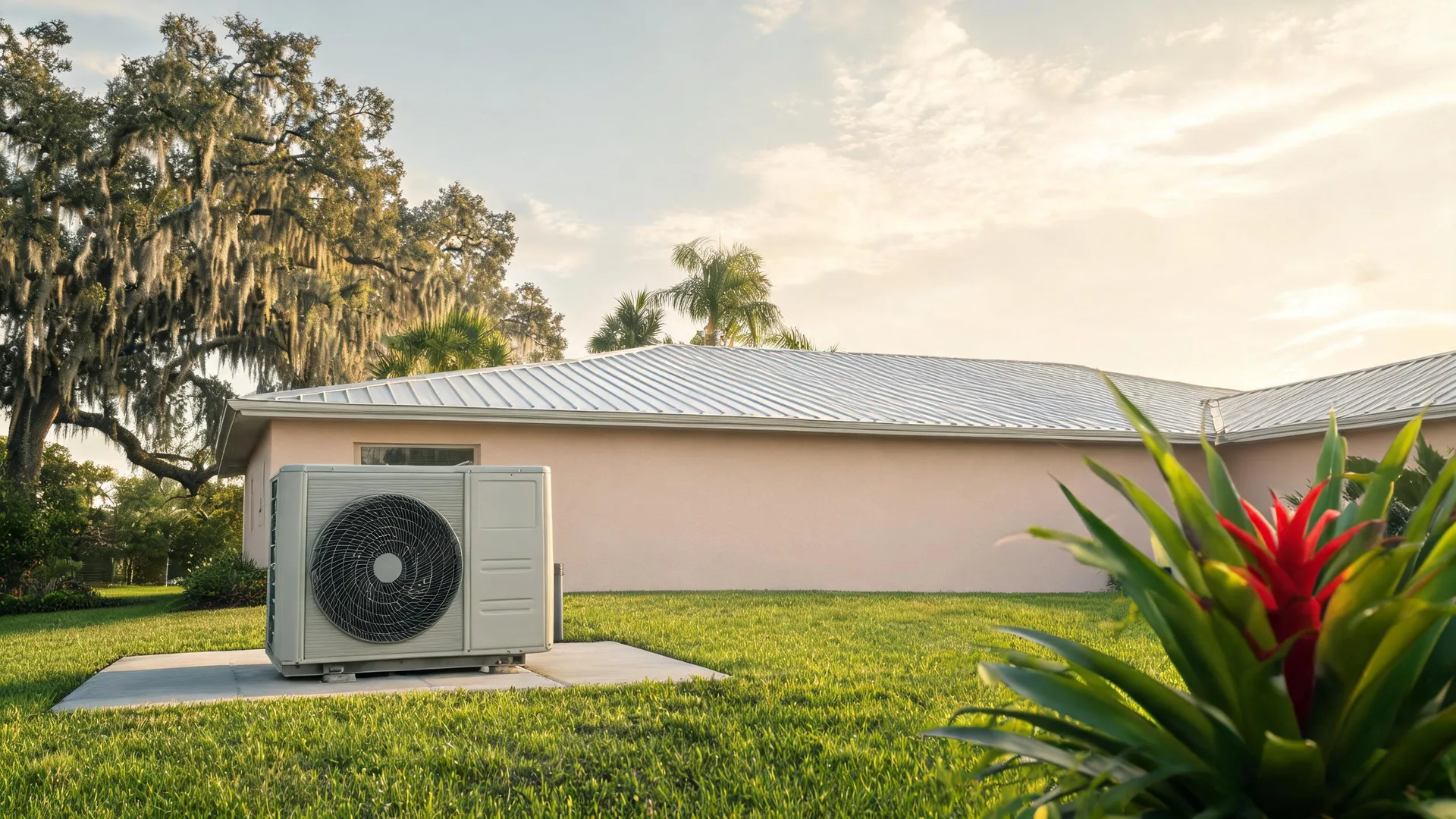
Contactor points wear down without ever failing all at once

The contactor sends power to the outdoor unit every time it cycles on. Each start pits the contact points a little more. A technician checking the contactor can catch that wear before it leaves the compressor unable to start.

A quick visit gets you a glance at the outdoor unit and a filter swap. A thorough one gets you numbers. The technician should check refrigerant charge against what the system calls for, not just eyeball the lines for frost. They should pull the panel and check the contactor points and capacitor instead of listening for a bad hum. The reversing valve should get tested in both directions, not assumed fine because the system is blowing cold or warm right now. Coil cleaning means the coil fins, not just a rinse of the cage around them. If the visit takes less time than it takes to explain what was checked, something on that list got skipped.

Between visits, the filter is the one thing worth your own attention. A dirty filter chokes airflow and makes the whole system work harder than it should. Outside, keep the area around the outdoor unit clear. Leaves, grass clippings and anything stacked against it block the airflow it needs to move heat in or out. After a storm, a quick look for bent fins or debris caught in the cage is worth the walk outside. Indoors, if you notice weak airflow from the vents or the system running longer than it used to, that's worth a call rather than waiting for the next scheduled visit.