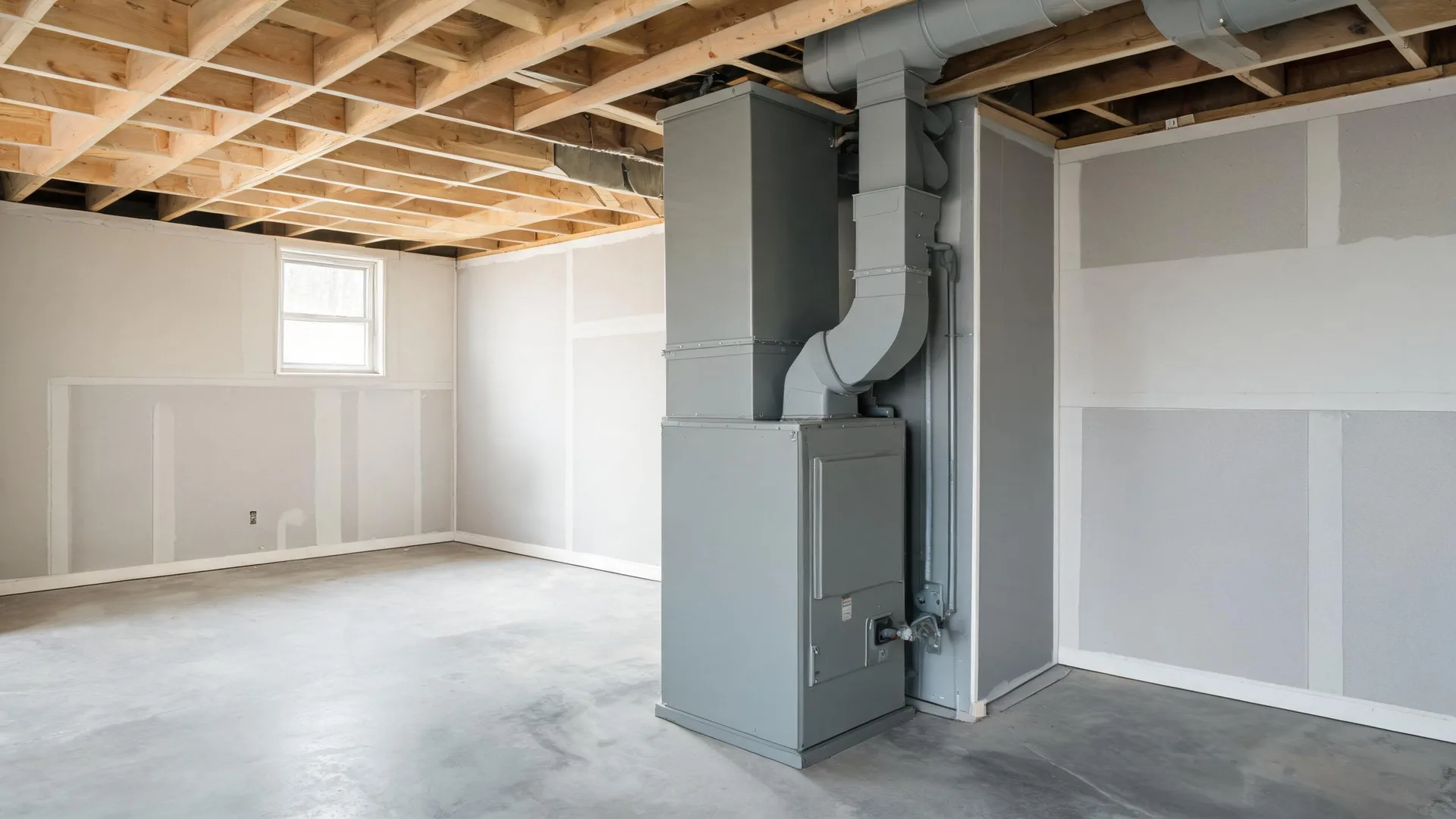
An unfinished basement featuring a forced-air furnace, exposed wooden ceiling joists, bare concrete walls, and miscellaneous items including cardboard boxes and coiled cables on the floor.

Furnace Installation in Hartsville, SC

Tell us about the job

Takes about a minute. No obligation.

New system or replacementFurnace or heatingDarlington County, SC
Step 1 of 2

What ZIP code is the job in?

Weather here is hard on outdoor equipment

Darlington County logged 159 severe weather events between 2015 and 2024, damaging wind and hail among them. A furnace install usually means touching the outdoor condenser or heat pump too, and where that unit sits and what shields it from wind-blown debris is worth deciding now, not after a storm.

Power cuts mean heat cuts

Almost half of South Carolina households went a day or more without power in 2024. A new furnace still needs electricity for its igniter and blower even if it burns gas, so losing power means losing heat. Worth asking about a transfer switch or backup power while the furnace is being installed, not as an afterthought later.

5 months
November through March, your furnace is on duty
35°F
the average winter night it heats against
80% AFUE
the federal minimum any new unit must meet
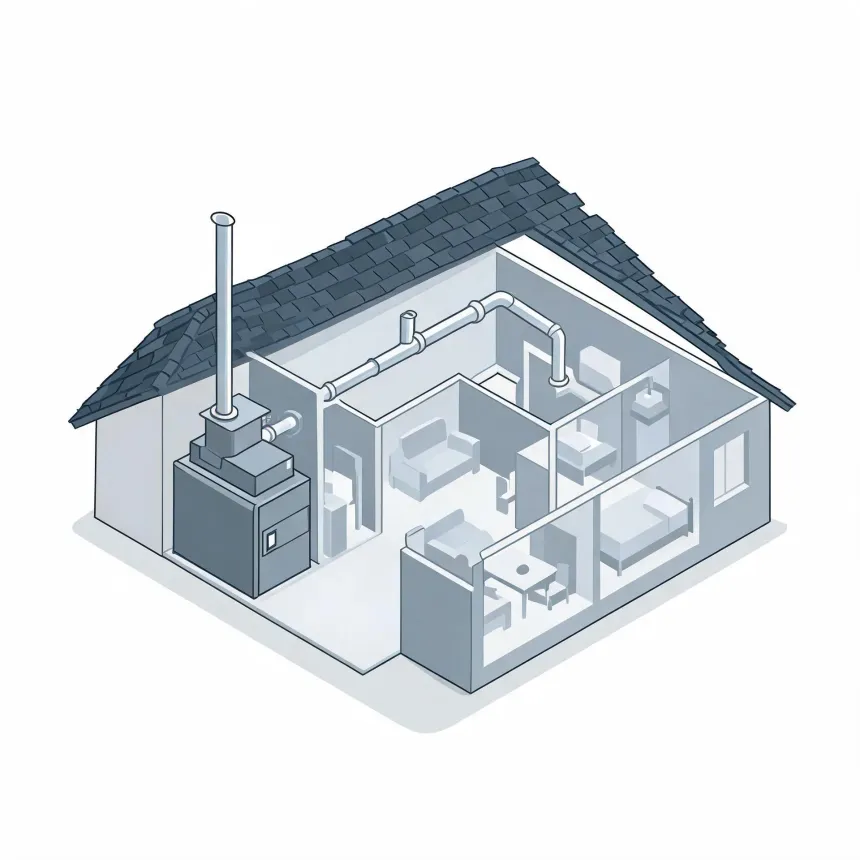
Isometric cutaway illustration of a single-story house showing interior rooms with furniture, ceiling ductwork, and a large furnace unit with a tall flue pipe in a corner room.
Your furnace works hardest from November through March.

NOAA nClimDiv, 1991–2020 normals

Electricity heats 88.9% of homes in Darlington County.

Most furnace installs here are electric furnaces or heat pumps, so matching what the house already runs on keeps the job simple.

Get a furnace installed before November, not after the first cold snap

Heat runs November through March
Winter nights average 35°F
Climate zone 3A
A standard furnace fits most Hartsville homesHalf the homes in Darlington County were built in 1984 or earlier, half in 1984 or later, and standard sizing works fine either way

Furnace here only has to work about five months of the year, November through March. Overnight lows average 35°F through December, January and February, which is cold but not extreme. That's a short, moderate season by most standards, and it means the furnace going in won't be worked hard. A mid-range system sized right for the house will keep up fine. Where the money matters more is in picking equipment that holds up and starts reliably, not in paying for the highest efficiency rating on the shelf.

A standard furnace is the right call for Hartsville

Electricity here runs $41.71 per million Btu, and a standard furnace sized right for the house will keep that bill in check without paying extra for a rating this climate doesn't call for. Get the sizing and equipment right now, while it's being installed.

Find a contractor
A gray high-efficiency gas furnace installed in an unfinished basement, surrounded by gas lines, a condensate drain, and sheet-metal ductwork.

A high rating pays off on a furnace that runs hard, not one that barely works

That rating on the label is the AFUE number. It tells you how much of the fuel burned turns into heat in the house, and how much goes straight out the flue. A higher number means less waste on every cycle. It doesn't mean the furnace runs any less. The payback on a high-efficiency unit comes from racking up hours, burner cycle after burner cycle, season after season. A furnace that only runs part of the year doesn't get enough use to make that math work. Money is better spent on a furnace that starts every time and is sized right for the house. That's what keeps rooms warm and keeps the fuel bill reasonable, not the number stamped on the cabinet.

Sizing is a calculation, not a guess from square footage

A contractor works out furnace size from a heat loss calculation. That means square footage, but also window area, insulation levels, ceiling height, and how much outside wall the house has. Houses the same size can still need different size furnaces. Matching the old unit or eyeballing it is how you end up with the wrong one.

Oversized is its own problem, not a safety margin

A furnace too big for the house heats the air fast, shuts off, then kicks back on soon after. That short cycling wears out the igniter and the blower motor sooner than they should wear. It also leaves rooms farther from the furnace never quite warm, since the air stops moving before it reaches them. Bigger isn't a cushion. It's a different set of problems than running too small.

The old furnace doesn't get reused once it's disconnected. A contractor shuts off the gas line or power feed, disconnects the ductwork and venting, and hauls the unit out, usually the same visit as the new install. If it's a gas furnace, the flue or vent pipe often gets capped or replaced too, since a new furnace rarely vents the same way an old one did. Scrap haulers take the metal cabinet and components apart for the materials, so the unit itself doesn't go to a landfill whole. Any refrigerant or gas lines tied to the old system get properly closed off, not just left capped and forgotten behind the wall.

Install day starts with the old equipment coming out and the new furnace going in, but most of the day goes to the parts around it, not the box itself. Ductwork gets connected or adjusted to match the new unit's airflow, since a new furnace doesn't always move air the same way the old one did. The vent pipe gets run and sealed, because a leak there is a carbon monoxide risk, not just an inefficiency. Gas line gets connected and pressure tested before the burner ever fires. Once it's running, a contractor checks the temperature rise across the furnace, makes sure the blower speed matches the ductwork, and confirms the thermostat is talking to the right system. That testing is what tells you the install was done right, not just that the furnace turns on.