Heat pump vs furnace in Darlington County, South Carolina

Get My Quote

Pros who work in Darlington County

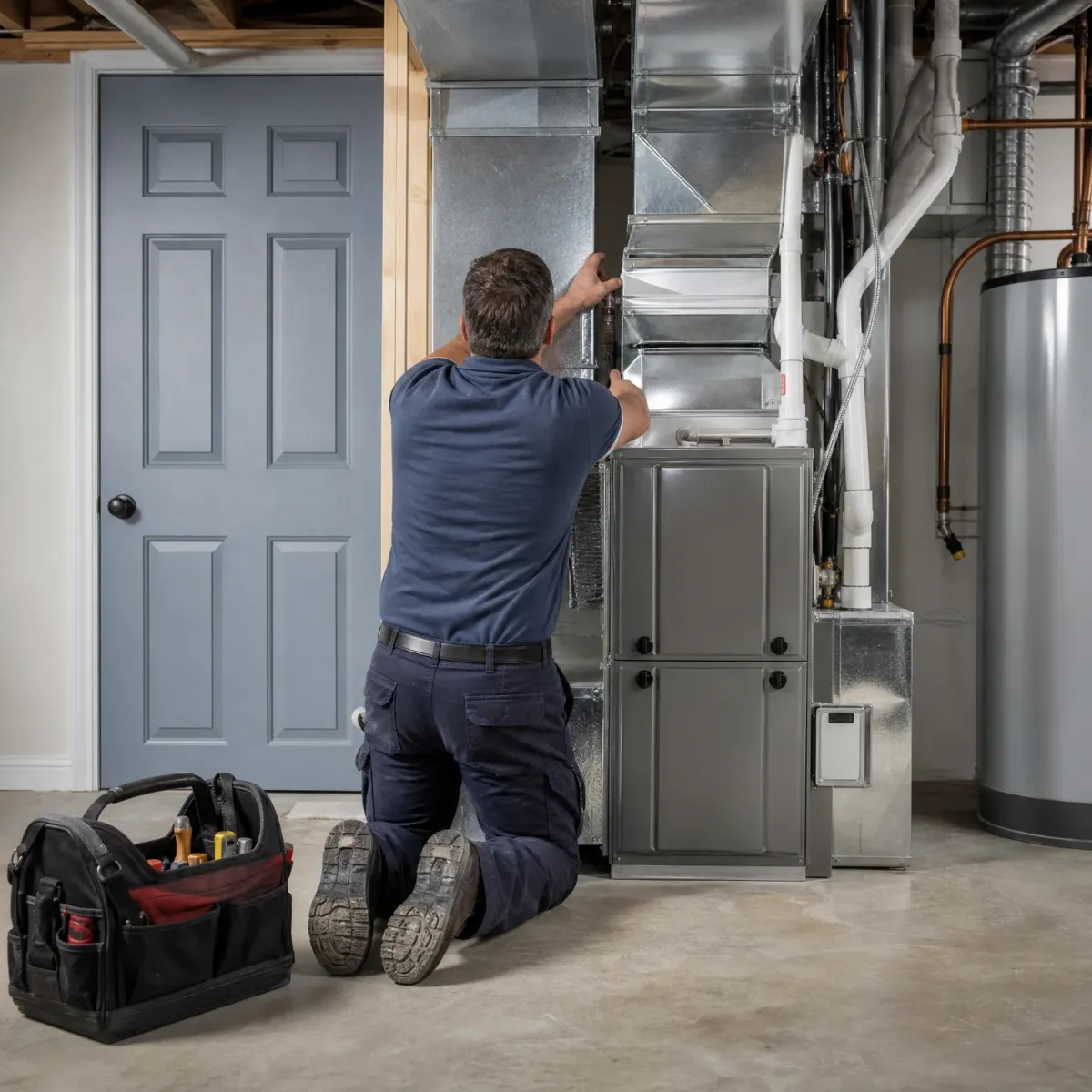
A man kneeling on a concrete basement floor works on sheet-metal ductwork above a gray furnace, with a black tool bag at left, a blue door behind him, and a water heater and pipes at right.

Tell us about the job

Takes about a minute. No obligation.

New system or replacementDarlington County, SC
Step 1 of 3

What kind of equipment?

Which costs less to run in Darlington County?

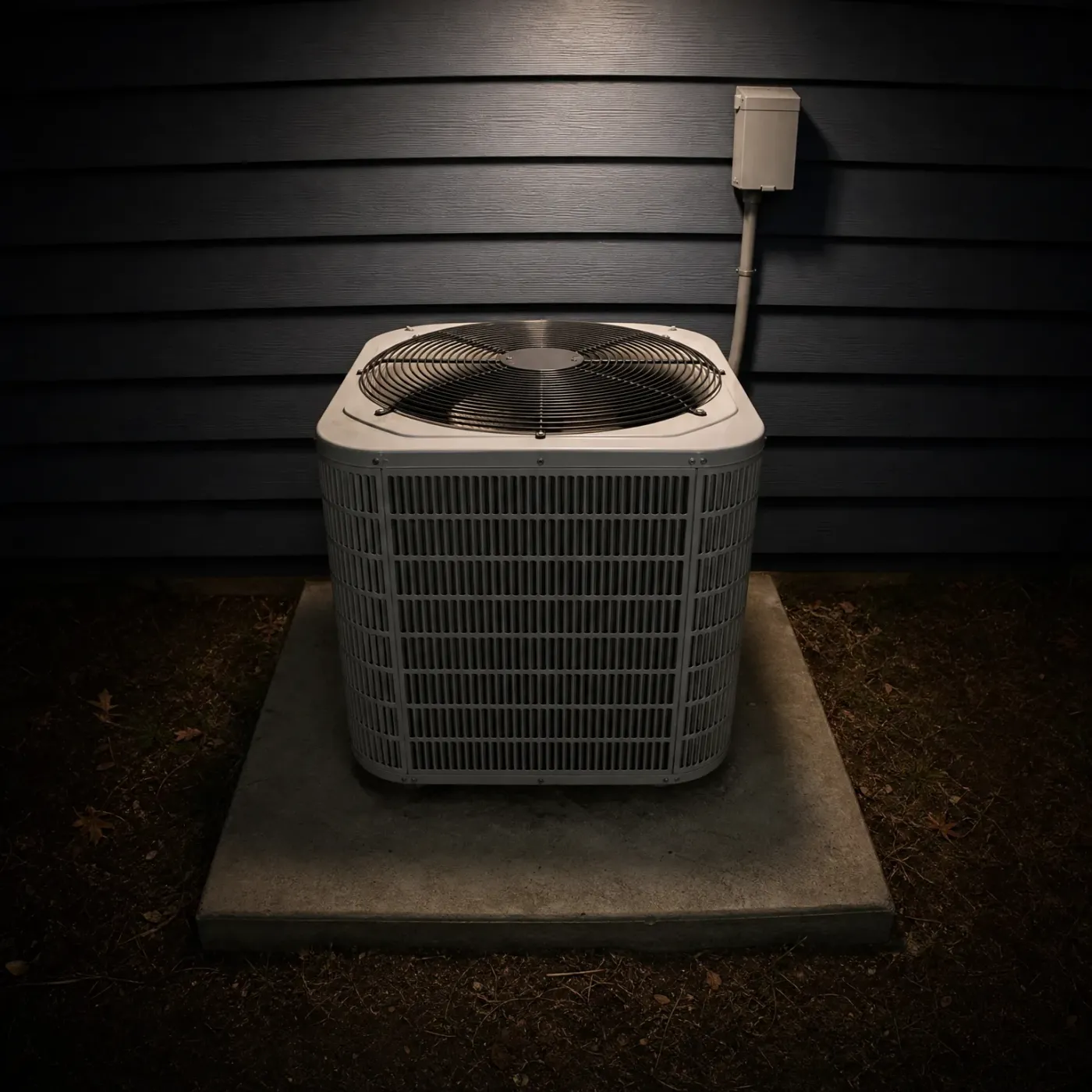
An outdoor air conditioner or heat pump condenser unit on a concrete pad against dark horizontal lap siding, with a conduit running up to a wall-mounted disconnect box.

Heat pump

To heat your home here$1.90per 100,000 Btu

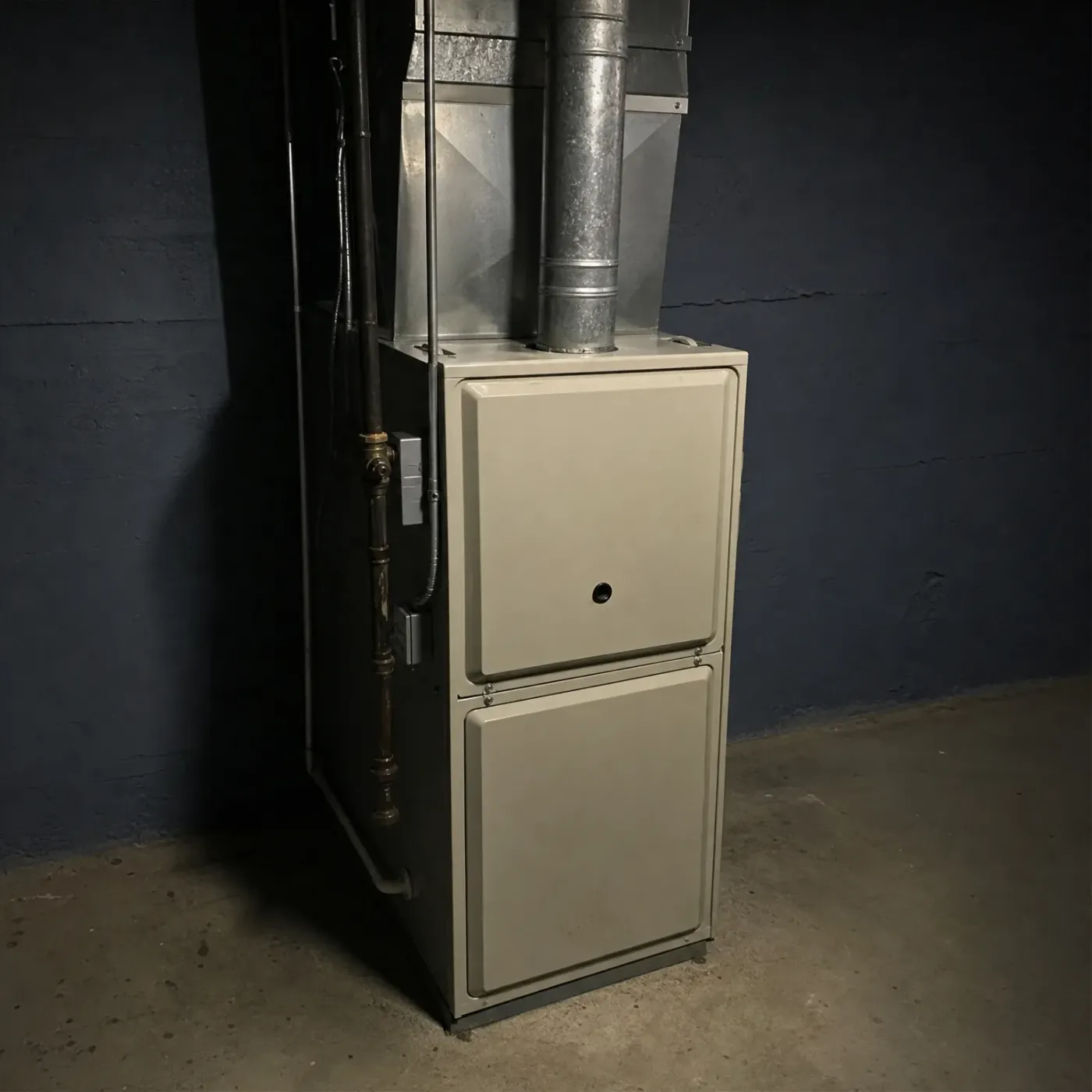
A beige two-panel furnace stands against a dark painted block wall in a basement, with galvanized sheet-metal ductwork and a round flue pipe above it and copper gas piping running down the left side.

Furnace

To heat your home here$2.05per 100,000 Btu

At South Carolina's gas and electricity prices, a heat pump makes the same heat as a gas furnace for about 7% less.

Btu stands for British thermal unit, the standard measure of heat energy.

Where does a heat pump shine?

  • Made for mild winters

    Winter nights in Darlington County average 35°F, mild enough that a heat pump can pull heat from that outside air all season without straining to keep up.

    Covered front entry of a dark gray clapboard house with white trim columns, a light blue six-pane door, a wall lantern, a potted small conifer, work boots on the granite porch, stone steps and a paver walkway, with frost on the surrounding grass and bare trees backlit by low sun.
  • Covers a long cooling season

    Cooling runs May through September here, most of the year's warm stretch. A heat pump handles that whole run and still heats your home when it turns cold, from the same unit.

    A covered porch with a wood plank ceiling and ceiling fan, a stone fireplace with a mounted flat-screen TV above a wood mantel, wicker seating with cushions and a blue throw, potted plants, a dining table with wicker chairs, and a glass of iced tea on a round side table.
  • No gas line, nothing burning in the house

    A heat pump runs on electricity alone. Nothing burns inside the house.

    A stainless steel whistling kettle sits on a black glass cooktop set into a white marble island, with navy cabinets, a stainless refrigerator, a cutting board, a bowl of green apples, and a vase of greenery by a bright window in the background.

Where does a furnace shine?

  • Fast, strong heat on demand

    The air coming from the vents feels genuinely hot. That's welcome on a freezing morning.

    An entryway with a dark glazed door showing snow outside, a sheer curtain, coats on hooks, a dark bench with a fringed blanket and mug, a wicker basket, and a pair of snow-covered brown winter boots on a rug over tile.
  • Proven, simple, easy to get serviced

    Gas furnaces have heated homes for generations. Almost every HVAC tech knows them inside and out.

    A gloved hand holds a white pleated air filter with a cardboard frame in front of indoor shelving holding a folded blanket, a pitcher, and storage boxes.
  • Pairs with any central AC

    The ductwork that delivers heat in winter delivers cool air in summer once an AC coil is added.

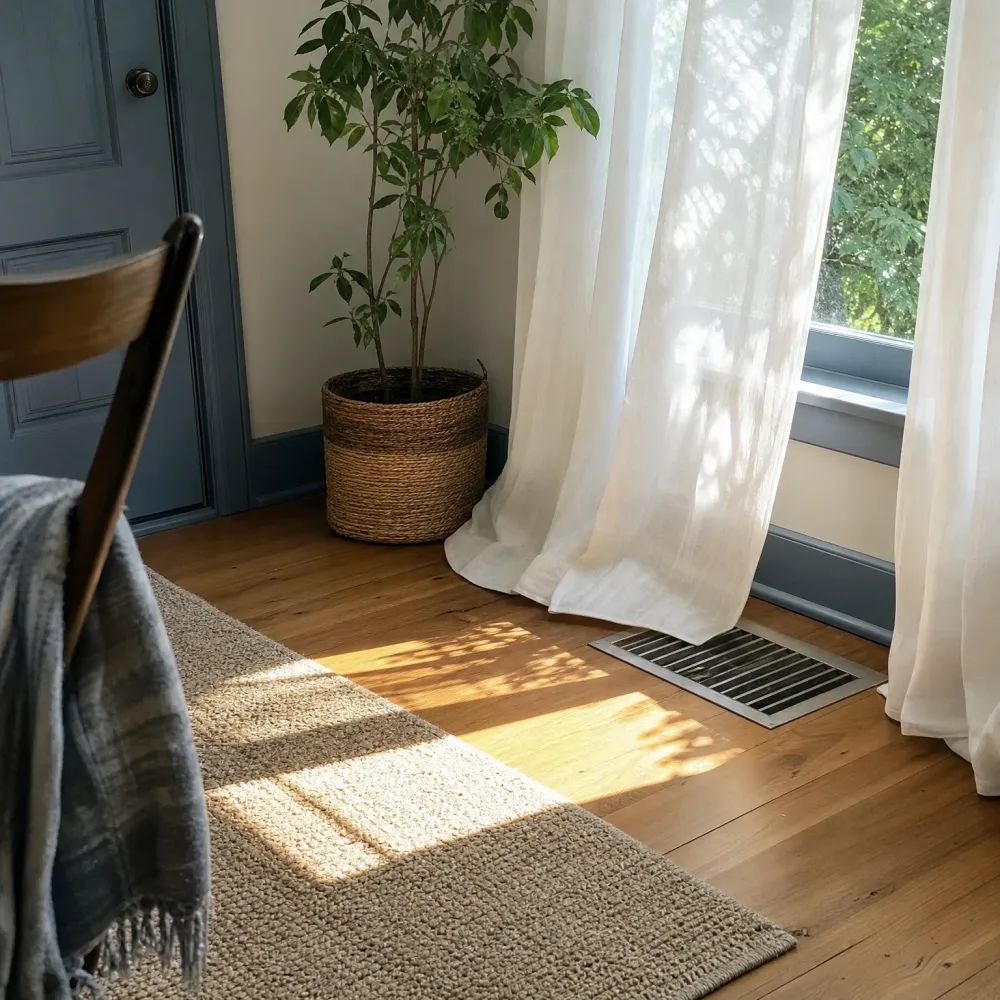
    A sunlit room corner with wood flooring, a floor air vent, a woven area rug, a potted plant in a wicker basket, sheer white curtains at a window, a blue door, and a wooden chair draped with a gray blanket.

A heat pump handles winters here

Your furnace runs about five months a year in Darlington County, November through March, and the overnight low over those months averages 35°F. That is mild as winters go. A heat pump does its best work in exactly this range, and most nights here sit well inside it.

The cold nights are the real question, and the answer is they are not that common. It drops to 32°F or below about 55 nights a year, and the heat only runs about 150 nights total. So under half the nights you need heat are nights at or below freezing. A heat pump built to the federal minimum keeps working through that range. It loses capacity as the temperature drops, which is why colder climates pair one with backup heat, but Darlington County's winter does not ask for that very often.

Cost follows the same pattern. At South Carolina's average prices, a heat pump makes heat here for $1.90 per 100,000 Btu against $2.05 for a gas furnace, about 7% less. That number already includes the coldest nights. It does not add anything for backup heat, because the facts here do not call for much.
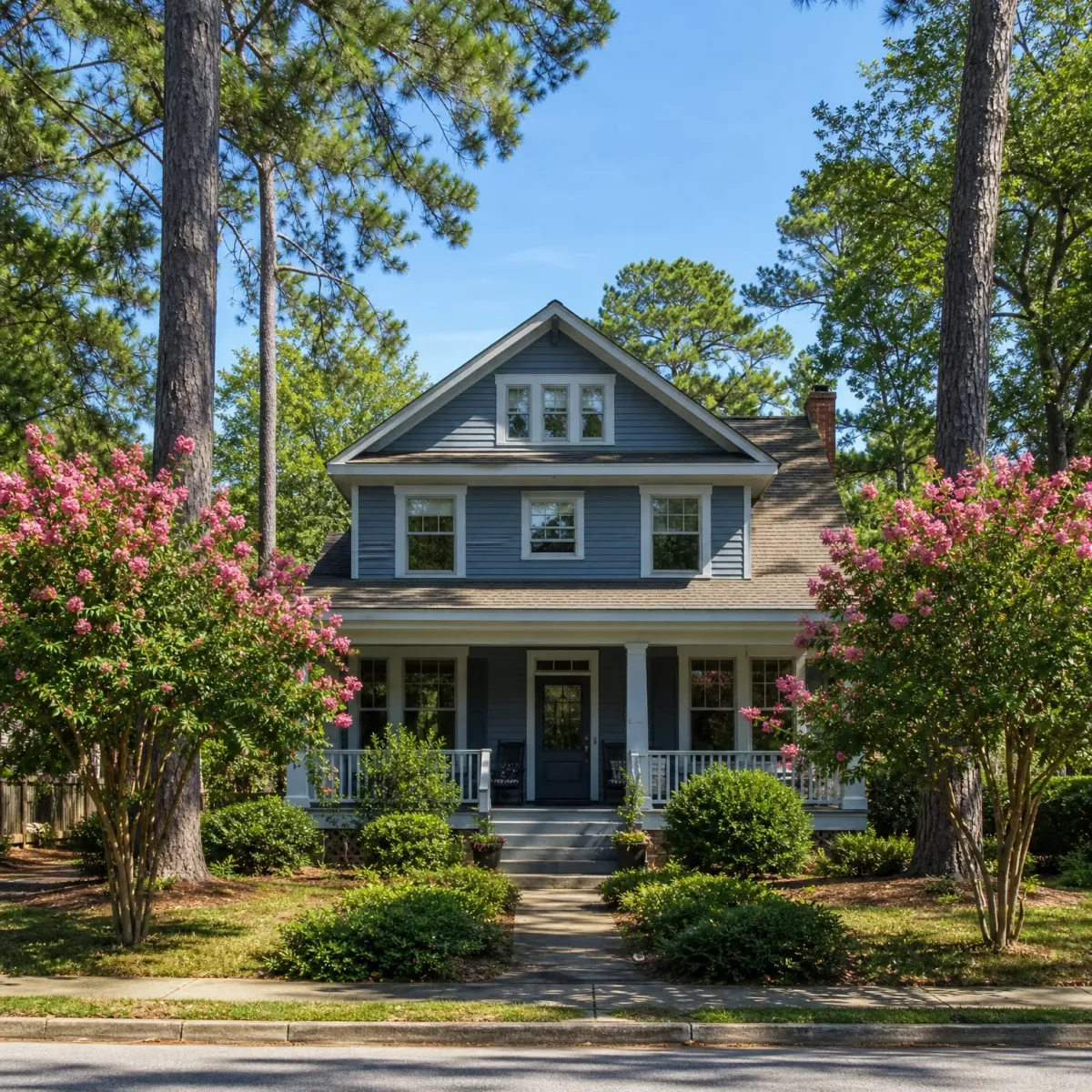
A two-story blue clapboard house with white trim, a covered front porch with columns and railings, and a gabled dormer, flanked by pink-flowering crape myrtles and tall pine trees, with a walkway leading to the street.

What the furnace gives up

A furnace only heats. Outside the five months it runs, it has nothing to do, and Darlington County's other seven months are given over to cooling, May through September, with afternoons hitting 90°F or above about 70 days a year. A furnace plays no part in any of that. A heat pump does. It is a heat pump and an air conditioner in the same box, running the same compressor both ways, so the money spent on it covers both seasons, not just the five months of heat.

That matters here because the two seasons run almost the same length, five months of heat and five of cooling. A furnace is only ever earning its keep half the year. The other half you are buying cooling separately no matter what you heat with.

Almost nine in ten homes in Darlington County already heat with electricity, and only about one in twenty use gas. That is not proof a heat pump is right for your house, since it does not say which of those electric homes have a heat pump versus baseboard or something else, and it does not say what your own house already has for ductwork or a gas line. If gas already runs to your furnace and your ducts and electrical are already set up around it, a furnace is still the simpler machine to replace like for like. But if you are deciding with no gas line to work around, the facts here favor the heat pump: cheaper to run, built for this winter, and working for you all year instead of five months of it.

Sources: NOAA nClimDiv · NOAA 1991–2020 seasonal normals · EIA SEDS 2024 · 10 CFR 430.32 · Census ACS 2020–2024

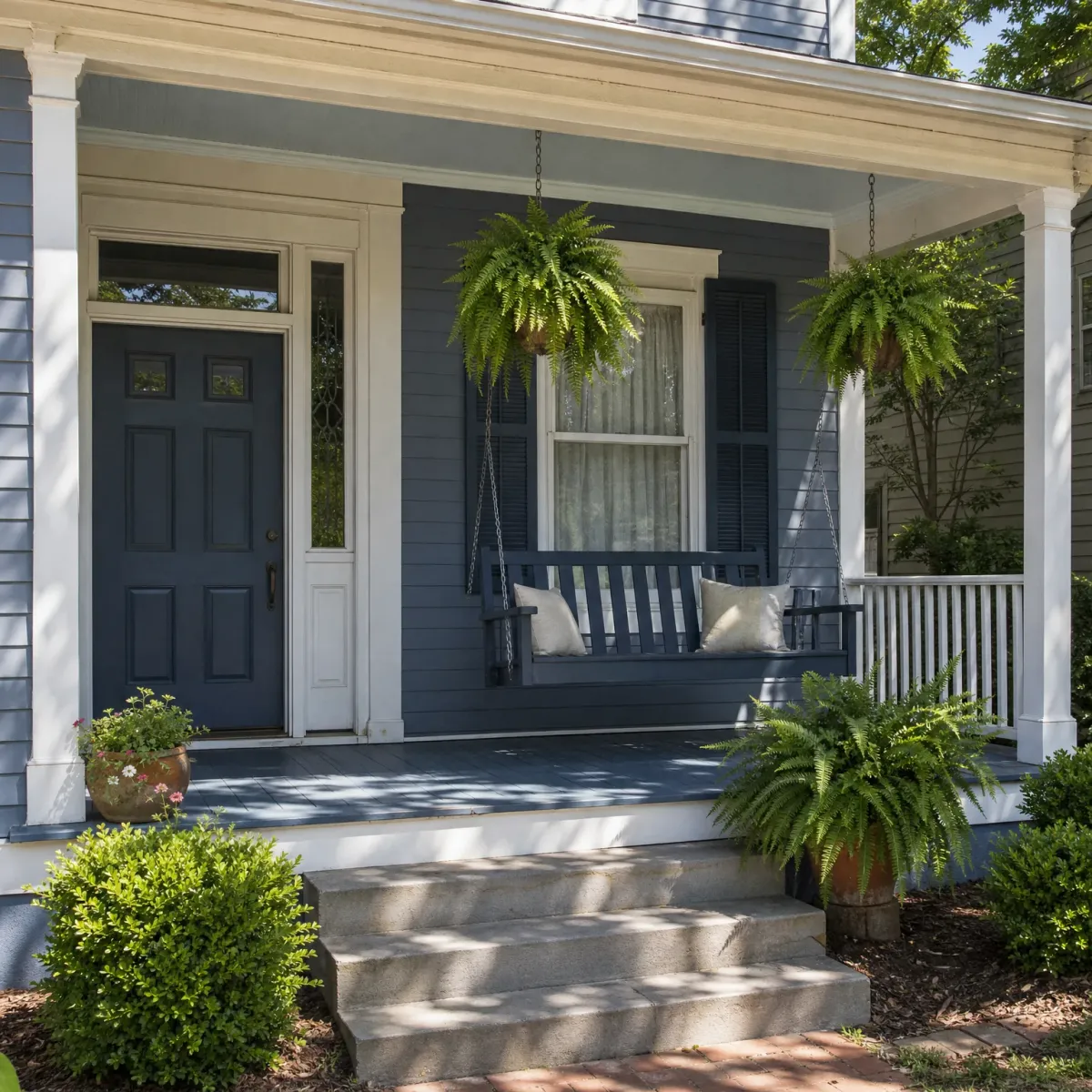
Covered front porch of a house with dark blue-gray horizontal siding, a navy paneled front door with sidelight, a matching porch swing with two white pillows, two hanging fern baskets, white columns and railing, potted plants and trimmed shrubs, and concrete steps leading up to the porch.

Common questions about heat pumps and furnaces

  • Will a heat pump keep my house cool enough here?

    Yes. A heat pump is a central air conditioner in the summer, built to cover the same five months of cooling your house already needs, including the roughly 70 days a year that hit 90°F or above. It cools the same way a standard AC does, through the same ducts and the same outdoor unit.

  • What if my house doesn't have a gas line?

    Most houses here already run on electric heat, not gas. Electricity heats about nine in ten homes in Darlington County, so a heat pump fits what's already running to the house. Propane or oil can fuel a furnace where there's no gas line, but both cost more to keep filled than the power a heat pump uses.

  • Is a heat pump cheaper to run than a furnace in Darlington County?

    Yes, a heat pump costs less to run here. At South Carolina's prices it makes the same heat for $1.90 per 100,000 Btu against $2.05 for a gas furnace, and that's without adding anything for backup heat on the coldest nights. Fewer than half the nights in heating season here even drop to freezing, which is where a heat pump works hardest to hold that edge.