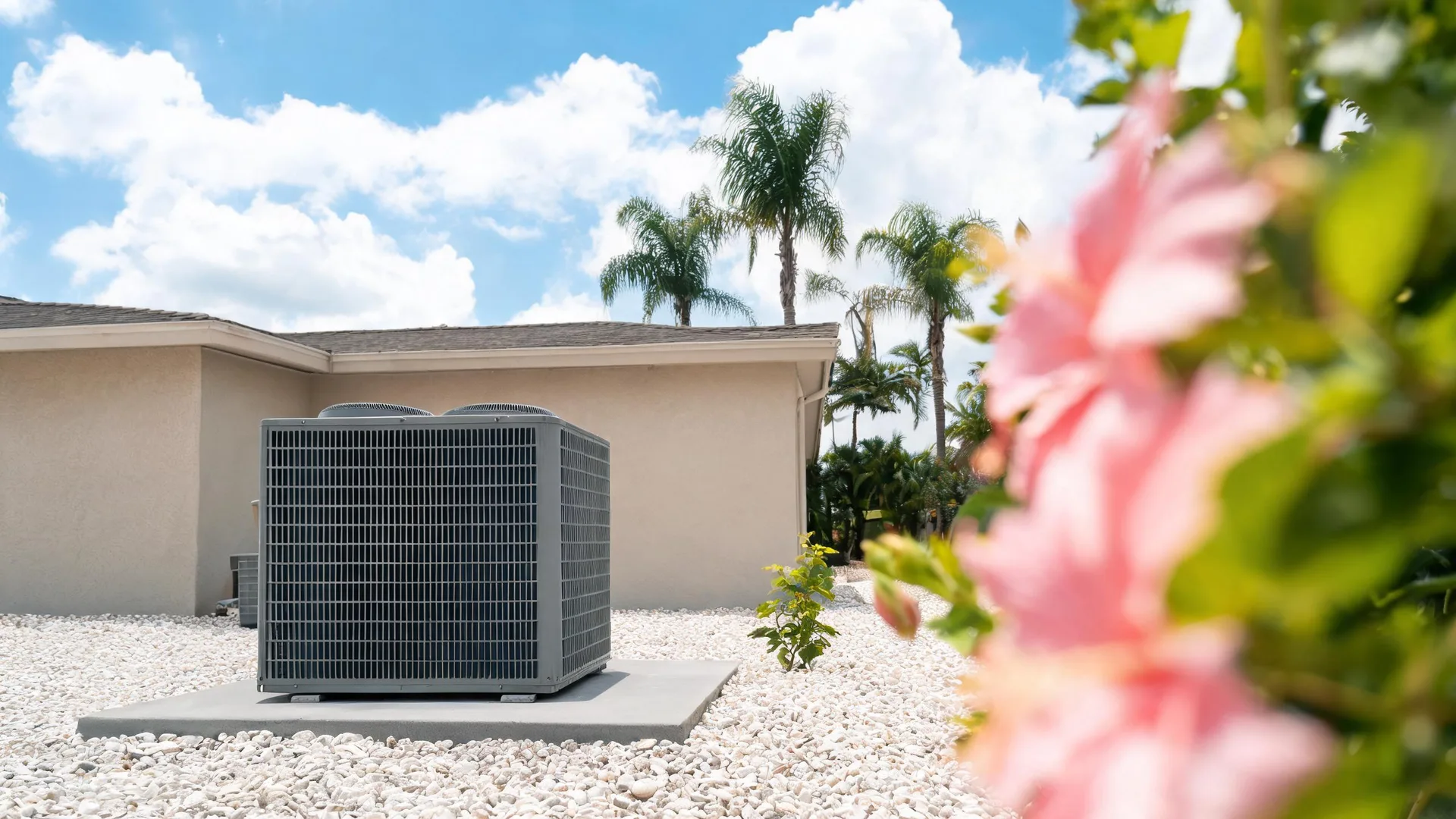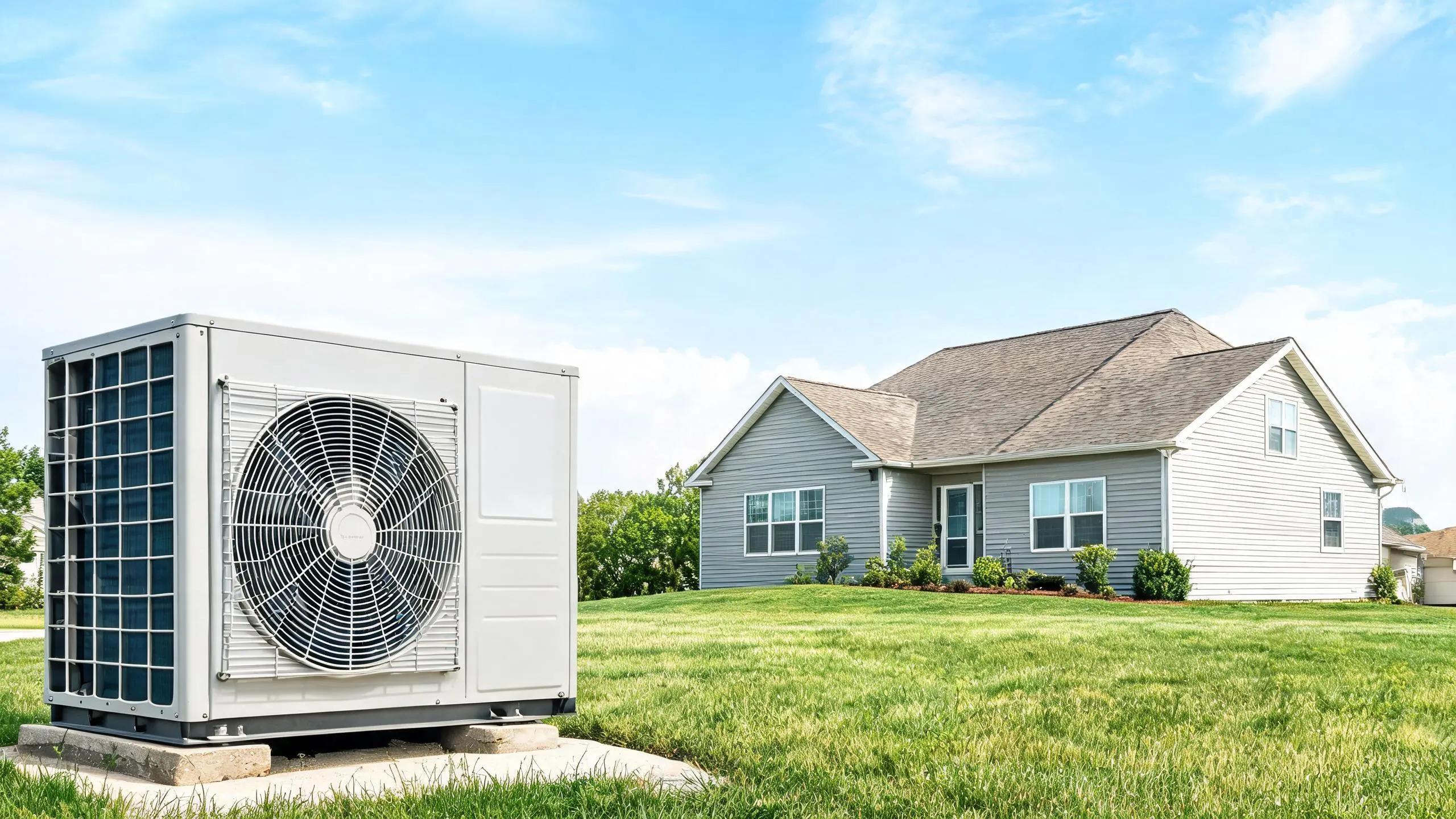
An outdoor HVAC condenser unit on a concrete pad in front of a single-story house with gray siding and a shingle roof.

Heat Pump Maintenance in Hartsville, SC

Tell us about the job

Takes about a minute. No obligation.

Tune-up, service, or cleaningHeat PumpDarlington County, SC
Step 1 of 2

What ZIP code is the job in?

A dirty filter works the whole system harder

When the filter clogs, the indoor coil gets less air moving across it. A heat pump can start icing up on that coil even outside the coldest weather. The outdoor coil has its own job to shed heat or pull it in, and if it's caked with dirt, grass clippings or pollen, the whole system loses capacity. It runs longer to make the same heat or cooling.


A clogged drain backs up where you can't see it

The drain line carries condensation away from the indoor coil. When it clogs with algae or dirt, that water has nowhere to go. It can trip a safety switch that shuts the system down. It can also back up into the pan and beyond it. Checking that line and clearing it is part of what keeps a maintenance visit from being just a filter swap.

Darlington County took damaging wind 129 times between 2015 and 2024.

A heat pump out here needs to be checked before it has to prove itself.

Homes here aren't new, so once a year keeps you ahead of the system's age

Half the homes here were built by 1984
129 damaging wind events from 2015 to 2024
Power costs 14.23 cents a kWh statewide

Heat pumps here run heat from November through March and switch to cooling from May through September, which is most of the year on one machine. October is the month to get it looked at, right before it has to start pulling heat out of cold air every day. April works the same way ahead of cooling. Catching a weak part in the off month means it gets fixed on a slow day, not during the first cold snap when the system is already working hard and a contractor is busy with everyone else's.

Check it before the season

It works hard here, so worn parts show up fast once the season starts. Get it checked before then.

Find a contractor
A man in a dark shirt and khaki pants, seen from behind, carries a worn leather bag as he climbs wooden porch steps toward a dark front door, with a potted shrub beside the entry.
A white mini-split heat pump outdoor unit mounted on a concrete pad beside a gray-sided house, surrounded by gravel and green shrubs.

Every outage is a test it has to pass

When wind knocks the power out, a heat pump has to come back and run right away, not after someone gets around to looking at it. A maintenance visit before storm season catches the weak capacitor or the loose connection that a power cut would otherwise expose. Get it looked at before the wind does.

Refrigerant charge is never visible from outside

A heat pump running low on refrigerant can still blow air, just not enough heat or cold to keep up. Checking the charge means attaching gauges and reading pressures against what the system is supposed to carry. Low charge makes the compressor work harder and shortens its life, long before the house ever feels the difference.

The reversing valve only gets tested one way

The reversing valve is what switches a heat pump between heating and cooling. Most of the year it sits in one position, and there's no way to tell from inside the house whether it would actually shift when asked. A tune-up includes cycling the valve both directions to confirm it moves cleanly, not just that the system runs fine in whichever mode it already happens to be in.

A quick visit gets you a filter check and a glance at the thermostat. A thorough one gets you readings. The tech should hook up gauges and check refrigerant pressure against what the system is rated for, not just confirm that air is moving out of the vents. They should pull the cover off the outdoor unit and look at the coil fins, not just hose off what's visible from the yard. Electrical connections get checked for looseness and corrosion, because a connection that's barely holding on fails under load, not sitting idle. Ask what got tested, not just what got looked at. A filter swap and a walk-around is not the same visit as one where someone wrote down numbers and compared them to what the system is supposed to be doing.

A proper tune-up starts outdoors, at the unit itself, not just at the thermostat. The tech checks refrigerant pressure against the system's rating, because a heat pump can run low and still blow air without anyone noticing from inside. They check the compressor's amp draw, since a compressor working harder than it should will wear out before its time and nothing on the thermostat will tell you that. The defrost control gets tested too, the part that tells the system to clear frost off the outdoor coil in cold weather. If that control is misreading or stuck, the coil ices over and the heat pump loses its ability to pull heat from the air at all. None of this shows up in how the house feels on a mild day. It shows up the first morning the system actually has to work.