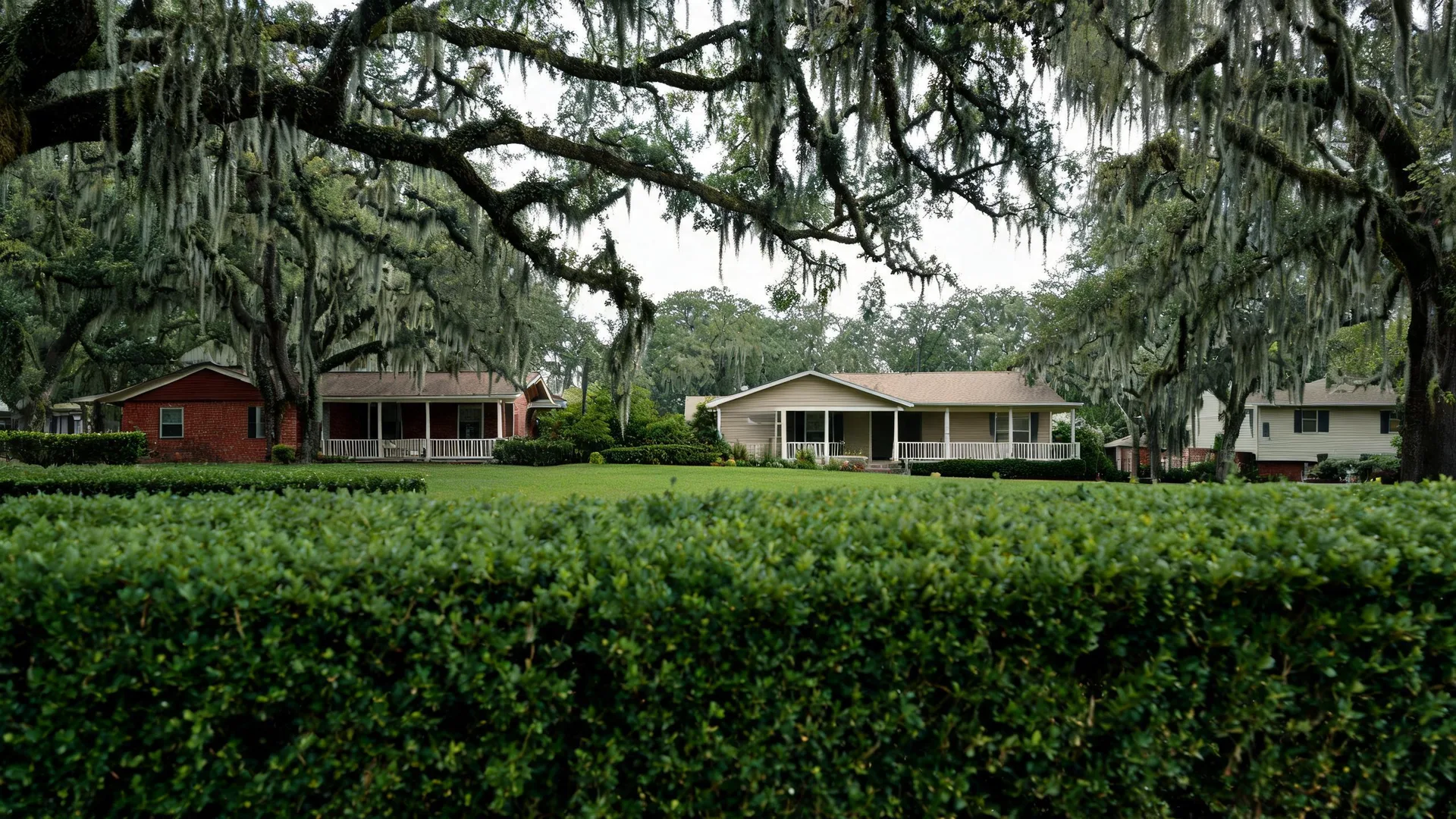





Single-story houses with covered porches sit behind a mowed lawn and a long trimmed hedge, framed by oak branches draped with Spanish moss.

Furnace Repair in Hartsville, SC

Tell us about the job

Takes about a minute. No obligation.

RepairFurnace or heatingDarlington County, SC
Step 1 of 2

What ZIP code is the job in?

Most furnace trouble traces back to a handful of parts. The igniter is the one that fails most often. It glows to light the gas, and that glowing wears it out over years of use, until one day it cracks or just won't heat up enough. A dirty flame sensor causes a similar problem, the furnace lights for a second then shuts off, because the sensor can't tell the flame is really there. The blower motor is another common one, especially when a filter's been left dirty too long and the motor has to work harder to push air through. Flame sensors and igniters are usually a straightforward fix. A cracked heat exchanger is the one that matters most, because at that point the furnace needs to be shut down rather than repaired around.

5 months
November through March, your furnace is on duty
35°F
the average winter night it heats against
3 winter storms
in ten years, the nights a failure hurts most
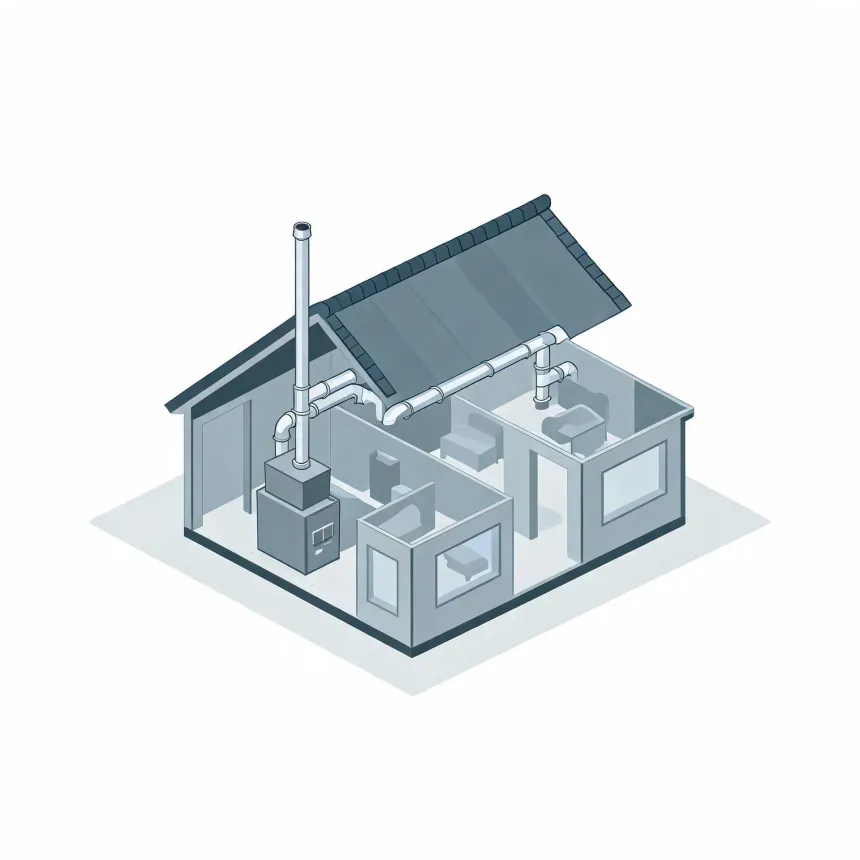
Isometric grayscale illustration of a cutaway house showing an interior furnace with a tall flue pipe and ductwork running to rooms under a partially lifted roof.
Your furnace works hardest from November through March.

NOAA nClimDiv, 1991–2020 normals

Furnaces in Hartsville only run about five months a year, November through March.

A furnace that sits idle most of the year usually still has some life left in it, worth putting a repair into.

Winters here are cold, not extreme, and that's what the furnace is built for

Heat runs November through March
Winter nights average 35°F
Climate zone 3A
Nothing unusual about Darlington CountyHalf the homes in Darlington County were built in 1984 or earlier, half since, and that doesn't change what's wrong with a furnace

Heat gets switched on in November here, and that first run is when a weak part usually gives out. A furnace sits all through spring and summer without starting once, and anything marginal in it, a failing igniter, a sensor coated in dust, just sits there untested. Then November comes, the thermostat calls for heat, and whatever was already going bad gets asked to work. October is a good month to have it looked at, before the system is leaning on it every day through the months that follow. A problem caught in October is a lot easier to deal with than the same problem showing up on a cold night in the middle of the season.

It's usually worth repairing

It has an easier job here than in most places, so your furnace is often in decent shape. Repair is usually worth it.

Find a contractor
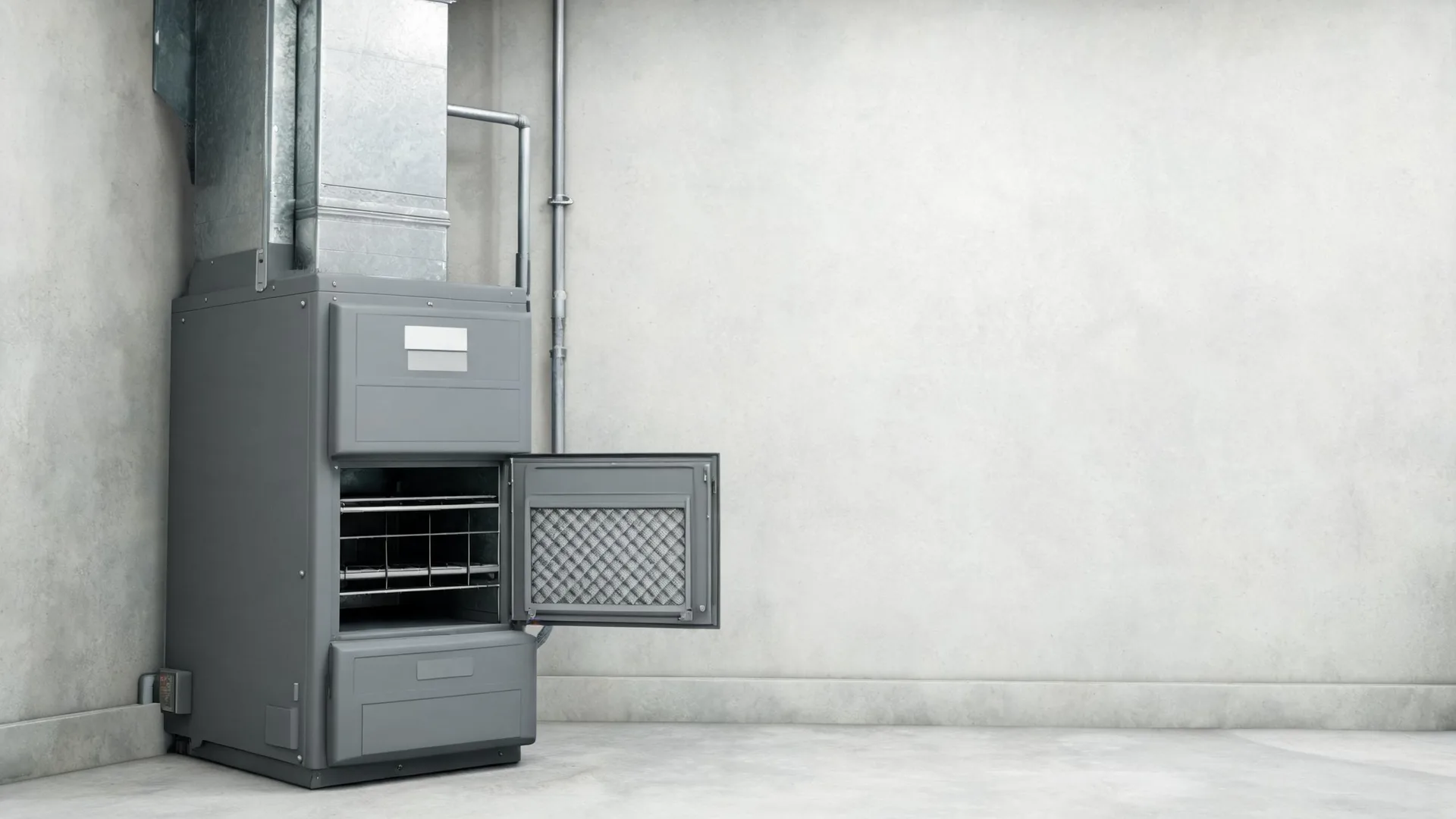
A gray gas furnace with attached ductwork and piping installed in an unfinished concrete basement.

A part that's already going bad doesn't hold steady, it gets worse

A furnace that's struggling still tries to do its job. An igniter that's cracking will keep firing until it fails completely, and each cycle it runs hot and uneven makes the crack worse. A flame sensor coated in residue will let the furnace relight over and over, and each failed attempt is a small surge of gas and a spark trying to catch. A blower working against a clogged filter runs hotter than it should, and that heat is hard on the motor's windings over time. None of these get better by waiting. The part that's already failing keeps failing a little more each time it's asked to run, until it quits for good or takes something else with it.

What you'll actually notice

A furnace in trouble doesn't usually quit outright. It clicks and clicks without lighting, or it lights and shuts off a few seconds later. The air coming out of the vents feels cooler than it should, or the house takes longer than usual to warm up. Sometimes it's a smell, a burning dust smell the first time it runs, or something sharper that doesn't go away. A rattling or screeching sound from the blower is worth paying attention to as well.
What to do once you notice it

A furnace that short cycles or won't stay lit has a part that's already failed, and running it in that state doesn't fix anything on its own. A burning smell that lingers past the first few minutes, or any smell of gas, means shutting the furnace off and getting it looked at before turning it back on. Catching trouble at the first sign is almost always a smaller job than catching it after the furnace has stopped working altogether.

A few things are worth checking before anyone comes out. Look at the thermostat first, make sure it's set to heat and the setting is actually above room temperature. Check the filter, a filter packed with dust chokes off airflow and can make a furnace shut down on its own well before anything else is wrong with it. Go to the breaker box and confirm the furnace's breaker hasn't tripped. If the furnace has a standing pilot, see whether it's actually lit. None of this fixes a cracked igniter or a dirty flame sensor, but it rules out the simple stuff before anyone opens up the unit.

A diagnostic visit starts with questions, not tools. What the furnace was doing, when it started, whether there was a smell or a sound. Then the panel comes off and the tech watches it run through a full cycle, because a lot of these problems only show up at one point in the sequence, the igniter glowing but not catching, the flame dropping out a few seconds after it lights. Readings get taken, the flame sensor's signal, the gas pressure, the amp draw on the blower motor, to find the one that's outside normal range. Once the bad part is found, a tech will usually show it to the homeowner before replacing it. The whole point is to find the actual failed part rather than guess and start swapping things.