




A grey heat pump outdoor unit mounted on a concrete pad against the exterior wall of a house with grey siding and stone veneer.

Heat Pump Installation in Hartsville, SC

Tell us about the job

Takes about a minute. No obligation.

New system or replacementHeat PumpDarlington County, SC
Step 1 of 2

What ZIP code is the job in?

Darlington County is zone 3A, warm with mild winters and summer that runs long. A split-system heat pump installed here now has to meet 14.3 SEER2 for cooling and 7.5 HSPF2 for heating. That's a floor, not a target, so any system a contractor proposes has to clear it before anything else about it matters. A federal tax credit is available on top of that for equipment that qualifies, worth asking about when comparing options.

5 months
November through March, your system heats
5 months
May through September, it cools
35°F
the average winter night it heats against
90°F
the average summer afternoon it cools against
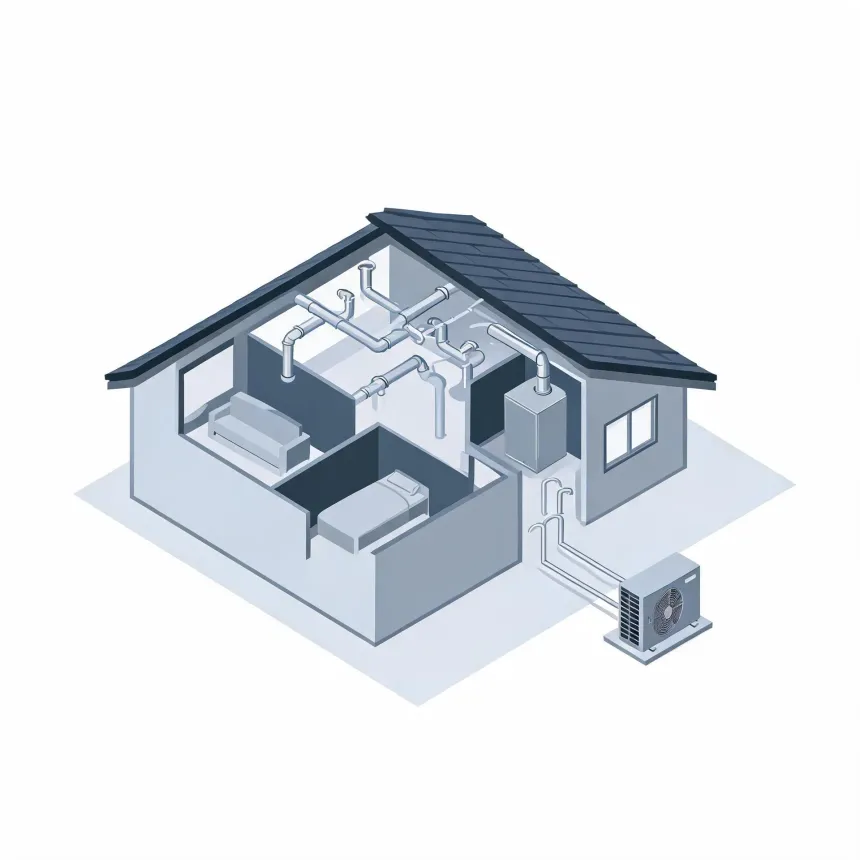
Isometric cutaway illustration of a small house showing ducted air distribution, an indoor air handler, and an outdoor condenser unit connected by lines, with a sofa and bed in the rooms.
Your system heats November through March and cools May through September.

NOAA nClimDiv, 1991–2020 normals

Electricity already heats almost 9 out of 10 homes in Darlington County.

A heat pump replacing electric heat means the same wiring and the same fuel, just a more efficient way to use it.

A typical home here doesn't need an oversized system

Half the homes here were built by 1984
Climate zone 3A
Power costs 14.23 cents a kWh statewide

Electricity in South Carolina ran 14.23 cents per kilowatthour in 2024, cheaper than in most of the country. That changes the math on which heat pump makes sense here. A high-efficiency model still uses less power than a standard one, but at this rate it takes longer to earn back the difference in cost. That doesn't make efficiency pointless, it just means it shouldn't be the only thing weighed. How well the unit holds up, how it performs when the grid is down, and how well it's sized for the house matter just as much as the efficiency number on the sticker.

Built for Hartsville weather, not just Hartsville summers

Darlington County took damaging wind 129 times between 2015 and 2024. A heat pump installed here has to hold up to that, not just run the summer heat and mild winters. Get it sized to the house and built to last, not just the cheapest bid.

Find a contractor
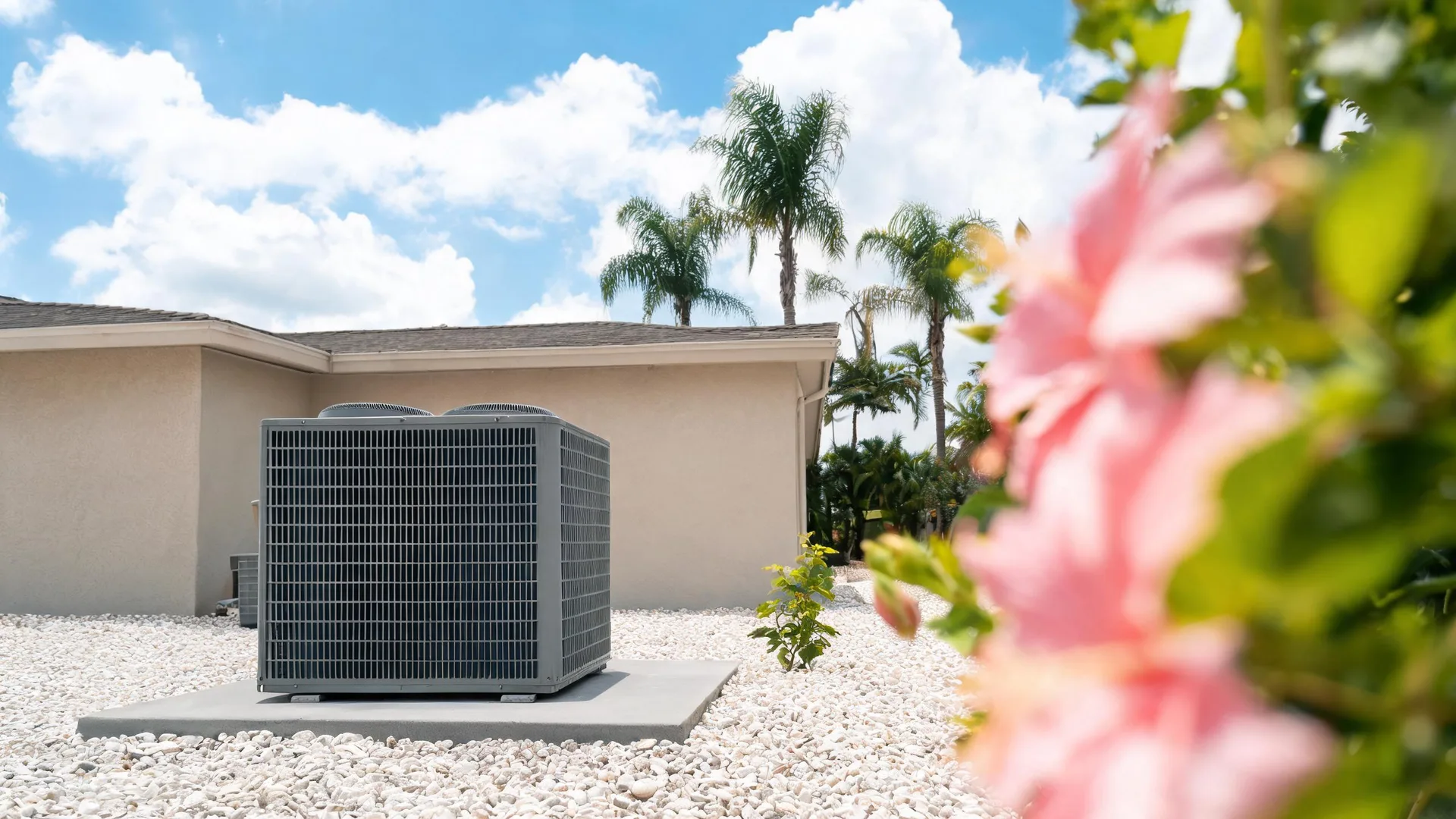
A white mini-split heat pump outdoor unit mounted on a concrete pad beside a gray-sided house, surrounded by gravel and green shrubs.

April and October are the gaps before the next season starts

Cooling runs May through September here. Heat runs November through March. April and October are the two months this system sits idle between them, and that's when a new install has time to breathe. Put a heat pump in during one of those months and it gets tested and adjusted before it has to carry a full season. Wait until the first hot or cold stretch hits and whoever installs it is racing weather that's already arrived.

The old equipment comes out as part of the job

A contractor installing a heat pump disconnects the old unit, the refrigerant lines, and any electrical or fuel connections feeding it, then hauls it away. If a furnace or air handler is being replaced too, that comes out the same way. The pad or closet it sat in gets reused or cleared for the new equipment.
Refrigerant in the old system has to be recovered, not vented

An old heat pump or air conditioner still holds refrigerant, and it cannot legally be released into the air. A licensed contractor recovers it into a tank before the unit is disconnected. That's part of why this isn't a job for pulling the old unit out yourself ahead of time.

A heat pump's rating on paper doesn't tell you how it will run in this house, so ask what the load calculation showed, not just the size someone's proposing. A unit sized off square footage alone can short cycle or run constantly, and either way it wears out faster than it should. Ask what happens on the coldest nights it will see, since some units lean hard on backup heat below a certain point, and that backup heat costs more to run than the compressor does. Ask about the compressor type too. A variable-speed compressor holds a steadier temperature and handles humidity better than a single-stage one. And ask what the warranty actually covers, parts and labor both, and for how long, because that's where a lot of the real difference between bids is hiding.

The outdoor unit and indoor coil get set in place first. Then the line set between them gets pulled down to a vacuum to clear out air and moisture before any refrigerant goes in. Refrigerant gets weighed in to the amount the manufacturer specifies, not just added until the gauges look about right. The thermostat wiring gets connected, and the electrical disconnect outside gets matched to what the new unit draws. Once it's charged and wired, it runs in cooling and in heating so both get checked the same day. Airflow gets checked at the vents too, since a unit can be sized right and still fall short if the ductwork feeding it is restricted.