
Heat pump vs furnace in Pickens County, South Carolina

Get a Local Quote

See real numbers before you choose

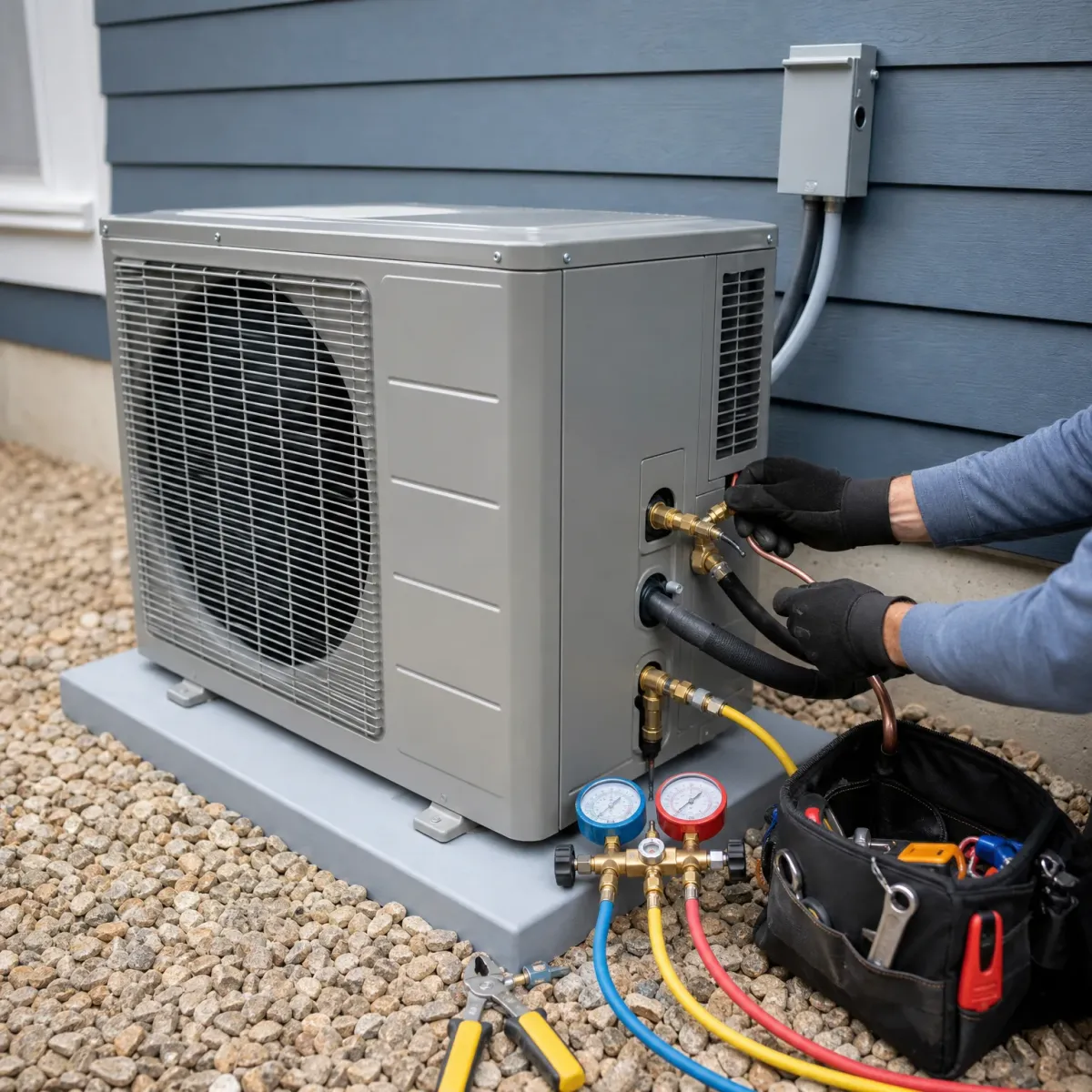
A gloved technician's hands work on refrigerant line connections at a gray outdoor condenser unit on a concrete pad over gravel, with a refrigerant manifold gauge set, colored hoses, pliers, and a tool bag in the foreground beside blue lap siding.

Tell us about the job

Takes about a minute. No obligation.

New system or replacementPickens County, SC
Step 1 of 3

What kind of equipment?

Which costs less to run in Pickens County?

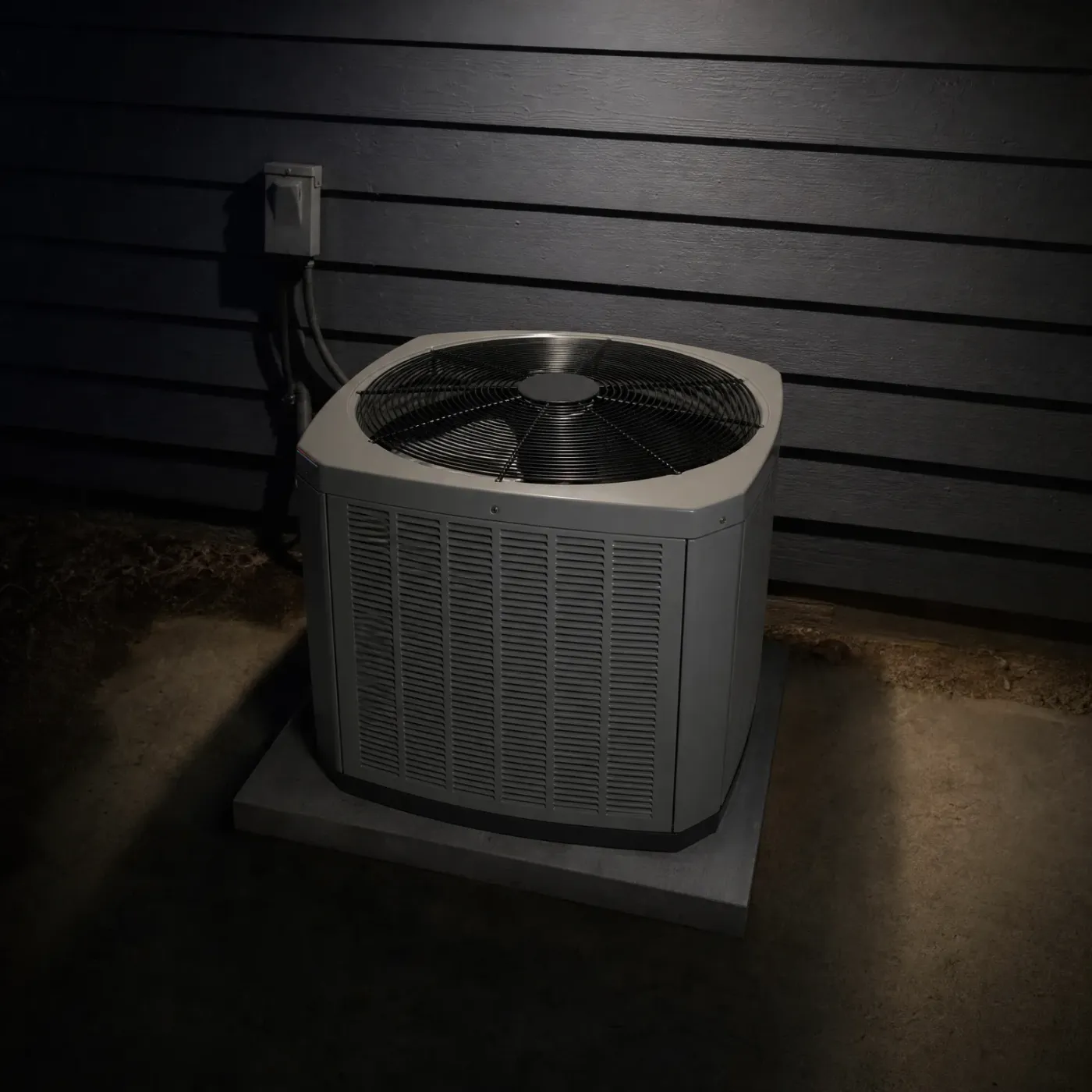
A gray outdoor condenser unit with a top-mounted fan grille sits on a concrete pad beside a dark horizontal lap-sided wall, with a small electrical disconnect box and conduit on the wall behind it.

Heat pump

To heat your home here$1.90per 100,000 Btu

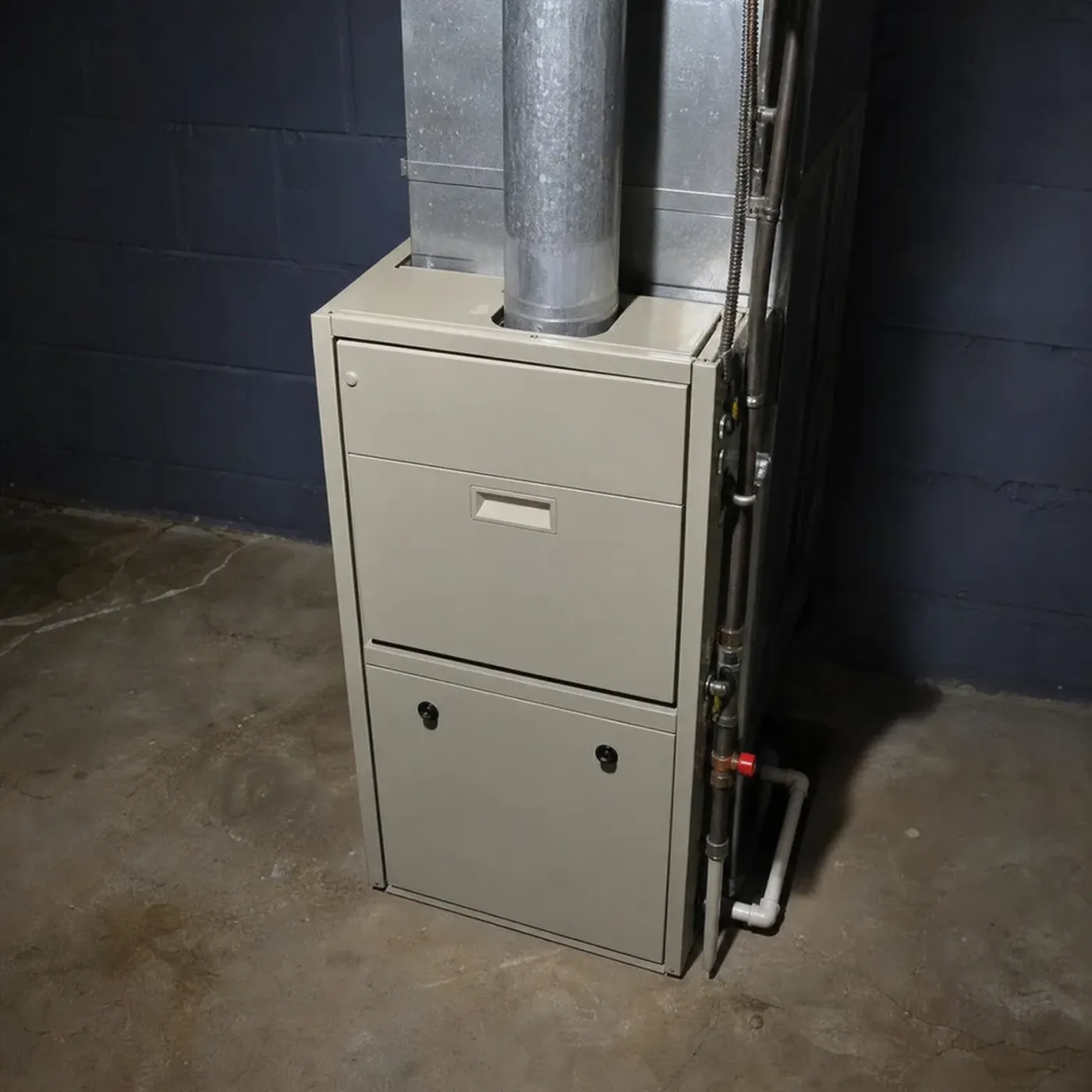
A beige residential furnace stands on a concrete floor against a dark painted block wall, with a galvanized metal flue pipe rising from its top and gas and electrical conduit lines running along its right side.

Furnace

To heat your home here$2.05per 100,000 Btu

At South Carolina's gas and electricity prices, a heat pump makes the same heat as a gas furnace for about 7% less.

Btu stands for British thermal unit, the standard measure of heat energy.

Where does a heat pump shine?

  • Covers a long cooling season

    Cooling runs May through September here, five months of the year. A heat pump handles that whole stretch and still carries the house through the colder months, so it's working most of the year either way.

    A screened porch with blue-cushioned metal furniture, wicker dining chairs, a ceiling fan, and a glass of iced tea on a woven coaster atop a dark table, with green trees visible outside.
  • Heats and cools in one system

    A heat pump runs the same way all year. It pulls heat into the house in winter and pushes it out in summer.

    A living room with a cream sofa holding grey and navy cushions and a grey fringed throw, a rustic wooden coffee table with a mug and wooden bowl, a dark grey panelled door, built-in shelves with books, a large window looking onto a green garden, and a table lamp beside a wooden chair.
  • Steady, even comfort

    It eases up and down with the weather. There are fewer swings between too warm and too cool.

    A dimly lit living room with a gray armchair holding an open book and a throw blanket, a lit table lamp, a stone fireplace with a fire burning, built-in navy shelving, and a golden retriever sleeping on a patterned rug.

Where does a furnace shine?

  • Pairs with any central AC

    A furnace's blower and ducts carry cooled air too. Adding central AC uses the same system.

    A metal floor vent set into light wood flooring near a window with a sheer white curtain, with a wooden cabinet, woven basket and blue throw against a dark blue wall in the background.
  • Fast, strong heat on demand

    A furnace pushes out hot air within minutes of switching on. A cold house warms up fast.

    Mudroom entry with a dark blue door and wainscoting, coats on hooks, a wooden bench with a gray fringed throw and mug, snow-dusted winter boots on a striped rug, a floor vent, and a sheer-curtained window showing snow outside.
  • Proven, simple, easy to get serviced

    Gas furnaces have heated homes for generations. Almost every HVAC tech knows them inside and out.

    A gloved hand holds a large pleated air filter in front of a dark gray furnace unit in a basement utility area with shelving and folded textiles nearby.

Will a heat pump keep your house warm here

Your winter low here averages 33°F. That sits right below the two marks that matter for a heat pump. Below 40°F a standard heat pump puts out less heat than its rating. Below about 35°F it often needs backup heat to make up the difference. Your average night is past both marks before winter even gets going.

That doesn't mean the house goes cold. It means the heat pump is working harder, and on the coldest nights something else is helping it along, usually electric resistance coils built into the same system. About 70 nights a year here drop to freezing or below. That's under a third of the roughly 210 nights the heat runs from October through April, so it's a real part of the season, not a rare event.

It almost never gets genuinely cold here. Fewer than one night a year reaches 0°F, and of the 70 freezing nights, about none reach that mark. That's the range where cold-climate heat pumps have been tested running on their own, in occupied homes over two winters, and backup heat only carried a small share of the load between 0°F and 35°F. A heat pump built and rated for cold climates, the kind that carries the ENERGY STAR Cold Climate mark, is tested to hold at least 70 percent of its warm-weather capacity down at 5°F. Pickens County rarely sees anything close to that. A standard heat pump here is working against its weakest range on a routine winter night, but not against the extreme cold it was never built for.
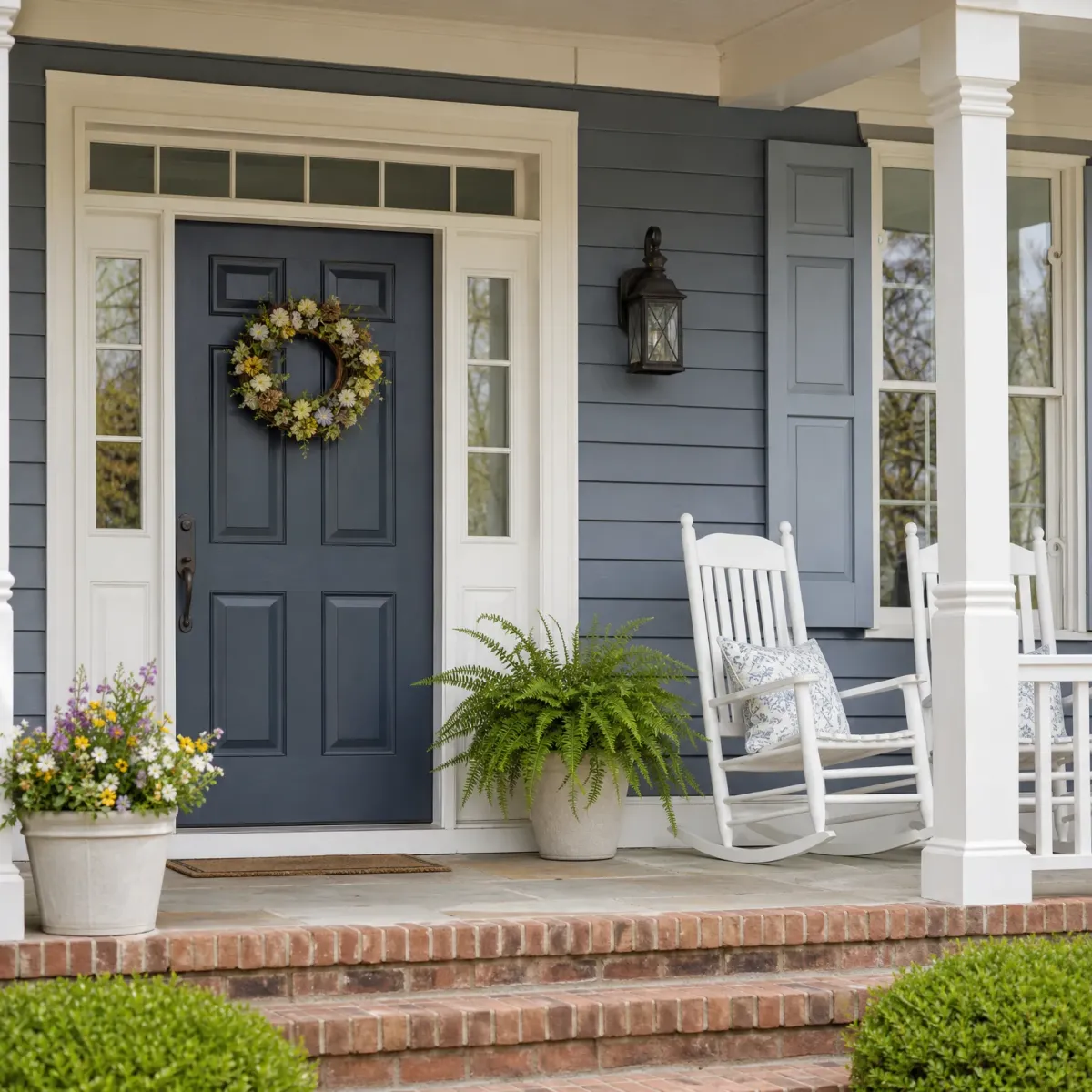
Covered front porch of a gray clapboard house with a dark blue paneled door bearing a dried floral wreath, white trim and columns, white rocking chairs with blue patterned pillows, a potted fern and a planter of flowers, a stone floor and brick steps bordered by trimmed shrubs.

What this means for your air conditioning and your bill

Heating runs longer here than cooling, seven months against five. Whatever you install is going to spend more of the year heating your house than cooling it. A furnace only does one of those jobs. It heats, and for the other five months, May through September, it sits there while a separate AC system handles the heat. A heat pump does both with one system, which matters most in a county where cooling is a real season too, not an afterthought: afternoons hit 90°F or better on about 50 days a year.

On cost, the heat pump wins the straight comparison. At South Carolina's average prices, a heat pump makes 100,000 Btu of heat for $1.90 and a furnace makes the same heat for $2.05. That's with both machines built to the federal minimum, and it's before backup heat on the coldest nights adds anything to the heat pump's side. Even with that left out, the gap is modest, about 7 percent, not the kind of difference that makes the decision by itself.

Where you live locally still shapes which of this pairs best with your house. About three in five homes in the county already heat with electricity, and utility gas reaches about one in three. If gas is already run to your house and your ductwork and AC are set up for a furnace and separate cooling system, that setup works here and is simple to keep serviced. If you're choosing new or replacing both the heating and cooling at once, a heat pump covers both seasons, costs a little less to run by the numbers above, and the backup heat it needs on freezing nights is there for exactly the nights this county actually gets, not more.

Sources: NOAA nClimDiv · NOAA 1991–2020 seasonal normals · Census ACS 2020–2024 · EIA SEDS 2024 · 10 CFR 430.32 · PNNL Building America guide · PNNL-37127 field study · ENERGY STAR product criteria

A one-and-a-half story red brick house with a gray shingled roof, dormer window, brick chimney, gray front door with a small columned portico, flanked by white and pink flowering shrubs, with a mown lawn in front and a blossoming tree branch overhead.

Common questions about heat pumps and furnaces

  • Will a heat pump keep my house cool enough here?

    Yes. Cooling runs about five months a year here, May through September, with afternoon highs averaging 87°F through the summer and reaching 90°F or above on about 50 days a year. A heat pump cools the same way a central air conditioner does, so it handles that load the same way one would.

  • Can I keep my furnace and add a heat pump?

    Yes, and here that often makes sense. The setup is called a dual fuel system: the heat pump does the heating and cooling most of the year, and the furnace kicks in on the coldest nights when the heat pump needs backup. With about 70 nights a year at or below freezing here, your furnace would still get real use.

  • What if my house doesn't have a gas line?

    A heat pump is worth comparing against propane or oil, not against electric resistance heat alone. Electric resistance heat just converts electricity to heat one for one, while a heat pump moves heat and delivers several units of heat per unit of electricity it uses, which is why it runs cheaper. Propane and oil furnaces burn fuel on site like a gas furnace does, so the same tradeoffs apply, but at propane or oil prices rather than natural gas prices.

  • Is a heat pump cheaper to run than a furnace in Pickens County?

    Yes. A heat pump here costs $1.90 per 100,000 Btu of heat against $2.05 for a gas furnace, at South Carolina's average fuel prices. That gap holds for a heat pump built to the federal minimum efficiency, with nothing added for the backup heat it needs on the coldest nights.