A red brick single-story house with a covered porch and adjacent cream-sided houses behind a trimmed hedge and lawn, framed by large oak trees draped with Spanish moss under an overcast sky.

Heat Pump Installation in Easley, SC

Tell us about the job

Takes about a minute. No obligation.

New system or replacementHeat PumpPickens County, SC
Step 1 of 2

What ZIP code is the job in?

Pickens County sees its share of storms

Pickens County logged 113 severe weather events between 2015 and 2024, with damaging wind the most common by far. Hail and the occasional tornado showed up too. An outdoor heat pump unit sits outside through all of it, so where it gets placed and how it's protected is worth thinking through.

Power doesn't always come right back

Nearly half of South Carolina households went at least 24 hours without power in 2024. A heat pump runs on electricity, so an outage means no heat or cooling until the power is back. Worth asking what backup options exist for the days that happens.

7 months
October through April, your system heats
5 months
May through September, it cools
33°F
the average winter night it heats against
87°F
the average summer afternoon it cools against
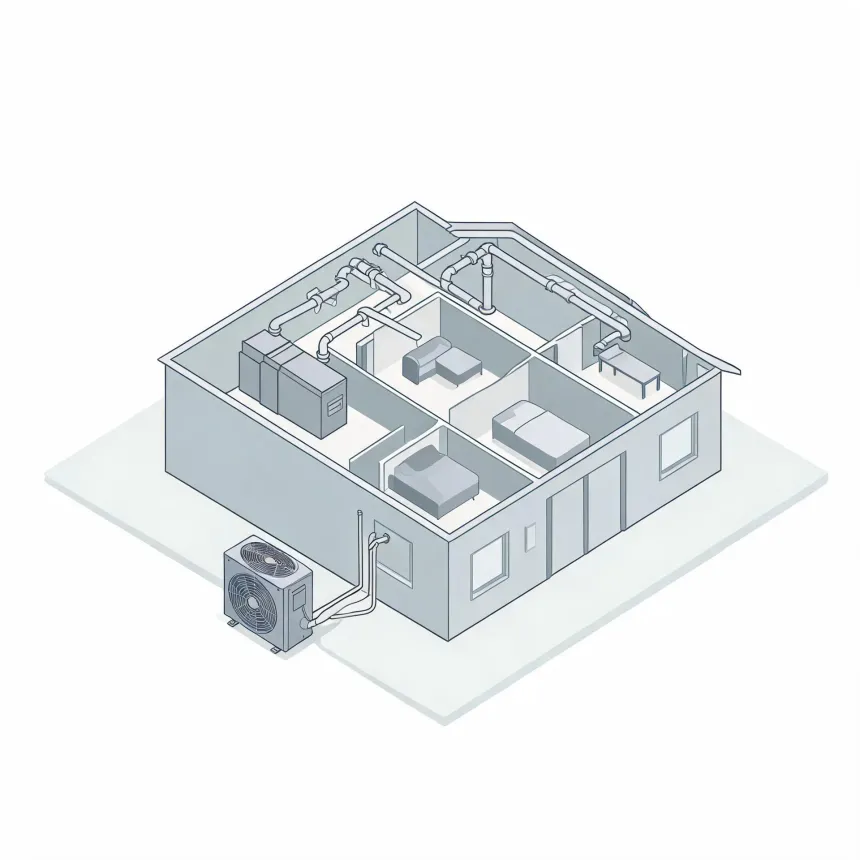
Isometric line illustration of a cutaway single-story house showing interior rooms with beds and furniture, ceiling ductwork connected to an indoor air handler, and an outdoor condenser unit linked by refrigerant lines.
Your system heats October through April and cools May through September.

NOAA nClimDiv, 1991–2020 normals

Heat pump installs here go best in September, before heat season starts in October.

Get it in ahead of that first cold snap and you're not choosing a system while the house is already cold.

Most homes here already run on electricity

60.5% of homes heat with electricity
69 damaging wind events from 2015 to 2024
31 hail events from 2015 to 2024
An easy climate on a heat pumpWinters here are short and mild, zone 3A, so the system isn't working against much.

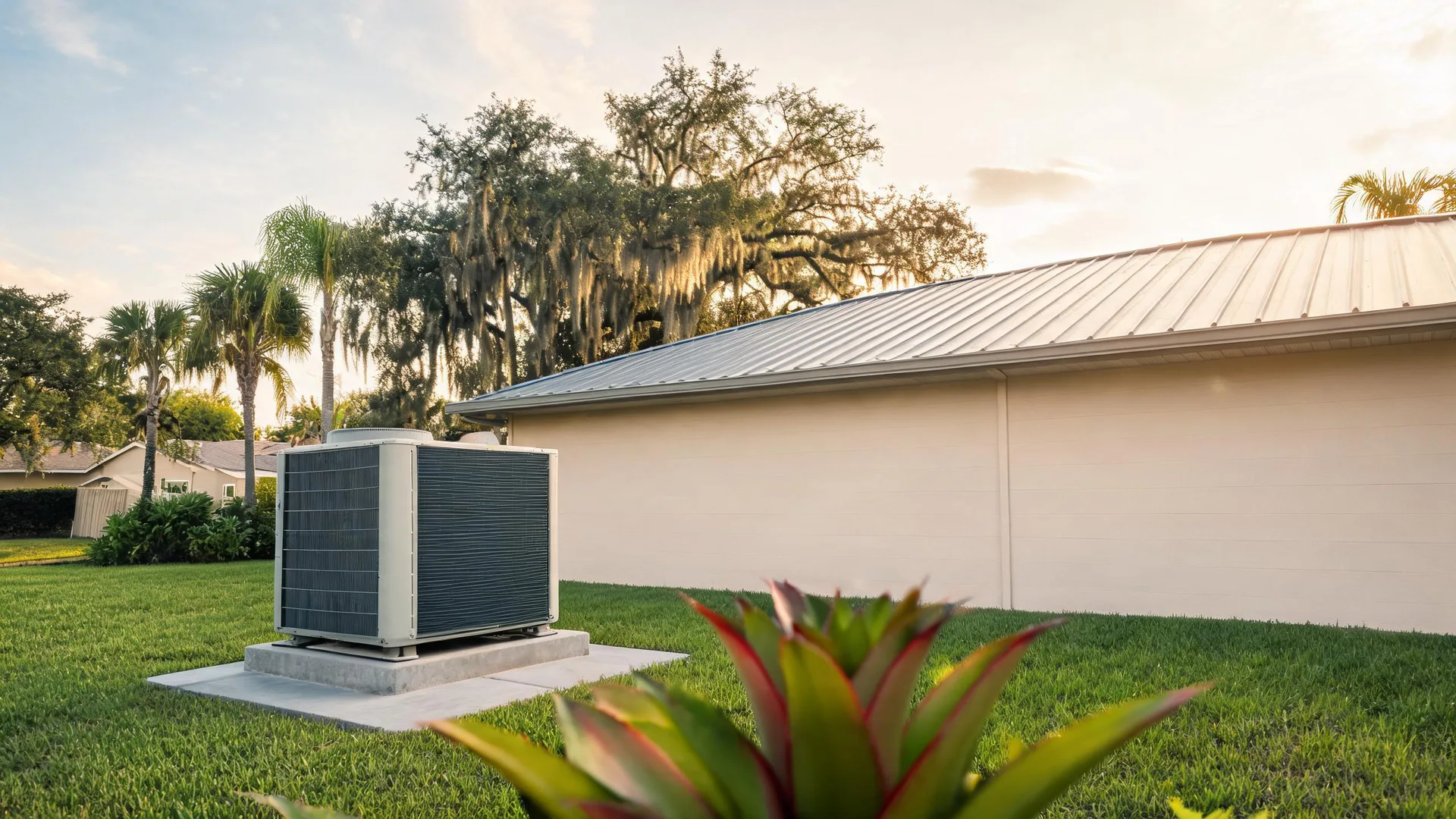
Where the installer sets the outdoor unit is worth a conversation before install day, not after. A spot that's open to wind-driven debris or sitting low where hail can reach it isn't doing the system any favors. Some installers will talk through options like a protective cage or placement against a wall that blocks the worst of it. None of that stops an outage, though. If losing heat or cooling for a day matters to the household, that's worth raising with the installer now, while the system is still being chosen, not after a storm takes the power out.

Plan for storms

Storms and outages are common here. Plan where the outdoor unit goes, how it's protected, and how you'll keep heat and hot water in an outage.

Find a contractor
A gray heat pump outdoor unit mounted on a concrete pad next to a residential house with lap siding and stone accents.

What comes out when the old system comes out

Whatever is getting replaced has been cycling on and off for years, and that wear shows up in specific places. A furnace blower motor logs more hours than almost anything else in the house, and bearings wear, so an old one often sounds different before it quits outright. A straight-cooling AC compressor works hardest at the end of a long run, pushing refrigerant through a system that's lost some of its charge to small leaks over time. Pulling the old equipment out also means pulling out whatever got bolted onto it over the years, patch fixes and added parts that kept it limping along. None of that carries over. The new heat pump starts clean, with no borrowed parts and no history of its own yet.

Sizing drives the number

A heat pump has to match the house, the square footage, the window count, how much shade it gets. Too small and it runs constantly without catching up. Too large and it short cycles, turning off before it finishes pulling out moisture. Getting this right takes a room by room look, not a guess based on the old system's size.

The install is more than the unit

Setting the outdoor unit on a pad is the easy part. The line set connecting it to the indoor coil has to be sized right and sealed well, or the system loses charge over time. If the ductwork wasn't built for a heat pump's longer, steadier airflow, some of it may need resizing or sealing before the new system can deliver what it's rated for.

Ask what happens at low outdoor temperatures. Every heat pump loses capacity as the air outside gets colder, and most have a backup heat source that kicks in to cover the gap. Find out whether that backup is built into the air handler or depends on something else in the house, and whether it switches on automatically or needs a thermostat set up to call for it. Ask too about the sound rating of the outdoor unit, since it runs in both summer and winter and sits closer to living space than a furnace ever did. And ask how the system defrosts itself. A heat pump will occasionally reverse itself briefly to melt frost off the outdoor coil, and a contractor who can explain when that happens and what it looks like is one who has actually lived with these systems, not just sold them.

Install day starts with the old equipment coming out. The indoor coil and air handler go in first, then the crew sets the outdoor unit on its pad and gets it leveled. Every joint in the line set gets brazed, then the whole system gets pressure tested before any refrigerant goes in. A leak found after charging means starting over, so that test matters. Once it holds pressure, the system gets charged to the exact weight the manufacturer specifies, not just run until it feels cold. Before the crew leaves, they should check airflow at the vents, confirm the thermostat is talking to the outdoor unit, and run the system in both heating and cooling. Skipping that last part just leaves the hardest problems to show up later, when nobody's there to catch them.