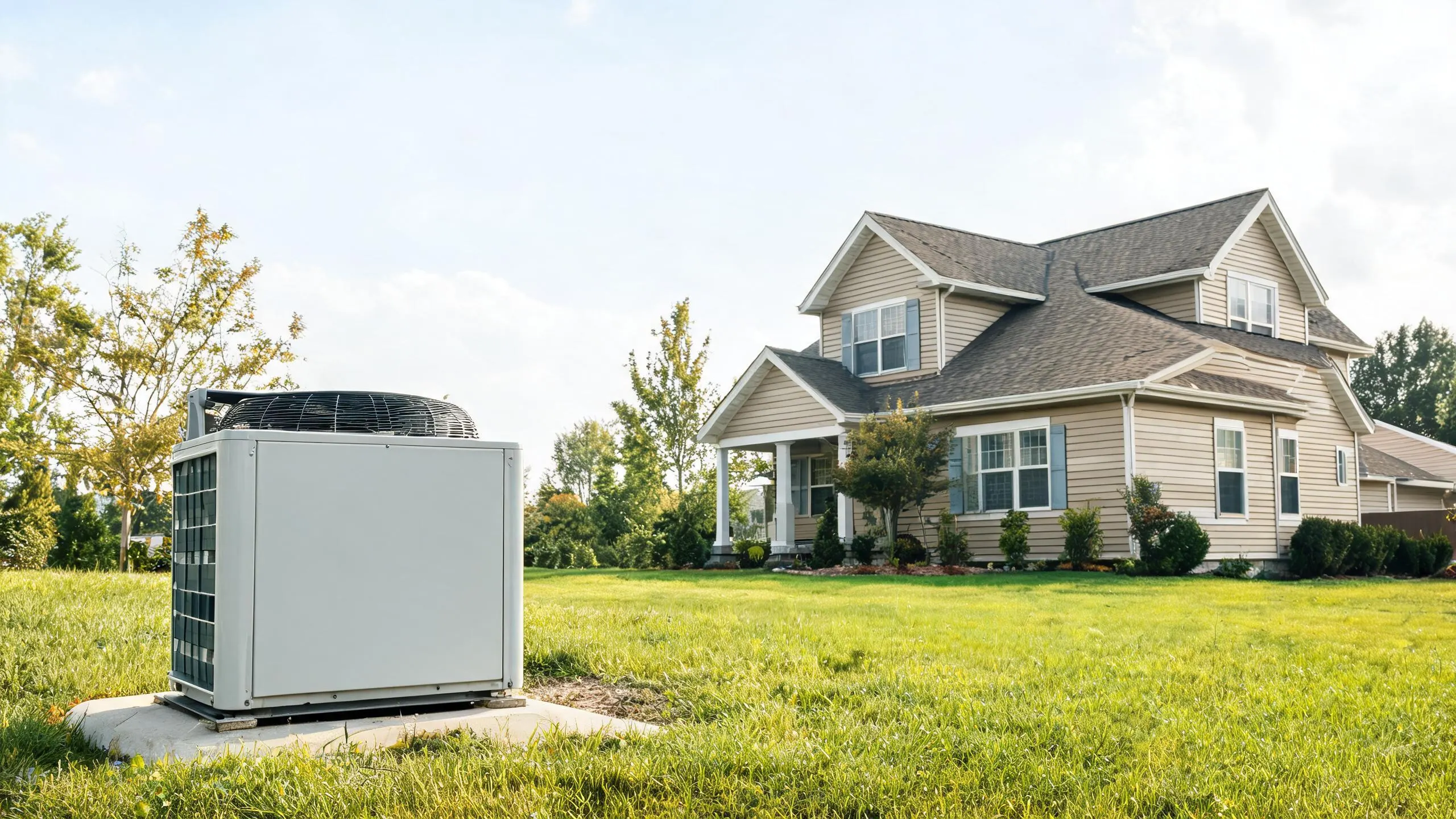
An outdoor HVAC condenser unit on a concrete pad in front of a two-story suburban house.

Heat Pump Maintenance in Summerville, SC

Tell us about the job

Takes about a minute. No obligation.

Tune-up, service, or cleaningHeat PumpDorchester County, SC
Step 1 of 2

What ZIP code is the job in?

The outdoor coil works year round

A heat pump's outdoor coil carries heat in both directions, so it never gets a season off. Dirt and grass clippings matted against the fins make the whole system push harder to move heat, and that extra strain falls on the compressor. Keeping the fins clear is one of the few things that protects the compressor directly.


Small problems don't stay small

A refrigerant leak, a thermostat sensor drifting out of calibration, a reversing valve sticking partway. None of these announce themselves right away. The system keeps running, just worse, until it stops heating, stops cooling, or quits altogether. Catching a problem like this early means fixing one part instead of waiting for it to take others down with it.

Keeping the outdoor unit clear and the filter clean are jobs the homeowner can do without opening any panels.

Grass clippings against the coil and a dirty filter are worth checking before calling anyone.

Half the homes here were built by 2000, so most heat pumps still have years of work ahead of them

Half the homes here were built by 2000
227 damaging wind events from 2015 to 2024
44 hail events from 2015 to 2024
Book the checkup before NovemberHeat here runs November through March. April gets you ready for cooling, October gets you ready for this.

Dorchester County saw 290 severe weather events between 2015 and 2024, most of them damaging wind. The outdoor unit sits through all of it, with nothing between the coil and whatever the wind carries. Hail isn't rare here either, and hail dents fins and bends the housing around the fan. A heat pump that's already straining from a bent coil or packed-in debris is the one most likely to give out when the next storm knocks the power out. Worth having someone check the outdoor unit for damage before storm season gets going again.

Most heat pumps here are young enough to be worth protecting

A heat pump installed in 2000 or later still has plenty of working life in it. A yearly checkup is what keeps it getting there, catching the small things before they turn into a compressor or a reversing valve that has to be replaced outright.

Find a contractor
A man in a dark shirt and khaki pants, seen from behind, carries a worn leather bag as he climbs wooden porch steps toward a dark front door, with a potted shrub beside the entry.
A gray heat pump outdoor unit mounted on a concrete pad next to a residential house with lap siding and stone accents.

What a yearly checkup actually checks

A heat pump runs in both directions, and the reversing valve is what switches it between them. Over time that valve can start sticking partway instead of moving clean from one side to the other, and the system keeps running on whichever side it got stuck on. A tune-up means watching it shift under power, not just listening to the system cycle. Refrigerant gets checked against what the manufacturer specifies for that unit, because a system can be low on charge and still blow air that feels fine at the vent. The contactor and capacitor that start the compressor wear down with every cycle, and a weak capacitor usually shows up as a hard start or a hum before it fails outright. None of this shows up at the thermostat, and none of it shows up as a problem you'd notice until the part is far enough gone to cause one.

The reversing valve has to be watched moving, not just running

Anyone can hook up gauges and check pressure at idle. A thorough tune-up switches the system between heat and cooling under power and watches the valve actually shift. A quick one skips this, because it takes a few extra minutes and the system will still turn on and blow air either way.

Pulling the panel apart is the difference

The contactor and capacitor sit behind the access panel on the outdoor unit, and they only tell you anything once someone takes that panel off and looks. A quick visit checks the thermostat and listens for the compressor to kick on. A thorough one pulls the panel, tests the capacitor under load, and looks at the contactor points before they're worn enough to cause a no-start.

A heat pump worth checking usually gives some warning before it gives out. It might run longer than it used to before the house reaches temperature, or the air at the vent feels cooler than it should on heat mode, barely warm instead of warm. Ice building up on the outdoor coil and staying there past a defrost cycle is another one, especially if it keeps coming back. A hum when the compressor tries to start, or a delay before it catches, points at a capacitor on its way out. Short cycling, where the system kicks on and off in quick bursts instead of running a full cycle, puts wear on the compressor every time it happens. Any of these on their own is worth a look before the part behind it fails outright.

A full tune-up also means checking airflow through the whole system, not just the outdoor unit. A return vent blocked by furniture or a filter packed with dust makes the blower work harder to pull air through, and that strain reaches back to the compressor same as a dirty coil does. The tech should check that the indoor coil is clean too, since a heat pump moves air across both coils no matter which direction it's running. Static pressure gets measured at the air handler, because airflow that's too low can mimic a refrigerant problem, the system runs but can't move enough heat either way. Drain lines get checked as well. A clogged condensate line backs up and can shut the system down or let water sit where it shouldn't. None of this is optional on a proper visit, because a heat pump that's low on airflow wears out the same parts a dirty coil does, just from the other direction.