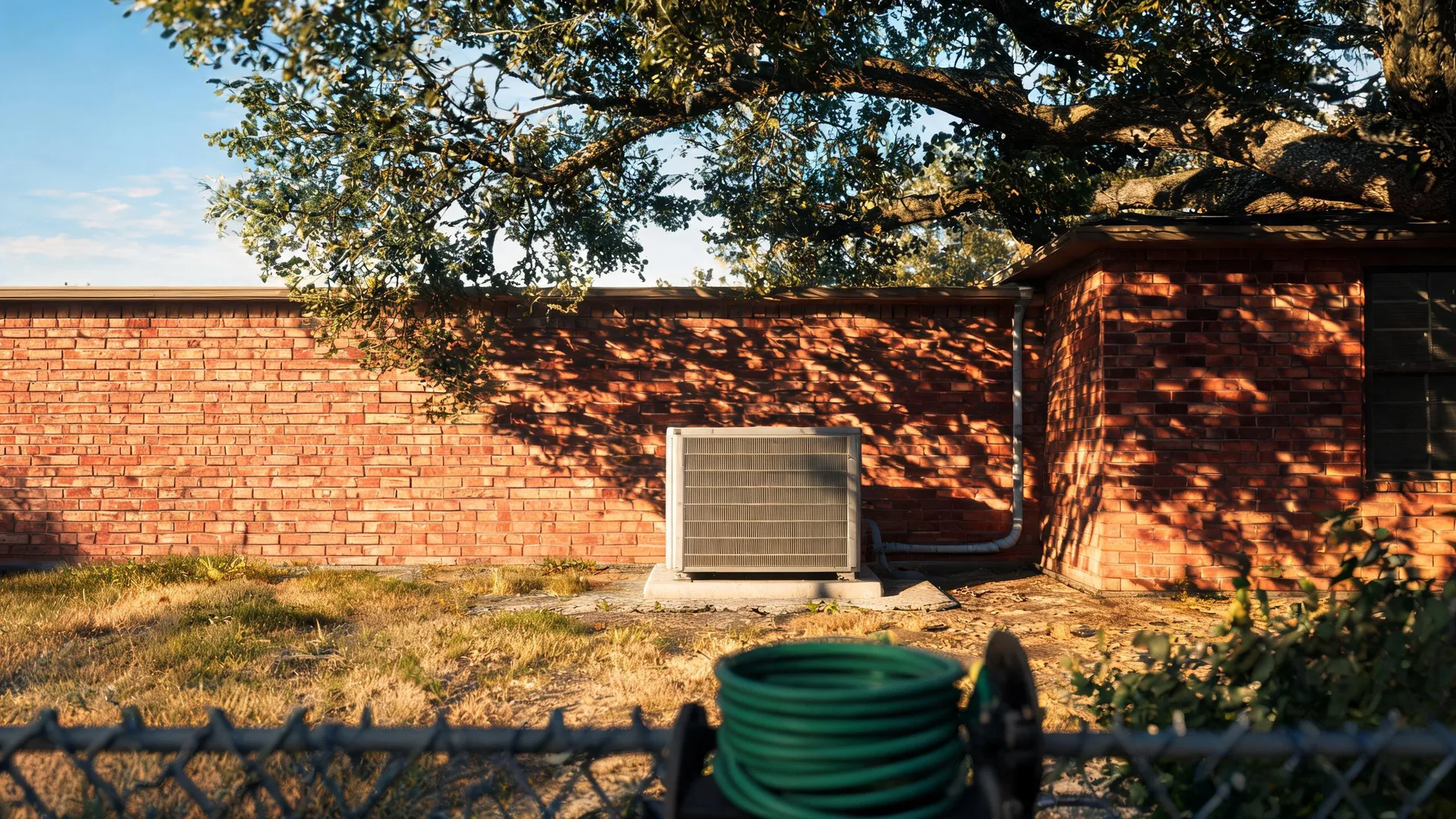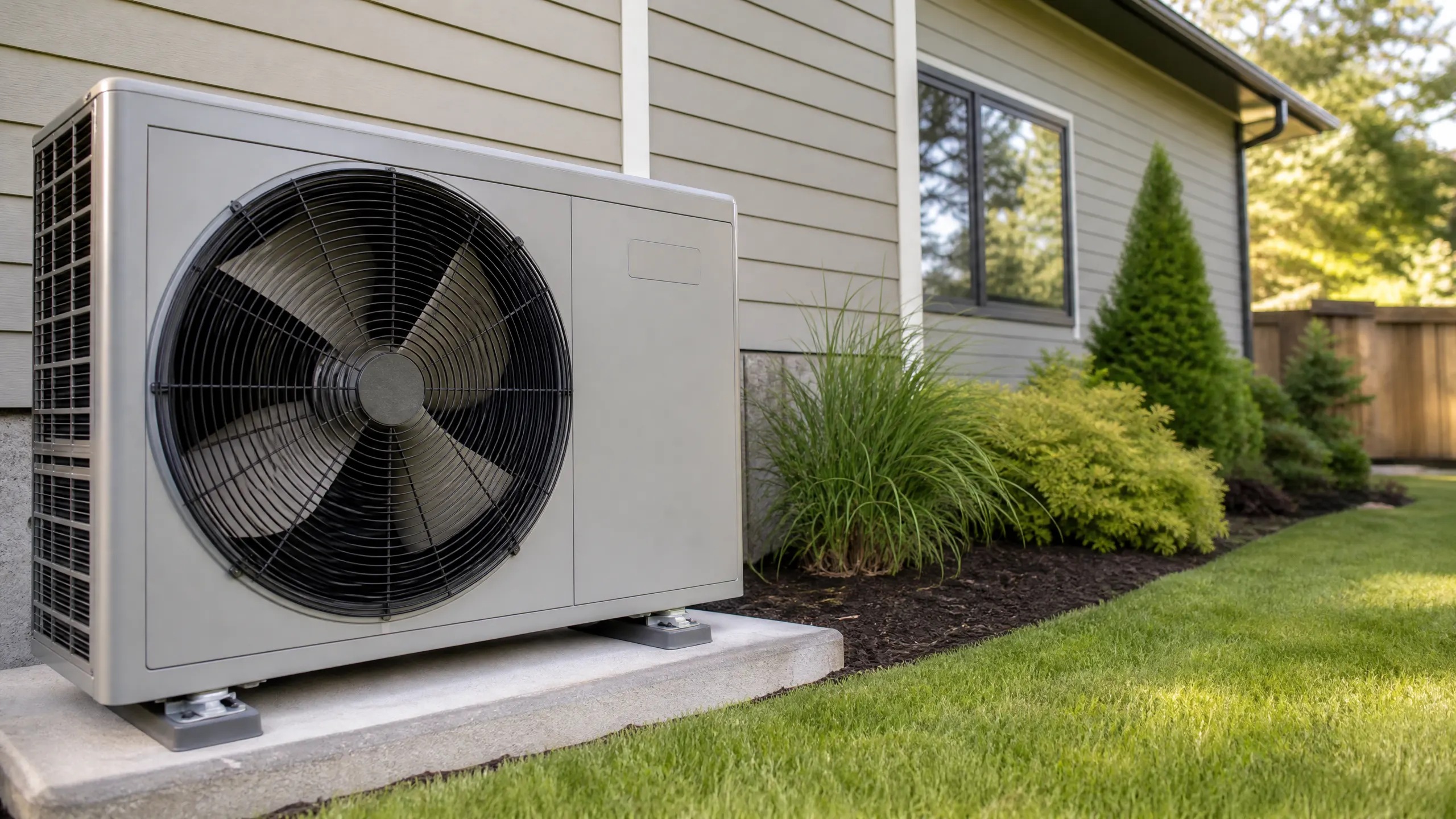
An outdoor heat pump unit mounted on a concrete pad beside a house with beige siding and a landscaped garden bed.

Heat Pump Maintenance in Greenville, SC

Tell us about the job

Takes about a minute. No obligation.

Tune-up, service, or cleaningHeat PumpGreenville County, SC
Step 1 of 2

What ZIP code is the job in?

A quick visit checks that it runs

A fast tune-up confirms the heat pump turns on, blows air, and switches between heat and cool. That tells you it works today. It does not tell you the refrigerant charge is correct or that the outdoor coil is clean enough to keep up once the weather turns hard.


A thorough one checks what makes it last

A real tune-up has the contractor measure refrigerant pressure, check the temperature split at the vents, clean the outdoor coil, test the defrost cycle, and tighten electrical connections. A loose connection can arc and fail months later. A dirty coil makes the compressor work harder every single cycle. Neither one shows up from across the room.

Your heat pump runs almost year round here, cooling most months and carrying what little heating winter asks for.

One visit a year catches a weak capacitor or a dirty coil before the next long run starts.

Cooling starts in May, heat starts in October. Book the check the month before each one.

Cooling runs May through September
Heat runs October through April
122 damaging wind events from 2015 to 2024
A newer heat pump still needs its yearly checkHalf the homes in Greenville County were built in 1992 or later.

Some signs show up before the system ever quits. The outdoor unit runs longer than it used to, or cycles on and off more than it should. Ice builds up on the outdoor coil and stays past the next defrost cycle instead of melting off clean. The air coming from the vents feels cooler than it should on heat mode, or warmer than it should on cool mode, even though the system is running. You hear a clicking at startup that wasn't there before, or a hum without the fan ever kicking in. None of these stop the heat pump from running that day. They're what a failing capacitor, a weak contactor, or a refrigerant leak looks like while it's still small enough to fix on a bench instead of in a breakdown call.

A newer heat pump is worth keeping that way

If your heat pump came with a newer build here, it's likely still well within its working life. The yearly check is what keeps it that way, catching the small stuff while it still runs fine otherwise.

Find a contractor
A residential heat pump outdoor unit mounted on a concrete pad next to a house with gray vinyl siding.

A machine that never gets a season off

A heat pump does not get a season off. It runs on the cooling side all summer, then the reversing valve switches it over and it keeps running on the heat side through the cold months. There is no long rest where dust and wear stop adding up. Skip the yearly check and the first thing to go is usually the outdoor coil. It picks up dirt and pollen until airflow across it drops, and the system has to run longer to move the same amount of heat. That longer runtime wears the compressor, and the compressor is the part nobody wants to replace. A refrigerant leak behaves the same way. Small at first, no sign of it from inside the house, but the system keeps running low and the compressor keeps paying for it. None of this announces itself. The heat pump still turns on, still blows air, right up until the day the compressor seizes or the coil ices over and will not clear.

What gets measured, not just looked at

A contractor checks superheat and subcooling against what the system is supposed to run, not just whether the gauges move. Those numbers say whether the charge is right. They also check the temperature differential across the indoor coil, which says whether the system is actually moving the heat it should. None of that shows up by standing next to the unit.

What gets found before it spreads

Contacts inside the outdoor unit get checked for pitting before they burn through. Capacitor readings get compared against what they should be, not just whether the fan spins. A capacitor can test weak for months before it fails outright, and the fan motor it feeds works harder the whole time. Catching it on the bench means a part swap. Missing it means a no-heat call.

Between visits, the filter is the one thing worth checking yourself. A dirty filter chokes airflow across the indoor coil, and the system has to run longer to move the same heat. Look at it monthly and swap it when it's visibly gray or clogged. Outside, keep the area around the outdoor unit clear. Leaves, grass clippings, and anything stacked against the cabinet block the airflow the coil depends on. Inside, keep an eye on the vents. If one room is running noticeably warmer or colder than the rest, that's worth mentioning at the next visit rather than waiting for it to get worse.

A tune-up on a heat pump means taking it apart enough to see what's underneath, not just running it through a cycle. The contractor pulls the panel off the outdoor unit and checks the wiring for scorch marks or loose lugs, since a connection that's been arcing quietly will show it before it fails outright. The reversing valve gets tested both directions, not just the one the season calls for, because a valve that sticks in summer will strand you with no heat in winter. Refrigerant lines get checked for oil residue at the joints, which is usually the first sign of a slow leak long before the charge drops enough to hurt performance. The blower wheel gets pulled and cleaned if it's caked with dust, since a dirty wheel moves less air no matter how strong the motor is. None of this is guesswork. It's the same handful of checks, done the same way, every visit.