




White two-story houses with wraparound porches and Spanish moss-draped oak trees photographed along a residential street at night.

Heat Pump Maintenance in Aiken, SC

Tell us about the job

Takes about a minute. No obligation.

Tune-up, service, or cleaningHeat PumpAiken County, SC
Step 1 of 2

What ZIP code is the job in?

Aiken County saw 254 severe weather events between 2015 and 2024, most of it wind and hail. That outdoor unit sits outside year round, so it takes the brunt of both. Hail can dent the cabinet or bend the fins, and wind-blown debris can jam the fan. None of that means yours has damage. It means the odds of it are higher here than in most places, and a unit that is not moving air right will not heat your home when it needs to.

Half the homes in Aiken County were built in 1989 or later.

A heat pump that age still has a lot of working life left, and a yearly check is what keeps it that way.

October is the last easy month before your heat pump has to carry the house

Cooling runs May through September
Heat runs November through March
185 damaging wind events from 2015 to 2024

A yearly check on a system that age is mostly about catching small things before they turn into a breakdown. A technician can check refrigerant charge, clean the coils, and test the reversing valve while everything is still working fine. That matters more here than it would somewhere with gentler weather, since a storm can knock a unit out of alignment or clog it with debris between visits. Catching that early keeps a heat pump that still has years ahead of it from losing any of them.

Have the outdoor unit checked before the next storm finds the damage for you

A technician can spot a bent fin or a jammed fan before it keeps your system from running right. That is a quick check against a hard outage. Get it looked at now, while the unit is still running fine.

Find a contractor
A gray air-source heat pump mounted on a concrete pad next to a house with gray vinyl siding, surrounded by gravel and flanked by green shrubs and white hydrangea flowers.

Between visits, the job is keeping air moving

Keep the area around the outdoor unit clear. Leaves, pine straw, grass clippings, anything that piles against the cabinet blocks airflow. A unit that can't pull air through the coil has to work harder to move heat either direction. Leave open space on every side. After a storm, walk out and look before you worry. Check for bent fins, a cracked fan blade, debris sitting on top. Don't reach inside it or try to straighten fins yourself. That's a job for someone who knows the part. Inside the house, change the air filter on schedule. A clogged filter starves the system of airflow the same way a blocked outdoor coil does. Keep furniture and curtains away from the return and supply vents so air can actually move. If you hear a new sound, a clicking, a grinding, a hum that wasn't there before, that's worth a call rather than a wait. Same goes for ice forming on the outdoor unit outside of a normal defrost cycle, or a system that runs constantly without the house ever feeling right. None of this replaces what a technician checks with gauges and a multimeter. It's what keeps the system running the way it should between those visits.

The reversing valve sticks without you knowing

A heat pump switches between heating and cooling using a reversing valve that only moves when it's told to. Skip enough maintenance and that valve can stick from corrosion or a weak solenoid, and the system keeps running, just stuck in one mode. You won't see it happen. You'll just notice the house never gets warm on a cold morning.
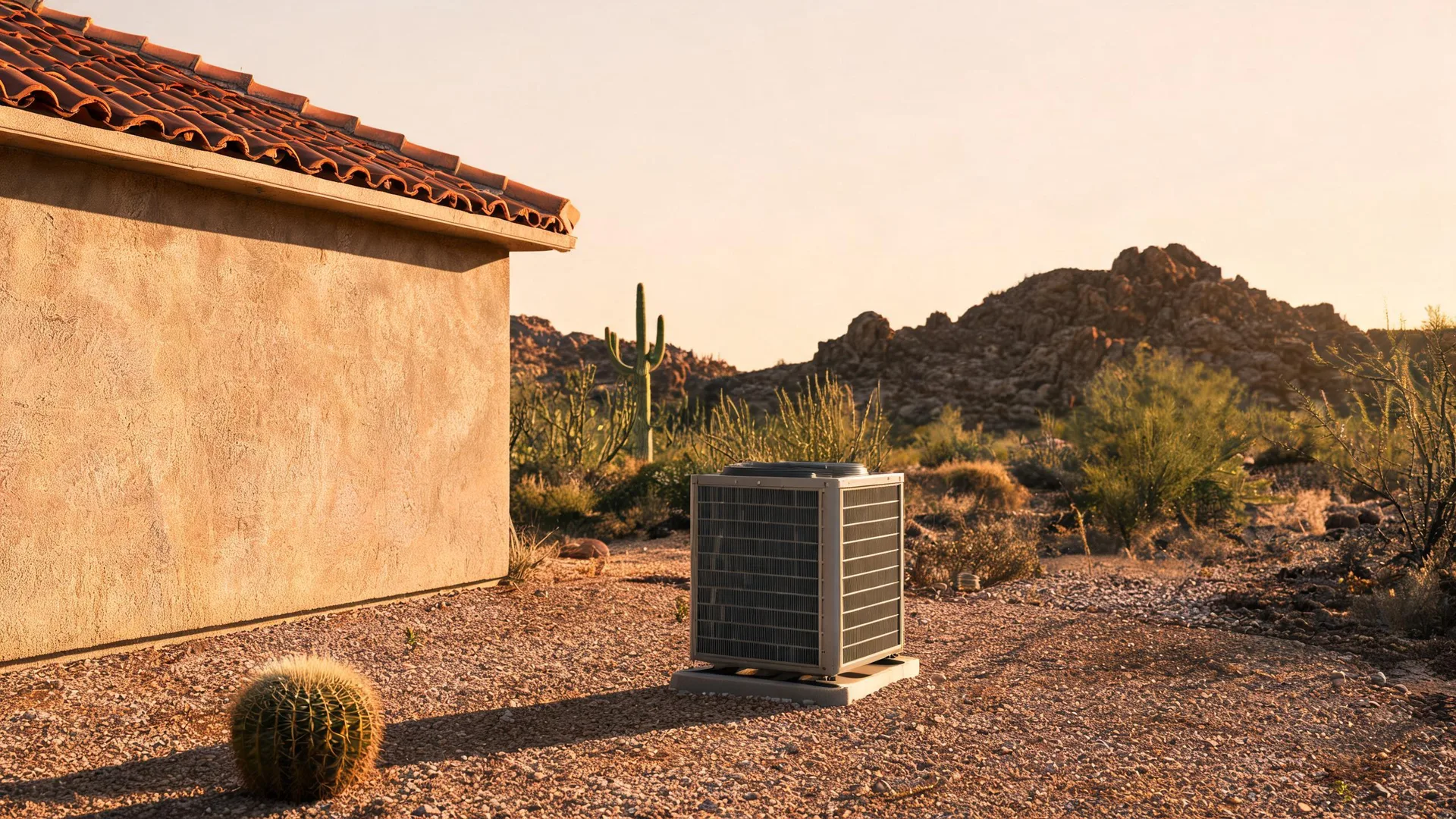
A dirty coil makes the whole system work harder

Both coils, indoor and outdoor, need to be clean to move heat the way they're built to. Dust and grime on the indoor coil or grass and debris packed into the outdoor one cuts down how much heat the system can move each cycle. The compressor runs longer to make up for it, and a compressor that runs longer every day wears out sooner than one that doesn't.

The filter is the cheapest insurance a heat pump has. Air has to pull through it on every cycle, heating or cooling, and once it loads up with dust the system has to work harder to move the same amount of air. That strain lands on the blower motor first, then shows up as higher power draw and a house that takes longer to feel right. The coils do the actual work of moving heat, and they can only do it if they're clean. A coil caked with dust or buried in yard debris can't give up or absorb heat the way it should, so the compressor runs longer to make up the difference. The condensate drain matters just as much and gets ignored more. It carries moisture away from the indoor coil, and if it clogs with algae or dirt, that water backs up into the pan and finds the nearest place to leak, usually right where you don't want it.

A quick visit usually means someone glances at the thermostat, listens to the system run for a minute, and leaves. A thorough one means the panels come off. The technician checks refrigerant pressure with gauges, not a guess, because a system can run low and still blow air that feels fine for a while. They test the reversing valve under both modes, not just the one the thermostat happens to be in when they arrive. They pull the blower wheel and look at it, since a coated wheel moves less air even when the motor sounds normal. They check capacitor readings against the rating on the part, not just whether the fan spins. Ask what they checked and whether they wrote down numbers. If the answer is vague, the visit probably was too.