A heat pump that kicks on and off in quick bursts, or blows air that feels barely warm or barely cool, is telling you the refrigerant charge or the airflow across the coil is off. Left alone, that strain tends to land on the compressor, and the compressor is what keeps the whole system running.
Ice building up on the outdoor unit
Some frost on the outdoor coil during a defrost cycle is normal. A coating that doesn't melt off, or ice that keeps coming back, usually means the defrost control or a sensor isn't doing its job. That's worth a look before the system has to work through a whole season that way.
Half the homes in Barnwell County were built in 1983 or earlier, which means the ductwork and electrical a heat pump relies on is often that old too.
One visit a year is enough to catch what that older setup is doing to the system before it shows up as a failed compressor.
In Barnwell County, heat pumps work year round, with no real break between seasons
Cooling runs May through SeptemberHeat runs November through MarchClimate zone 3A
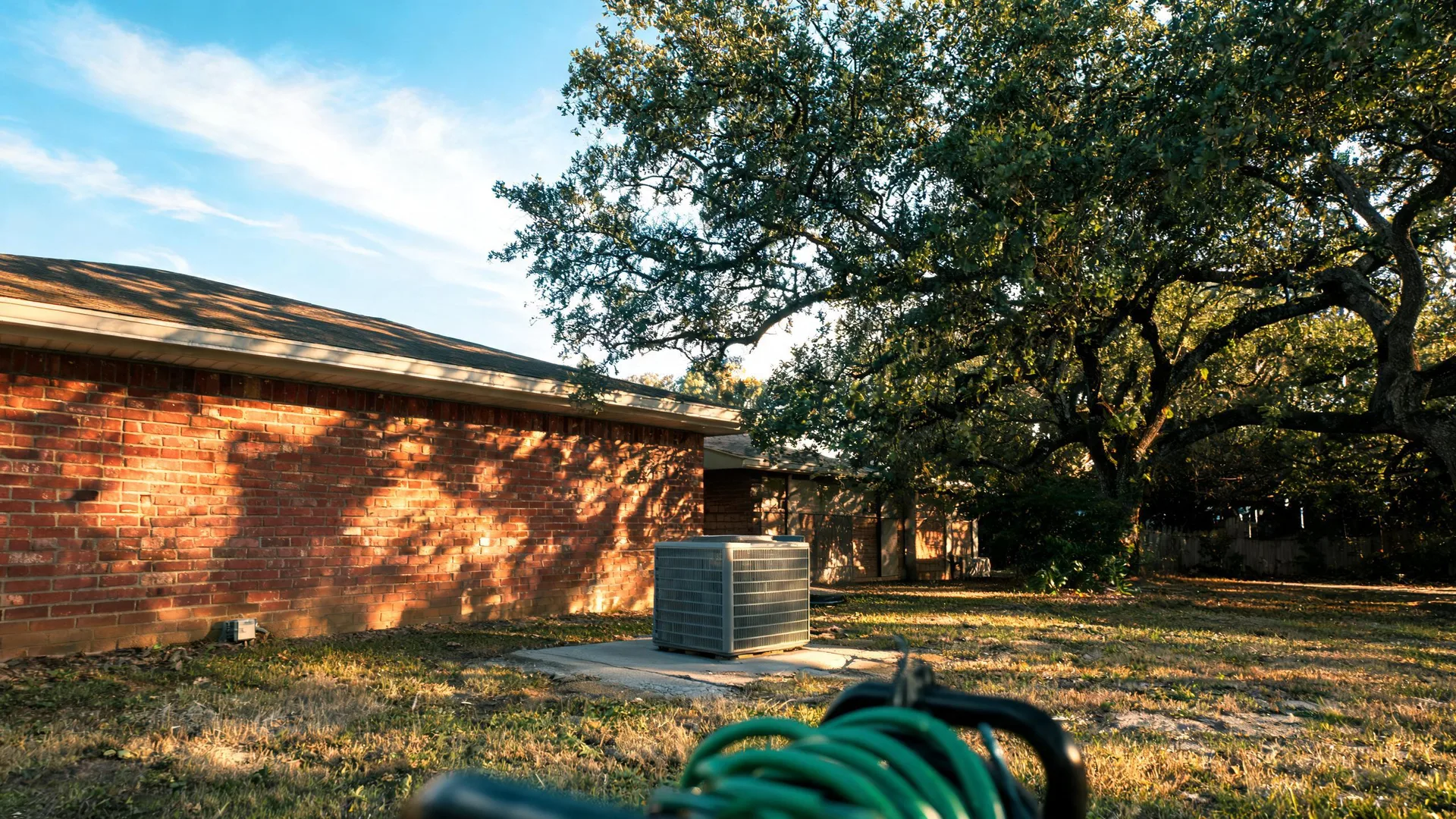
Barnwell County saw 67 severe weather events between 2015 and 2024, and most of that was damaging wind. That outdoor unit sits outside through all of it, and wind-driven debris can bend fins or crack a fan blade without leaving a mark you'd notice from a distance. The county's also had its share of tornadoes and tropical storms in that stretch, the kind of weather that knocks power out for a while. A heat pump that comes back on after an outage is still relying on a coil and fan that weather has been working on all year. Worth having someone check the outdoor unit for bent fins, loose panels or debris before the next storm season puts it to the test.
A heat pump doesn't get a season off. It runs the compressor in summer and runs it again in winter, just in a different direction, so that compressor sees more hours of work per year than one in a straight air conditioner ever does. Skip the yearly check and the first thing to drift is the refrigerant charge, usually a slow leak at a fitting or coil joint. A system low on charge still runs, but the compressor has to work harder to move heat either direction, and it runs hotter doing it. Dirty coils do the same thing from the other side, making the compressor push against airflow that isn't getting through. None of that stops the system from turning on. It just means the compressor absorbs the difference, cycle after cycle, until it's the part that fails.
A quick visit checks that it runs
A short visit confirms the heat pump turns on, blows air and responds to the thermostat. That tells you it's working today. It doesn't tell you the refrigerant charge is correct, or whether the reversing valve shifts clean between heating and cooling.
A thorough one checks that it will keep running
A full tune-up has someone measure the refrigerant charge against what the system calls for, check the temperature split across the indoor coil, clean the outdoor coil fins, and test the defrost cycle by actually putting the system into it. Those are the checks that catch a compressor working harder than it should, months before it fails.
A tune-up also puts eyes on things that never show up as a symptom until they do. The contactor points that open and close every time the compressor cycles wear down a little each time, and a pitted contact can stick or fail to make contact at all. The capacitor that gives the compressor and fan motor their starting kick loses strength slowly, long before it quits outright, and a weak one makes the compressor strain on every start. Electrical connections loosen from the system heating and cooling over and over, and a loose connection runs hot. None of this shows up as a bad sound or a warm vent. It shows up as a system that was fine, then wasn't, with no warning in between.
A tune-up also means someone actually opens the outdoor unit and looks, not just listens for it running. The fan motor bearings get checked for play, because a motor that wobbles on its shaft will eventually throw a blade or seize. The reversing valve gets tested both directions, not just the direction it happened to be running in when the system was last used. Refrigerant lines get checked at every joint for the oily residue that means a slow leak, since a leak that's losing charge today was probably losing it last year too, just too slowly to notice. The drain line gets flushed, because a clogged one backs up into the pan and can trip a safety switch that shuts the whole system down. None of these fail all at once. They fail a little every year until the year they don't work at all.