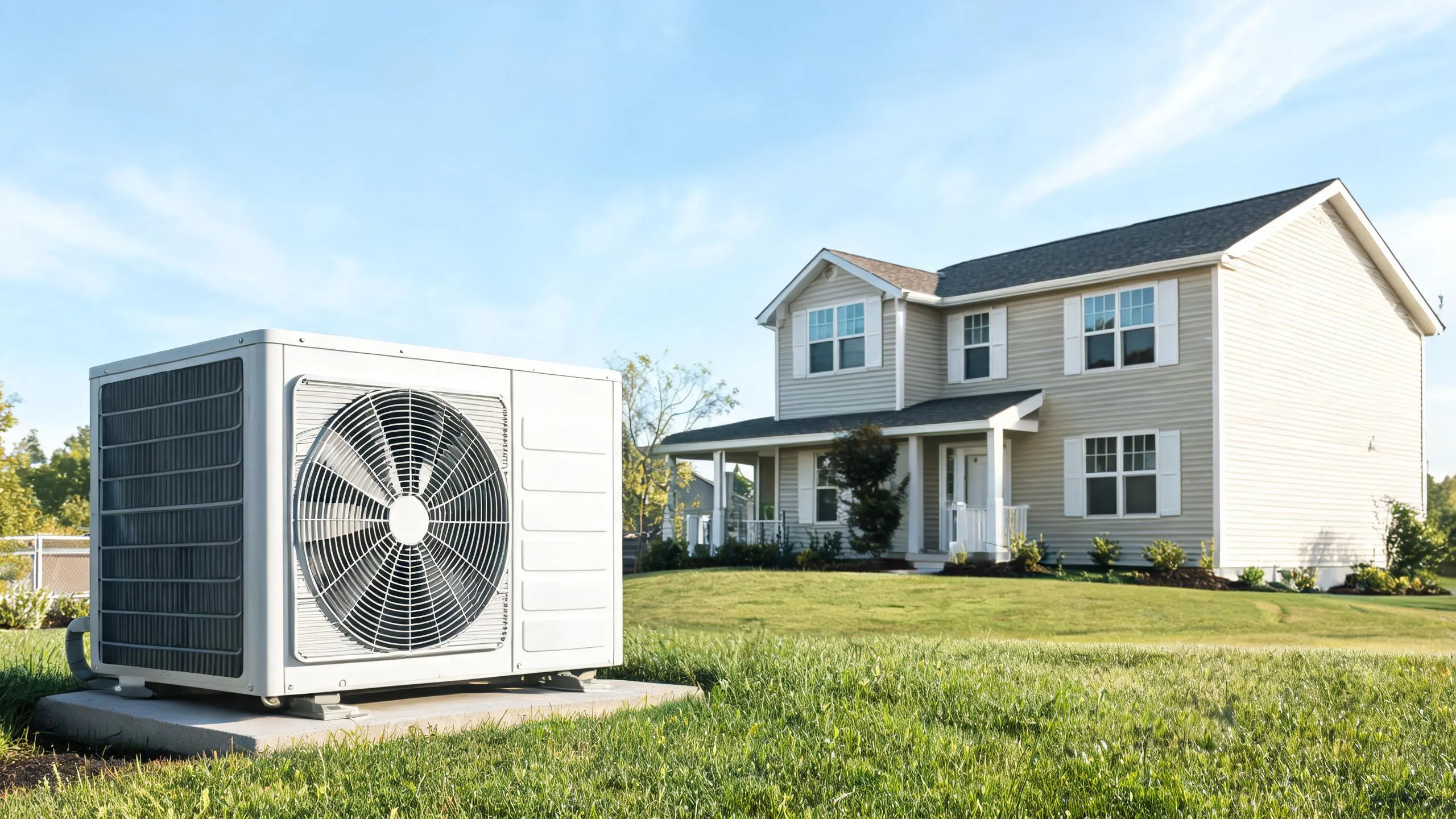





An outdoor heat pump unit mounted on a concrete pad in front of a two-story suburban house.

Heat Pump Maintenance in Marion, SC

Tell us about the job

Takes about a minute. No obligation.

Tune-up, service, or cleaningHeat PumpMarion County, SC
Step 1 of 2

What ZIP code is the job in?

Marion County logged 62 severe weather events between 2015 and 2024, and most of those were damaging wind. A heat pump's outdoor unit sits right in the path of that. Wind drives debris into the coil and the fan, and the cabinet takes the hail when storms carry it. Tornadoes have touched down here too. After a bad storm rolls through, it's worth having someone check the unit before you're relying on it to heat or cool the house.

A quick visit checks the refrigerant pressure and calls it done.

A real tune-up pulls the panels, checks the contactor, and washes out the outdoor coil.

Half these homes are old enough that a yearly check is the whole job

Half the homes here were built by 1982
Power costs 14.23 cents a kWh statewide
Climate zone 3A
Your heat pump works hardest the first month of the seasonCooling starts in May, heat starts in November. Book the check the month before each one.

After wind or hail comes through, walk out and look at the unit before you turn it back on. Clear leaves and branches away from the cabinet so air can move through it. Check the fins on the coil for dents or debris packed in tight. If the top panel is cracked or the fan sounds different than before, that's worth a call rather than waiting to see if it gets worse. South Carolina households lost power for a day or more at a high rate last year, so a heat pump that's already struggling going into a storm has less room to recover once power comes back.

Check it before storm season

Storm season beats up outdoor units here. Have it checked for damage and debris before you need it.

Find a contractor
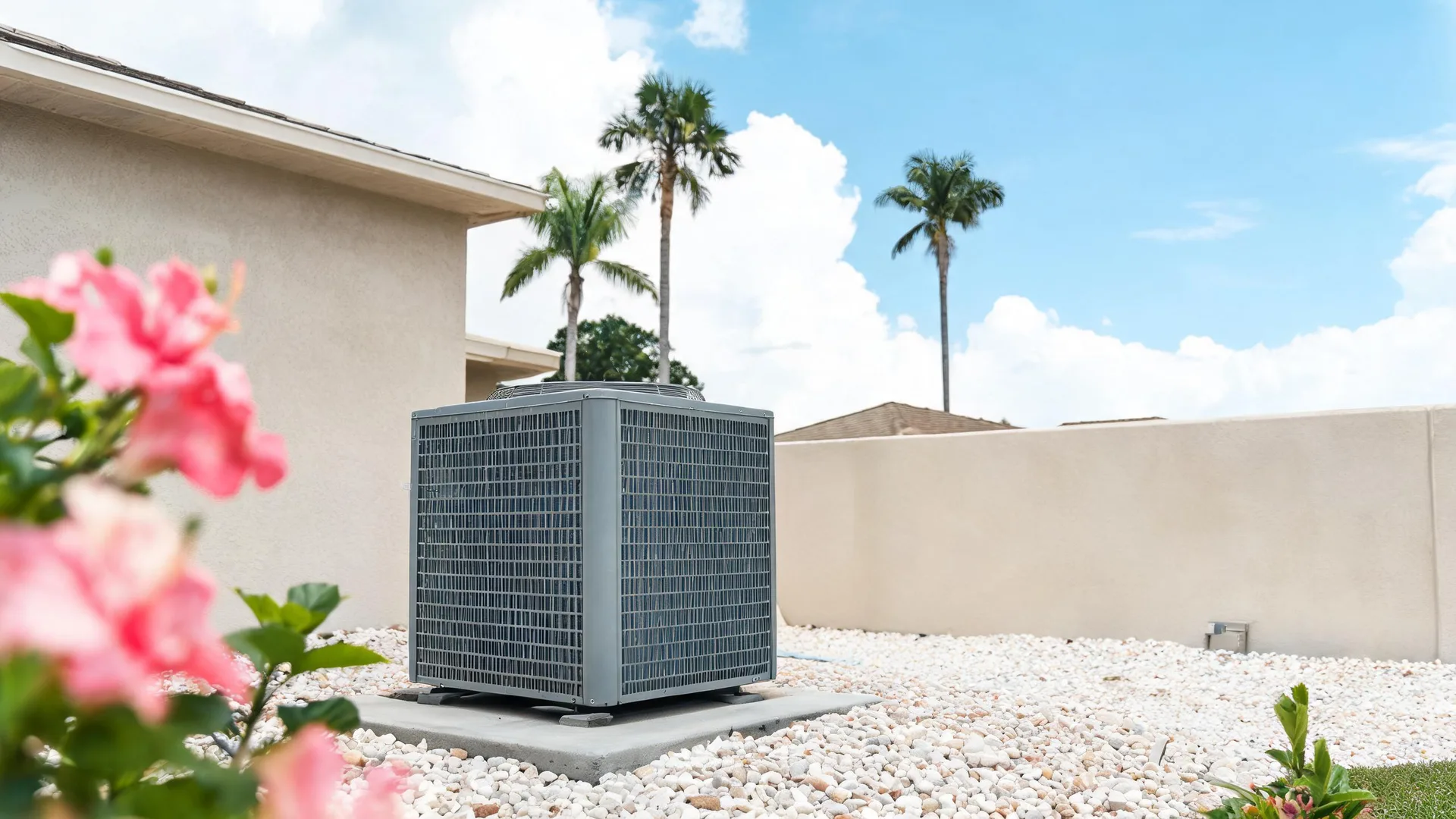
A gray air-source heat pump mounted on a concrete pad next to a house with gray vinyl siding, surrounded by gravel and flanked by green shrubs and white hydrangea flowers.

This runs every month, so nothing on it gets an off season

A heat pump runs both sides of the year, so the filter, the coils and the drain all stay in play longer than they would on a furnace or an AC alone. A dirty filter chokes airflow across the indoor coil, and that coil can ice up even in heating mode if it can't breathe. The outdoor coil has the opposite job, it dumps heat in summer and pulls heat from the air in winter, so dirt or bent fins on it work against you both ways instead of just one. The drain matters most when the unit is cooling, but mold and sludge build in it year round since the system never really sits idle long enough to dry out.

The reversing valve gets tested both ways

The reversing valve switches the system between heating and cooling, and it's the one part a homeowner has no way to check themselves. If it's sticking, the system can run backward or get stuck in one mode, and you won't know until the day you need the other one. A tune-up puts the valve through both cycles on purpose, while things are still working, instead of finding out when the season turns.
Frost on the outdoor coil isn't always a problem, until it is

A heat pump's outdoor coil frosts over in defrost cycles normally, that's expected. What a homeowner can't tell by looking is whether the defrost board is actually clearing that frost on schedule or letting it build. A coil that stays iced too long loses its ability to pull heat from the air, and the system keeps running anyway, just worse at its job. Checking the defrost timing is part of the visit, not something you'd catch from the yard.

Between visits, the filter is the one thing worth checking on your own. Pull it out, hold it up to a light, and if you can't see through it, swap it. A heat pump pulls air through that filter every time it runs, heating or cooling, so it loads up faster than you'd expect. Keep the area around the outdoor unit clear, a couple feet on every side, so the fan can pull air through the coil without straining. Don't pile mulch or plantings against the cabinet. Past that, leave the inside of the unit alone. The refrigerant charge, the electrical connections, the defrost board, those aren't things to open up yourself, and a cover left off or a panel put back wrong causes its own problems.

A tune-up starts with power to the unit shut off, not just the thermostat turned down. From there it's mostly hands-on work. The contactor gets checked for pitting, since that's the switch doing the work every time the compressor cycles on, and a worn one can fail without warning. Electrical connections get tightened, because a loose one heats up under load and that heat damages the wire over time. The capacitor gets tested under load, not just looked at, since a capacitor can read fine sitting still and still fail to start the compressor. Refrigerant charge gets checked against what the system calls for, too little and it works harder for less heat or cooling, too much and it can flood the compressor. The blower wheel gets pulled and cleaned if it's caked with dust, because a dirty wheel moves less air no matter how clean the filter is. None of this shows from the outside, which is the point of doing it before the system has to prove it under load.