


Heat pump vs furnace in Fairfield County, South Carolina

Get a Local Quote

Pros who install both

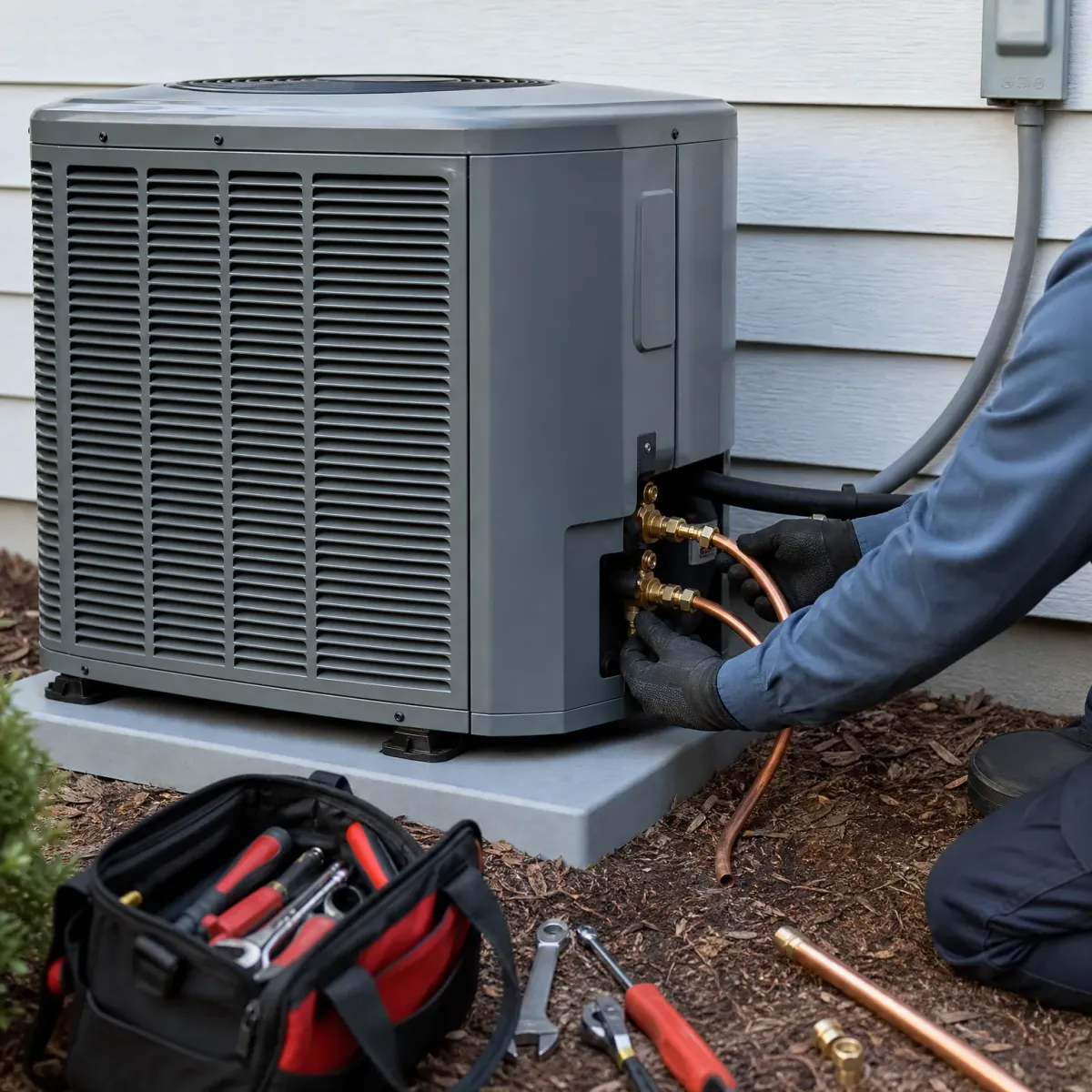
A gloved worker in a blue shirt connects copper refrigerant lines to the service valves of a gray outdoor condenser unit on a concrete pad beside a light-colored lap-sided house, with a tool bag and hand tools on the mulch in the foreground.

Tell us about the job

Takes about a minute. No obligation.

New system or replacementFairfield County, SC
Step 1 of 3

What kind of equipment?

Which costs less to run in Fairfield County?

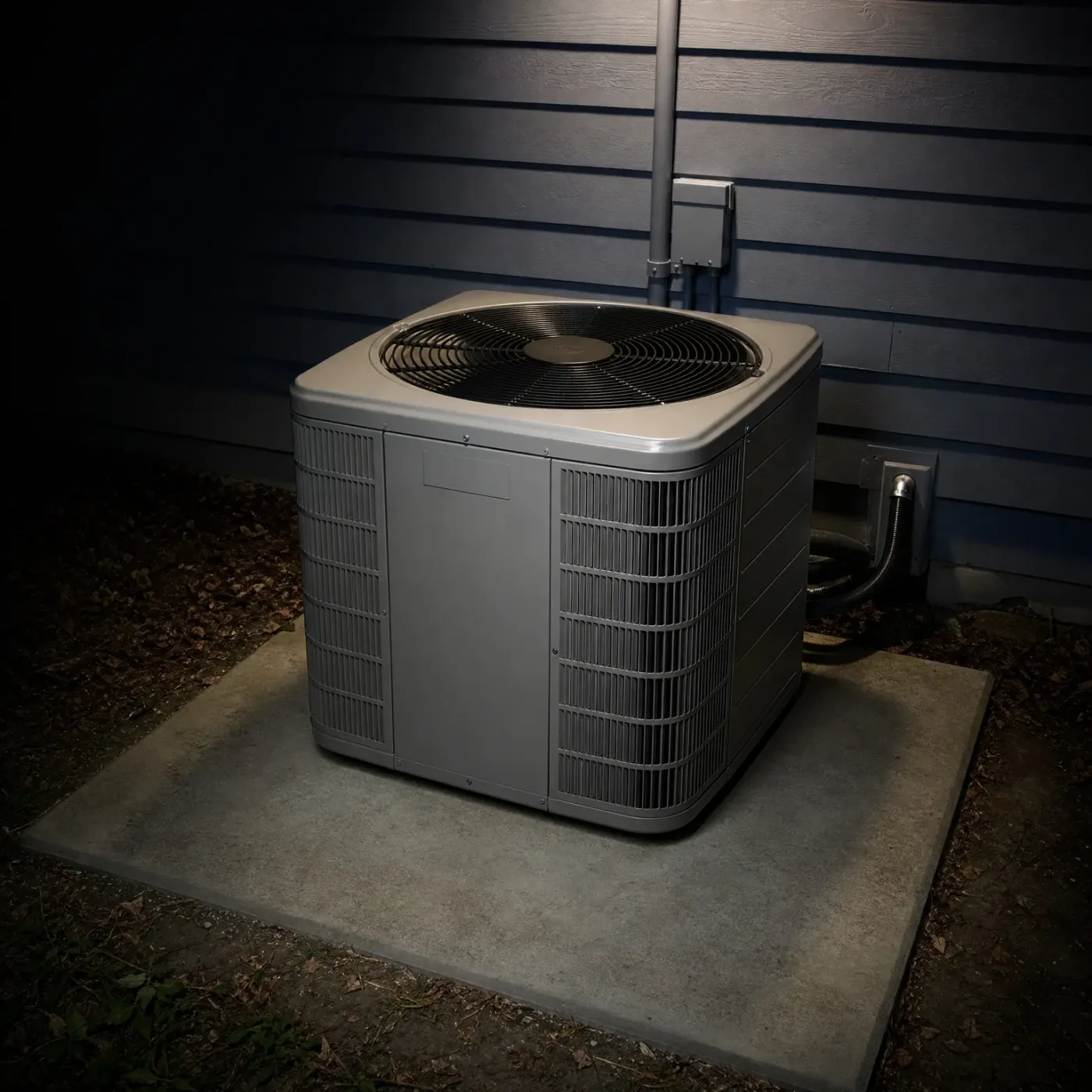
A gray outdoor air conditioning condenser unit on a concrete pad beside a dark horizontal-lap sided house at night, with a conduit, electrical box, and refrigerant lines running into the wall.

Heat pump

To heat your home here$1.90per 100,000 Btu

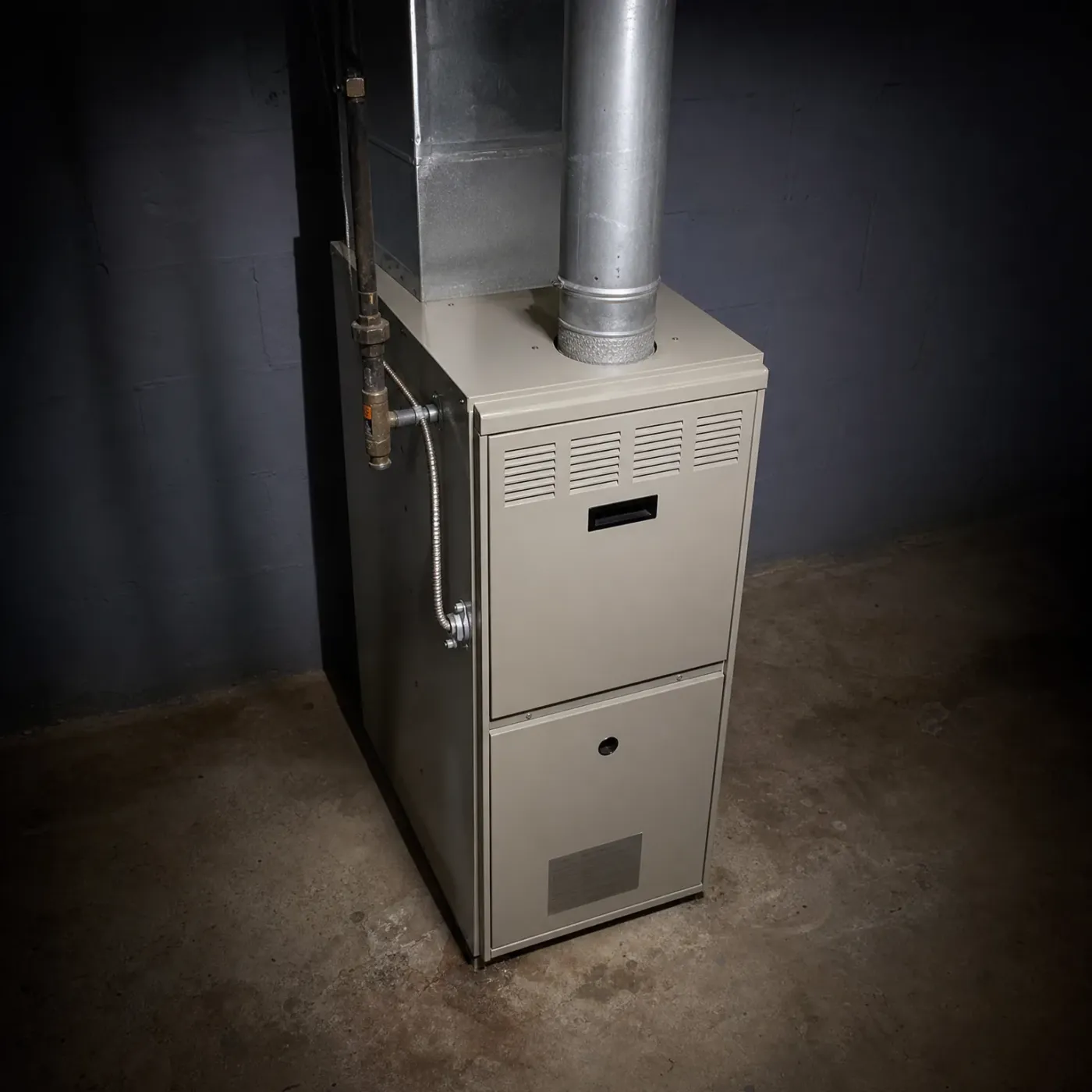
A beige gas furnace with louvered front panels stands on a concrete floor against a dark painted block wall, connected to a metal flue pipe, rectangular duct, and a gas line with flexible conduit.

Furnace

To heat your home here$2.05per 100,000 Btu

At South Carolina's gas and electricity prices, a heat pump makes the same heat as a gas furnace for about 7% less.

Btu stands for British thermal unit, the standard measure of heat energy.

Where does a heat pump shine?

  • Covers a long cooling season

    Cooling runs May through September here. A heat pump handles all of that plus the cold months, so one system does the work year round.

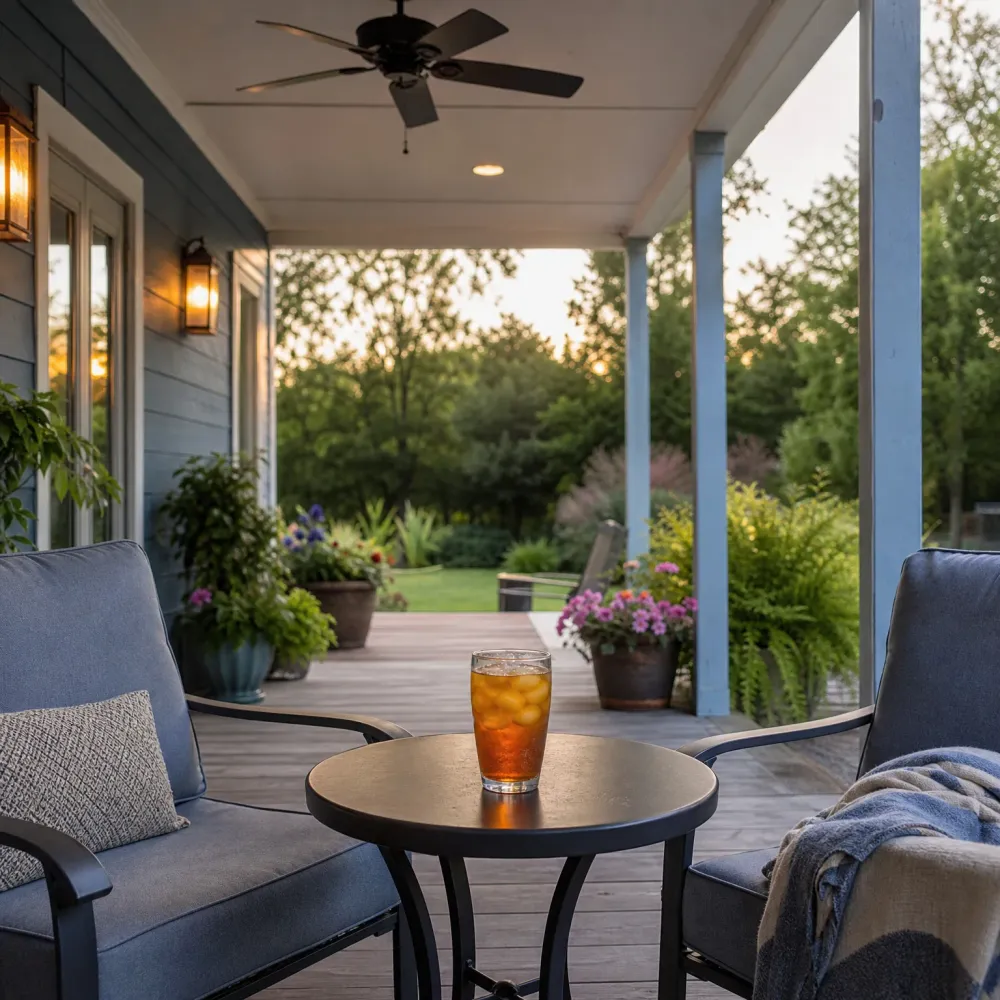
    A covered porch with blue-gray siding, a ceiling fan, two cushioned patio chairs and a small round table holding a glass of iced tea, overlooking a lawn with potted flowers and trees at dusk.
  • Heats and cools in one system

    A heat pump runs the same way all year. It pulls heat into the house in winter and pushes it out in summer.

    A living room with a beige sofa with blue and patterned cushions and a gray fringed throw, set before a large white-framed window looking onto green trees and a flowering garden, flanked by dark gray built-in bookshelves, with a wooden coffee table holding flowers and books on a woven rug.
  • No gas line, nothing burning in the house

    There's no gas line to the unit and no flame anywhere in it. Carbon monoxide isn't part of the picture.

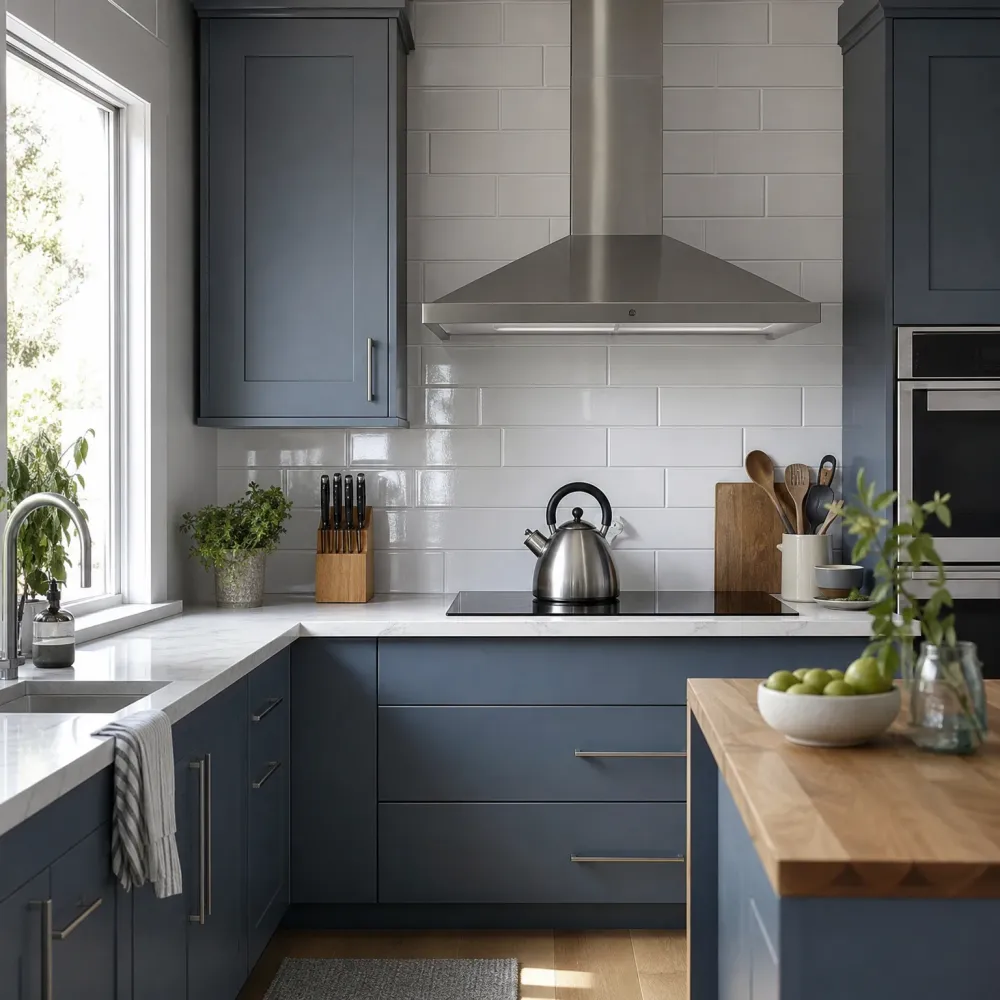
    A kitchen with blue-grey cabinets, white marble countertops, a white subway tile backsplash, a stainless steel chimney hood over a flat cooktop with a kettle, a wall oven, a window above the sink, and a wooden butcher-block island holding a bowl of green apples.

Where does a furnace shine?

  • Fast, strong heat on demand

    The air coming from the vents feels genuinely hot. That's welcome on a freezing morning.

    Entryway with dark walls, a sheer curtain beside a windowed door looking onto a snowy yard with conifers, a wooden bench with a fringed throw and steaming mug, a floor vent, a woven jute rug, and a pair of snow-dusted brown boots.
  • Pairs with any central AC

    The ductwork that delivers heat in winter delivers cool air in summer once an AC coil is added.

    A bronze-toned rectangular floor vent set in wood flooring near a window with sheer white curtains, a woven basket holding a green plant, a blue baseboard wall, and a gray rug in the foreground.
  • Proven, simple, easy to get serviced

    The design is simple and well understood. That keeps service calls short.

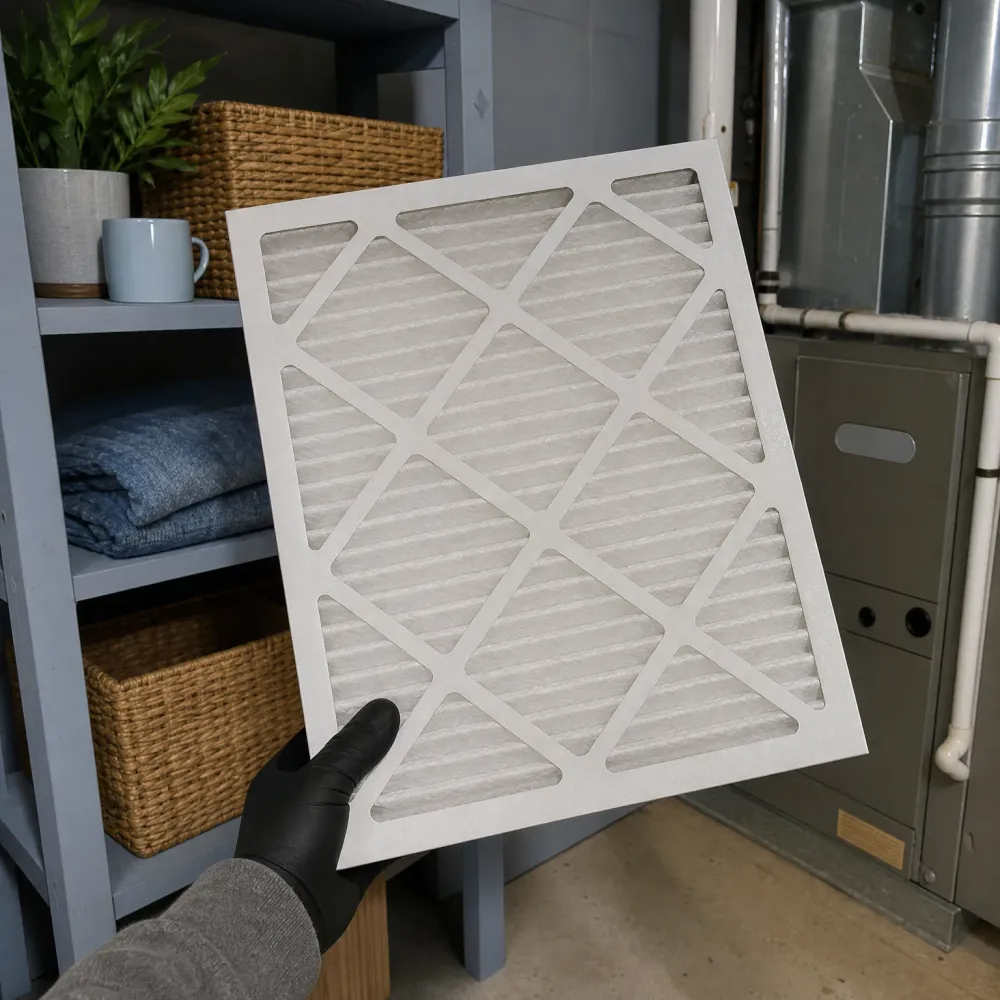
    A gloved hand holds a clean pleated air filter in front of a gray shelving unit with baskets, folded textiles, a mug and a potted plant, with a furnace and ductwork at right.

Why a heat pump makes sense here

Heat runs about five months a year in Fairfield County, November through March. Cooling runs about the same five months, May through September, with the afternoon high hitting 90°F or better on about 60 days a year. A furnace only does one of those jobs. It heats the house all winter and then sits unused the other seven months while a separate air conditioner carries the summer. A heat pump does both from the same system.

Running cost favors the heat pump too. At South Carolina's prices it makes 100,000 Btu of heat for $1.90 against $2.05 for a gas furnace. Electricity costs more per unit here than natural gas, $41.71 per million Btu against $16.37, but the heat pump moves heat instead of burning fuel to make it, so it comes out ahead anyway. That matters more here than in a lot of places, because gas only reaches 12.8% of homes in this county. Electricity already heats 68.3% of them.

Propane is the other option, and it costs more than either, $36.97 per million Btu. It heats 11.9% of homes here, close to what gas does. Between the three, electricity is both the most common fuel already in use and the cheapest per unit of heat.
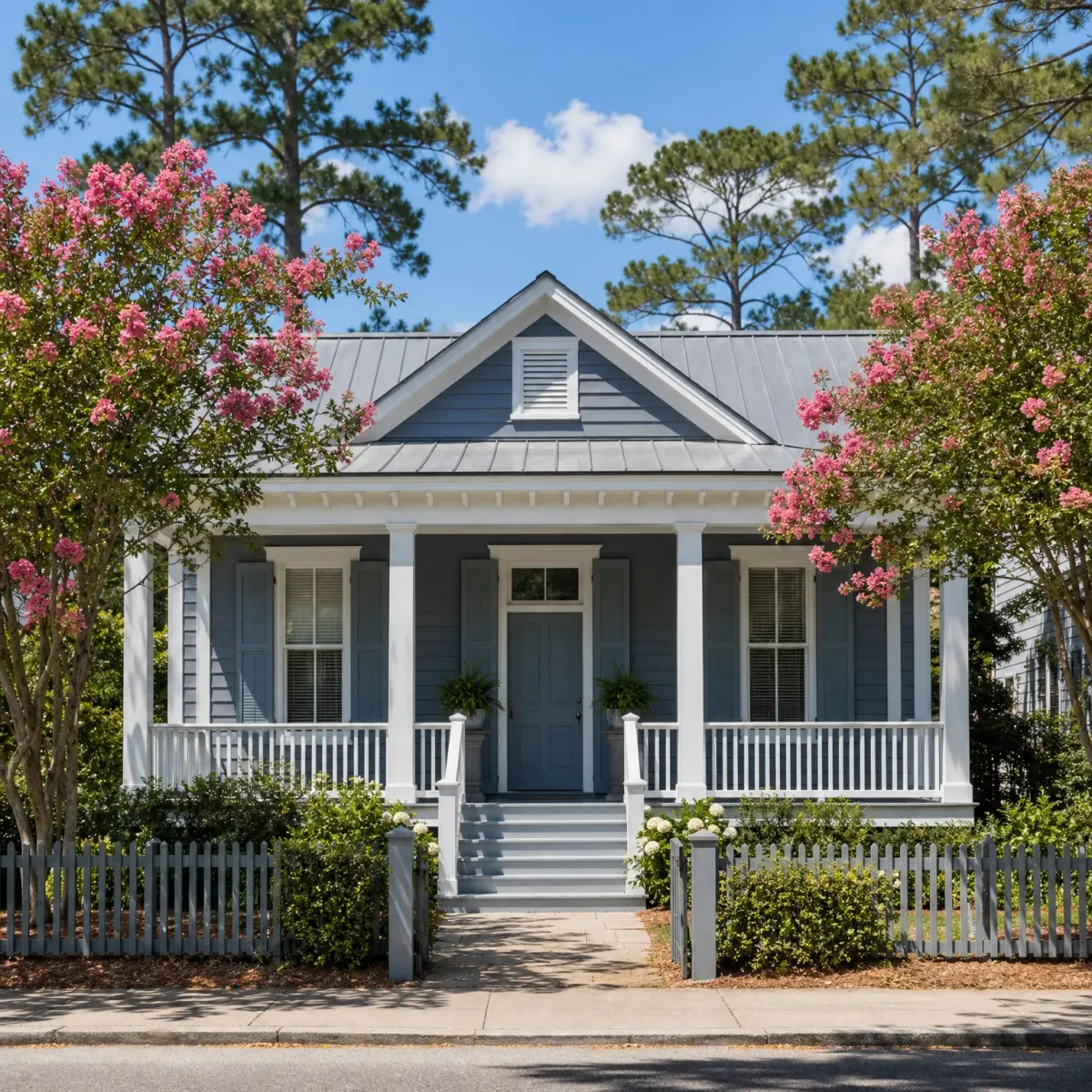
A single-story blue-gray cottage with a white columned porch, metal roof, gable vent, and white picket fence, flanked by pink-flowering trees with tall pines behind, seen from a sidewalk and street.

What a heat pump needs on the coldest nights

A standard heat pump puts out less heat than it's rated for once it drops below 40°F outside, and below about 35°F it often needs backup heat to make up the difference. The average overnight low here in December, January and February is 34°F, under both marks. About 60 nights a year here fall to freezing or colder, which is every night that matters for this question, and all of them sit below that 35°F line too.

That is not most of the heating season. Those 60 cold nights fall within the roughly 150 nights of the five months heat runs, under half. And almost none of them get seriously cold: fewer than one night a year reaches 0°F. The backup heat a standard heat pump leans on here is for nights in the 20s and 30s, not single digits.

A cold-climate heat pump is built with those nights in mind. To carry the ENERGY STAR Cold Climate label, it has to keep making 1.75 units of heat for every unit of electricity at 5°F, and hold onto 70 percent of its warm-weather capacity at that temperature, verified by outside testing. Field tests of these units in occupied homes found backup heat covered only a small share of the load between 0°F and 35°F, and running on backup alone was rare even at 0°F. Fairfield County's coldest nights do not approach that. A furnace skips this question by burning fuel directly, which is worth something to a homeowner who wants one less thing to think about, but in this county it costs more to run and does nothing for the other half of the year.

Sources: NOAA nClimDiv · NOAA 1991–2020 seasonal normals · Census ACS 2020–2024 · EIA SEDS 2024 · 10 CFR 430.32 · PNNL Building America guide · PNNL-37127 field study · ENERGY STAR product criteria

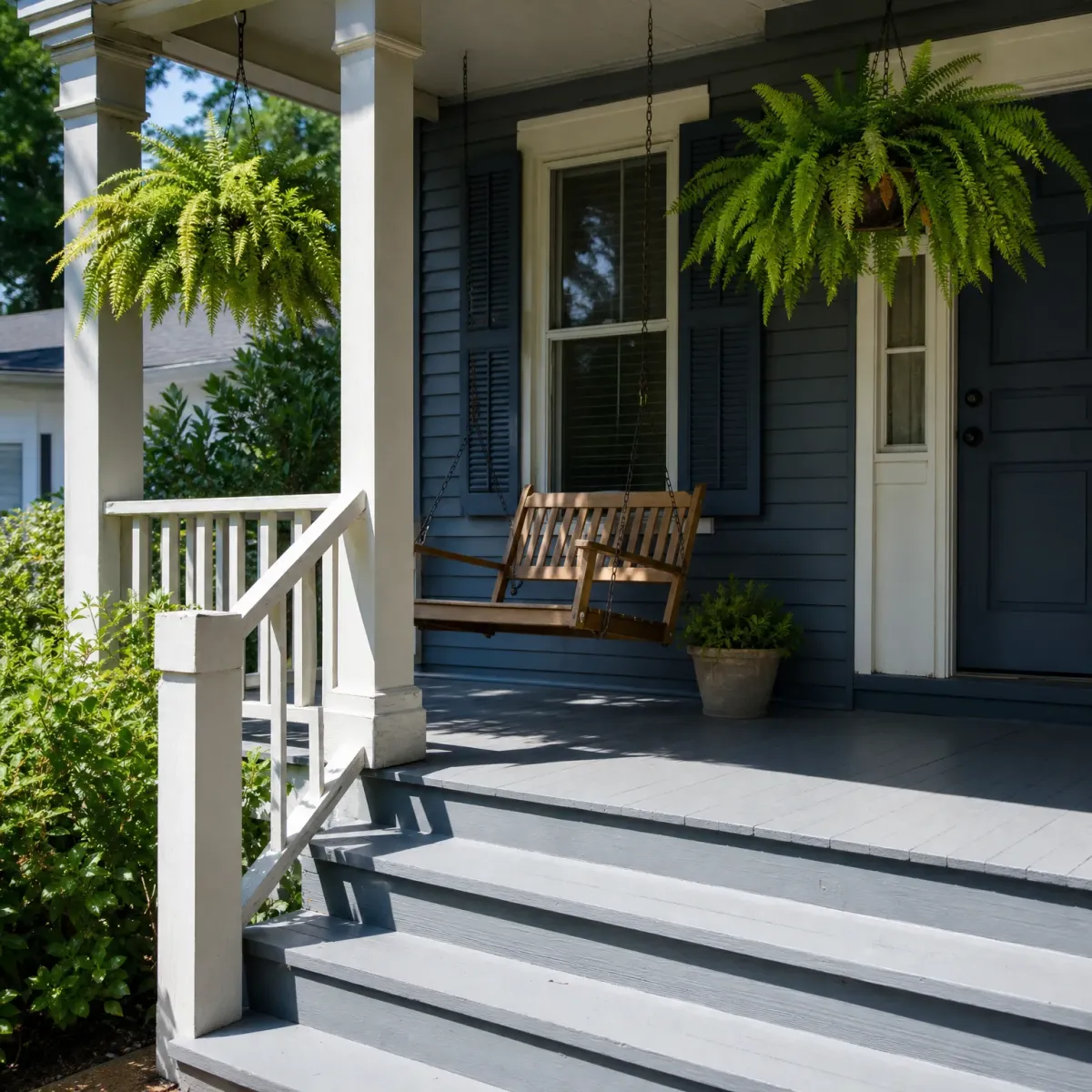
Front porch of a dark gray clapboard house with white columns and railings, a wooden hanging swing, two hanging ferns, a potted plant by the door, and painted gray steps.

Common questions about heat pumps and furnaces

  • Will a heat pump keep my house cool enough here?

    Yes. A heat pump is a central air conditioner in the summer months, built to the same cooling capacity as one, so it covers the afternoons here that reach 90°F or above on about 60 days a year the same way a standalone AC would. It also means one system handles the roughly five months of cooling and five months of heating here, instead of pairing a furnace with a separate AC.

  • What if my house doesn't have a gas line?

    A heat pump works without any gas line at all. It runs on electricity, the same as electric resistance heat, but it moves heat instead of generating it, so it costs less to run than baseboard or an electric furnace. For a house with no gas line already in place, a heat pump is usually the cheaper electric option, not the oil or propane furnace.

  • What if my house heats with oil or propane?

    A heat pump replaces both and runs cheaper than either where it's been measured against gas. Propane cost South Carolina homes $36.97 per million Btu in 2024, more than double what natural gas cost, so a furnace burning propane costs more to run than the $2.05 figure for a gas furnace here, and a heat pump's $1.90 undercuts it by more than that. Switching from oil or propane to a heat pump also means no fuel tank and nothing burning in the house.

  • Is a heat pump cheaper to run than a furnace in Fairfield County?

    Yes. A heat pump here costs about $1.90 to make 100,000 Btu of heat, against $2.05 for a gas furnace, so it runs about 7% cheaper at South Carolina's average electricity and gas prices. The gap holds because a heat pump moves heat rather than burning fuel for it, so it gets more heat out of every dollar of electricity than a furnace gets out of a dollar of gas.