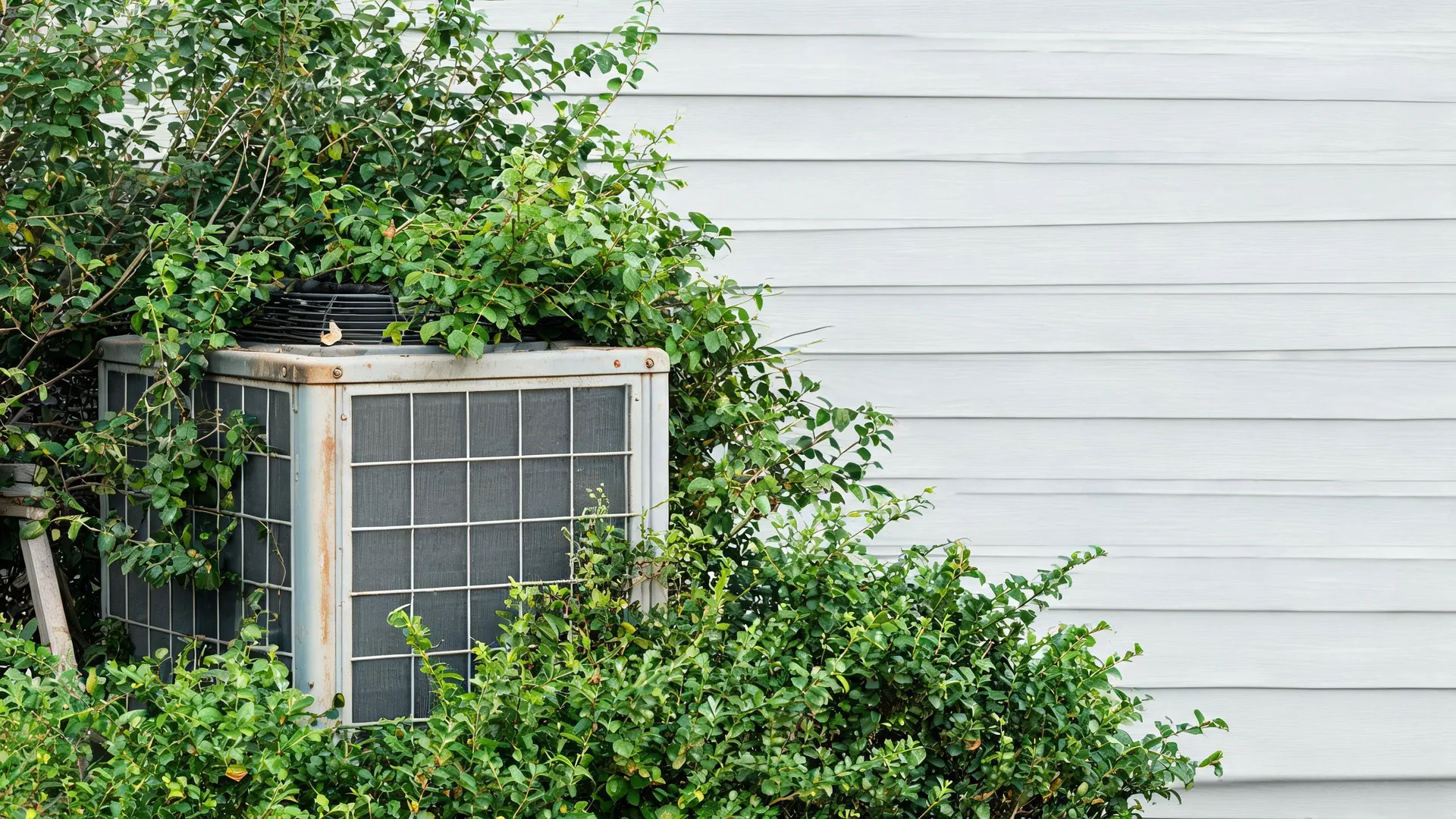
Weather here is hard on outdoor units
Orangeburg County saw 241 severe weather events between 2015 and 2024, including damaging wind, hail and tornadoes. The outdoor unit of a heat pump sits through all of it, exposed to wind-driven debris and hail.
Takes about a minute. No obligation.
Orangeburg County saw 241 severe weather events between 2015 and 2024, including damaging wind, hail and tornadoes. The outdoor unit of a heat pump sits through all of it, exposed to wind-driven debris and hail.
45% of South Carolina households went at least 24 hours without power in 2024. A heat pump needs electricity to run, so an outage that long means no heat or cooling, on top of whatever the storm did to the unit itself.

NOAA nClimDiv, 1991–2020 normals
Heat pumps here work hardest in the first cold snap of November and the first hot stretch of May.
A weak part that made it through the quiet months usually gives out right when the load hits it.



Orangeburg County took damaging wind 177 times between 2015 and 2024. That is wind strong enough to rattle the cabinet, bend a fan blade, or drive debris into the coil on the outdoor unit. A heat pump out there does not get to wait out a storm indoors. After enough of that, a connection works loose or a part that was already weak finally quits. Most of the time what looks like a random breakdown traces back to stress the unit has been taking for a while. Getting it diagnosed properly, instead of just patched, is what makes the fix hold.
Hail and wind can leave a coil or fan blade damaged without stopping the unit outright. If it has been through a storm this year, worth having someone check it before the next cold snap or hot stretch puts real load on it.
Find a contractorThat outdoor unit runs through every one of those 177 wind events, not just the big ones that made the news. Each time it rattles the cabinet or flexes a fan blade a little more, the damage doesn't announce itself. It shows up later as a short, a leak, or a part that quits on the first cold morning. If yours has taken a hit this year, the inside of the cabinet is worth a look even if the outside looks fine.
A heat pump low on refrigerant will keep running, just poorly. It pulls harder to make the same heat, the compressor runs hotter than it should, and heat builds up in a part that was never built to carry that load for long. Keep running it that way and the compressor is what fails, and that is not a quick fix.
When a capacitor is going, the compressor struggles to start each cycle and draws more current trying. That extra strain wears on the windings every time it kicks on. Swap the capacitor early and the compressor is fine. Wait, and the compressor is what gives out.
Short cycling is one of the clearest signs something is wrong. The unit kicks on, runs a few minutes, shuts off, then starts again before the house has warmed or cooled at all. That is not normal wear. That is a part telling you it cannot finish a cycle. A little frost on the outdoor unit in cold weather is normal for short stretches, but a coil that stays frosted over usually means a reversing valve stuck in one position or refrigerant running low. Warm air coming out of the vents when it should be hot means the same kind of trouble further along. A system that runs nonstop and never catches up is already struggling. Any of these is worth a call before the unit stops rather than just underperforms.
A heat pump that keeps needing a different part is telling you something different than one that fails once after years of running fine. Age matters more with a heat pump than with a furnace, because the compressor and the outdoor coil both sit outside taking weather every day, all year, not just during one season. If the compressor itself is failing, that is usually the point to think hard about replacing rather than repairing. It is the most expensive part in the system, and the labor to replace it alone can rival putting in a new unit. A refrigerant leak works the same way. One leak, found and sealed, is a repair. A system that keeps needing refrigerant added has a leak somewhere that patching has not fixed, and that pattern tends to repeat. A failed capacitor, a bad contactor, a blower motor going out, those are normal wear items on a system that is otherwise sound, and fixing them is usually the right call no matter how old the unit is.