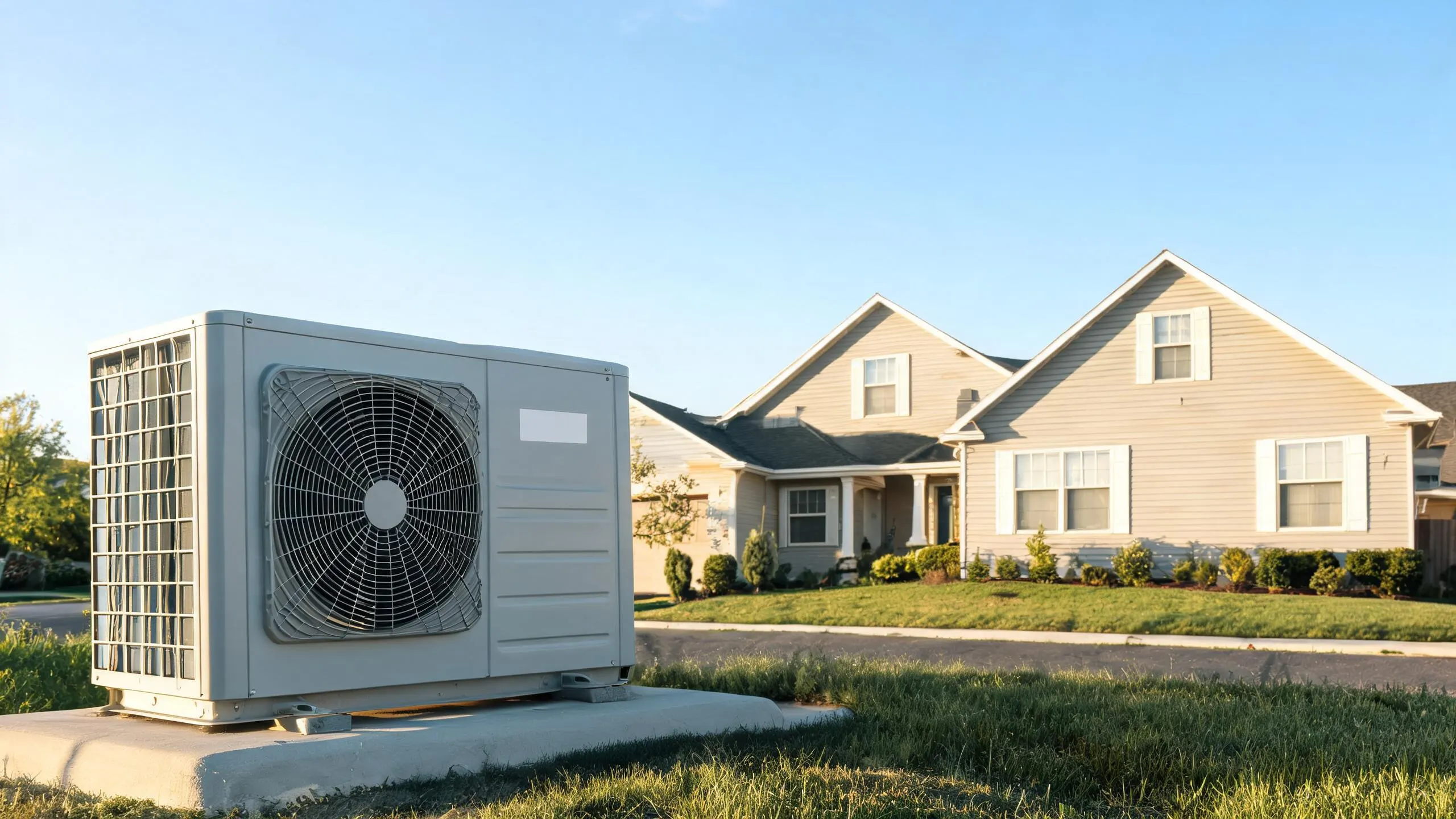





An outdoor heat pump unit mounted on a concrete pad in front of a two-story suburban house.

Heat Pump Repair in Walterboro, SC

Tell us about the job

Takes about a minute. No obligation.

RepairHeat PumpColleton County, SC
Step 1 of 2

What ZIP code is the job in?

Most heat pump failures trace back to a handful of parts. The reversing valve sticks and the system gets stuck in one mode, blowing heat when you want cool or the other way around. A capacitor weakens and the outdoor fan or compressor struggles to start, sometimes humming without turning over. Low refrigerant from a slow leak at a fitting or coil cuts into both heating and cooling, and it won't fix itself without finding and sealing the leak. The defrost sensor or control board can fail too, leaving ice built up on the outdoor coil that never melts off. A dirty outdoor coil, choked with leaves or grass clippings, makes the whole system work harder and wears parts out sooner than they should.

5 months
November through March, your system heats
6 months
May through October, it cools
38°F
the average winter night it heats against
90°F
the average summer afternoon it cools against
Isometric cutaway illustration of a single-story house showing interior ductwork, an indoor air handler and furnace unit, and an outdoor condenser connected by a line, on a white background.
Your system heats November through March and cools May through October.

NOAA nClimDiv, 1991–2020 normals

Heat pumps in Walterboro sit idle all summer, then switch to heat mode in November.

A weak capacitor or failing sensor tends to show up in the first cold snap of the season.

Half these homes were built by 1987, but age isn't why your heat pump is acting up

Half the homes here were built by 1987
561 damaging wind events from 2015 to 2024
Power costs 14.23 cents a kWh statewide

Before calling anyone, look at the outdoor unit. If it's caked in leaves, grass clippings or ice that isn't melting off, that alone can cause the symptoms you're seeing, and clearing debris away from the coil is safe to do yourself. Check the thermostat batteries and make sure it's actually set to heat, not auxiliary or emergency heat by mistake. Go to the breaker panel and confirm both the indoor and outdoor breakers are on, since a tripped breaker on just one side can make the system run partway and act strange. Look at the air filter too. A filter packed with dust chokes airflow and can make a working system seem broken when it isn't. If you've checked all that and it's still blowing the wrong temperature, cycling oddly, or the outdoor fan isn't spinning at all, that's past what's safe to dig into without the right gauges and training.

Storms hit this area hard. If the outdoor unit took a hit, get it checked even if it still runs.

Colleton County has logged 561 damaging wind events and 13 hail events over the past decade. The outdoor unit sits through all of it, out in the open. If it took a hit in the last storm and still seems to run fine, have it checked anyway. Almost half of South Carolina households lost power for a day or more last year, and an outage like that can matter as much as the storm when it comes to heat.

Find a contractor
A gray heat pump outdoor unit mounted on a concrete pad next to the stone-accented exterior wall of a house.

Storms, sitting outside

The outdoor unit sits outside year round, through wind, heat and cold, with nothing covering it. Colleton County has logged 561 damaging wind events between 2015 and 2024, and each one leaves the coil, the fan blades and the refrigerant lines exposed to whatever blew through. Bent fins, a cracked fan blade or a loosened connection can sit there for months before they show up as a system that won't heat right.

A small problem doesn't stay small

A system low on refrigerant keeps running, but the compressor has to work harder to move heat with less of it. That strain wears the compressor down faster than it would wear otherwise. A coil losing its fight against ice behaves the same way. The system keeps trying to push air past ice that's thickening, and the compressor is what absorbs the extra load.
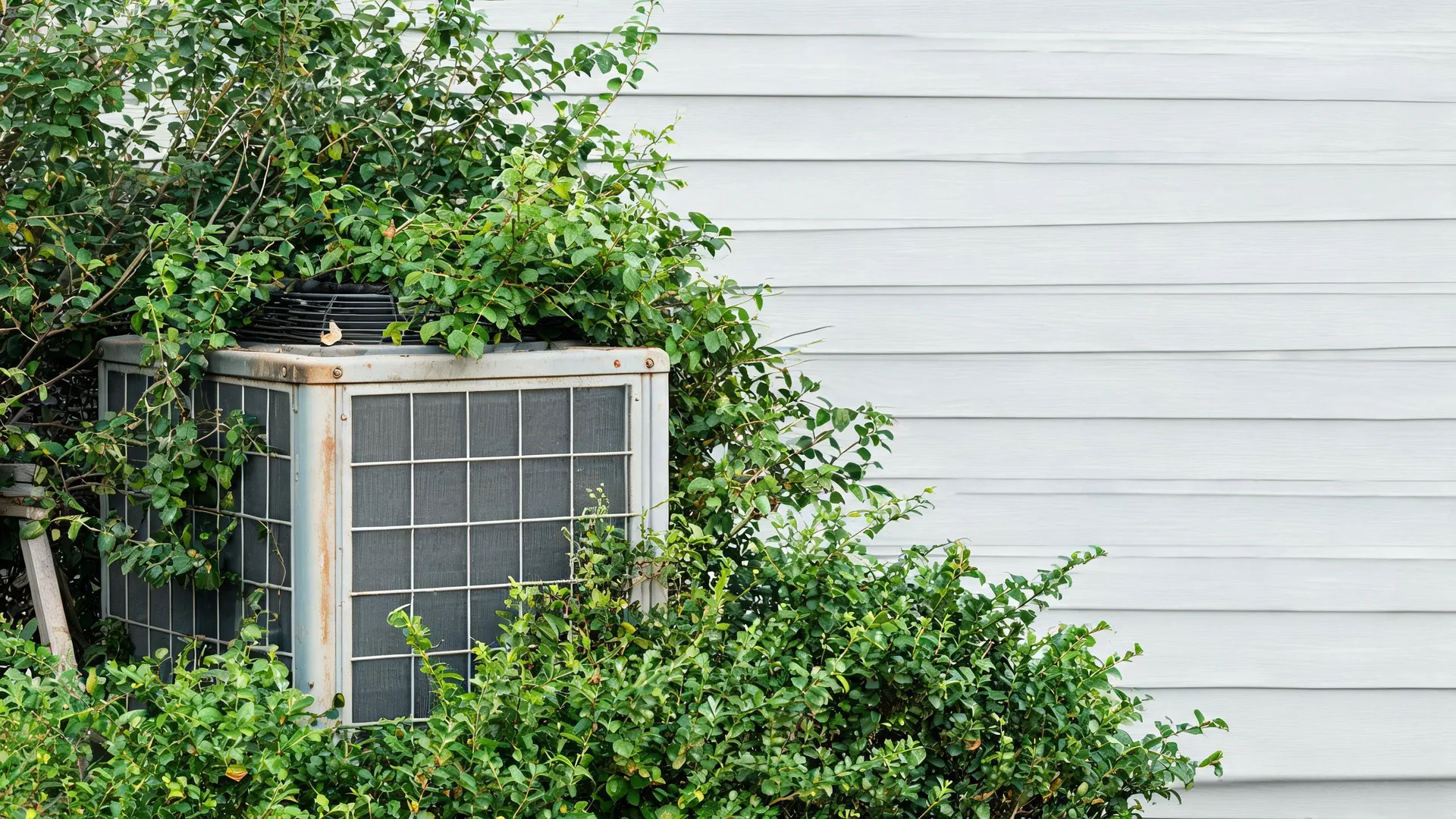
Running on a bad part still wears out the good ones

A weak capacitor makes the outdoor fan motor or compressor strain to start each time it cycles on. Every cycle it survives that way adds wear the motor wasn't built for. Let it go long enough and a capacitor problem turns into a motor problem.

Most of the time, trouble shows up as a feeling first. The air coming out doesn't feel like heat, or it feels weaker than it should. The system runs longer than it used to, or it short cycles, kicking on and off every few minutes instead of settling into a steady run. Some homeowners notice the outdoor unit making a new sound, a hum with no fan movement, a click that repeats without the system starting. Others notice ice on the outdoor coil that's still there hours later instead of melting off during a normal defrost. Any of those is the system telling you something inside it has already changed.

A heat pump that's low on refrigerant or losing a fight with ice can still run for a long time before it quits outright, so age of the problem matters less than what's failing. A capacitor or a sensor is a straightforward swap, and a system that's otherwise sound is worth fixing every time. A compressor is a different question. It's the most expensive part in the system and the hardest to replace on its own, so a failing compressor often means pricing the repair against a new system rather than just fixing the one part. The deciding question isn't how old the system is, it's whether this is a part failing on its own or a part that failed because something else wore it down first. A tech can usually tell you which one you're looking at once the gauges are on it.