





An outdoor heat pump unit mounted on a concrete pad in front of a single-story suburban house with beige siding.

Heat Pump Repair in Cheraw, SC

Tell us about the job

Takes about a minute. No obligation.

RepairHeat PumpChesterfield County, SC
Step 1 of 2

What ZIP code is the job in?

Chesterfield County saw 174 severe weather events between 2015 and 2024, and damaging wind caused most of them. Hail showed up too. A heat pump's outdoor unit sits right in the path of both, and wind-blown debris can bend the fins or crack the fan blade without stopping the system right away. It might run for weeks after a storm before the damage shows up as a loss of heating or cooling. If your unit took a hard storm recently, that's worth a look even if it still kicks on.

5 months
November through March, your system heats
5 months
May through September, it cools
34°F
the average winter night it heats against
90°F
the average summer afternoon it cools against
Isometric cutaway illustration of a small house showing interior ductwork and an air handler connected by lines to an outdoor condenser unit on a pad beside the building.
Your system heats November through March and cools May through September.

NOAA nClimDiv, 1991–2020 normals

Heat pumps in Cheraw run from November through March, and October is when a weak part gets found the hard way.

If the heat has not been checked since last winter, do it before the first cold week in November puts a full load on it.

Half these homes were built by 1986, and that's an ordinary age for a heat pump repair

Half the homes here were built by 1986
111 damaging wind events from 2015 to 2024
43 hail events from 2015 to 2024

Get it checked after a storm

Storms hit hard here. If the outdoor unit took hail or debris, have it checked even if it still runs.

Find a contractor
A gray air-source heat pump mounted on a concrete pad next to a house with gray vinyl siding, surrounded by gravel and flanked by green shrubs and white hydrangea flowers.

It works all year, so it fails more ways than a furnace does

A heat pump works both sides of the year, so it fails in more ways than a furnace that only runs part of it. The reversing valve is the part unique to it, and it's a common failure point, since it switches position every time the system changes between heating and cooling. Over enough cycles it can stick or leak. The outdoor fan motor and compressor run across both seasons too, with no real rest between them, and that steady load wears bearings and windings down over time. Low refrigerant charge from a slow leak shows up as weaker heat in the winter and weaker cooling in the summer, often both, since it's the same refrigerant doing both jobs. A dirty outdoor coil makes the system work harder no matter which way it's running, and that extra strain shortens the life of whatever gives out first.

Check the thermostat first

Make sure it's set to heat and the setpoint is above room temperature. Swap the batteries if it uses them. A thermostat that lost its schedule or reverted to a default setting will leave a heat pump sitting idle for a reason that has nothing to do with the equipment outside.
Look at the outdoor unit before you call

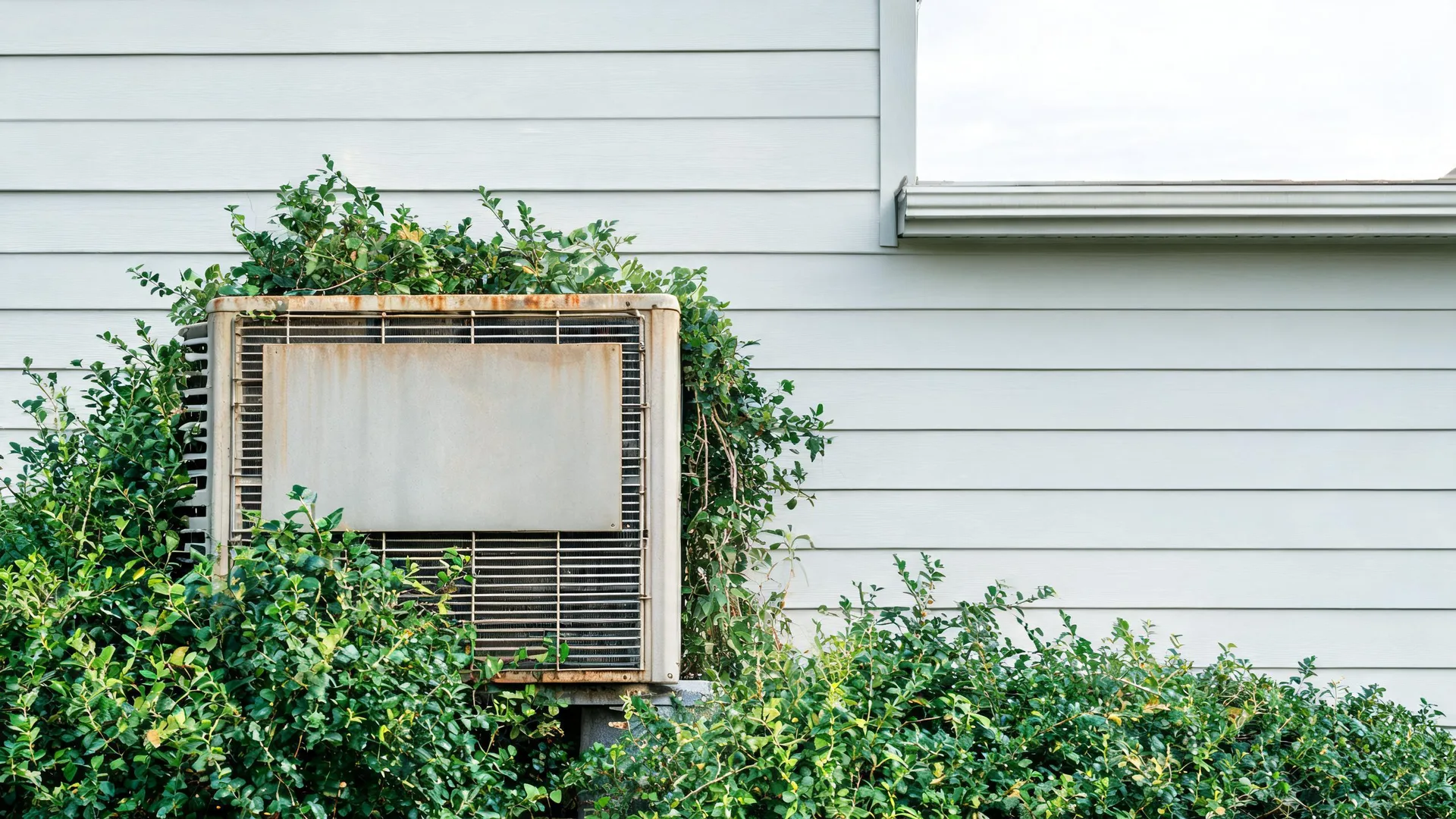
Clear away leaves, mulch or anything piled against it, and check whether the coil fins are caked with dirt or the fan is blocked from spinning freely. In cold weather a layer of frost is normal, but a thick coating of solid ice over the whole unit usually means the defrost cycle isn't working and that's a repair, not something to chip off yourself.

A heat pump that can't hit its setpoint will just keep trying, and that's often the worst thing for it. A weak capacitor makes the compressor strain to start each cycle. It survives a few of those, then one day it doesn't start at all. A slow refrigerant leak follows the same pattern. The system runs longer to make up for the lower charge, and that extra runtime stresses a compressor already working against the wrong pressures. Ice on the outdoor coil blocks airflow, and a system that keeps running against a blocked coil can push liquid refrigerant back into the compressor, which it isn't built to handle. None of these get better with time. The sooner it's shut off and looked at, the more parts survive to be reused instead of replaced.

A diagnostic starts outside with gauges on the lines, reading refrigerant pressure on the high side and the low side. That shows whether the charge is right before anything gets taken apart. Next comes the electrical side. The tech checks the capacitor's output, looks at the contactor for pitting, and tests the windings on the compressor and fan motor for a short. Inside, the air handler and coil get checked along with airflow across them, since weak airflow can look like a refrigerant problem and send someone chasing the wrong fix. The reversing valve gets tested by switching the system between heating and cooling and watching whether it actually changes position. Whatever the gauges and meters show is what gets fixed. Nothing gets swapped on a guess.