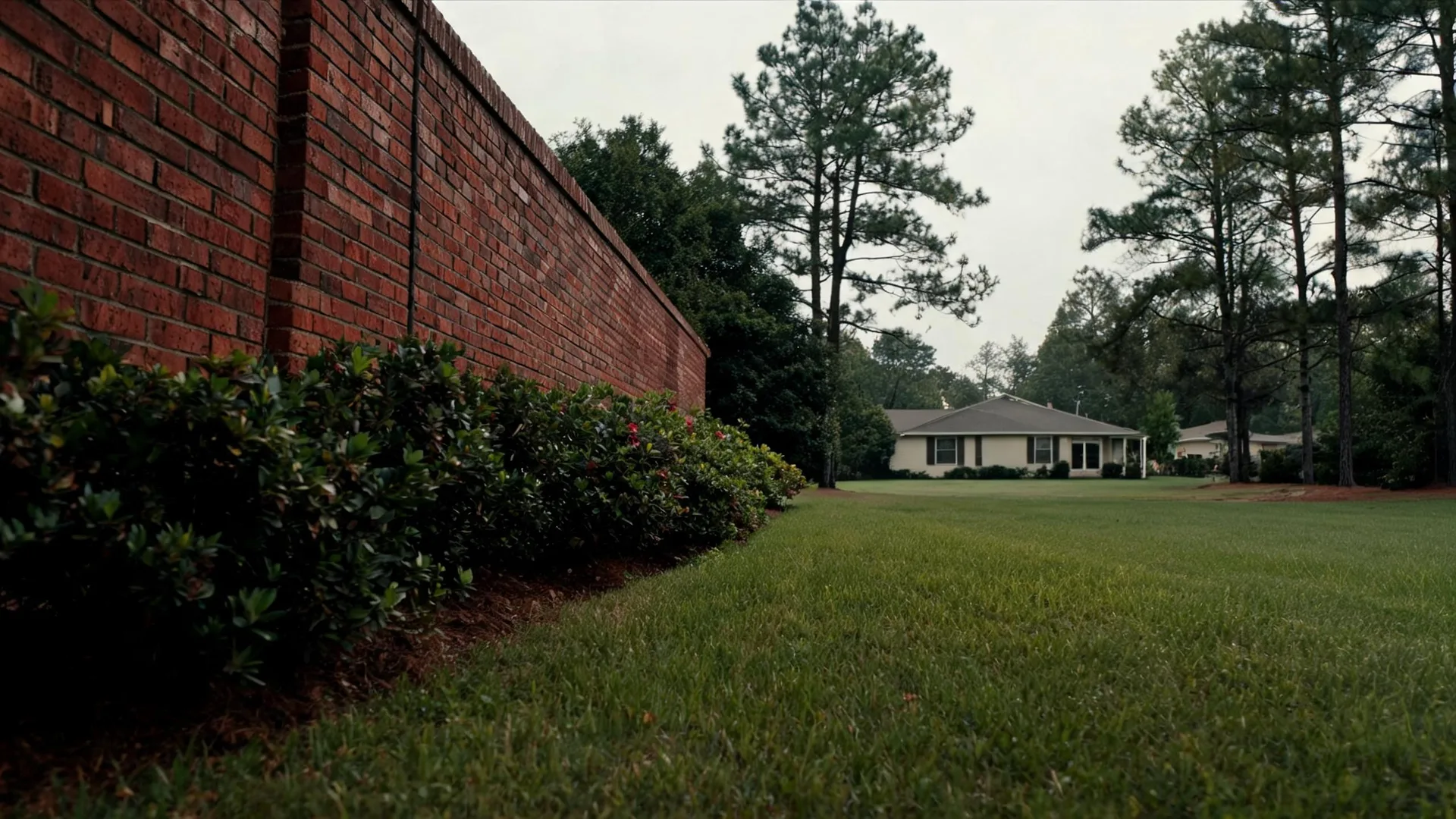




A tall red brick wall with a row of shrubs runs along the left side of a mown lawn, with a single-story light-colored house and tall pine trees in the background under an overcast sky.

Heat Pump Repair in Lancaster, SC

Tell us about the job

Takes about a minute. No obligation.

RepairHeat PumpLancaster County, SC
Step 1 of 2

What ZIP code is the job in?

Lancaster County saw 191 severe weather events between 2015 and 2024, most of it damaging wind. Wind throws branches and debris into the outdoor unit, and hail dents the fins and coil. A heat pump can take a hit like that and keep running for months before it starts short-cycling or losing capacity. If yours sat through a storm this year, it is worth having someone look at the coil and the fins even if the heat still comes on.

5 months
November through March, your system heats
5 months
May through September, it cools
33°F
the average winter night it heats against
89°F
the average summer afternoon it cools against
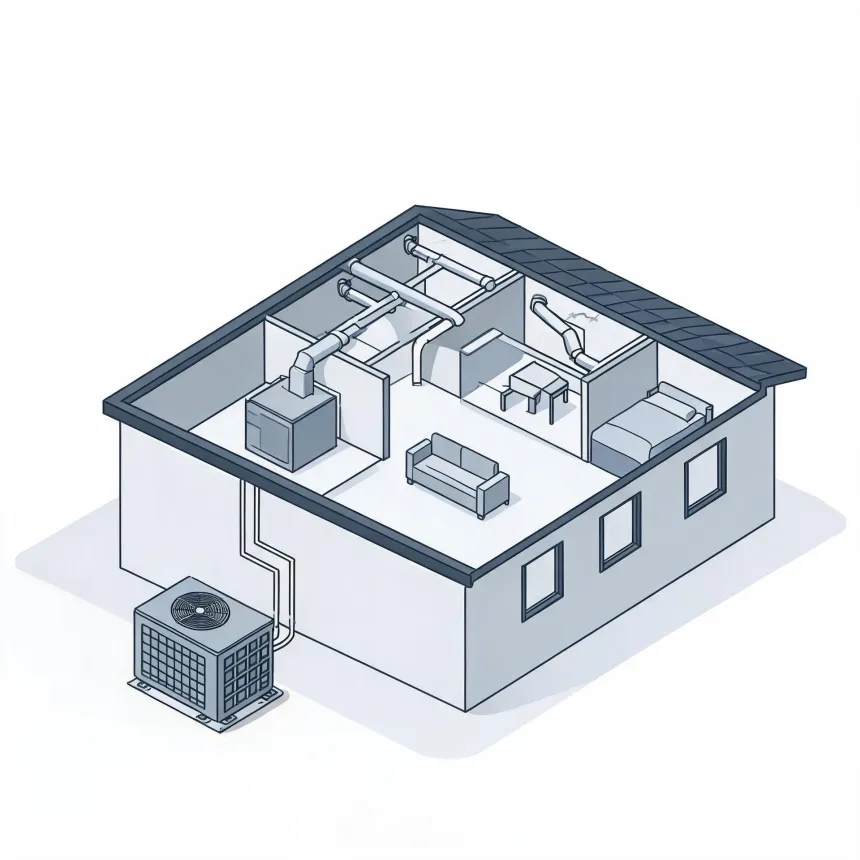
Isometric line illustration of a cutaway single-story house showing interior rooms with ducted air distribution, an indoor air handler, furniture, and an outdoor condenser unit connected by lines outside the wall.
Your system heats November through March and cools May through September.

NOAA nClimDiv, 1991–2020 normals

Half the homes in Lancaster County were built in 2000 or later.

A heat pump that came with a newer house still has working life ahead of it, and repair is usually the right call.

Load hits in November, and a weak heat pump shows it fast

Cooling runs May through September
Heat runs November through March
133 damaging wind events from 2015 to 2024

Nothing about Lancaster's weather works against a heat pump day to day. Zone 3A means summer runs long here and winter stays mild most days, which is easy duty for a heat pump compared to places where it has to pull heat out of freezing air for months straight. When one stops working right in this county, it's rarely the weather catching up with it. It's a low refrigerant charge, a failing capacitor, a contactor worn out from cycling on and off, or a reversing valve stuck in one position. Those are the same problems a tech checks for on a heat pump anywhere, and most of them are straightforward to fix once someone has eyes on the unit.

Had a storm come through? Get the unit looked at before it starts short-cycling

If the outdoor unit sat through a storm this year, get the coil and fins checked even if the heat pump still runs fine today.

Find a contractor
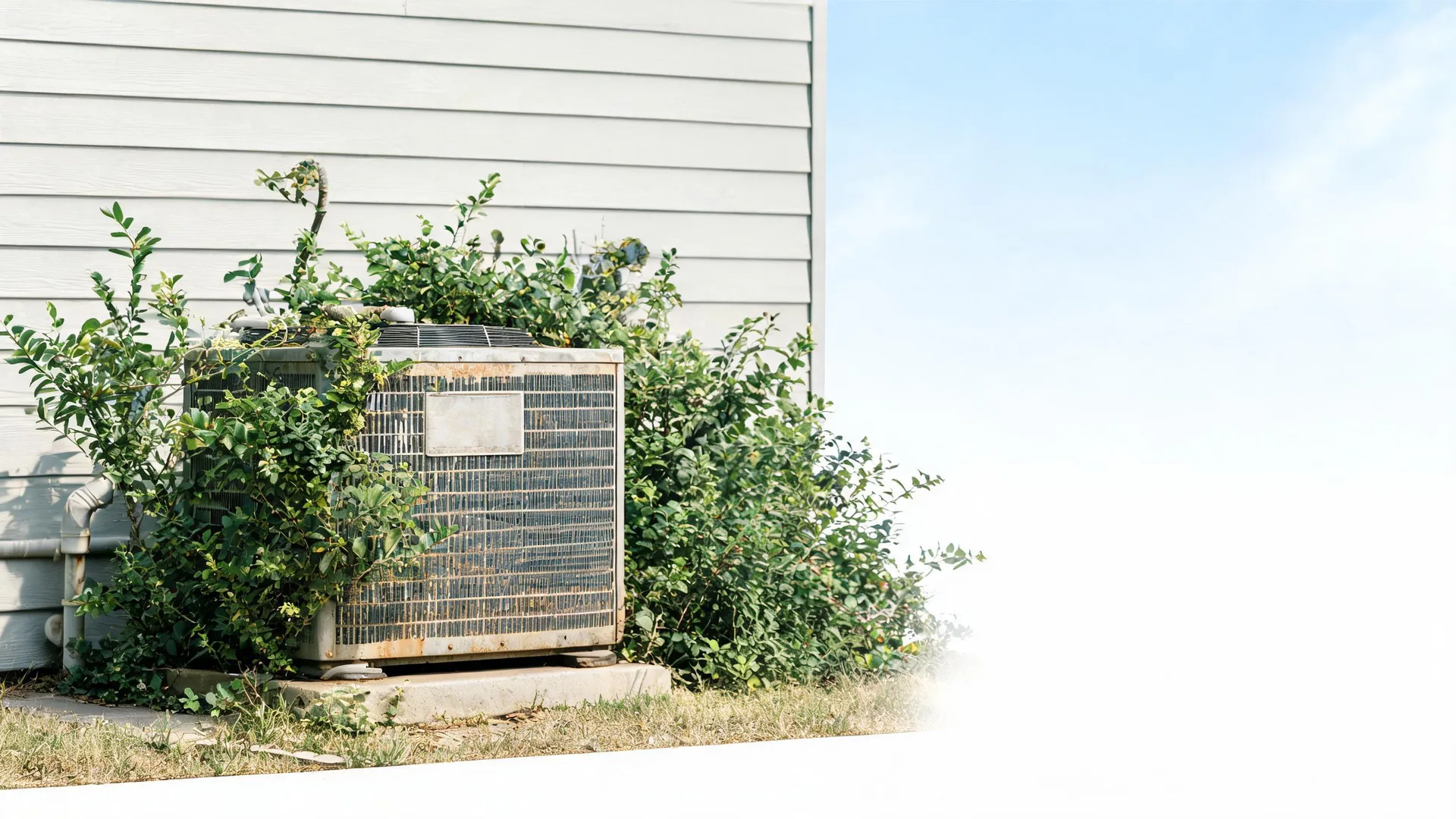
A residential heat pump outdoor unit mounted on a concrete pad next to a house with gray vinyl siding.

Still within its working life

That working life ahead is the reason to get a repair tech out rather than write the unit off. A capacitor, a contactor, a reversing valve stuck in one position, none of that means the unit is done. It means one part failed and needs swapping. If yours is running rough or short-cycling, that's worth a look before anyone talks about replacing it.

The reversing valve is often the real culprit

When a heat pump blows cold air in heating mode or won't switch over at all, people assume the compressor is shot. Usually it's the reversing valve. A weak solenoid or debris inside it can stick the valve in one position. That part can be replaced without touching the compressor.
Compressors fail from neglect, not age alone

A compressor that dies early almost always got there from something upstream. A refrigerant leak run too long, a dirty coil making it work harder than it should, or electrical strain from a failing capacitor. Catching those earlier problems is what keeps the compressor out of trouble.

A heat pump in trouble usually tells on itself before it quits outright. It might run and run without the house ever feeling warm or cool enough, or it cycles on and off in short bursts instead of settling into a steady stretch. Ice building up on the outdoor unit in heating mode is normal for short periods, but if it stays frosted over or the defrost cycle never seems to kick in, something's off. Listen for it too. A hum with no fan movement points to a failed capacitor. Loud clicking when it tries to start and stops is often a bad contactor. Warm air coming out when it should be blowing cool, or cold air in heating mode, usually means the reversing valve isn't switching like it should. Any of these is worth a call before the part it's straining decides to go with it.

A tech weighing repair against replacement is looking at the compressor more than anything else. That's the part that moves refrigerant through the whole system, and it's the one that can't be swapped on its own without basically paying for a new unit anyway. A failed capacitor, contactor or reversing valve is a straightforward repair on a system that still has a good compressor. But a system that's already had a couple of those failures, or one that's leaking refrigerant from more than one spot, is telling you the compressor is next in line. Age matters less than what's actually failed and how many times it's happened. One bad part on a unit that otherwise runs fine is worth fixing every time.