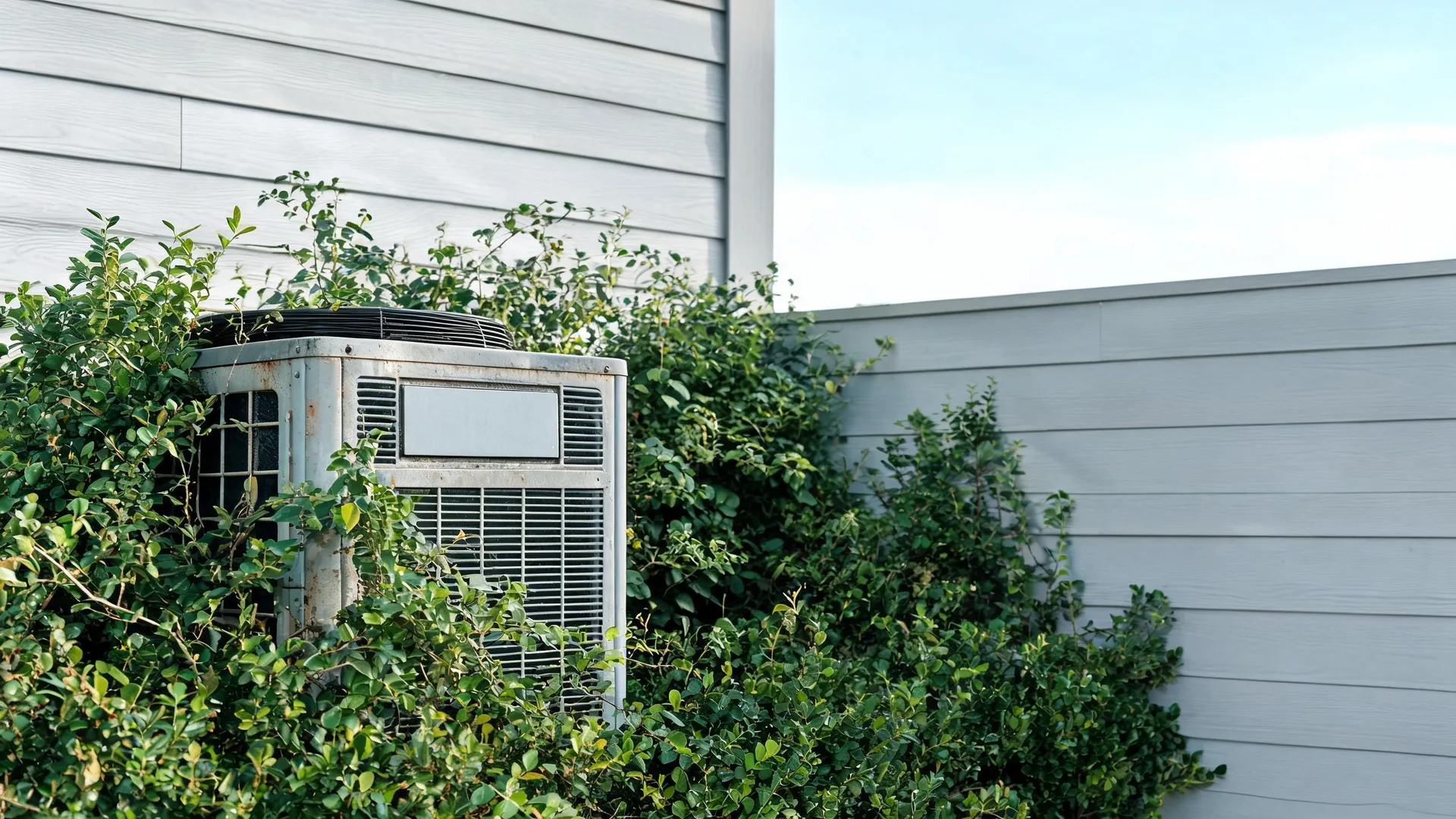
A grey residential air-conditioning condenser unit mounted on a concrete pad beside a house, photographed at sunset.

Heat Pump Repair in Kingstree, SC

Tell us about the job

Takes about a minute. No obligation.

RepairHeat PumpWilliamsburg County, SC
Step 1 of 2

What ZIP code is the job in?

April is when a weak heat pump shows it

Heat pumps in Kingstree start carrying the cooling load in May, and a unit that struggled last September often fails again as soon as it's asked to work. A check in April catches a tired capacitor or a low charge before the first hot week.


The same goes for October

Heat here switches on in November, so a heat pump that's been sitting idle since spring gets tested right away. If the reversing valve or defrost control was already marginal, the first cold snap is when it quits.

5 months
November through March, your system heats
5 months
May through September, it cools
37°F
the average winter night it heats against
90°F
the average summer afternoon it cools against
Isometric cutaway illustration of a small house showing interior rooms with furniture, an indoor air handler with ductwork, and lines running to an outdoor condenser unit beside the building.
Your system heats November through March and cools May through September.

NOAA nClimDiv, 1991–2020 normals

Most heat pump failures start with the reversing valve or the capacitor, not the compressor itself.

Catching a sticking valve or a weak capacitor early is what keeps the compressor out of the repair at all.

Nothing unusual here, just wind and power blinksWilliamsburg County logged 36 damaging wind events between 2015 and 2024, the kind of thing that trips a breaker, not a machine.

Nothing about Kingstree puts extra strain on a heat pump. No unusual humidity, nothing in the air that wears a unit down faster than it would anywhere else. What's different here is the housing stock. Half the homes in Williamsburg County were built in 1985 or earlier, and mobile homes make up a large share of what's out there. A heat pump that came with an older home, or with a mobile home, may never have been swapped out since. So when one fails here, it's rarely the house working against the machine. It's more likely a unit old enough that the reversing valve or the capacitor has finally reached the end of it.

Get it looked at early

Problems tend to show up in the first weeks of the season, when the load hits a part that was already weak.

Find a contractor
A gray heat pump outdoor unit mounted on a concrete pad next to the stone-accented exterior wall of a house.

What you can check before anyone comes out

Before anyone comes out, walk outside and look at the outdoor unit. If the coil is packed with leaves, grass clippings or ice that isn't part of a normal defrost cycle, clear it away and make sure nothing is pressed up against the sides blocking airflow. Inside, check the thermostat is actually set to call for heat or cool, not sitting in a mode that got bumped by accident. Replace the air filter if it's been a while. A clogged filter starves the system of airflow and can make it short cycle or ice up. Check the breaker panel too. The outdoor unit and the indoor air handler run on separate circuits, and it's possible for one to trip while the other stays on, so the system runs but doesn't actually heat or cool. If it's running constantly but the air coming out doesn't feel right, or it's blowing cold air when it should be heating, that's not something to chase yourself. That points to the reversing valve or the refrigerant charge, and those need gauges and training to sort out.

Warm air in heating mode

A heat pump blowing air that feels barely warm, or no warmer than room temperature, often has a reversing valve stuck between modes or a refrigerant charge that's dropped. The outdoor fan running while the coil is iced over past a normal defrost is another sign of the same thing. The system can keep running like this for days without actually heating the house.

Short cycling or non-stop running

A heat pump that kicks on and off every few minutes usually has a weak capacitor that can't hold the compressor through a full cycle. One that never shuts off at all, even once the house is at temperature, points to a thermostat sensor problem or a compressor that's lost capacity. Either way, the system is working harder to do less.

A diagnostic visit starts outside at the unit itself. A tech hooks up gauges and checks refrigerant pressure, because that tells them more than looking ever could. They run the system in both heating and cooling, since a heat pump that cools fine can still have a reversing valve that won't switch over. The capacitor gets tested under load, not just looked at. A weak capacitor can look fine sitting still and still fail to start the compressor. If the coil was iced over or airflow was restricted, the tech wants to know why before touching anything, because clearing the ice without finding the cause just means it freezes again. The visit ends with an answer. What failed, and what it takes to put right.