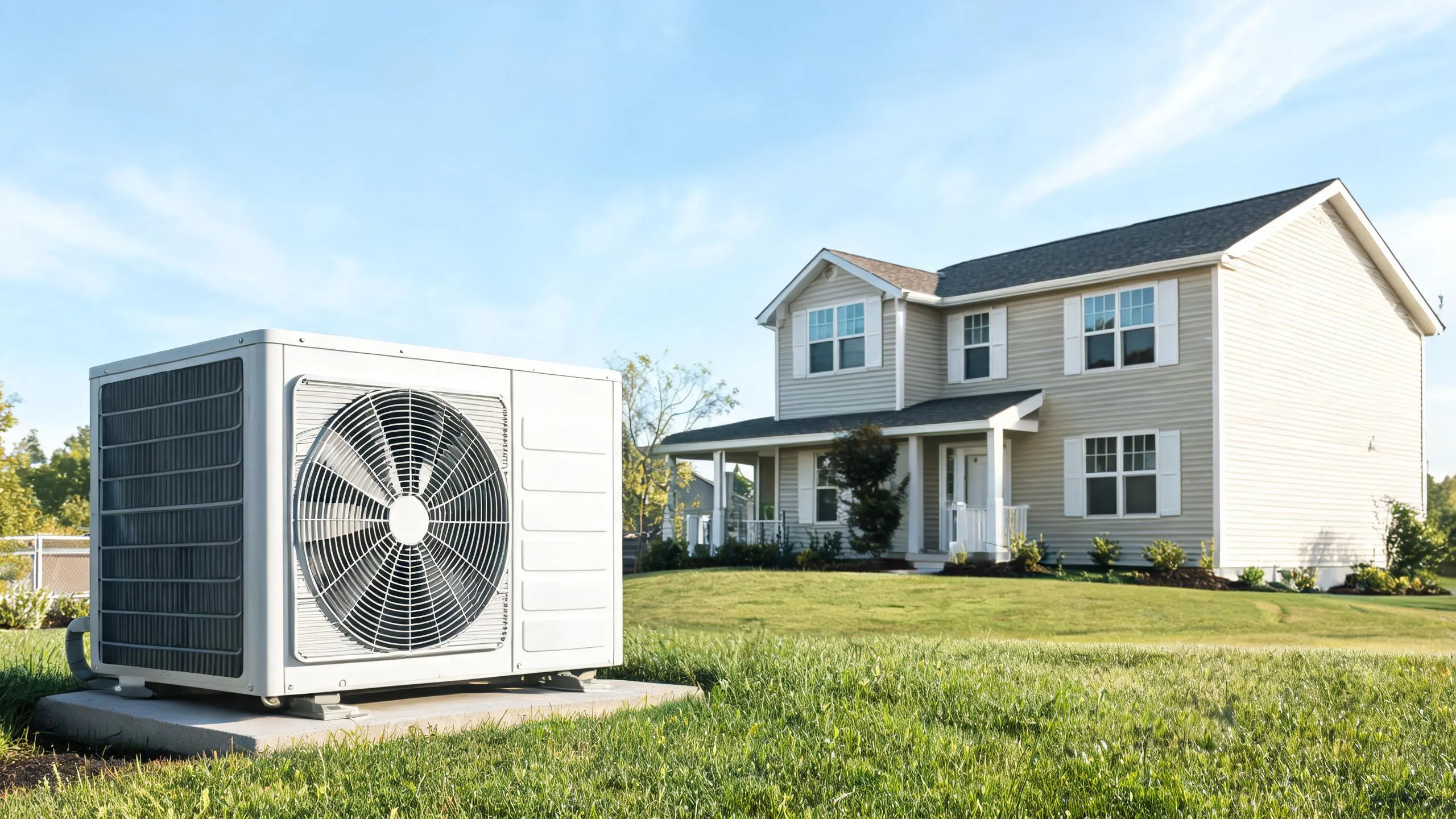





An outdoor heat pump unit mounted on a concrete pad in front of a two-story suburban house.

Heat Pump Repair in Summerville, SC

Tell us about the job

Takes about a minute. No obligation.

RepairHeat PumpDorchester County, SC
Step 1 of 2

What ZIP code is the job in?

A diagnostic visit starts with the tech asking what you've noticed, when it started, and whether it happens in heat mode, cool mode, or both. That narrows things down before any panel comes off. From there they'll check the refrigerant pressures, look at the reversing valve, and test the capacitor and contactor in the outdoor unit. Inside, they'll check the air handler for a dirty coil or a blower that isn't pulling its weight. If the system is short cycling or running constantly without keeping up, they're also checking the thermostat settings and the sensors that tell the unit when to switch between heating and cooling. By the end you should know exactly what's failing and what it takes to fix it, not just that something's wrong.

5 months
November through March, your system heats
6 months
May through October, it cools
38°F
the average winter night it heats against
91°F
the average summer afternoon it cools against
Isometric line illustration of a cutaway single-story house showing interior rooms with furniture and ceiling ductwork, connected to an outdoor condenser unit on the ground outside the left wall.
Your system heats November through March and cools May through October.

NOAA nClimDiv, 1991–2020 normals

Dorchester County took damaging wind 227 times between 2015 and 2024, plus dozens of hail events.

A heat pump outdoors through storms like that wears unevenly, so the repair needs to find the real cause, not just the symptom.

Half the homes here were built since 2000, which is why repair is usually the right call

Half the homes here were built by 2000
227 damaging wind events from 2015 to 2024
44 hail events from 2015 to 2024

October is worth a look before heat season starts here. The reversing valve hasn't switched the system into heat mode since March, and a valve that's been sitting that long can stick the first time it's asked to move. Same idea in April, before cooling starts up in May. Homes here run heat November through March and cooling May through October, so there isn't much idle time between seasons. A system that's already struggling doesn't get a rest, it just keeps running into the next load. Catching it the month before is easier than catching it after the first cold snap or the first hot week.

Get it diagnosed properly

Your heat pump works hard here, and that's usually what's behind the problem. Have it diagnosed properly so the fix lasts.

Find a contractor
A gray air-source heat pump mounted on a concrete pad next to a house with gray vinyl siding, surrounded by gravel and flanked by green shrubs and white hydrangea flowers.

Running through storms, not around them

The outdoor unit sits exposed to whatever comes through. After wind and hail years like this, uneven wear is the likely cause when one part keeps failing or the system favors one side of the coil. Worth asking the tech to check the cabinet and coil fins for storm damage along with the usual electrical checks, so the repair addresses what's actually wrong instead of just the part that quit first.

A weak capacitor won't wait for a good time to fail

A capacitor that's starting to go makes the compressor pull harder every time it starts. Each start stresses it more than the last one did. Left alone, a part that could have been swapped on its own ends up taking the compressor down with it.
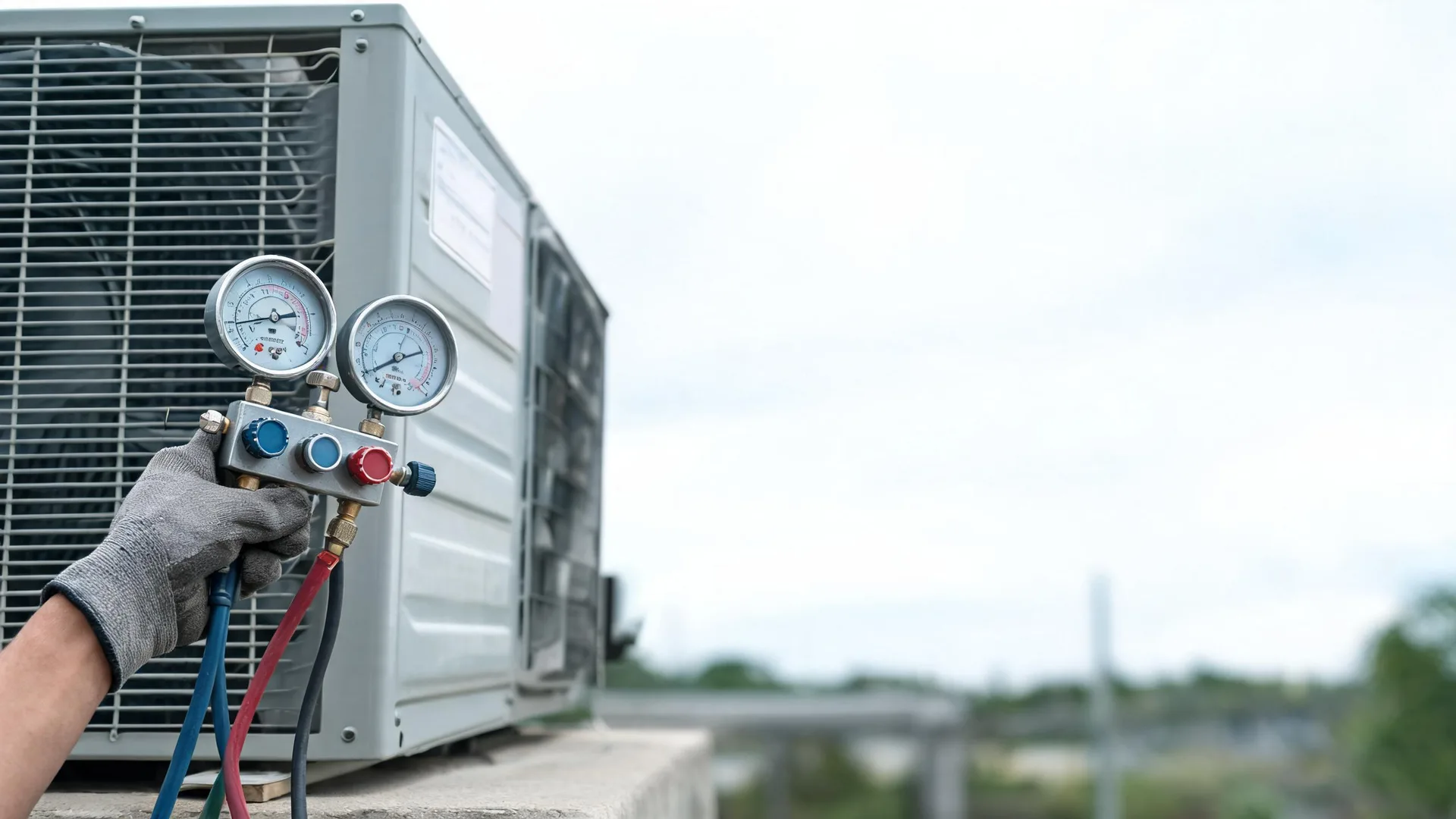
Low refrigerant charge gets worse on its own

A system low on refrigerant doesn't just run weaker, it runs the compressor hotter than it's built to handle. Keep it running that way and the leak stops being the problem. The heat damage to the compressor is.

Most heat pump failures trace back to a handful of parts. The capacitor gives the compressor and fan motors the jolt they need to start, and it weakens with age until a start finally doesn't take. Contactors pit and burn from constant cycling, so the connection gets unreliable before it quits outright. The reversing valve can stick, especially after sitting in one position for a while, leaving the system stuck in heat or cool when it should switch. Low refrigerant almost always means a leak somewhere in the line set or coil, and it won't fix itself. Outside, the coil fins catch debris and bend over time, which chokes airflow and makes the whole system work harder than it should. None of these fail on a schedule. They fail when something was already marginal and the next cycle pushed it over.

Whether a heat pump is worth repairing usually comes down to what's failing and what it's connected to. A bad capacitor or a dirty set of coil fins is a clean fix, and it doesn't say anything bad about the rest of the system. A compressor that's overheated from a long-ignored refrigerant leak is a different conversation, because the compressor is the expensive part to replace on its own, and once it's damaged the rest of the system doesn't matter much. Age plays into it too, not because a system has a deadline, but because an older unit that needs a major part is more likely to need another one before long. A tech who's honest with you will tell you when a repair is a real fix and when it's just putting off the same decision. A part that keeps failing, or repairs that keep coming back, says more than any single diagnosis does on its own.