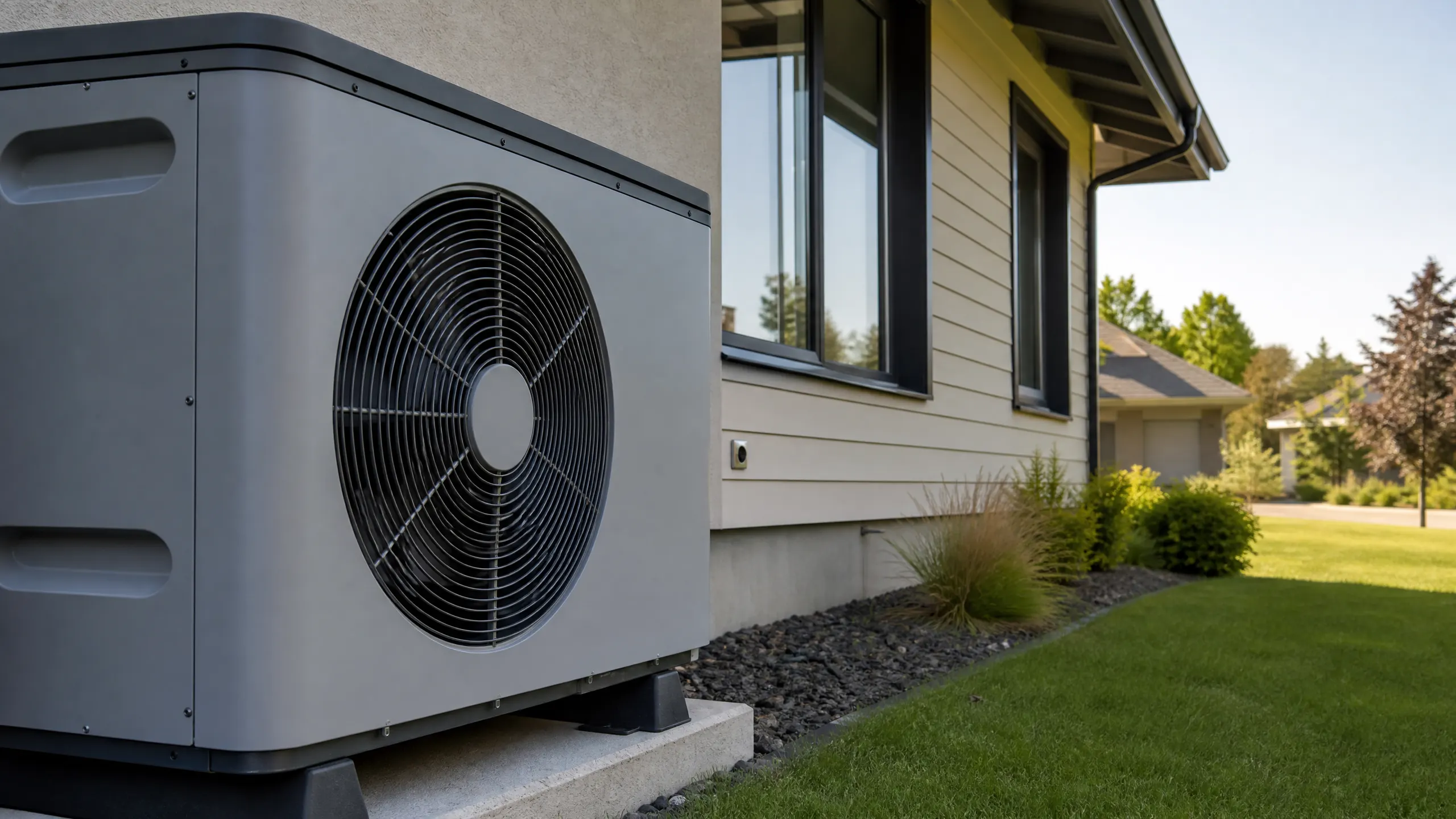

A grey outdoor HVAC unit mounted on a concrete pad beside the beige-sided exterior wall of a suburban house.

Heat Pump Repair in Union, SC

Tell us about the job

Takes about a minute. No obligation.

RepairHeat PumpUnion County, SC
Step 1 of 2

What ZIP code is the job in?

Union County saw 73 severe weather events between 2015 and 2024, and most of that was wind. A heat pump's outdoor unit sits right through all of it. Hail dents the fins, and wind throws branches and other debris into the coil. A unit can take a hit like that and keep running for a while before anything seems wrong. If yours has been through a bad storm, that is worth having someone look at, whether or not it is giving you trouble yet.

5 months
November through March, your system heats
5 months
May through September, it cools
33°F
the average winter night it heats against
90°F
the average summer afternoon it cools against
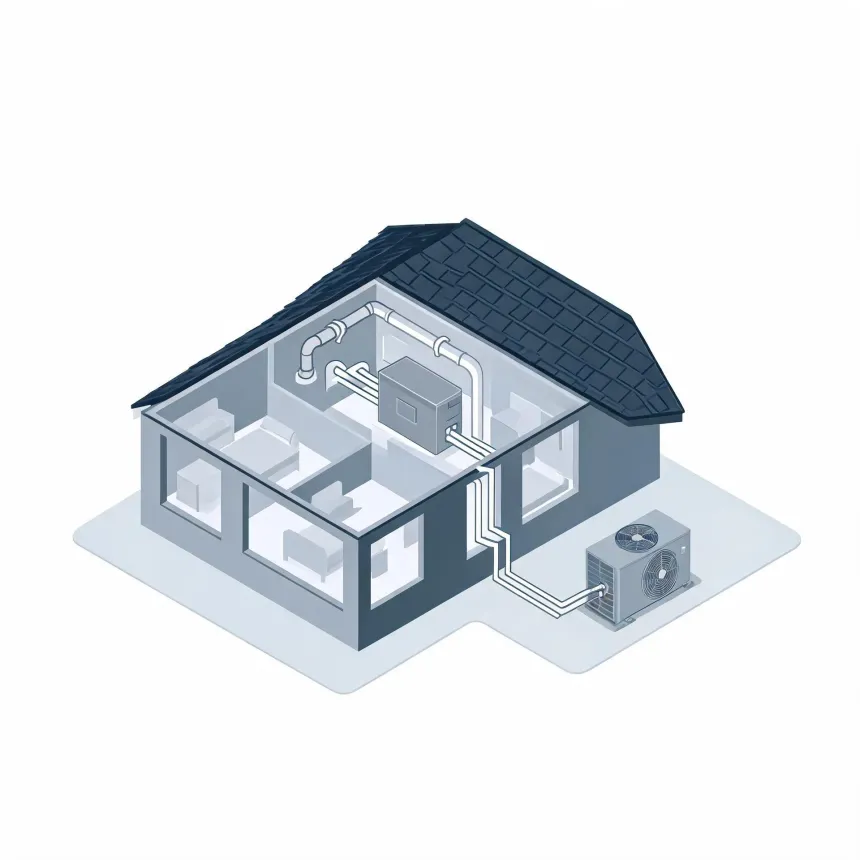
Isometric cutaway illustration of a gray house showing interior rooms, a central air handler with ducts in the attic, and refrigerant lines running to an outdoor condenser unit beside the building.
Your system heats November through March and cools May through September.

NOAA nClimDiv, 1991–2020 normals

November is when heat pumps here go to work after sitting idle since spring.

A storm-damaged coil that ran fine in October can fail the first cold week it has to carry a full load.

Half the homes in Union County were built in 1972 or earlier. If your heat pump came with a house that old, it's worth asking how old the unit itself is, since a system installed decades ago is closer to the end of its working life than the middle. Heat pumps that age start needing more frequent repairs, and at some point a repair stops being worth it next to replacing the unit. That's a judgment call, and it's one a contractor looking at your specific system can help you make. Before paying for a major repair, ask how much life the unit has left in it.

Had a storm come through? Get the outdoor unit looked at before it gives out

If your outdoor unit has been through a storm, don't wait for it to start acting up. A technician can check the coil and fins now and tell you what, if anything, needs fixing.

Find a contractor
A dark gray heat pump unit mounted on a concrete pad next to a house with gray siding and a stone veneer wall.

Years of running tell you something a repair quote can't

A heat pump has been cycling on and off since the day it was installed, through every one of those years since 1972 or whenever yours went in. That running time wears on the compressor and the coil whether the weather here is hard on the unit or not. If a repair quote comes in high, ask the technician how many more years they'd expect to get out of the unit before you commit to it.

The reversing valve sticks or fails

The reversing valve switches a heat pump between heating and cooling, and it takes a lot of cycling over the years. When it sticks, the unit may blow cold air when it should heat, or get stuck in one mode. A stuck reversing valve is a common reason a heat pump works fine in summer and then won't heat right when the weather turns.
The outdoor coil and fan motor take the abuse

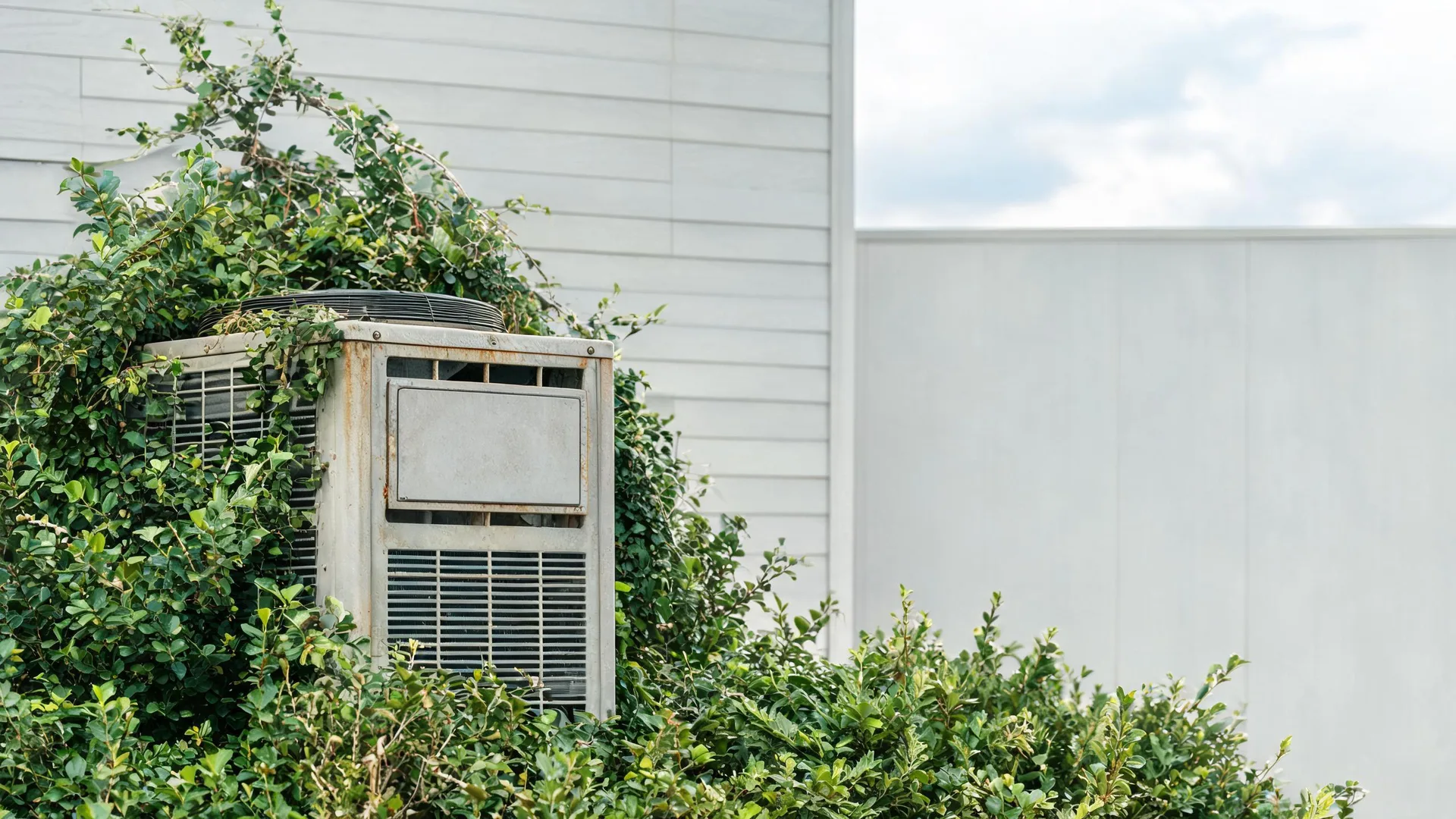
The outdoor unit sits outside year round, so the coil and fan motor carry most of the wear. Bent fins choke airflow across the coil, and a worn fan motor can't move enough air to pull heat from outside. Either problem makes the system run longer to do the same job, and eventually it can't keep up at all.

Before you call anyone, go outside and look at the unit. If the outdoor fan isn't spinning but you can hear the unit humming, don't keep flipping the thermostat trying to force it, just note it and move on. Check the air filter inside, since a clogged one starves the system of airflow and can mimic a much bigger problem. Look at the outdoor coil for ice buildup. Some frost in defrost cycles is normal, but a thick coat of ice that doesn't clear on its own usually means something's wrong. Check that the indoor vents are open and nothing's blocking them. Last, check your breaker panel. If the breaker's tripped, that's useful to mention when you call, since it points to an electrical fault rather than a simple failed part.

A repair makes sense when the problem is one part failing on its own, like a capacitor, a contactor, or a sensor, while the rest of the system is sound. Those are quick fixes and the unit goes back to working the way it should. It's a harder call when the compressor is failing or the coil is leaking refrigerant, since those are expensive to replace on their own and the rest of the unit has usually logged just as many hours. A heat pump nearing the end of its working life tends to show more than one problem at once, or the same problem keeps coming back after it's fixed. That pattern is worth paying attention to. A technician can tell you whether what's failing is an isolated part or a sign the whole system is wearing out together.