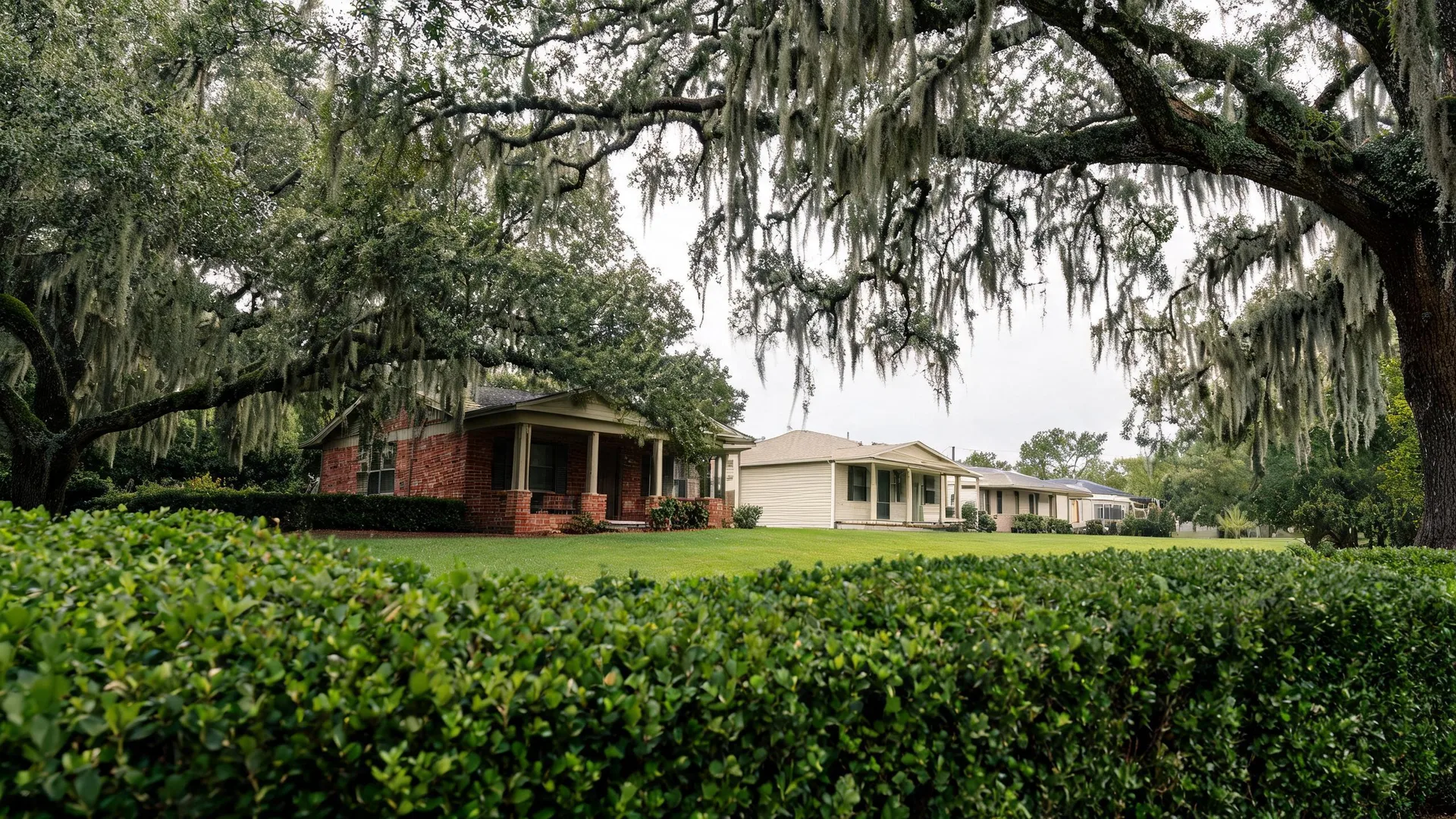







A single-story brick house with a covered porch sits on a mown lawn behind a long trimmed hedge, framed by large oak branches draped with hanging moss, with additional light-colored houses in the background under an overcast sky.

Furnace Repair in Seneca, SC

Tell us about the job

Takes about a minute. No obligation.

RepairFurnace or heatingOconee County, SC
Step 1 of 2

What ZIP code is the job in?

Age matters less than what's actually failing. A cracked heat exchanger means the furnace is done, no question, because that part isn't sold separately and isn't meant to be. A bad igniter or a failed blower motor is a different story. Those get replaced on their own all the time, and a furnace that's otherwise sound will run fine for years after. The real question is whether this is the first repair or the third one this winter. One fix is a fix. A pattern of them is the furnace telling you something bigger is wearing out underneath.

7 months
October through April, your furnace is on duty
33°F
the average winter night it heats against
Isometric cutaway illustration of a single-story house in gray tones, showing interior rooms with furniture, ceiling ductwork, and an exterior furnace unit with a tall flue pipe.
Your furnace works hardest from November through March.

NOAA nClimDiv, 1991–2020 normals

A furnace repair here is usually a part, not a verdict on the whole system.

If it's the igniter or the blower motor, fixing it is the right call and the furnace runs fine for years after.

Furnace trouble tends to show up in October, the first cold month

Heat runs October through April
Winter nights average 33°F
Climate zone 3A
Half these furnaces came with a newer houseHalf the homes in Oconee County were built in 1990 or later.

Seven months of heat a year, October through April, is a moderate workload, not a hard one. Overnight lows average 33 in December and January, so your furnace is holding a room steady against a chilly night, not fighting single digits for weeks straight. That's less strain on the igniter and the blower motor than furnaces see further north. It's why a repair here is usually worth doing. The parts failing are more often worn out from age or a skipped filter than burned out from overwork.

Get the usual fix

Nothing about this area is especially hard on it. It's most likely the usual problem with the usual fix.

Find a contractor
A man in a dark long-sleeve shirt and tan work pants, seen from behind, climbs wooden porch steps toward a navy front door while carrying a canvas tool tote, with a potted flowering plant beside the entry.
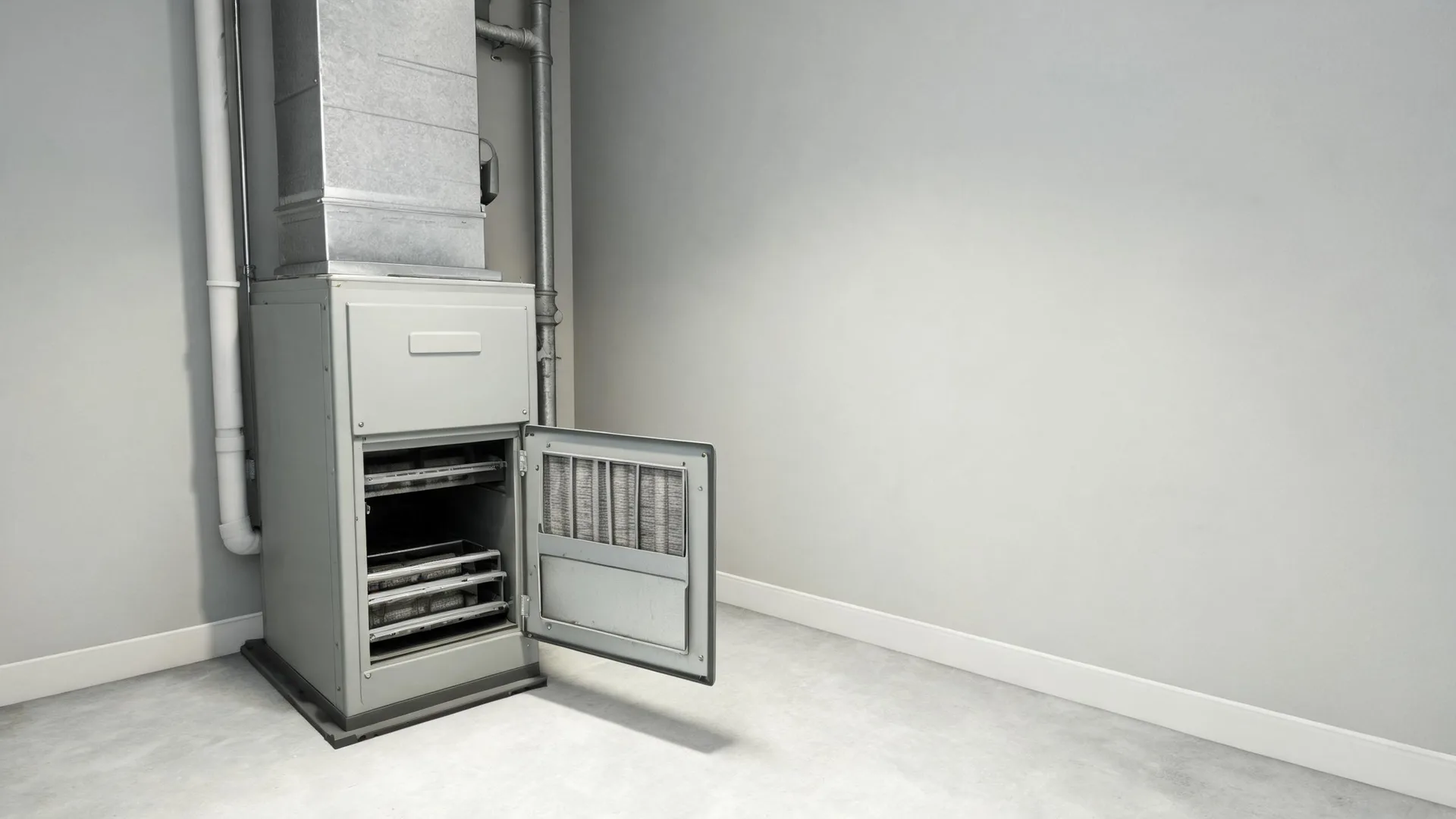
A gray residential gas furnace installed in an unfinished basement, connected to sheet-metal ductwork and PVC pipes.

A newer furnace is worth fixing, not replacing

If your furnace came with the house, check when that was. In a newer home, the furnace is likely still well within its working life, and a bad igniter or blower motor is worth fixing without a second thought. Older house, older furnace, and the same repair still makes sense if this is the first issue rather than the third. Either way, the fix is usually the right call. It's the pattern of repairs, not the age alone, that says otherwise.

A small problem can turn into a bigger one

A furnace that's short-cycling or burning with a weak flame is straining to heat the house at all. Left running that way, the parts already struggling start to fail outright. A cracked heat exchanger is the worst case of this. It can start as a hairline crack and spread with every heat cycle until the furnace isn't safe to run.
Some signs mean stop, not schedule

A gas smell, a limit switch that keeps tripping, or soot around the burner door are signs the flame isn't burning clean or a part has already failed. A furnace showing any of those needs to be shut off, not left running until someone can get out there. Running it in that condition puts the parts around the failure at risk too, not just the one that's bad.

Most of the time a furnace tells you something is wrong before it quits outright. A burner flame that used to be steady and blue starts flickering yellow. A blower that used to kick on quiet starts rattling or squealing when it starts up. The furnace runs longer than it used to without the house actually getting warmer. It cycles on and off every few minutes instead of running a full heat cycle through. Sometimes a breaker trips, the furnace won't fire at all, or the air coming out of the vents is barely warm. None of these mean the furnace is done. They mean a part is failing, and the longer it runs that way, the more it can take other parts down with it.

A diagnostic visit starts with the thermostat and works back toward the burner, not the other way around. A tech checks that the call for heat is actually reaching the furnace before opening anything up. From there it's the sequence of operation, watching the furnace try to light and seeing exactly where it stalls. Does the inducer motor come on. Does the igniter glow. Does the flame sense and hold, or drop out right after it catches. Each step rules something out. A furnace that lights and then shuts off is usually a different problem than one that never tries to light at all, and chasing the wrong one wastes everybody's time. The panels come off, the flame is watched through a full cycle, and the parts that run hot or wear fast get checked by hand rather than guessed at.