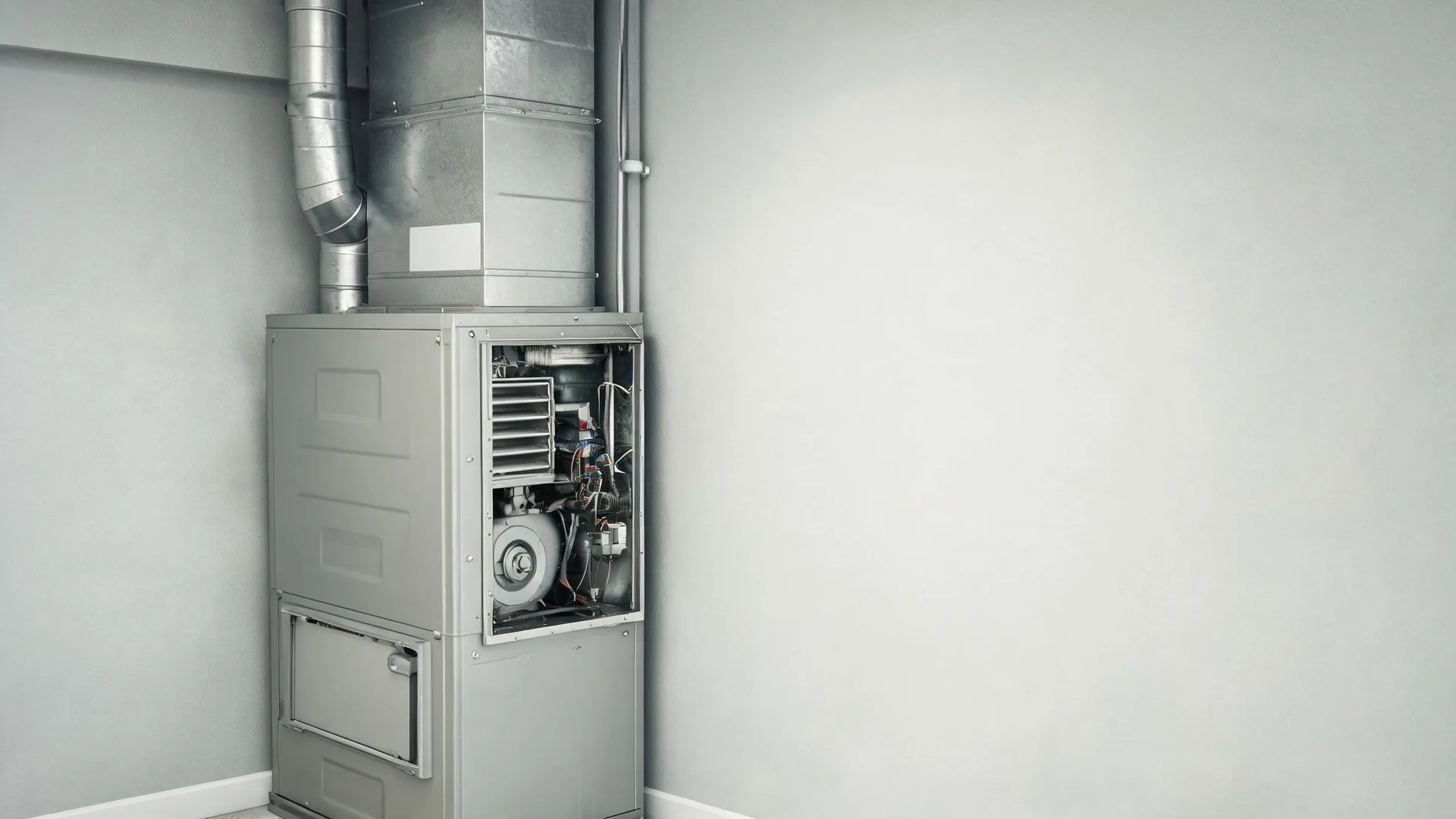
A gas furnace and sheet-metal air handler unit installed in an unfinished concrete basement.

Furnace Repair in Lancaster, SC

Tell us about the job

Takes about a minute. No obligation.

RepairFurnace or heatingLancaster County, SC
Step 1 of 2

What ZIP code is the job in?

The furnace is already telling you something

Short cycling, cool air out of the vents, or a limit switch that keeps tripping are all signs of a problem that hasn't finished developing yet. A cracked heat exchanger, a dirty flame sensor, or a failing igniter can all show up this way before the furnace quits for good. A burning smell on startup that doesn't fade, or a flame that looks yellow and uneven instead of steady blue, means something is wrong with combustion and needs a look now.

A struggling furnace doesn't fix itself

A furnace that's starting to fail still runs, just worse each time it cycles. A weak inducer motor or a bad limit switch tends to get worse under load, and the load gets heaviest on the coldest nights. Furnaces that are worked hardest while already struggling are the ones most likely to shut down completely instead of just underperforming.

5 months
November through March, your furnace is on duty
33°F
the average winter night it heats against
50%
of homes here heat with gas, so most furnaces here burn gas
5 winter storms
in ten years, the nights a failure hurts most
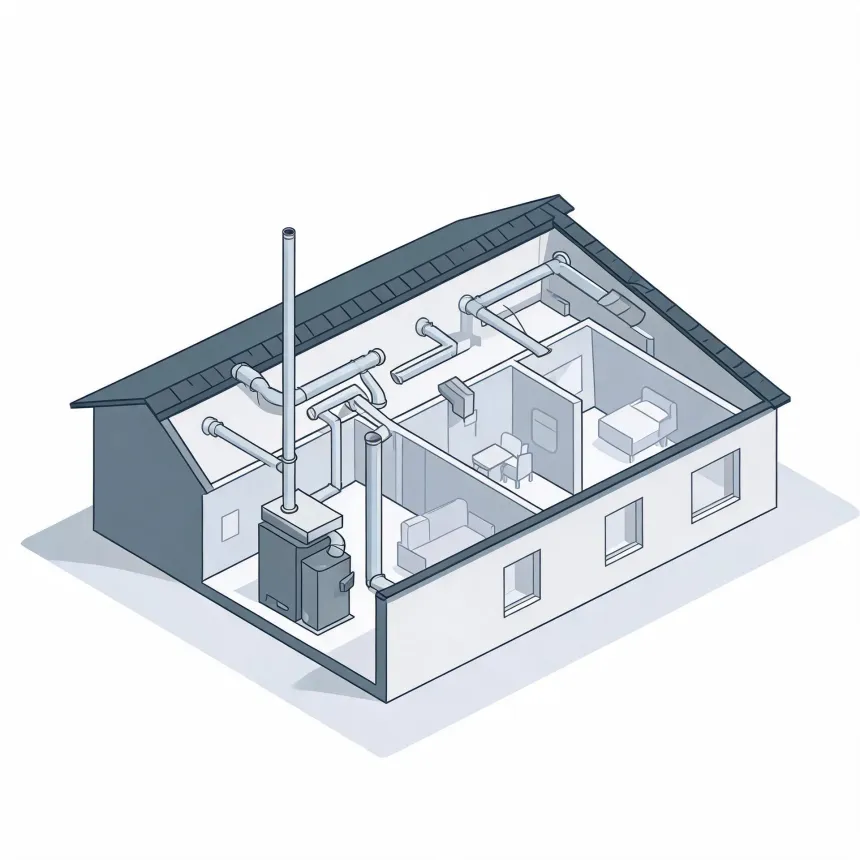
Isometric line illustration of a single-story house cutaway showing interior rooms with furniture, ductwork or piping running along the ceiling, and a boxy furnace unit with a tall vertical flue pipe.
Your furnace works hardest from November through March.

NOAA nClimDiv, 1991–2020 normals

Furnaces in Lancaster County start their season in November.

October is when a weak igniter or a tired limit switch should get checked, before the first cold night finds it.

Half the furnaces here are younger than the county itself

Half the homes here were built by 2000
Heat runs November through March
Winter nights average 33°F
Five months of work a yearFurnaces in Lancaster County run November through March, with overnight lows averaging 33°F in December, January and February.

Most furnace failures trace back to a handful of parts, and they tend to go in the same order. The igniter is usually first. It heats up to light the burners every single cycle, and that filament wears thin over the years until it stops glowing hot enough to catch the gas. A flame sensor goes next, more from buildup than age. A thin layer of oxidation forms on the rod, and once it can't sense the flame anymore, the furnace shuts the gas off a few seconds after startup as a safety measure. Inducer motors fail from just plain wear, bearings going bad after years of spinning every cycle. A cracked heat exchanger is the one that matters most, since it lets combustion gases mix with the air moving through the house, and that furnace needs to come offline, not get patched.

Five months a year is a light load. Most repairs are worth making.

A furnace that only runs November through March has less wear to show for itself than one working year round. If yours is acting up, the parts behind it are usually still worth fixing rather than replacing. Get it looked at before the next cold night puts it to the test.

Find a contractor
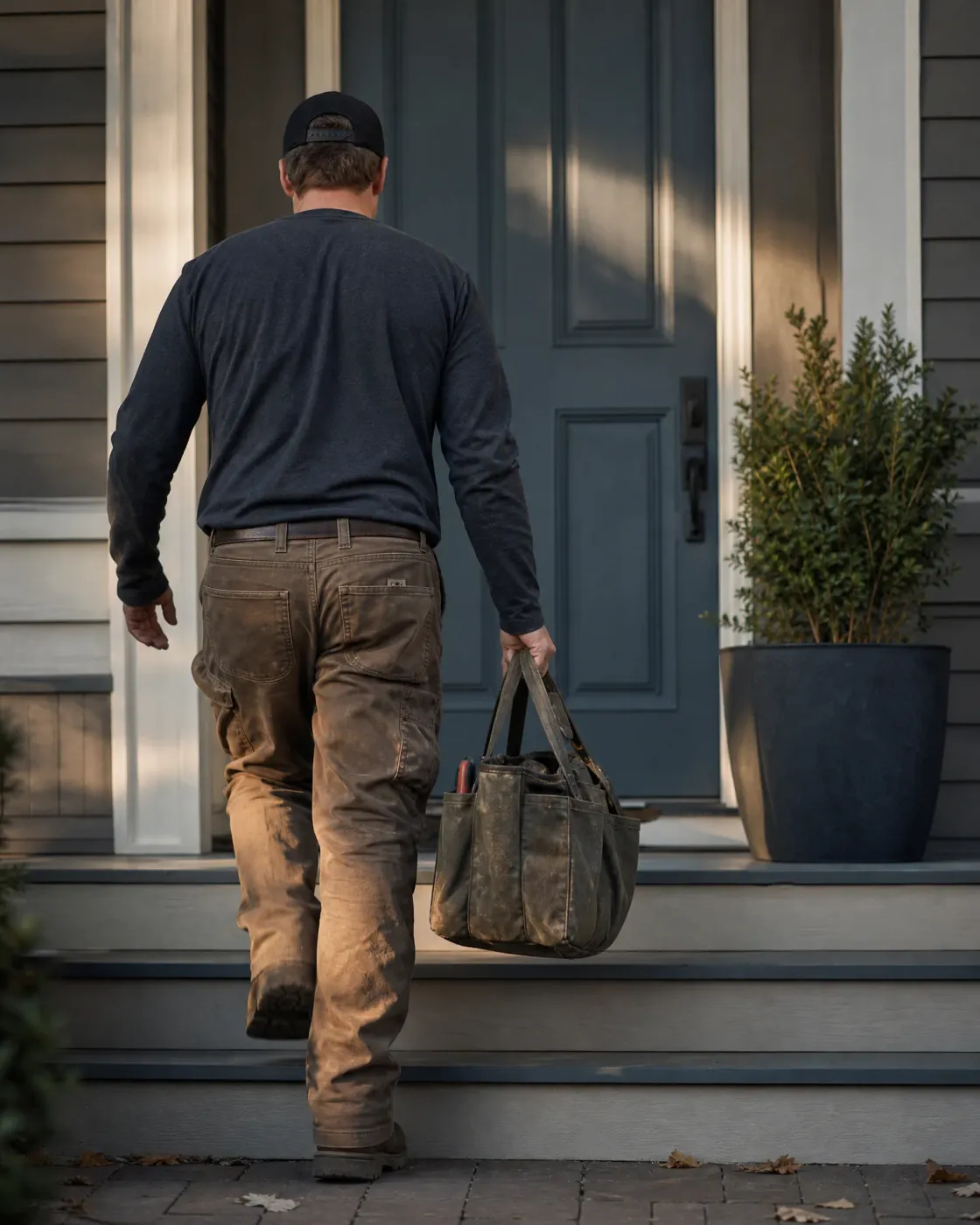
A man in a dark long-sleeved shirt, cap, and worn tan work pants climbs porch steps toward a dark blue front door, carrying a canvas tool bag.
A gray residential gas furnace installed in an unfinished basement, surrounded by ductwork, a metal flue pipe, and a gas supply line.

A newer furnace is worth fixing

Half the homes in Lancaster County were built in 2000 or later. If your furnace came with the house, there's a good chance it's one of the newer ones rather than something running out its last years. That matters when it's acting up. A furnace with years left on it is worth getting fixed, not replaced, so when you call someone out, ask them to look at repair first.

Check the thermostat before the furnace

Make sure it's set to heat, not just fan, and that the setting is above room temperature. Swap the batteries if it uses them. A dead thermostat looks exactly like a dead furnace.

Look at the filter and the switch on the door

A filter clogged with dust chokes airflow and can shut the furnace down on purpose. The furnace also has a small switch on the access panel that cuts power if the door isn't seated right. Check both before deciding it's broken.

An unfinished basement containing a forced-air furnace with metal ductwork, exposed wooden ceiling joists, a hanging Edison bulb, and bare concrete floors.

A new furnace would cut about $100 a year off heating for a typical Lancaster County home.

  • A new high-efficiency furnace$450 a year
  • An older furnace$550 a year

Estimates for a typical Lancaster County home, compared with an older unit built to the previous federal minimum, from EIA household energy data, South Carolina fuel prices and NOAA climate normals. Your home will differ.

Repair makes sense when one part has failed and the heat exchanger is sound.

Replacement makes sense when the heat exchanger is cracked or the furnace keeps needing parts.

A repair is worth making when the part that failed is a known part doing a known job. An igniter, a flame sensor, an inducer motor. Those fail on their own, and fixing one doesn't tell you anything bad about the rest of the furnace. Replacement starts to make sense when the parts failing are the ones that are hard and costly to get to, or when the heat exchanger is the problem instead of something feeding it. A cracked heat exchanger ends the conversation, since that's the part keeping combustion gases out of the air in the house, and it isn't something to patch. Short of that, age on its own isn't a reason to replace a furnace that's otherwise sound. What matters more is whether this is the first thing to go wrong or the latest in a run of them. A furnace calling for the same repair again and again is telling you something different than a furnace that's run fine for years and just hit a bad igniter.