Aiken County gets hit hard
254 severe weather events were recorded here between 2015 and 2024, including damaging wind, hail, and a handful of tornadoes. This is not a county where storms are rare.
Takes about a minute. No obligation.
254 severe weather events were recorded here between 2015 and 2024, including damaging wind, hail, and a handful of tornadoes. This is not a county where storms are rare.
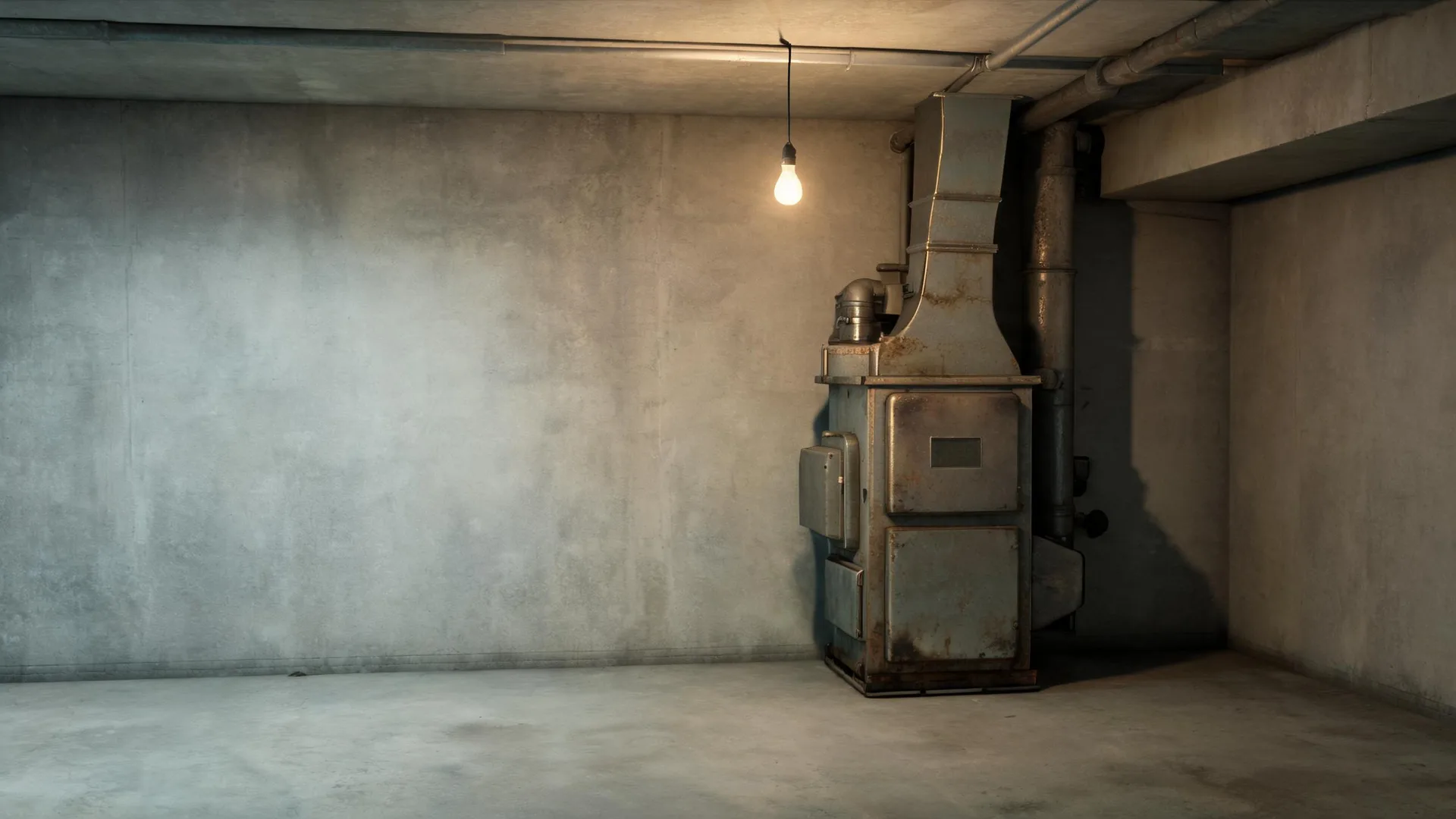
Hail and wind reach the flue and the cabinet outside, not just the roof and the fence. A furnace that still fires up after a storm can have a dented vent, a cracked seal, or wiring that got pulled loose.
NOAA nClimDiv, 1991–2020 normals
Electricity in South Carolina ran $41.71 per million Btu in 2024.
Your furnace's igniter, blower motor, and control board all run on that power, so a short or a bad connection still shows up as a repair, not a mystery.




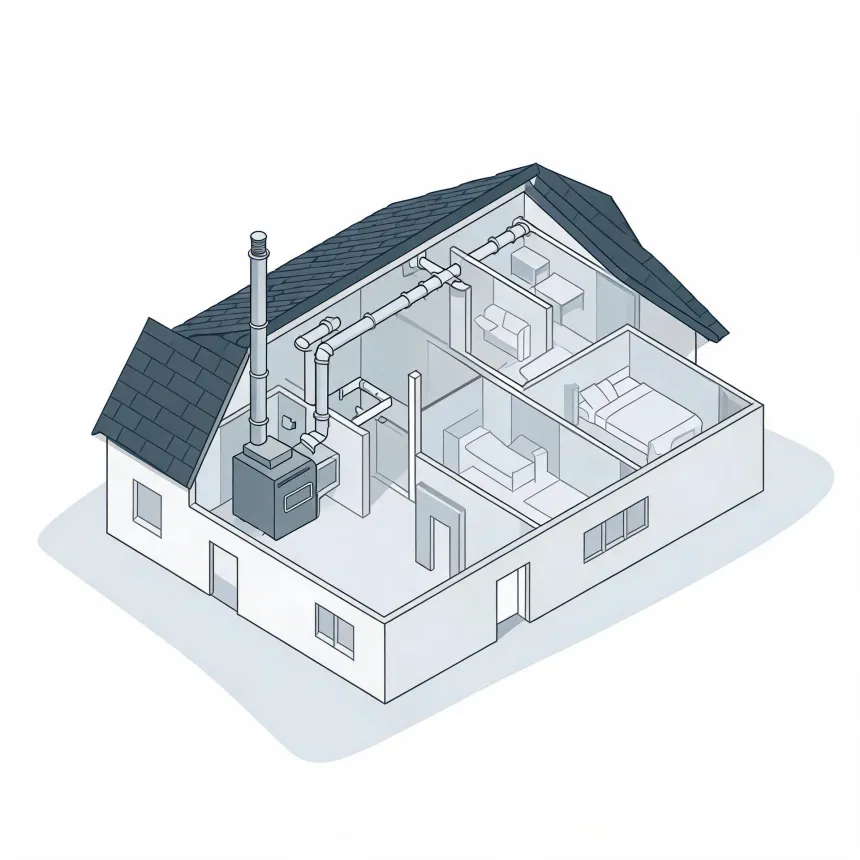
Furnace here only has to work about five months of the year, November through March. Winter nights average 36°F, not far below what the thermostat is already asking for. That's a shorter season and a smaller gap than furnaces in colder states ever get a break from. A furnace that's been running under that kind of load usually has less wear to show for its age than the calendar suggests, so if yours is acting up, the cause is more often a part that failed or got neglected than one that was worked to death. That makes most repairs worth doing.
If the outdoor cabinet took hail or wind since the last cold snap, get the furnace looked at before you trust it again. A unit that fires up can still be hiding a dented vent or a loose wire from the storm.
Find a contractorA furnace that's a replacement rather than the original has had even less time to rack up winters than the five-month season already allows for. If it's acting up now, get it looked at before anyone brings up replacing it. One failed part, a capacitor or an igniter or a control board, is the more likely story at that age.
An igniter cracks. A flame sensor coats over with residue until it can't sense the flame anymore. A capacitor weakens and the blower motor struggles to start. These parts fail on their own, one at a time, and the rest of the furnace keeps working right up until that part gives out.
A furnace that won't start points at the igniter or the control board. One that starts and then shuts off points at the flame sensor or a clogged filter choking airflow. A furnace that runs but blows cool air points at the blower motor or a bad thermostat signal. The symptom narrows down the part before anyone opens the cabinet.
A furnace that's struggling rarely fixes itself by staying on. A cracked igniter that's sparking weak will keep trying every cycle, and each failed attempt is wear it didn't need to take on. A flame sensor coated in residue reads a weaker signal each time, so the furnace shuts off sooner and sooner until it won't stay lit at all. Airflow problems compound too. A clogged filter makes the blower work harder against the resistance, and that strain is what takes out a motor that otherwise had years left. Even a small gas or electrical fault is worth shutting down for. Running a furnace with a loose wire or an intermittent flame risks turning a one-part repair into a multi-part one.
A diagnostic visit starts with what the furnace is doing, or not doing, before anyone pulls the cabinet apart. That symptom points to a handful of parts, and a tech checks those first rather than guessing. Expect the igniter or flame sensor to get pulled and looked at under light, since both show wear you can actually see. The control board gets checked for the error code it's storing, if it stores one, because that code usually says which safety switch tripped and why. Gas pressure and flame color get checked too, since a flame that burns yellow instead of blue is telling you something before any part gets tested. Most of this happens with meters and a flashlight, not by replacing things until one works.