A white Southern-style house with a wraparound porch photographed at night, surrounded by Spanish moss-draped oak trees lit by landscape lights.

Furnace Repair in Georgetown, SC

Tell us about the job

Takes about a minute. No obligation.

RepairFurnace or heatingGeorgetown County, SC
Step 1 of 2

What ZIP code is the job in?

Five months of work a year

Furnaces in Georgetown County run from November through March and sit idle the rest of the year. Overnight lows average 38°F in the coldest months, so the burner is rarely pushed hard even when it's running. A furnace here just doesn't log the hours one does further north.


So a repair usually makes sense

A furnace that hasn't been worked hard for years is usually still sound underneath a broken igniter or a bad blower motor. When something goes out here, it's more often age or a part that finally gave up than a system worn down by the job. That's usually worth fixing rather than replacing.

5 months
November through March, your furnace is on duty
38°F
the average winter night it heats against
2 winter storms
in ten years, the nights a failure hurts most
Isometric cutaway illustration of a single-story house with a dark shingled roof, showing interior rooms with furniture and a furnace connected to ductwork and a flue pipe extending above the roof.
Your furnace works hardest from November through March.

NOAA nClimDiv, 1991–2020 normals

Half the houses in Georgetown County were built in 1993 or later.

A furnace that came with a newer house still has years in it, so a broken igniter or blower motor is usually worth fixing.

November is when a weak furnace shows itself

Heat runs November through March
Winter nights average 38°F
Climate zone 3A

Furnaces in Georgetown County run on electricity more often than gas, and South Carolina electricity ran $41.71 per million Btu in 2024. That cost applies whether the heat exchanger and burner are sound or the furnace is on its last leg, so a failing part doesn't show up as a bigger bill the way a failing compressor does in summer. It shows up as a cold house, or a blower that won't kick on, or a smell when the system starts. None of that points to the furnace being worn out. It points to one part that needs a look.

It's usually worth repairing

It has an easier job here than in most places, so your furnace is often in decent shape. Repair is usually worth it.

Find a contractor
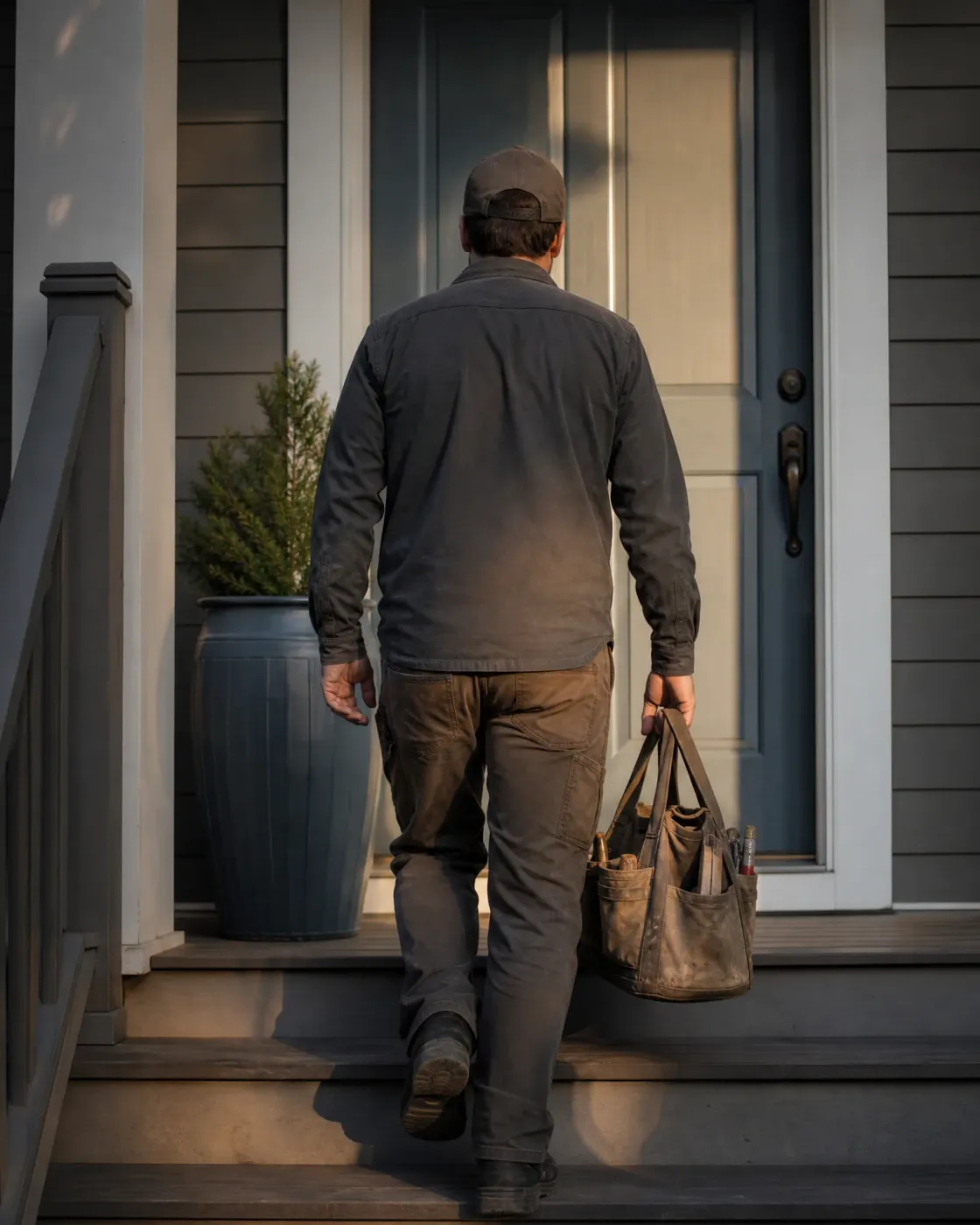
A man in a cap and dark jacket, seen from behind, carries a canvas tool bag up porch steps toward a dark blue front door of a gray-sided house.
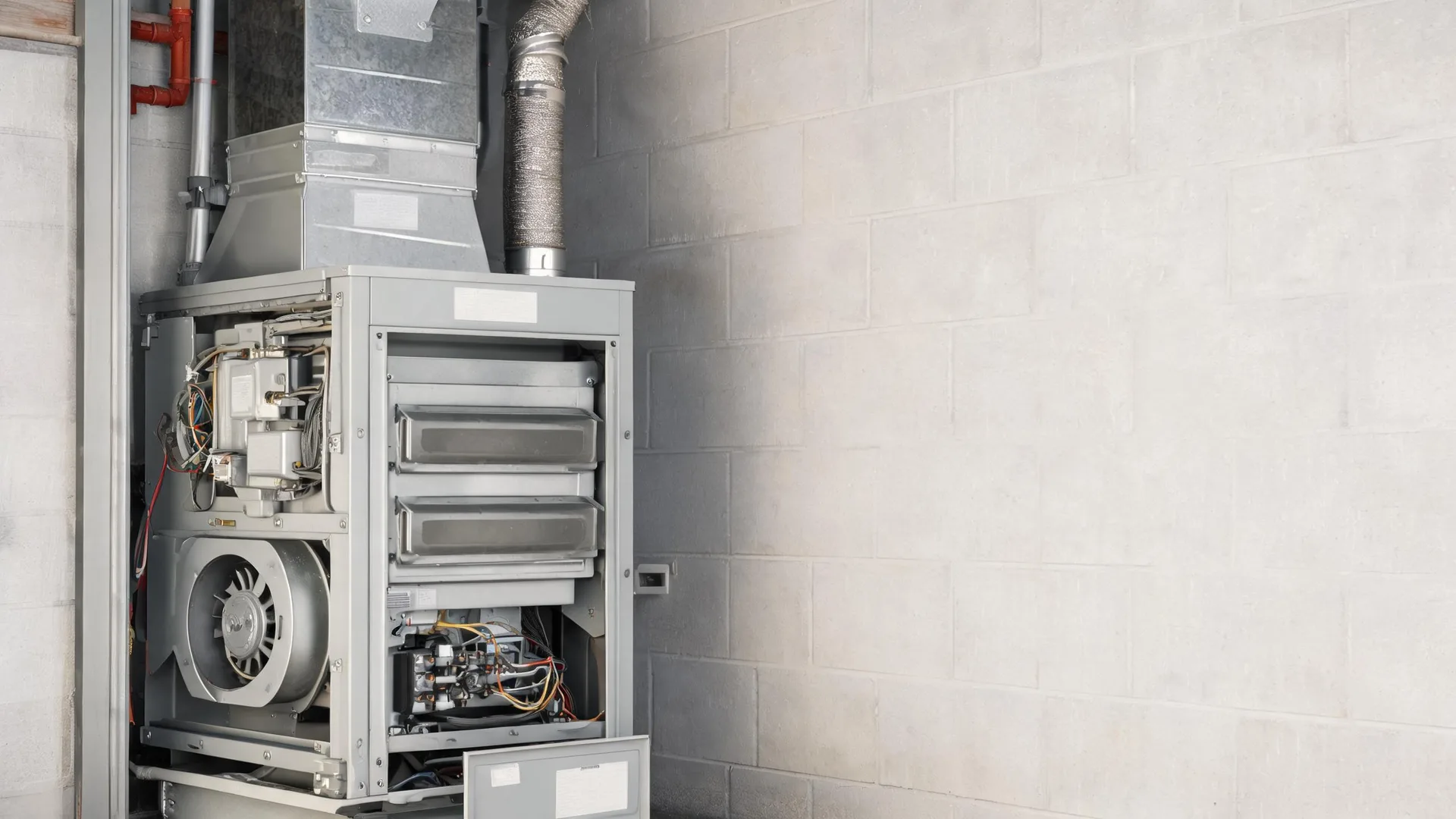
A gray high-efficiency gas furnace installed in an unfinished basement, surrounded by gas lines, a condensate drain, and sheet-metal ductwork.

A newer house usually means a newer furnace

If your furnace came with the house, check the age of the house against the age of the system. A unit installed when a newer home was built still has years ahead of it. That's worth knowing before anyone talks about replacing it over one bad igniter or blower motor.

The igniter is the first thing to go

A hot surface igniter wears out just from being used. Every cycle heats it up and cools it down, and that stress cracks it over time. When it finally fails, the furnace runs through its startup sequence but the burners never light.

Flame sensors get dirty, not broken

A flame sensor builds up a thin coating from normal combustion, and once that coating is thick enough, the sensor can't read the flame anymore. The furnace shuts itself off as a safety response, even though the part itself still works fine once it's cleaned.

A furnace that's struggling still tries to do its job, and left alone that's what causes trouble. A cracked heat exchanger left unrepaired can let exhaust mix into the air the blower pushes through the house. A blower motor running on a failing bearing will keep turning until the bearing seizes, and that can take the motor with it. A pressure switch that's barely making contact will keep cycling the system on and off, and that stop-start wears on the ignition system faster than steady running would. None of this means the furnace itself is worn out. It means whatever part is already failing keeps failing a little more each time it runs, and catching it early is what keeps a small repair a small repair.

A repair call doesn't always mean a repair. Sometimes the tech opens the panel, finds a cracked igniter, swaps it, and the furnace runs the rest of the winter without another call. That's the most common outcome, because most failures are one part, not the whole system. What changes the answer is the heat exchanger. If it's cracked, that's not a part you patch, and a tech who finds one will tell you straight that it's time to replace rather than repair. Everything else, the igniter, the flame sensor, the pressure switch, the blower motor, gets fixed on its own without taking the furnace down with it.