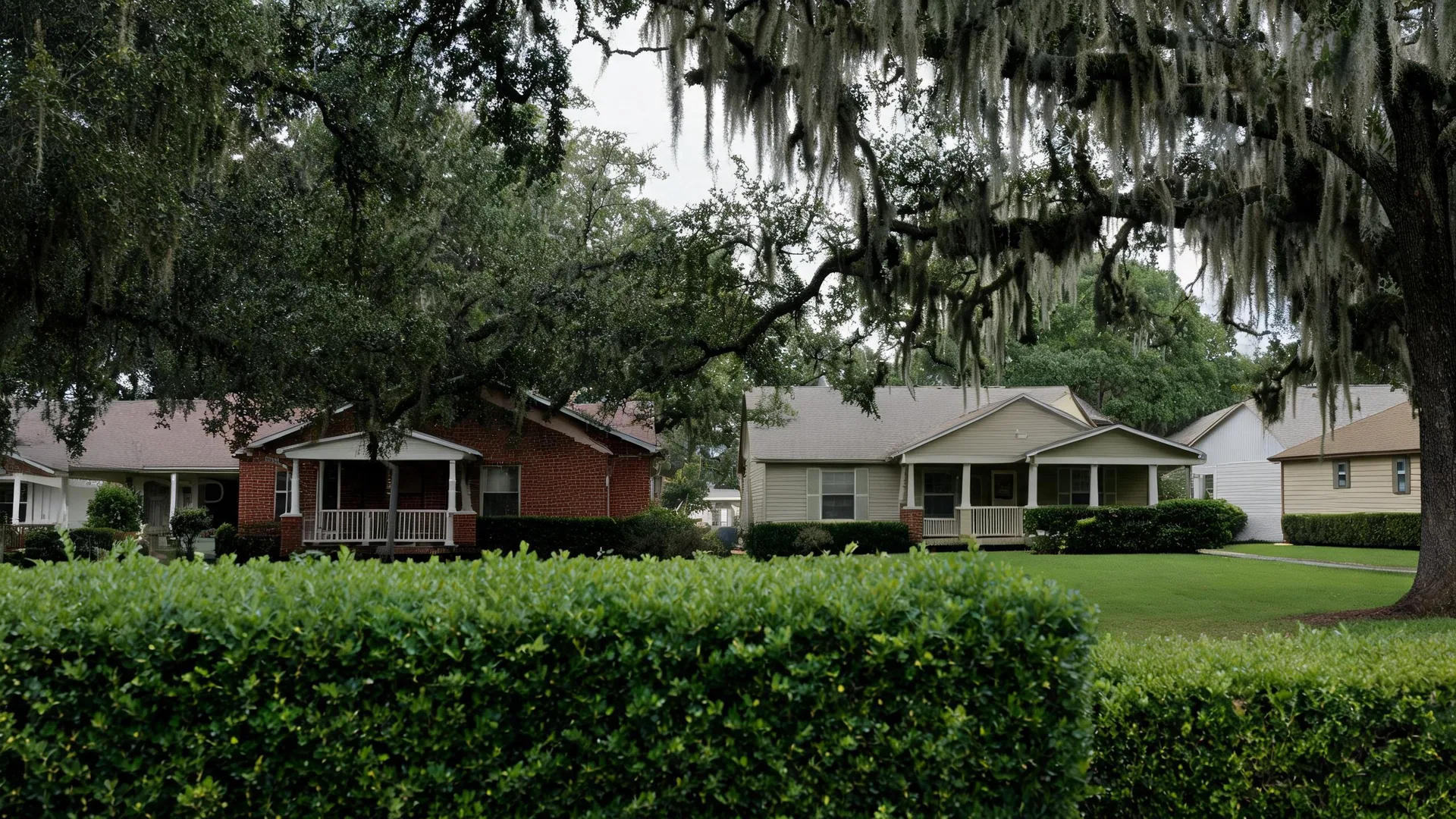
Single-story houses with covered porches, one brick and one light-colored siding, behind a trimmed hedge and lawn, beneath large oak trees draped with Spanish moss.

Furnace Repair in Saluda, SC

Tell us about the job

Takes about a minute. No obligation.

RepairFurnace or heatingSaluda County, SC
Step 1 of 2

What ZIP code is the job in?

A cracked heat exchanger gets worse every cycle

Heat makes metal expand, and a hairline crack opens wider each time the furnace fires. Shut off early, a cracked exchanger might be a straight swap. Left running, exhaust can start mixing into the air your home breathes, and at that point the whole unit usually needs replacing instead of repairing.

A failing igniter or flame sensor stops being a maybe

A furnace that struggles to light but eventually catches is still telling you the igniter or flame sensor is on its way out. Keep running it that way and the part finishes failing on its own schedule, usually on a cold morning instead of a convenient one. Calling before it quits means a planned repair instead of a no-heat emergency.

5 months
November through March, your furnace is on duty
35°F
the average winter night it heats against
1 winter storms
in ten years, the nights a failure hurts most
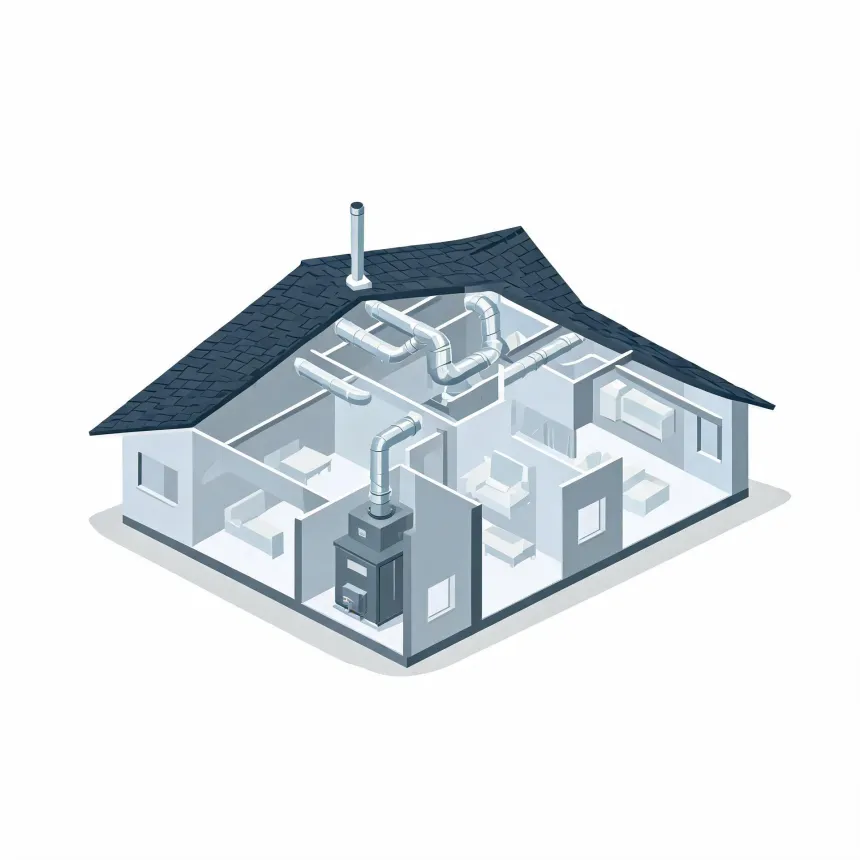
Isometric cutaway illustration of a single-story house showing interior rooms with furniture, a metal ductwork network, and a furnace unit connected to a vertical flue through the dark shingled roof.
Your furnace works hardest from November through March.

NOAA nClimDiv, 1991–2020 normals

Furnaces fail the same way in Saluda as anywhere else.

The usual parts wear out the usual way, so a straight diagnosis is what to expect here.

Furnace off since March, first cold night in November is when a weak part gives out

Heat runs November through March
Climate zone 3A
Winter nights average 35°F

Your furnace runs about five months a year here, November through March. The rest of the year it sits. Overnight lows average 35°F through December, January and February. That's cold enough to keep a furnace working steady, but it isn't the kind of deep cold that pushes a system hard night after night. Less strain over the years means parts tend to wear out on their own schedule instead of giving out early. So if yours is acting up, age or plain wear is the more likely cause, not a furnace that's been run ragged. That usually makes repair worth doing.

A furnace problem here is usually just a part wearing out

Half the homes in Saluda County were built in 1987 or earlier, and a furnace that old wears out the same way it does anywhere else, one part at a time. Nothing about this area pushes a system harder than usual. If yours is acting up, it's likely a single part on its way out, and that's usually a repair worth doing.

Find a contractor
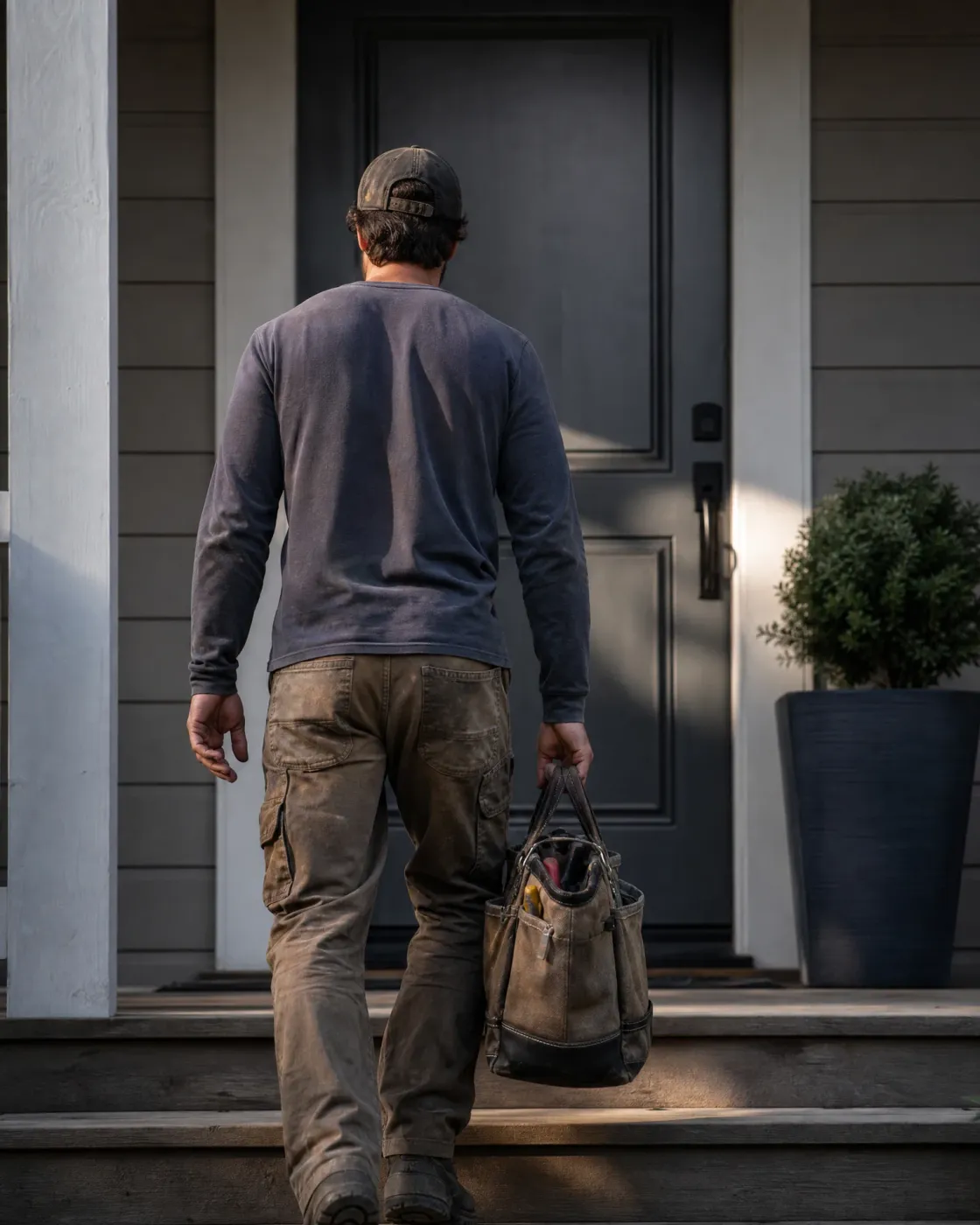
A man in a cap, dark long-sleeve shirt and dirty work pants walks up wooden steps toward a dark gray front door, carrying a canvas tool bag in his right hand, with a potted shrub beside the entry.
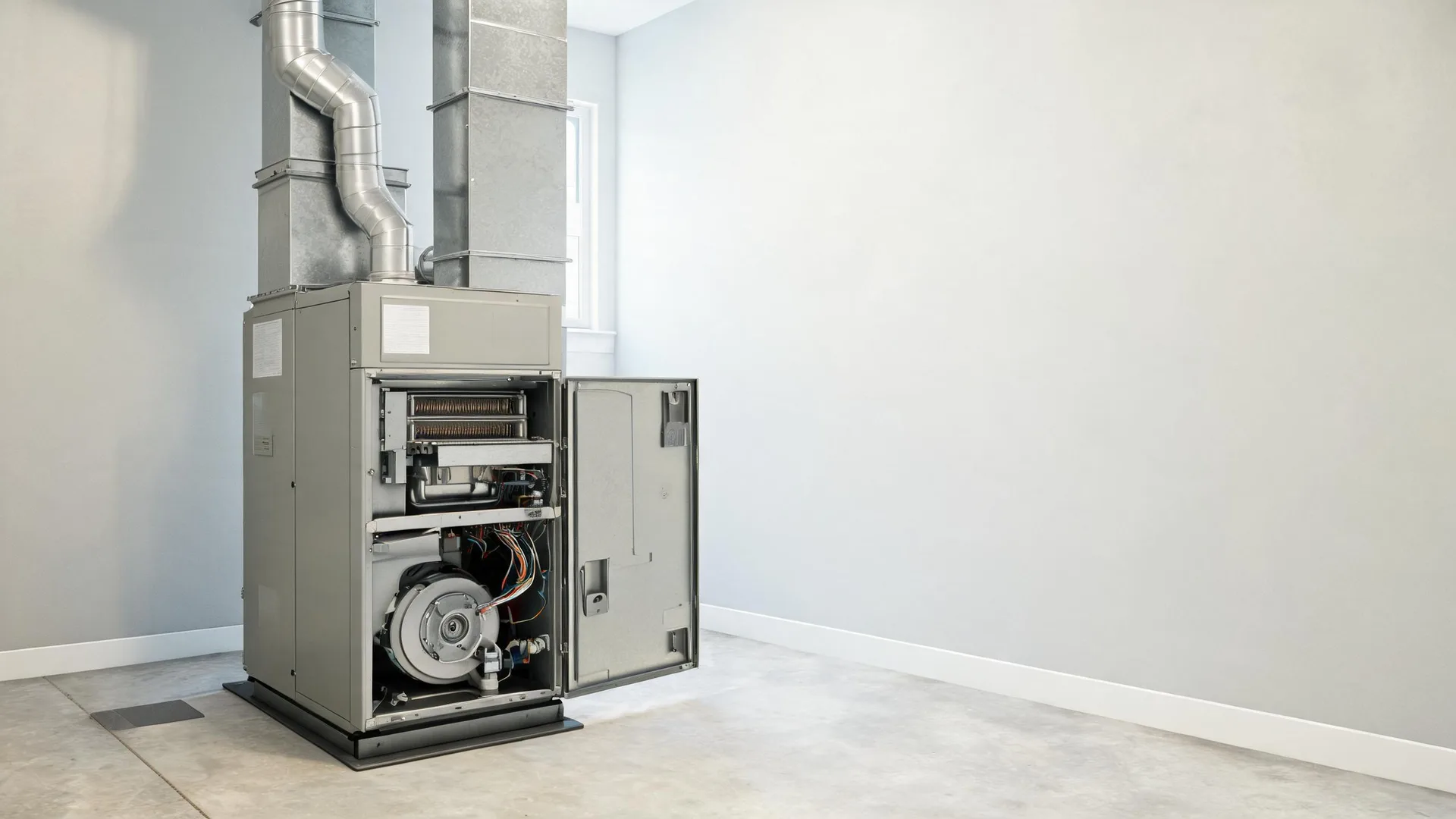
A gray gas furnace with attached ductwork and piping installed in an unfinished concrete basement.

A light workload most years

Five months of steady work a year is not much to ask of a furnace. If one part is worn, the rest of the unit has likely been spared, which is why a tech can usually replace just the failed part instead of the whole system. Worth getting it looked at rather than guessing.

Check the thermostat and the switch first

Make sure it's set to heat and the set temperature is actually above room temperature. Check the breaker and the furnace's own power switch, which looks like a regular light switch near the unit. If the furnace has a standing pilot, see if it's lit. None of this takes a tech, and it rules out the simple stuff first.

Look at the filter and the vents

Pull the filter and hold it up to a light. If you can't see light through it, it's choking airflow, and a furnace starved for air can overheat and shut itself off. Walk the house and check that no vents or returns are blocked by furniture or rugs. A dirty filter is something to fix on the spot. A furnace that still won't run right with a clean filter and clear vents needs a tech to look at it.

A furnace usually gives some warning before it quits outright. Short cycling, where it fires up and shuts off again within a few minutes, often points to a dirty flame sensor or a thermostat sensing heat wrong. A burner flame that's flickering or yellow instead of steady blue means it's not burning clean, and that's worth a call on its own. Banging or popping from the ductwork when it starts up is usually just metal expanding, but a sharp squeal or grinding points to a blower motor or bearing wearing out. If the air coming from the vents feels lukewarm instead of hot, the burners may be failing to fire fully even though the blower still runs. Any of these is the furnace telling you a part is on its way out, not something to wait on.

A diagnostic visit starts before any panel comes off. A tech asks what the furnace was doing, when it started, and whether it's constant or only sometimes, because that narrows things down fast. Then the cover comes off and the burners get watched through a full cycle, since a flame that hesitates or burns uneven says more in person than any description of it. Wiring gets checked at the connections, since a loose or corroded wire can mimic a failed part. Static pressure and temperature rise get measured too, because a furnace can look fine sitting still and still be struggling to move air the way it should. By the time the panel goes back on, the tech knows which part is failing and why, not just that something is wrong.