Heat pump vs furnace in Saluda County, South Carolina

Talk to a Local Pro

Quotes on either system

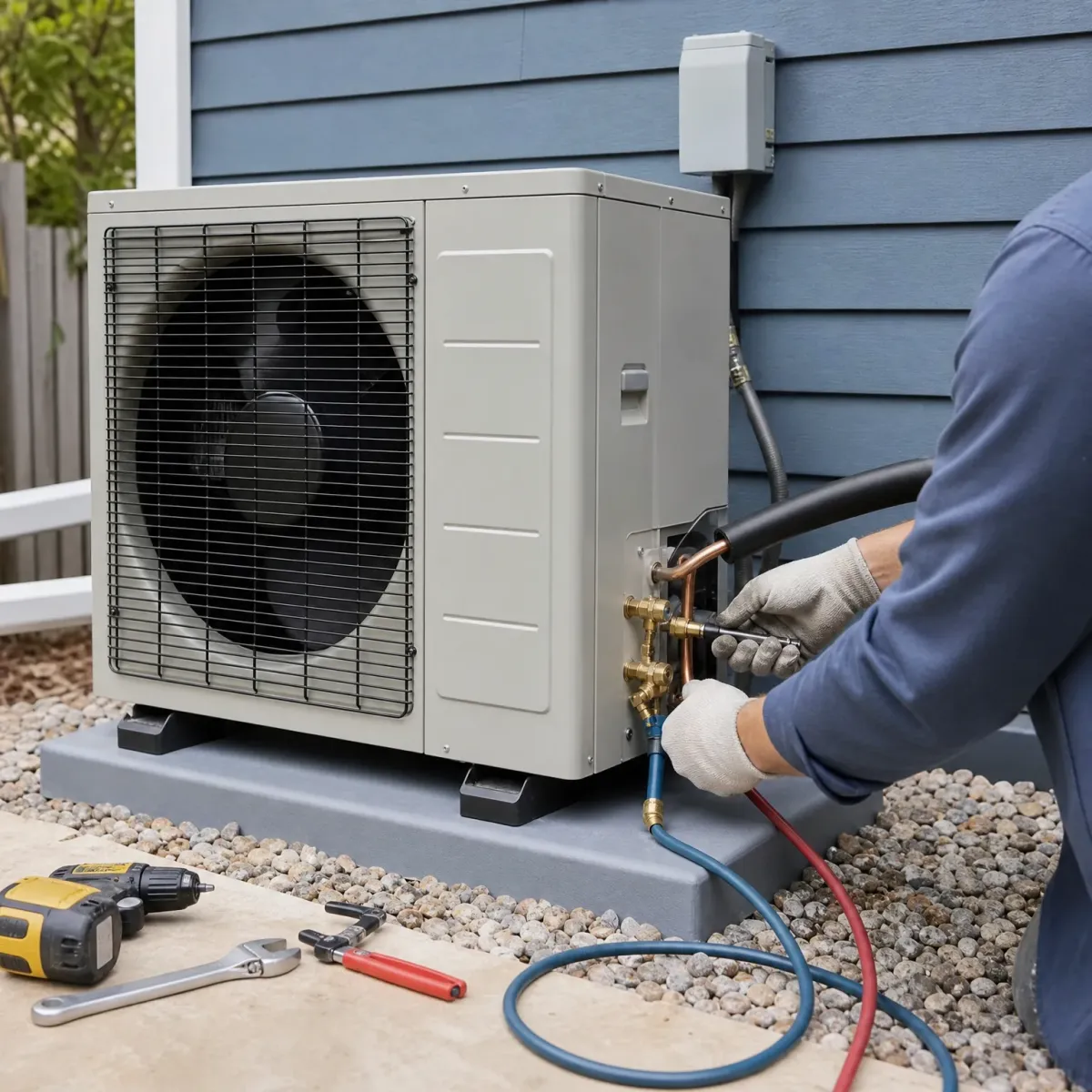
A person in a blue long-sleeved shirt and white gloves works on copper refrigerant lines with blue and red gauge hoses at an outdoor condenser unit on a gray pad beside a blue-sided house, with a drill and wrenches on the concrete in the foreground.

Tell us about the job

Takes about a minute. No obligation.

New system or replacementSaluda County, SC
Step 1 of 3

What kind of equipment?

Which costs less to run in Saluda County?

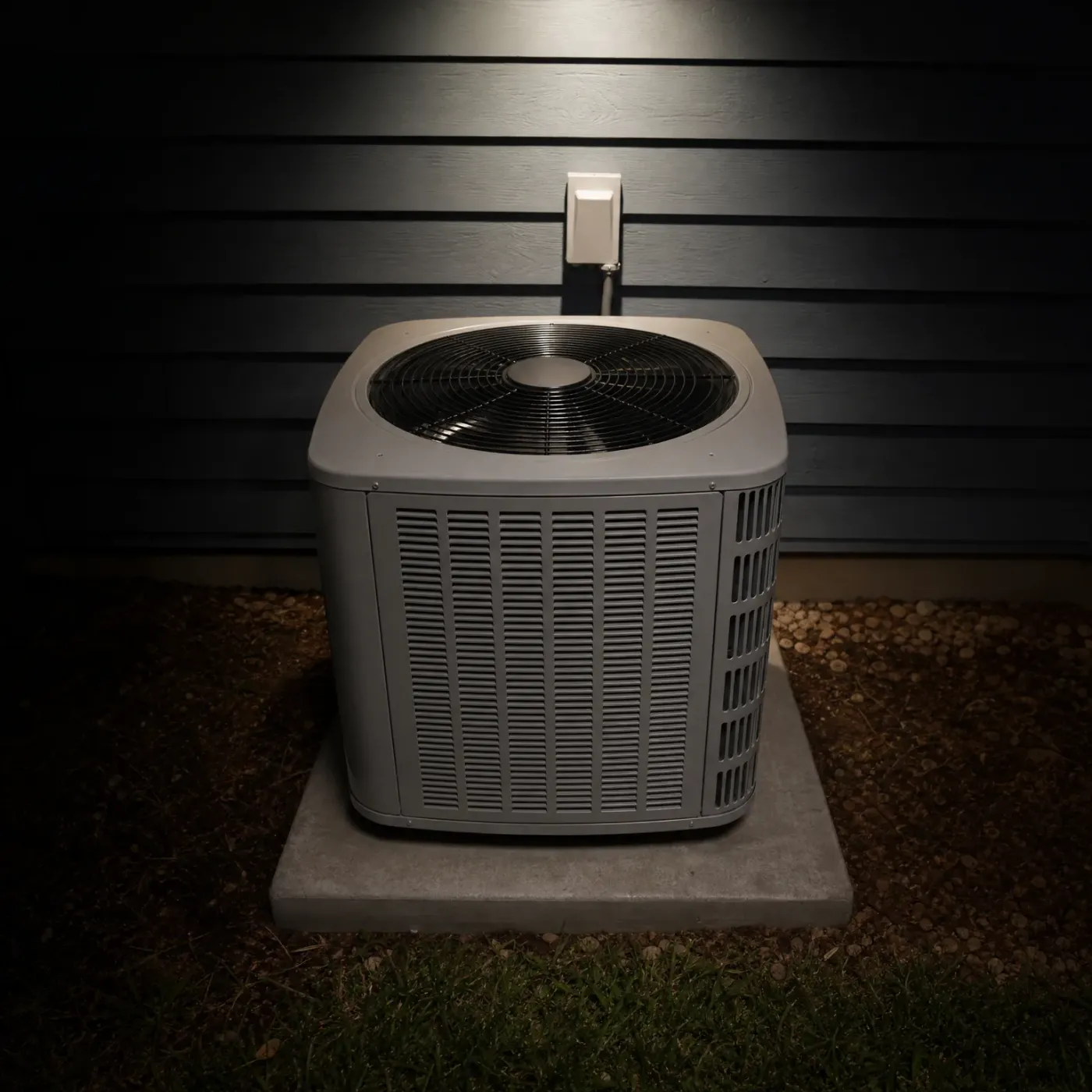
An outdoor air conditioner condenser unit on a concrete pad beside a dark horizontal-lap sided wall at night, with a wall-mounted disconnect box above it and gravel and grass around the pad.

Heat pump

To heat your home here$1.90per 100,000 Btu

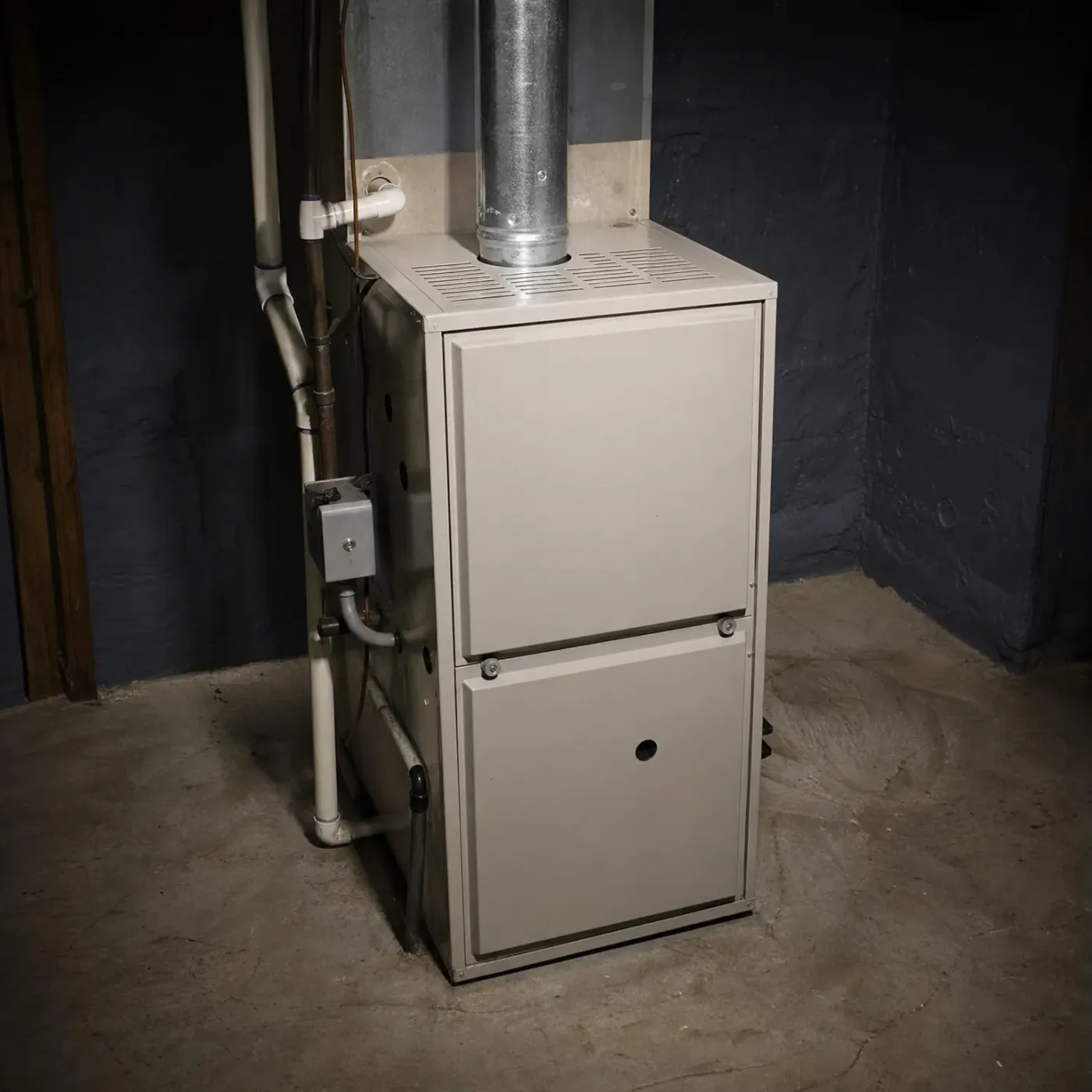
A beige gas furnace with two access panels stands on a concrete basement floor beside a dark painted wall, with a metal flue pipe rising from its top and pipes and an electrical box along its left side.

Furnace

To heat your home here$2.05per 100,000 Btu

At South Carolina's gas and electricity prices, a heat pump makes the same heat as a gas furnace for about 7% less.

Btu stands for British thermal unit, the standard measure of heat energy.

Where does a heat pump shine?

  • Covers a long cooling season

    Cooling runs May through September here. A heat pump handles both sides of the year with one system, so you're not maintaining separate equipment for a season that long.

    A covered porch with dark blue lap siding, a glass-paned door, wicker furniture with blue cushions, a wood-plank ceiling with a fan and string lights, and a tall glass of iced tea on a table, with green trees beyond the railing.
  • Heats and cools in one system

    Winter and summer are covered by the same outdoor unit. That's one machine to service instead of two.

    A living room with dark blue-grey walls, a large three-pane window overlooking a green garden, a light grey sofa with a blue throw and cushions, a wooden coffee table with a bowl and mug, a wooden armchair, and a wall-mounted swing-arm lamp.
  • No gas line, nothing burning in the house

    It moves heat instead of making it from fire. That means no combustion, no flue and no gas bill for heat.

    Kitchen with blue-grey shaker cabinets, a grey speckled stone island holding a stainless kettle on a black induction cooktop, a bowl of green apples, glass pendant lights, a stainless refrigerator, and a seating area visible through a doorway.

Where does a furnace shine?

  • Proven, simple, easy to get serviced

    Parts are easy to find and most repairs are routine. Getting one fixed rarely means waiting on a specialist.

    A gloved hand holds a white pleated air filter in front of a basement utility area with a furnace, ducting, pipes, and shelves holding storage bins, baskets, and folded textiles.
  • Pairs with any central AC

    The ductwork that delivers heat in winter delivers cool air in summer once an AC coil is added.

    A floor register vent set in a hardwood floor beside a white baseboard, with a sheer curtain hanging from a window above, a potted plant at left, an open dark blue door at right, and a textured rug in the lower right corner.
  • Fast, strong heat on demand

    Turn the heat up and the furnace answers right away. There's no long wait for the house to catch up.

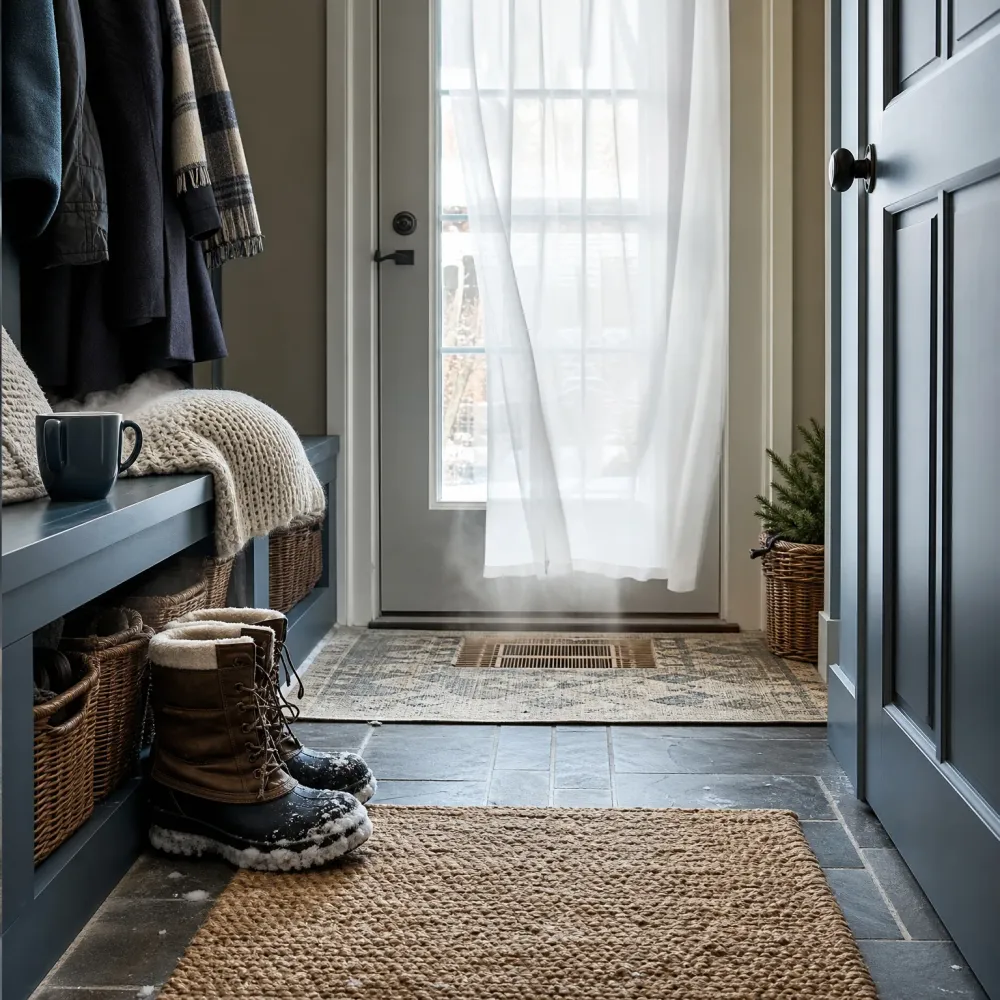
    Interior entryway with slate tile floor, a jute rug, snow-dusted winter boots, a gray bench with knit blanket and mug, hanging coats and a scarf, woven baskets, a small potted evergreen, and a glass door with sheer curtain.

Can a heat pump handle winter here

Your winters here are mild, and that's what makes a heat pump work. The overnight low averages 35°F across December, January and February, and it only reaches freezing on about 65 nights out of the roughly 150 the heat runs. Under half the winter. A night at 0°F or below happens less than once a year, which is the kind of cold that actually breaks a heat pump's heating ability, and you almost never see it here.

A standard heat pump does lose capacity in the cold. Below 40°F it puts out less heat than its rating, and below about 35°F it typically needs backup heat to fill the gap. Your average winter night sits right at that 35°F line, and every night at or below freezing is colder than both marks. So backup heat will run some nights here. But a field test of cold-climate heat pumps in occupied homes found backup heat covered only a small share of the heat needed between 0°F and 35°F, and running on backup alone was rare even above 0°F. If you want a heat pump rated to hold its heat at single digits, look for the ENERGY STAR Cold Climate label: it has to deliver at least 1.75 units of heat per unit of electricity at 5°F and keep 70 percent of its 47°F capacity at that temperature, and that's checked by independent testing, not just the manufacturer's word.
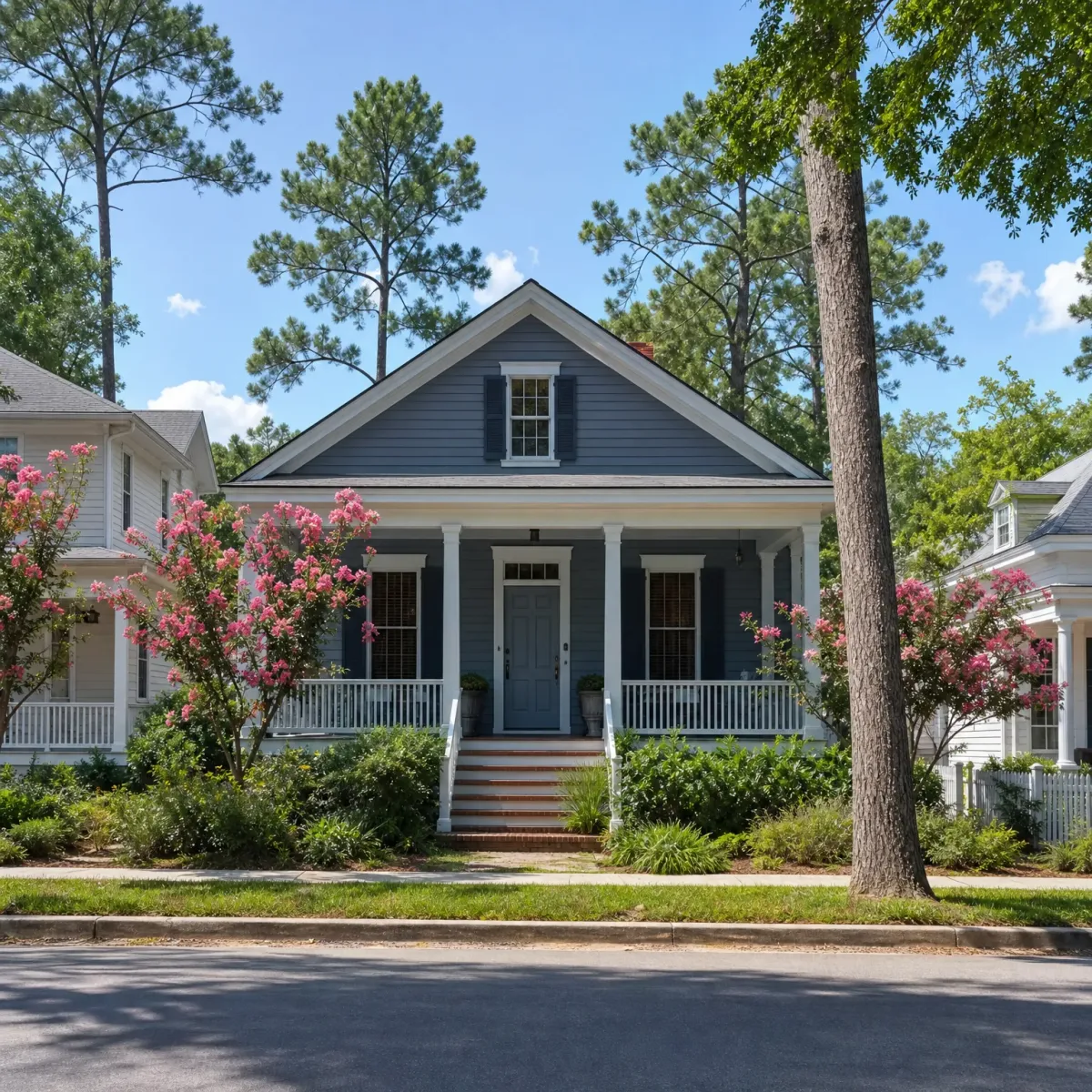
A one-story gray clapboard house with a gabled roof, white columns, a covered front porch with railing, and brick steps, flanked by pink flowering crape myrtles and a large tree trunk, seen from a paved street.

What each one costs to run and what it means for summer

At South Carolina's prices, the heat pump is cheaper to run: $1.90 against $2.05 per 100,000 Btu of heat, about 7% less. That's with both machines built to the federal minimum, so a better heat pump than the minimum widens that gap further in its favor.

The bigger difference is what each machine does the rest of the year. Your cooling season runs about five months, May through September, the same length as your five-month heating season, and you get about 70 days a year of 90°F or hotter. A furnace only heats. For those five summer months it does nothing, and you need a separate air conditioner to pair with it. A heat pump is that air conditioner. It heats all winter and cools all summer out of the same system, with one unit to maintain instead of two.

Most homes in this county already heat with electricity, 72.2 percent of them, against 8.8 percent on utility gas. If your house isn't one of the few with a gas line already run to it, bringing in gas service to feed a furnace is its own cost before the furnace even starts running. A heat pump uses the electricity most homes here already have. Where a furnace still wins is in the homes that already have gas and ductwork sized for it: a furnace puts out strong, steady heat on demand with no cold-weather drop-off to plan around, and it's a simpler system to get serviced almost anywhere.

Sources: NOAA nClimDiv · NOAA 1991–2020 seasonal normals · Census ACS 2020–2024 · PNNL Building America guide · PNNL-37127 field study · ENERGY STAR product criteria · EIA SEDS 2024 · 10 CFR 430.32

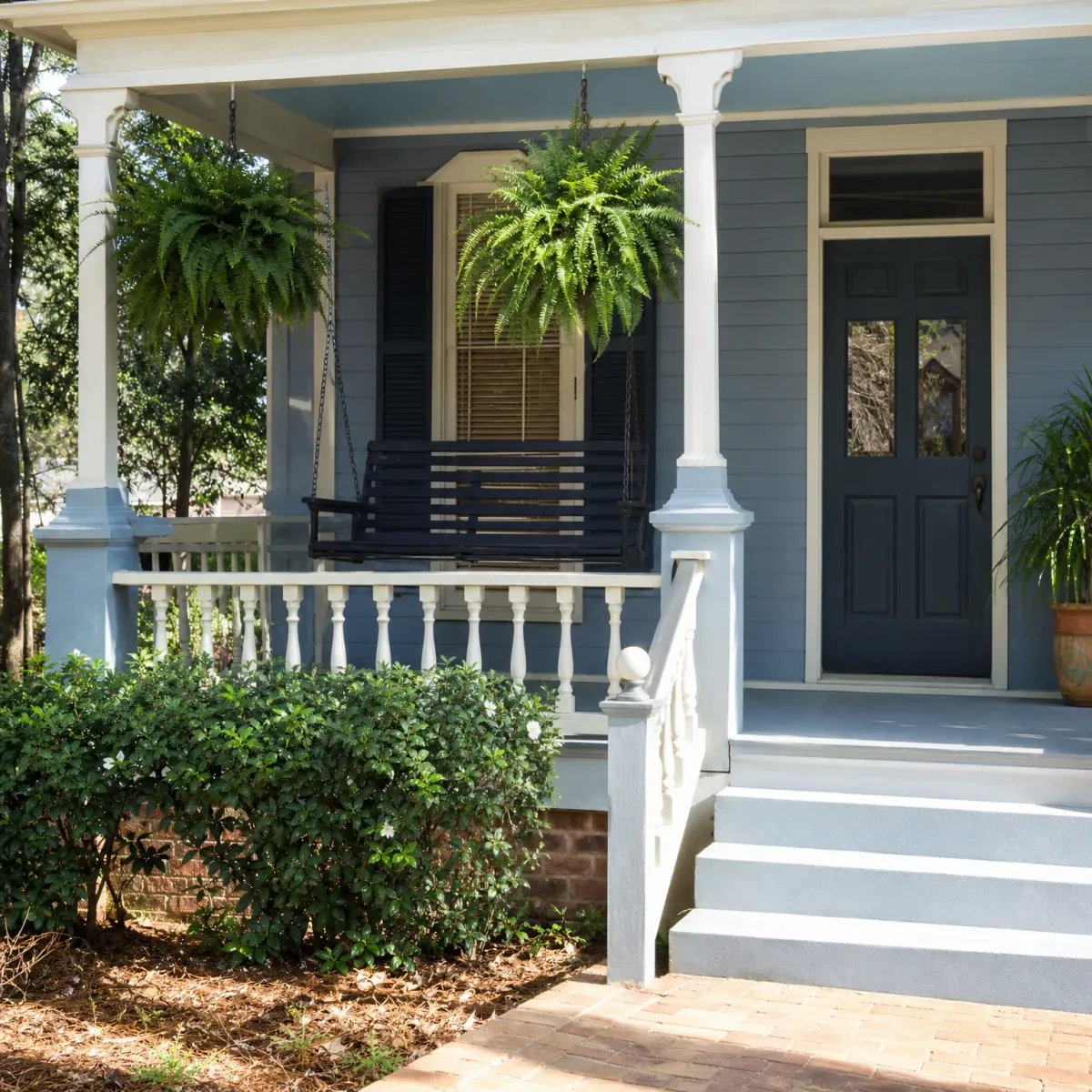
Front porch of a light blue wood-sided house with white columns and balusters, a dark porch swing, two hanging ferns, a dark blue paneled front door with transom, concrete steps, and flowering shrubs in front.

Common questions about heat pumps and furnaces

  • Will a heat pump keep my house cool enough here?

    Yes. A heat pump cools a house the same way a central air conditioner does, through the same kind of outdoor unit and the same ducts, and Saluda County's afternoon high only reaches 90°F or so on about 70 days a year. Cooling runs about five months here, May through September, and that side of a heat pump's job doesn't change with the cold-weather rating.

  • What if my house doesn't have a gas line?

    You're left choosing between a heat pump and a furnace that burns propane or oil, and here a heat pump is the one worth a look first. Only 8.8% of homes in Saluda County heat with utility gas, so most houses without a gas line are already running on electricity or propane. A heat pump moves heat instead of burning fuel, so it also covers cooling for the five months a year that runs, where a propane or oil furnace only heats.

  • What if my house heats with oil or propane?

    Propane heats about 13.3% of homes in Saluda County, and it costs more per unit of heat than electricity does here: $36.97 per million Btu for propane against $41.71 for electricity are close, but a heat pump turns each unit of electricity into several units of heat, where a propane furnace only turns fuel into heat close to one for one. That's why the running-cost comparison on this page favors the heat pump over a gas furnace, and the same reasoning holds against a propane or oil furnace even more.

  • Is a heat pump cheaper to run than a furnace in Saluda County?

    Yes, by the numbers for this county: $1.90 per 100,000 Btu for a heat pump against $2.05 for a gas furnace. Both figures assume a machine built to the federal minimum efficiency and South Carolina's average fuel prices. Heat only runs about five months a year here, so that gap is what it is for one season, not what it would add up to if a furnace ran all year.