Two illuminated white Southern-style houses with wraparound porches and staircases, framed by a Spanish moss-draped tree on a quiet street at night.

Furnace Repair in Summerville, SC

Tell us about the job

Takes about a minute. No obligation.

RepairFurnace or heatingDorchester County, SC
Step 1 of 2

What ZIP code is the job in?

The tech watches it try to start

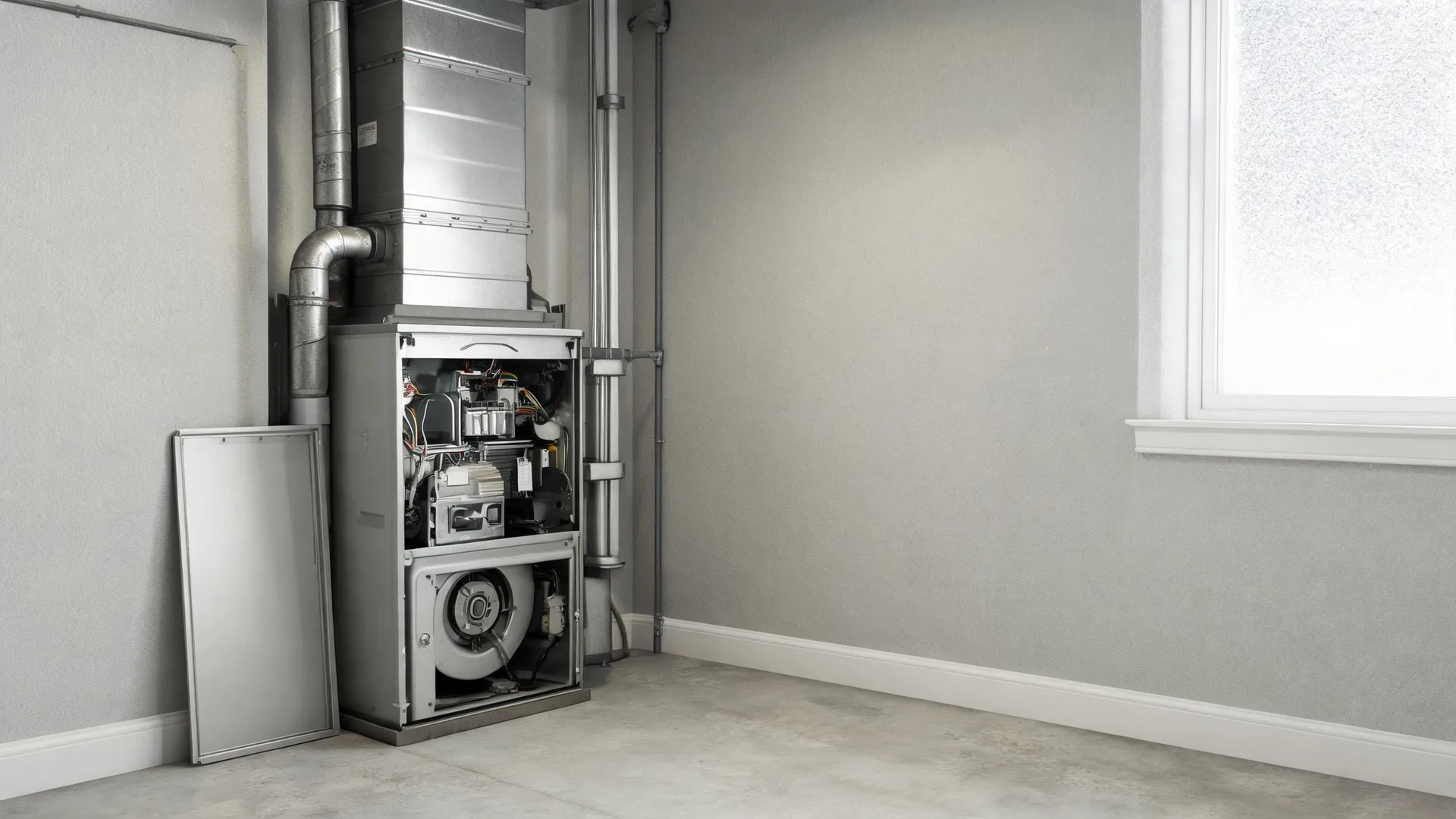
A diagnostic starts with the thermostat call, the power supply, and the gas line, before any panel comes off. Then the tech watches the furnace try to start. Does the igniter glow. Does the gas valve open. Does the blower kick on. Wherever that sequence stops is where the failed part is.

What the visit tells you

Once the tech finds the failed part, they can tell you straight whether it's a simple swap, like a flame sensor or igniter, or something tied to the heat exchanger or control board that takes more work to get at. That's the point of the visit, not just finding what quit, but telling you what fixing it actually involves.

5 months
November through March, your furnace is on duty
38°F
the average winter night it heats against
1 winter storms
in ten years, the nights a failure hurts most
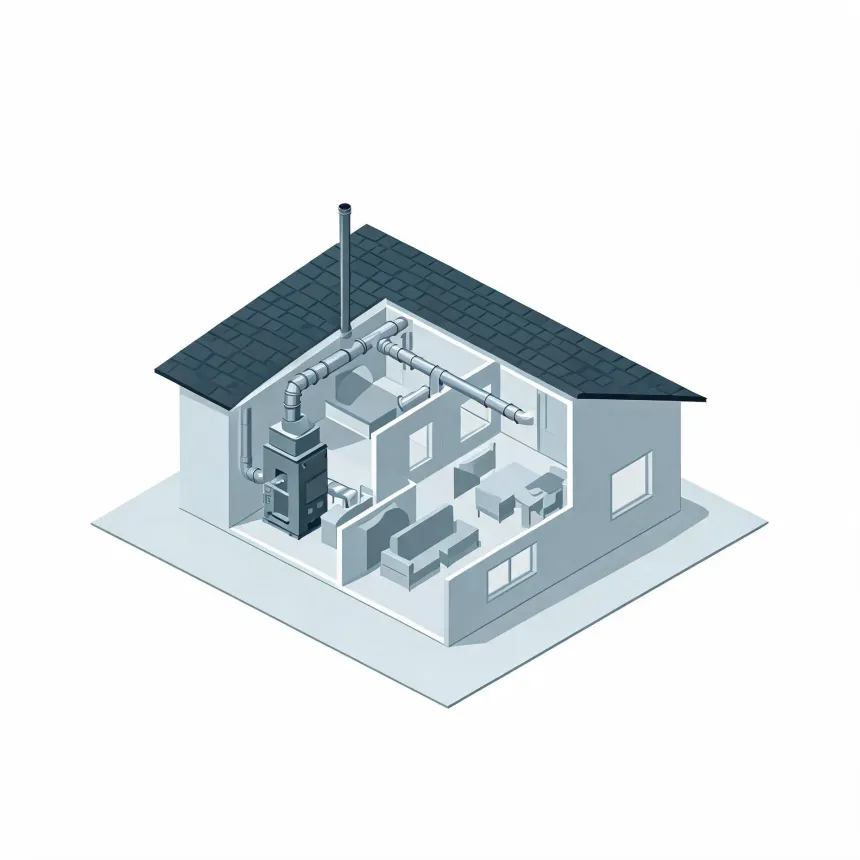
Isometric cutaway illustration of a single-story house with a dark shingled roof, showing a furnace with a flue pipe and branching ductwork running through interior rooms furnished with a sofa, table and chairs.
Your furnace works hardest from November through March.

NOAA nClimDiv, 1991–2020 normals

Half the homes in Dorchester County were built in 2000 or later.

A furnace that age is usually worth repairing, not replacing.

Nothing unusual in Summerville's winters. Just a furnace that needs the usual fix.

Heat runs November through March
Winter nights average 38°F
Climate zone 3A

Furnace season starts in November here. If yours was acting up near the end of last winter, that same problem is still sitting there waiting on the first cold morning. October is a good time to get it looked at, before the furnace has to run every day. Once it's working through November and into the cold months, a weak igniter or a failing flame sensor tends to show itself fast, usually right when you need the heat most.

A furnace that doesn't work hard is usually a furnace worth fixing

Furnace here only has to run about five months a year, November through March. Overnight lows average 38°F even in the coldest stretch of winter. That's not a hard climate for a furnace to keep up with, so most of the time what's wrong is a part that failed, not a system that's been run into the ground. Worth getting it fixed.

Find a contractor
A gray high-efficiency gas furnace installed in an unfinished basement, surrounded by gas lines, a condensate drain, and sheet-metal ductwork.

Five months a year isn't enough to wear one out

Get the repair done rather than talked into a new system. A furnace that only runs five months a year and never has to fight hard cold hasn't put in the kind of hours that wear out a heat exchanger or a blower motor. If a contractor finds a failed igniter or flame sensor, that's a part swap, not a sign the whole unit is done.

What you'll notice first

The furnace runs longer than it used to before the house feels warm, or it cycles on and off every few minutes instead of running a full stretch. Sometimes it blows air that never gets hot. Sometimes it tries to start, clicks, and quits before the burners catch. Any of these is worth a call before the furnace stops answering the thermostat at all.

What the sound and smell tell you

A bang when the burners light means gas is pooling before it ignites, and that's not something to wait on. A burning smell after the furnace has been off all summer is normal for a short while, but if it lingers or comes back, something is overheating. A screech or rattle from the blower means a motor or bearing is already struggling.

A furnace that's struggling will keep trying to run that way until something stops it for good. A cracked heat exchanger doesn't heal, it spreads, and heat run through a crack can push exhaust where it shouldn't go. A blower motor with a bad bearing will keep grinding until it seizes, and a furnace with no airflow can overheat and shut itself down on purpose. Even a small gas leak at a fitting gets worse under the vibration and heat of normal operation, not better. None of these fix themselves by running longer. The part that's already failing just keeps failing, usually faster once the weather turns cold and the furnace has to run more.

The part that failed tells you more than how long the furnace has been running. A flame sensor, an igniter, a pressure switch, these sit right out in the open and swap out in minutes, no matter the age of the unit. A cracked heat exchanger or a failed control board is a bigger job, more involved, more worth asking the tech about before you commit. So the real question isn't just how old the furnace is. It's whether the failure is a part that wears out and gets replaced, or something tied into the cabinet that takes more to get at. Most of what goes wrong falls into the first kind.