A white Southern-style house with a wraparound porch photographed at night, surrounded by Spanish moss-draped oak trees lit by landscape lights.

Furnace Repair in Marion, SC

Tell us about the job

Takes about a minute. No obligation.

RepairFurnace or heatingMarion County, SC
Step 1 of 2

What ZIP code is the job in?

The tech watches it run before touching anything

A furnace diagnosis starts with a full cycle. Does it ignite on the first try, does the blower kick on when it should, does it shut off clean or trip out early. The tech will also pull the panel and look at the flame itself, since the color and shape tell him whether it's burning right. Most of what's wrong shows up before a single part gets replaced.

The same symptom can point to different problems

A furnace that won't stay lit could be a bad flame sensor. It could also be a cracked heat exchanger tripping a safety switch, or a draft problem pulling the flame around. They can all look the same from the thermostat. The tech has to check each one in turn, since swapping a part that wasn't broken just delays getting to the real fix.

5 months
November through March, your furnace is on duty
36°F
the average winter night it heats against
1 winter storms
in ten years, the nights a failure hurts most
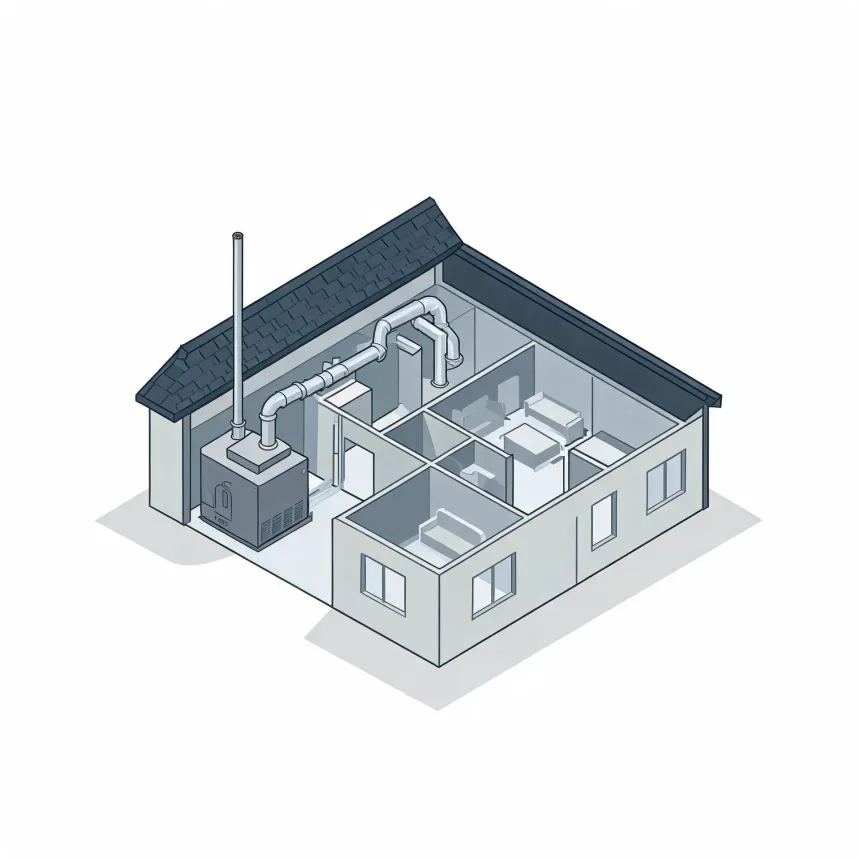
Isometric grayscale illustration of a cutaway single-story house showing interior rooms with furniture, plus an exterior furnace unit with a tall flue pipe and ducting running into the attic space.
Your furnace works hardest from November through March.

NOAA nClimDiv, 1991–2020 normals

Furnaces in Marion County only run about five months a year, November through March.

A furnace that's only had five months of work a year is usually still worth fixing.

Marion County furnaces sit idle through October, then get asked to start cold in November

Heat runs November through March
Winter nights average 36°F
Climate zone 3A

Most furnace problems in Marion County are not a sign of anything unusual. It is the same handful of things that go wrong with this kind of machine anywhere. A flame sensor that needs cleaning. An igniter on its way out. A clogged filter choking the airflow. The fix is almost always ordinary too. Electricity here runs $41.71 per million Btu, so a furnace working harder than it should to heat the house is worth putting right, not living with.

Nothing unusual going on here, just a furnace that needs attention

Nothing about Marion County makes furnace trouble here any different. Half the homes were built in 1982 or later, and whether your house is older or newer than that doesn't change what's wrong with the furnace inside it. It's almost certainly the ordinary fix. Worth getting looked at.

Find a contractor
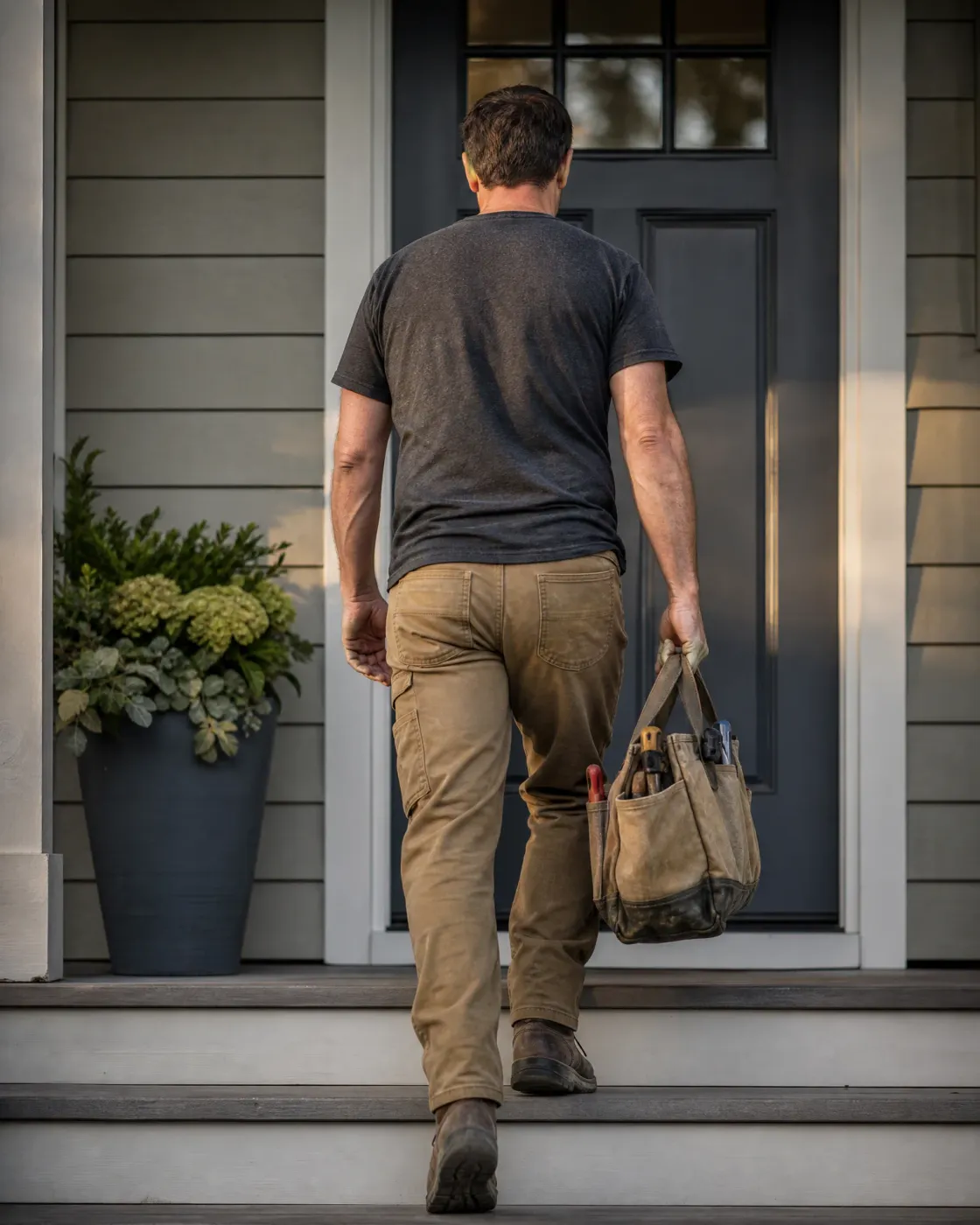
A man in a dark gray t-shirt and tan work pants, seen from behind, carries a canvas tool bag up porch steps toward a dark front door, with a potted plant beside the porch.
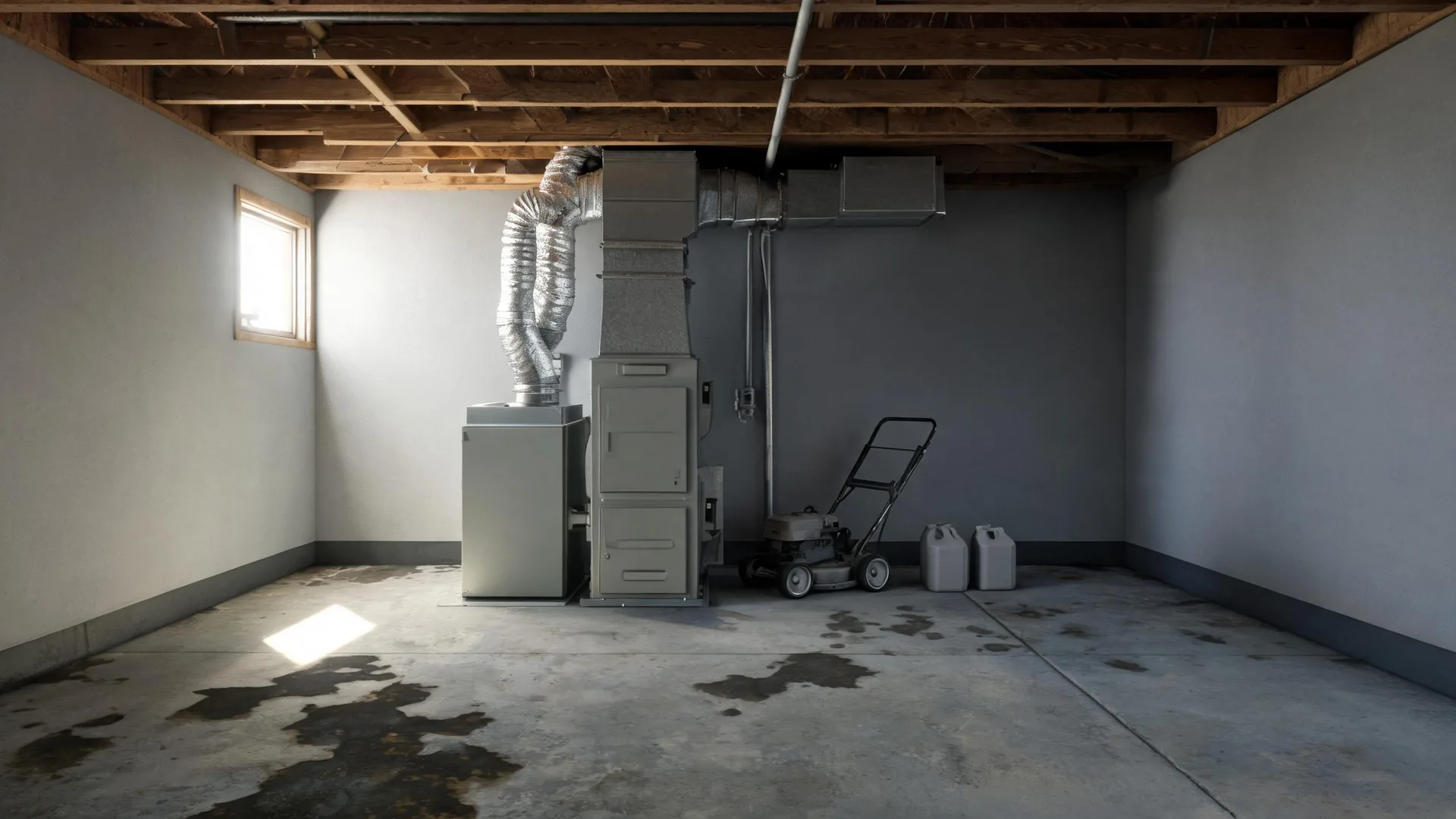
A gray residential gas furnace installed in an unfinished basement, connected to sheet-metal ductwork and PVC pipes.

A mild climate on an easy schedule

Overnight lows average 36°F here in December, January and February. That's not hard duty for a furnace. One built to handle real cold spends most of its life in this county barely working for it. If yours is acting up now, the trouble is almost never the machine wearing out from the job. Get it looked at before you decide it's done.

A short flame gets worse every time it fires

A flame sensor coated in residue reads a weaker signal each cycle. The furnace still lights, but the control board shuts it down sooner, and a problem that once cleared on its own now trips out every run until someone cleans the rod or swaps it.

A cracked heat exchanger does not heal

Letting the furnace keep running on a cracked exchanger does not wear it smooth or seal it shut. The crack only opens further with each heat cycle, and a safety switch built to catch exhaust leaking into the airflow is the only thing standing between a small crack and a real hazard.

Before calling anyone, check the thermostat is set to heat and the temperature is set above room temperature. Check the filter. A filter packed with dust chokes airflow, and some furnaces will shut themselves down rather than run with the air that blocked. Go to the furnace and look for a light on the control board. Most units flash a code when they lock out, and that pattern tells a tech what tripped before he even opens the panel. Check the switch on the wall near the furnace that looks like a light switch. It cuts power to the unit for service, and it can get bumped off by accident. If the breaker for the furnace has tripped, flip it back once. If it trips again right away, stop and leave it alone.

An igniter, a flame sensor, a blower motor, a control board. These fail on their own schedule, and most of them come out one at a time without touching the rest of the furnace. Replacing one worn part keeps the whole unit running for years past when that part first gave out. The heat exchanger is different. It sits at the center of the furnace, and a crack there is not a simple swap like the others. A tech who finds a bad igniter or a dirty sensor is looking at an easy repair. A tech who finds a cracked exchanger is telling you the furnace is done, no matter how good the rest of the cabinet looks.