Two white Southern-style homes with wraparound porches lit by landscape lighting at night, flanked by live oak trees hung with Spanish moss.

Furnace Repair in Kingstree, SC

Tell us about the job

Takes about a minute. No obligation.

RepairFurnace or heatingWilliamsburg County, SC
Step 1 of 2

What ZIP code is the job in?

A mild job most winters

Furnaces in Kingstree run about five months a year, November through March, and overnight lows average 37°F through the coldest stretch. That is a short season against light cold, not the kind of demand that wears a furnace down fast.

Age and neglect, not overwork

A furnace with this little strain on it usually isn't failing because it was pushed too hard. When one here breaks down, it's more often a part worn out from age or a system that missed maintenance, which means the right repair tends to fix it for good.

5 months
November through March, your furnace is on duty
37°F
the average winter night it heats against
2 winter storms
in ten years, the nights a failure hurts most
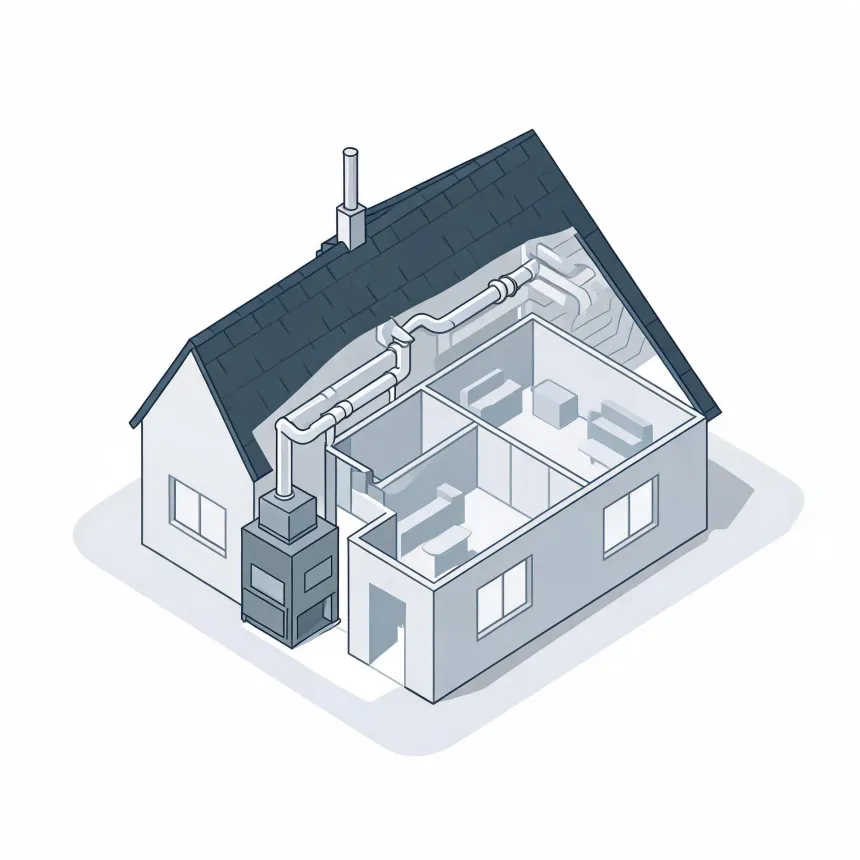
Isometric line illustration of a cutaway single-story house with a dark shingled roof, showing interior rooms and ductwork connected to a gray furnace unit with a flue pipe.
Your furnace works hardest from November through March.

NOAA nClimDiv, 1991–2020 normals

Furnaces in Kingstree go quiet for the summer and don't run again until November.

October is the month to get one checked, before that first cold night finds the weak part.

Weather here is no harder on a furnace than anywhere else

47 severe weather events from 2015 to 2024
45% of homes statewide lost power a day or more in 2024
36 damaging wind events from 2015 to 2024

Electricity in South Carolina runs $41.71 per million Btu, which matters most to homes heating with electric furnaces or heat pumps rather than gas. That cost doesn't change because a furnace sits in Kingstree instead of anywhere else in the state. What changes the bill is how well the unit is running. A furnace with a cracked heat exchanger, a dirty flame sensor, or a clogged filter works harder to put out the same heat, and that shows up in what it draws. Fixing the actual problem costs less over a winter than paying that rate on a system straining to do its job.

Most furnace trouble here comes down to age, not the cold

Half the homes in Williamsburg County were built in 1985 or earlier. A house that old has had time for a furnace or two to come and go, so if yours is original to the house, worn parts are the likely cause, not the weather. A contractor can tell you whether it's one failed part or a system at the end of its life.

Find a contractor
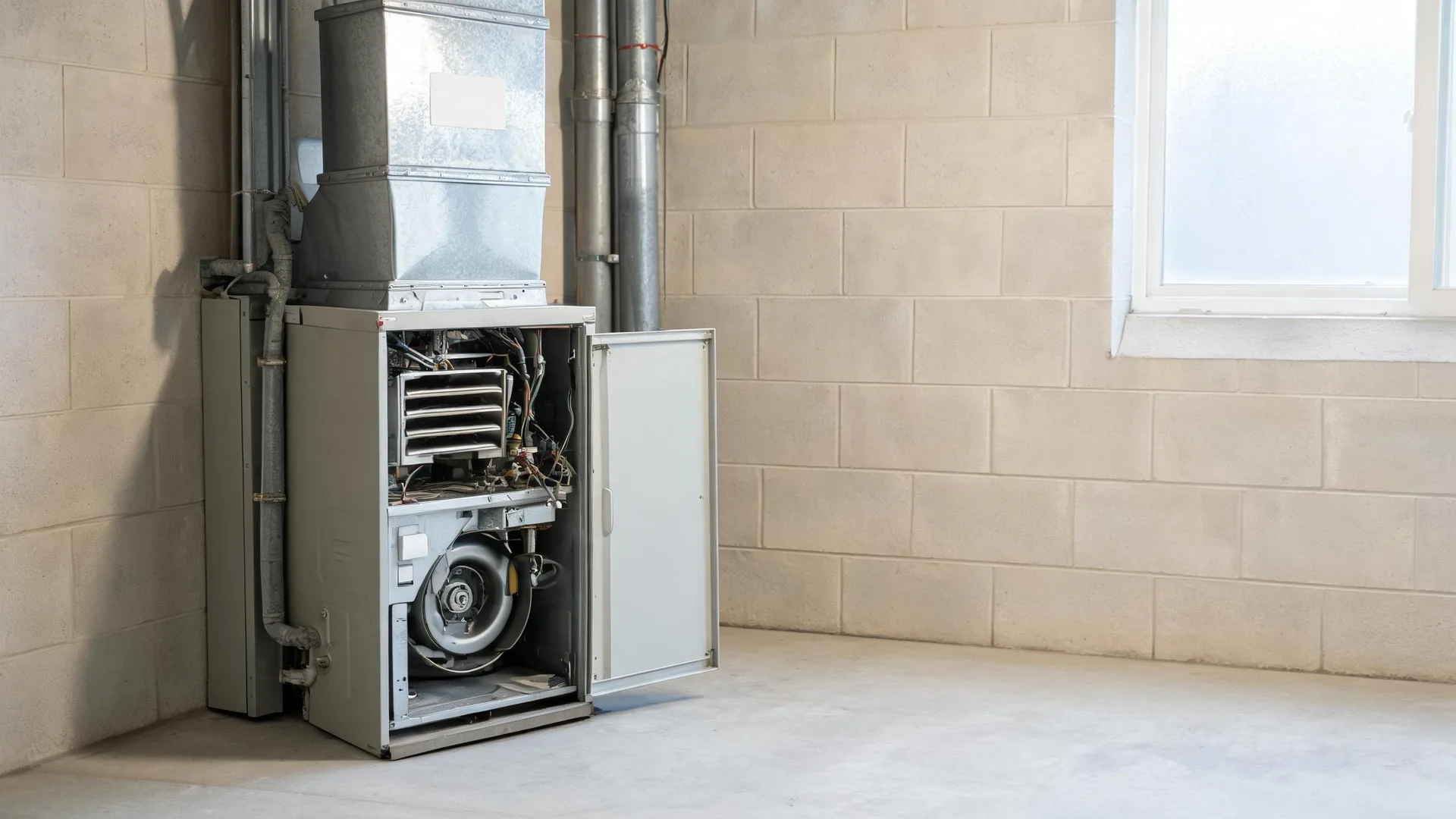
A gray high-efficiency gas furnace installed in an unfinished basement, surrounded by gas lines, a condensate drain, and sheet-metal ductwork.

Five months of work, most of the year off

A furnace that only runs five months a year still needs to start reliably on the first cold night. With this little wear on it, most still have working parts left. If yours is firing up and running rough rather than not starting at all, that is usually one part failing inside a system that is otherwise fine, worth having someone find and replace rather than written off.

What you'll notice first

Short cycling is one of the clearest signs. The furnace kicks on, runs briefly, then shuts off before the house warms up. A burner that won't light on the first try, or lights and then goes out, usually points to a dirty flame sensor or a failing igniter. A blower that runs constantly, even with no heat coming out, often means a bad limit switch or a control board losing track of what the furnace is doing. Any of these are worth a call before they leave you without heat on a cold night.

What you'll smell or hear

A burning dust smell the first time the furnace fires after sitting all summer is normal and clears on its own. A smell that lingers, or one that's sharper, like scorched metal or something electrical, is not. Banging or popping from the ductwork as it heats up is usually just metal expanding, but a grinding or squealing sound from the blower means a motor bearing is wearing out. Clicking that won't stop, with no flame ever catching, points to the igniter or the gas valve and shouldn't wait.

Before you call anyone, there are a few things worth checking yourself. Start with the filter. A filter clogged with dust chokes off airflow, and that alone can cause short cycling or a furnace that blows cool air. Next, check the thermostat is set to heat and the temperature is actually above room temperature, and swap the batteries if it's gone blank or unresponsive. Look at the switch on or near the furnace itself, the one that looks like a light switch, and make sure it hasn't been bumped off. If your furnace is gas, check that the gas valve is turned to on. Walk over to your breaker panel and see if the breaker for the furnace has tripped. None of this takes special knowledge, and it rules out the simple causes before you pay someone to find them.

A diagnostic call starts with the thermostat and works inward. The tech checks the call for heat is actually reaching the furnace before touching anything inside it. From there it's the burners, the flame sensor, the igniter, and whether the blower is moving air the way it should. A gas furnace gets checked for proper ignition and a steady flame, not one that's weak or the wrong color. The heat exchanger gets inspected too, since a cracked one is a safety issue and not just a repair. Most of this is done by watching the furnace run through a full cycle, start to shutoff, because a lot of problems only show up once the system is working.