An outdoor HVAC condensing unit on a concrete pad next to a beige single-story house with a dark shingle roof.

Heat Pump Installation in Union, SC

Tell us about the job

Takes about a minute. No obligation.

New system or replacementHeat PumpUnion County, SC
Step 1 of 2

What ZIP code is the job in?

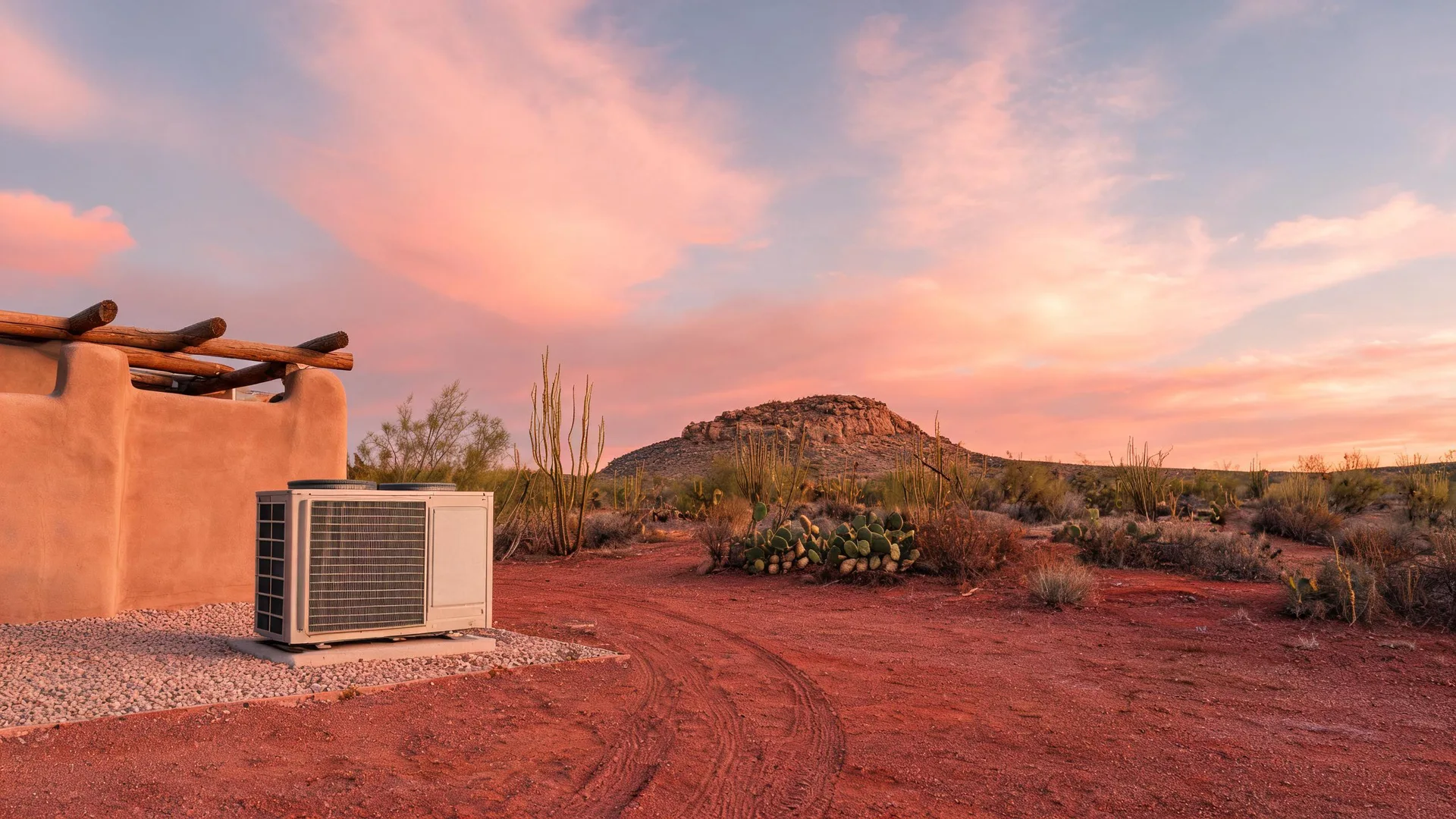
Weather here is hard on outdoor equipment

Union County recorded 73 severe weather events between 2015 and 2024, most of them damaging wind. A heat pump's outdoor unit sits outside through all of it, wind, hail, the occasional tornado. Where the installer places it, and what's around it, matters more here than in a county with a quieter record.

Power doesn't always come back fast

Almost half of South Carolina households went at least 24 hours without power in 2024. A heat pump needs electricity to run, for heat and for cooling both. If an outage knocks yours out for a day, that's worth planning around before the install, not after.

5 months
November through March, your system heats
5 months
May through September, it cools
33°F
the average winter night it heats against
90°F
the average summer afternoon it cools against
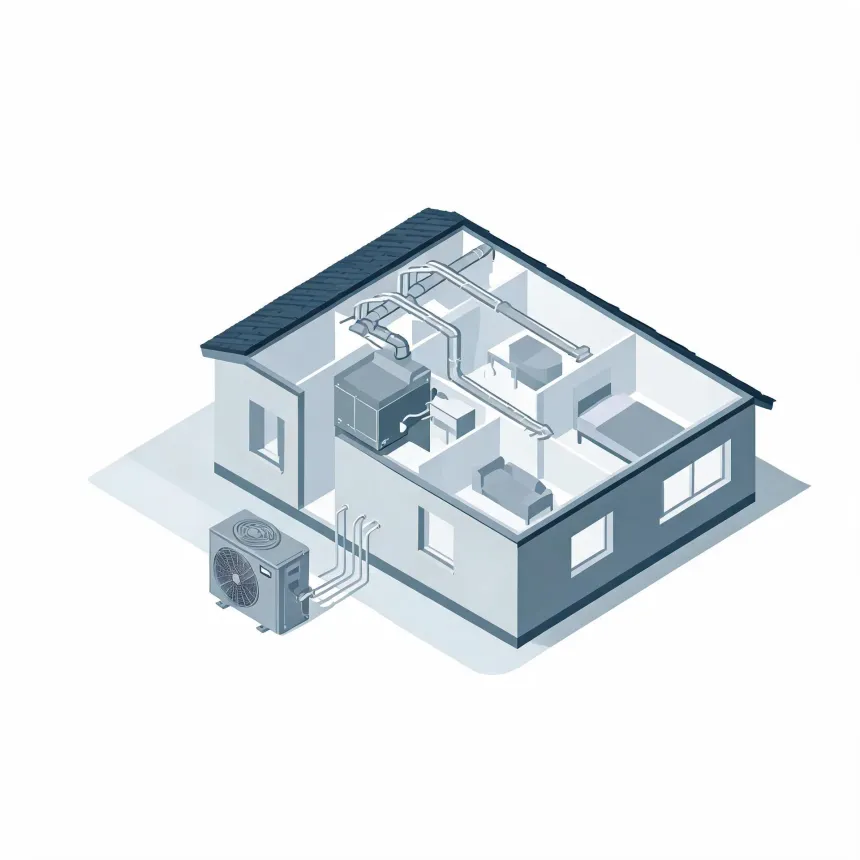
Isometric cutaway illustration of a single-story house showing interior rooms with ductwork, an indoor air handler unit, and an outdoor condenser unit connected by lines along the exterior wall.
Your system heats November through March and cools May through September.

NOAA nClimDiv, 1991–2020 normals

Electricity heats 58.3% of homes in Union County.

A heat pump runs on the same setup most houses here already have.

Mild winters and long summers call for a standard heat pump, sized right

Power costs 14.23 cents a kWh statewide
Climate zone 3A
Cooling runs May through September

Electricity here runs 14.23 cents a kilowatt-hour, below the national average. That changes the math on which heat pump to install. A high-efficiency model costs more up front, and with power this cheap, it takes longer to earn that back in lower bills. A standard heat pump sized correctly for your house will run fine here and cost less to install. Where the money is better spent is on install quality and a unit that holds up to wind and keeps running when the power comes back on.

Any system installed here starts from a higher efficiency floor

Any heat pump installed here now has to hit 14.3 SEER2 and 7.5 HSPF2 at minimum, the federal floor for this kind of equipment. Central air systems under 45,000 Btu/h face that same 14.3 SEER2 mark, higher than what manufacturers build to in most of the country. That's the baseline a contractor is working from before anything else gets decided. A federal tax credit is available toward a qualifying install, on top of whatever that baseline buys you.

Find a contractor
A man in a dark shirt and khaki pants, seen from behind, carries a worn leather bag as he climbs wooden porch steps toward a dark front door, with a potted shrub beside the entry.
A gray heat pump outdoor unit mounted on a concrete pad next to a residential house with lap siding and stone accents.

The house decides what fits, and this county's houses are old

Half the homes in Union County were built in 1972 or earlier. A heat pump going into a house that old is going into ductwork, wiring and a electrical panel that were sized for whatever heated the place decades ago, not for a heat pump. The installer needs to check what's actually there before sizing the new unit, not after. Mobile homes make up a little over a fifth of the housing here too, and those need their own sizing and ductwork rules. The right heat pump for a house like this is the one that matches the house, not the one that worked fine in a newer build across town.

The old equipment comes out as part of the job

Whoever installs the new heat pump disconnects the old system, whether that's a furnace and separate AC or an older heat pump, and hauls it away. The refrigerant gets recovered rather than vented, that's a legal requirement, not optional. The line set gets checked too. If it's the wrong size or has worn fittings, it gets replaced rather than reused, since the new system depends on it as much as the old one did.

What's underneath the old unit matters for the new one

The pad or slab the old outdoor unit sat on often gets reused, but only if it's still level and solid. Years outside can crack or sink a pad, and a new unit set on an uneven base will run harder and wear faster than it should. Old electrical whips and disconnects near the unit get inspected too. If they were sized for the old system's draw, they may need swapping before the new heat pump can run off them safely.

Load calculation is what sets the price before anything else does. A contractor measures the house, the windows, the insulation, and figures out how much heating and cooling it actually needs. Skip that step and you either pay for capacity the house will never use or install something that runs constantly and still can't keep up. Ductwork condition plays into it too. If the existing ducts are undersized, leaky, or routed badly, that work has to happen alongside the install or the new equipment can't deliver what it's rated for. Electrical capacity matters as well, since a heat pump draws power the old equipment might not have needed, and the panel or wiring has to support that. None of this shows up in the sticker price on the unit itself, but it's where the real cost of the job comes from.

Installation day starts with the old equipment coming out and ends with a system that's been tested, not just turned on. The indoor coil and outdoor unit get set in place first. Then the line set gets connected, pressure tested and checked for leaks before any refrigerant goes in. The electrical hookup comes next, breaker, disconnect and wiring all matched to what the new unit draws. Once it's connected, the system gets charged to the exact weight the manufacturer specifies, not just until it starts running. After that comes startup. The installer checks airflow at the vents, checks the temperature difference between the air going in and the air coming out, and listens for anything that sounds off. The thermostat gets set up and tested last, since that's the part the homeowner actually uses every day. Rushing any one of these steps is usually what shows up as a problem months later.