

Heat pump vs furnace in Lexington County, South Carolina

Find a Pro Near You

No cost to ask

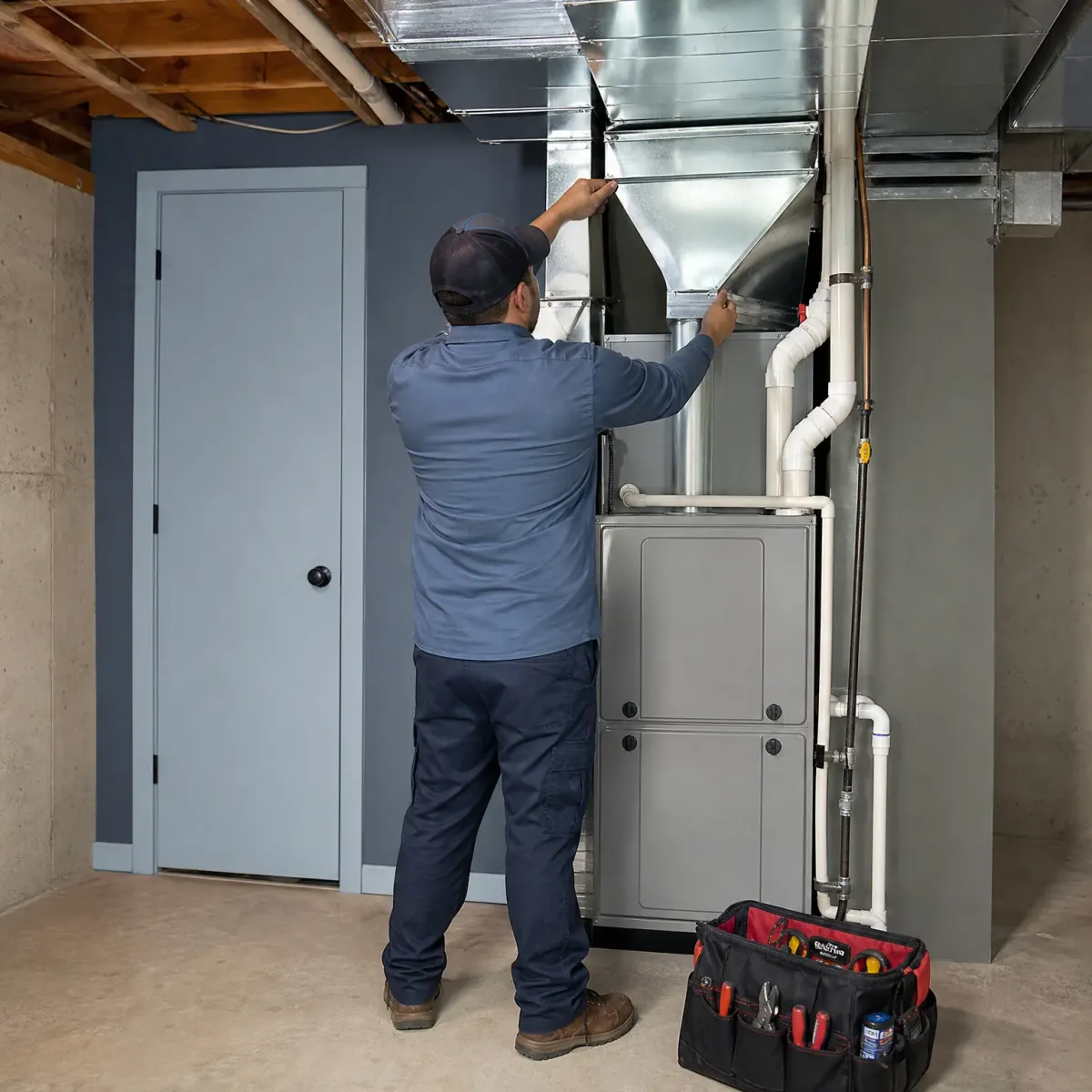
A man in a blue shirt, dark pants and cap reaches up toward sheet-metal ductwork above a gray furnace in a basement, with PVC piping alongside and an open tool bag on the floor.

Tell us about the job

Takes about a minute. No obligation.

New system or replacementLexington County, SC
Step 1 of 3

What kind of equipment?

Which costs less to run in Lexington County?

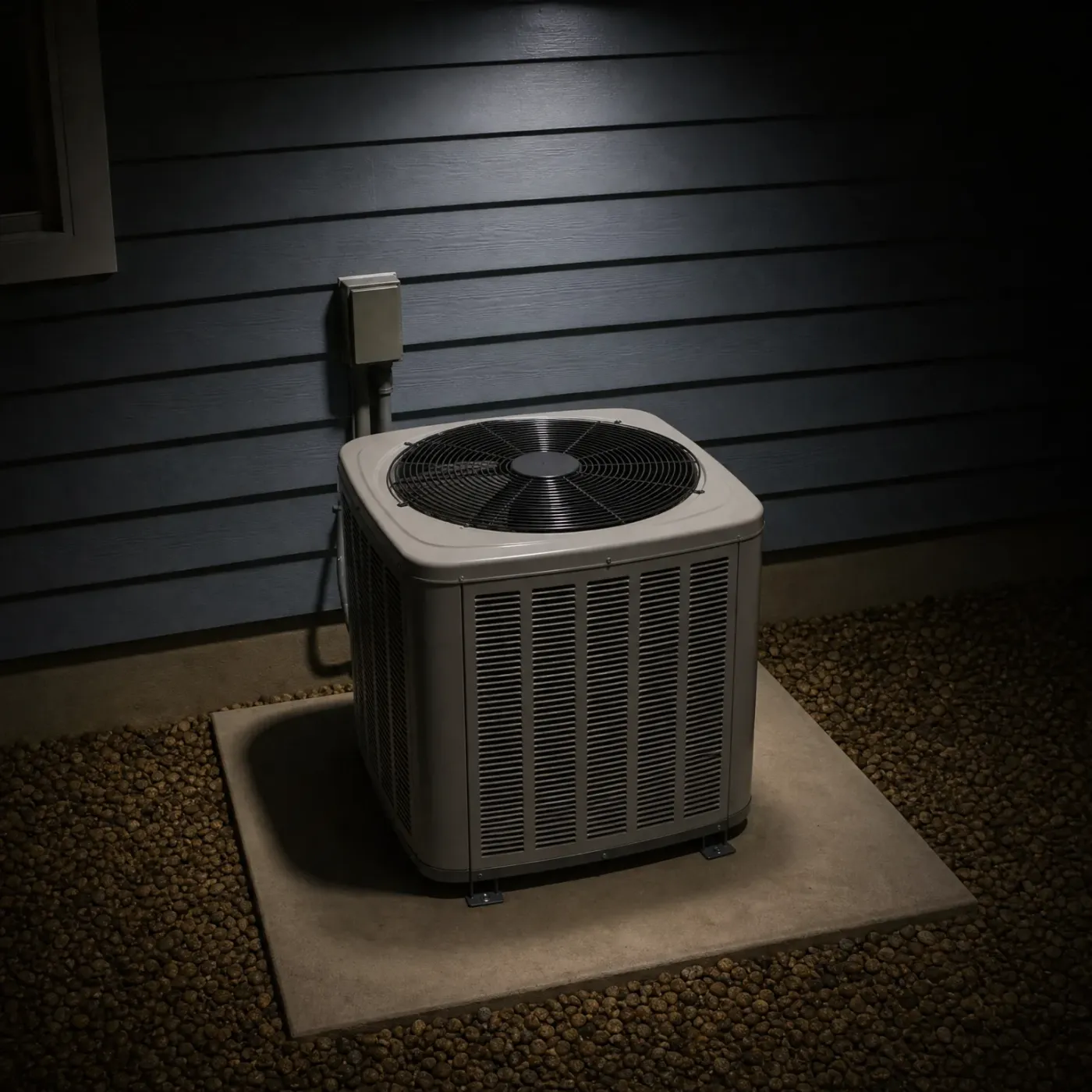
An outdoor air conditioner condenser unit on a concrete pad surrounded by gravel, next to a dark horizontal-lap sided house wall with an electrical disconnect box above it, lit at night.

Heat pump

To heat your home here$1.90per 100,000 Btu

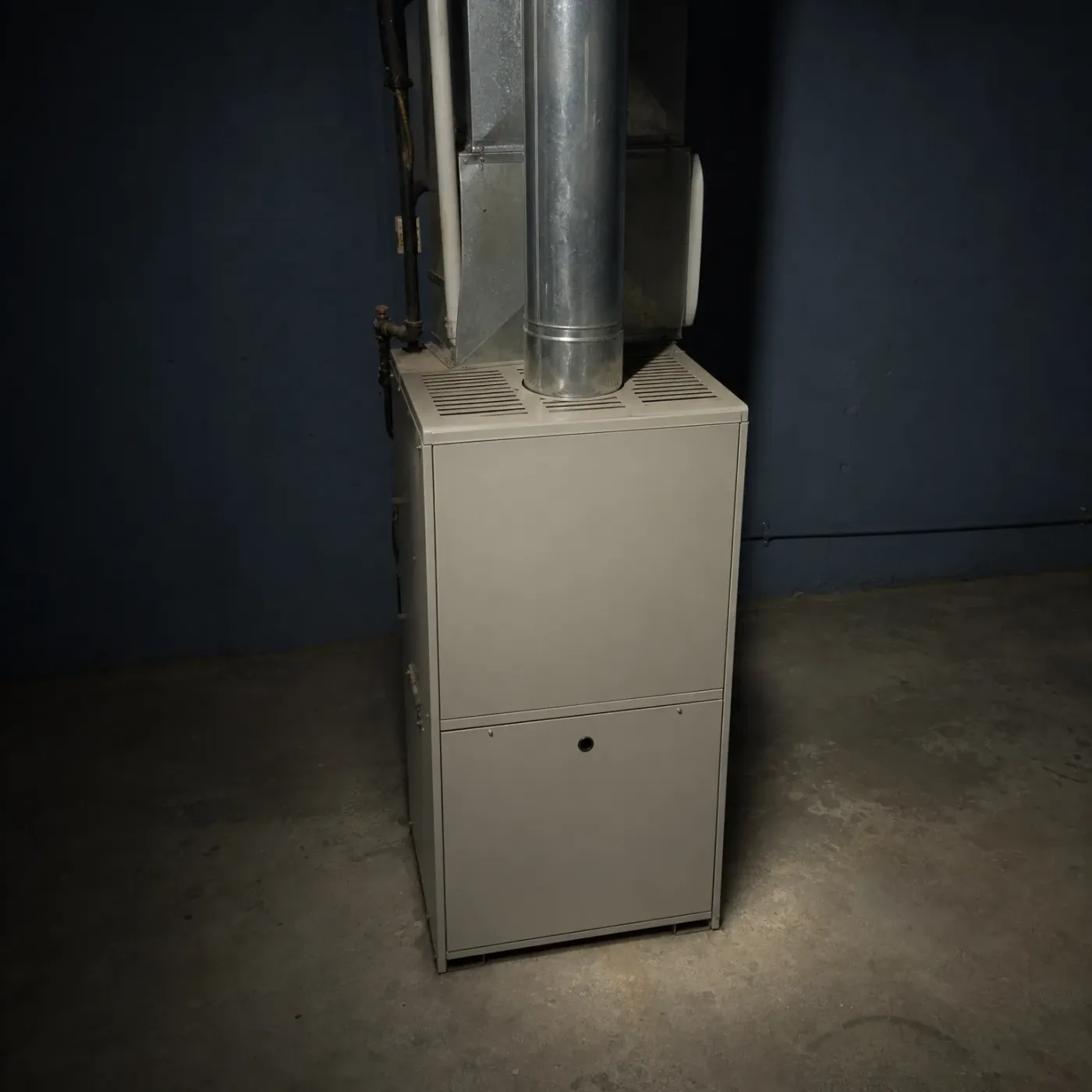
A beige sheet-metal furnace standing on a concrete floor against a dark blue wall, with a metal flue pipe and ductwork rising from its top.

Furnace

To heat your home here$2.05per 100,000 Btu

At South Carolina's gas and electricity prices, a heat pump makes the same heat as a gas furnace for about 7% less.

Btu stands for British thermal unit, the standard measure of heat energy.

Where does a heat pump shine?

  • Made for mild winters

    Winter nights in Lexington County only average 36°F. A heat pump handles that range without trouble, pulling heat from outside air all winter long.

    Covered porch of a gray clapboard house with a dark blue front door flanked by sidelights, a blue rocking chair with a knit blanket, a wooden crate holding a mug, leather boots on a doormat, and a small potted evergreen, with frost on the ground beyond.
  • Heats and cools in one system

    A heat pump runs the same way all year. It pulls heat into the house in winter and pushes it out in summer.

    A living room with dark blue panelled walls, a grey sofa with cushions and a knitted throw, a wooden coffee table holding a mug and a glass vase of white hydrangeas, a side table with a lamp and small plant, and a large white-framed window overlooking a green garden.
  • No gas line, nothing burning in the house

    There's no gas line to the unit and no flame anywhere in it. Carbon monoxide isn't part of the picture.

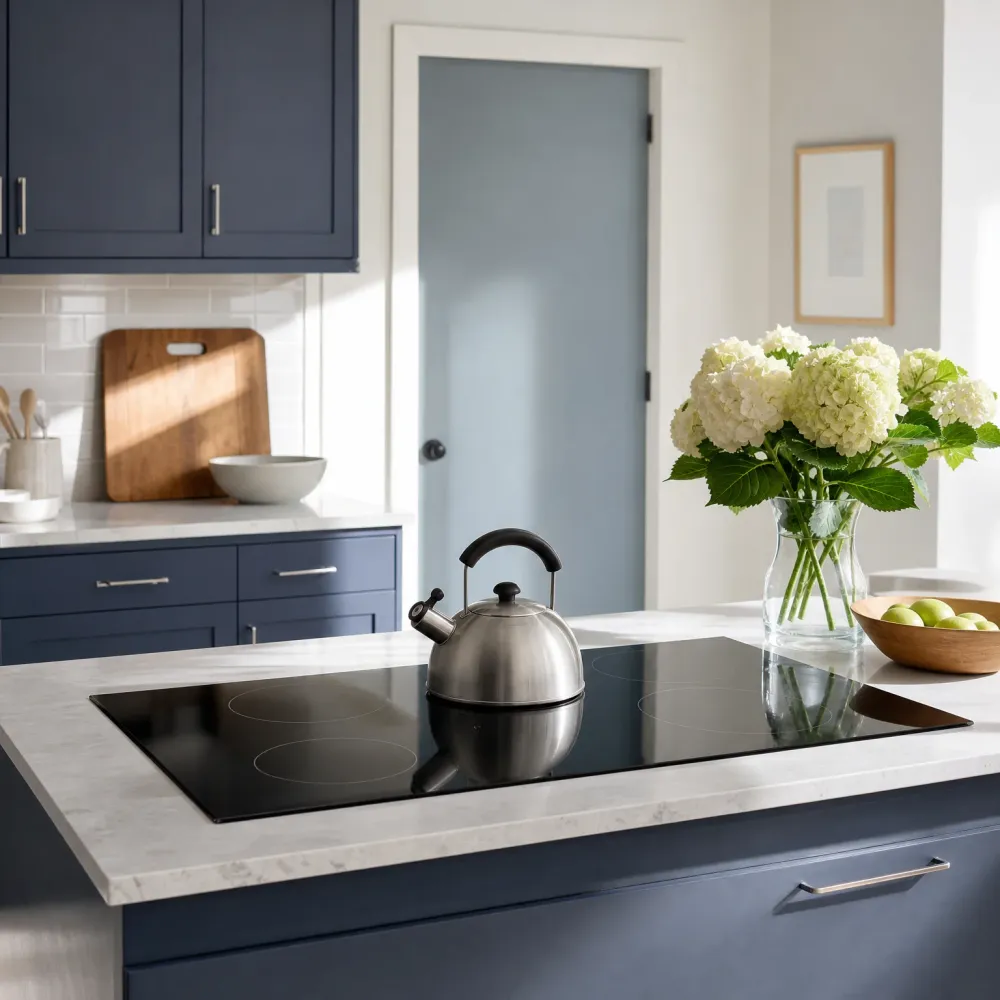
    A kitchen island with a light stone countertop and black cooktop holding a stainless steel kettle, with navy cabinets, a white tile backsplash, a wooden cutting board, a vase of white hydrangeas, and a bowl of green apples.

Where does a furnace shine?

  • Fast, strong heat on demand

    A furnace pushes out hot air within minutes of switching on. A cold house warms up fast.

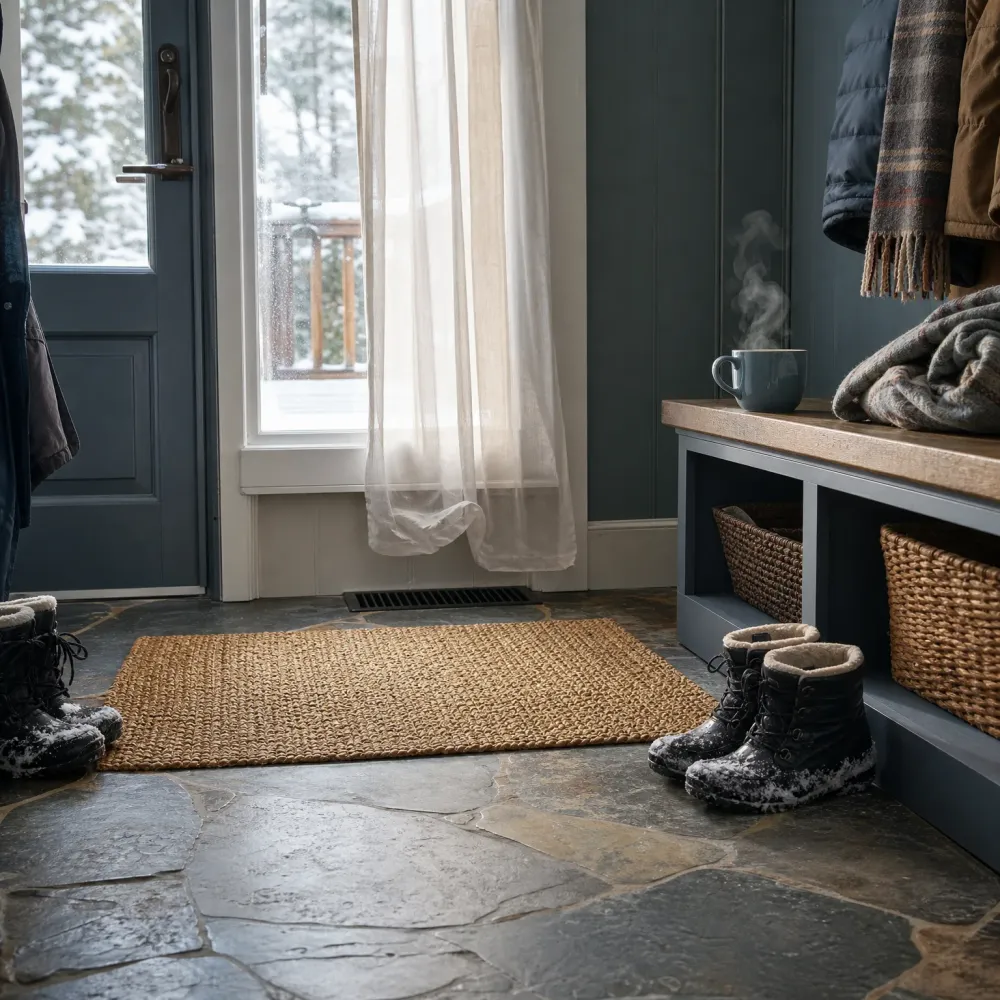
    Mudroom entry with slate floor, woven jute mat, snow-dusted boots, a bench with wicker baskets and a steaming mug, coats and a plaid scarf on hooks, and a glass door with a sheer curtain showing snow outside.
  • Proven, simple, easy to get serviced

    The design is simple and well understood. That keeps service calls short.

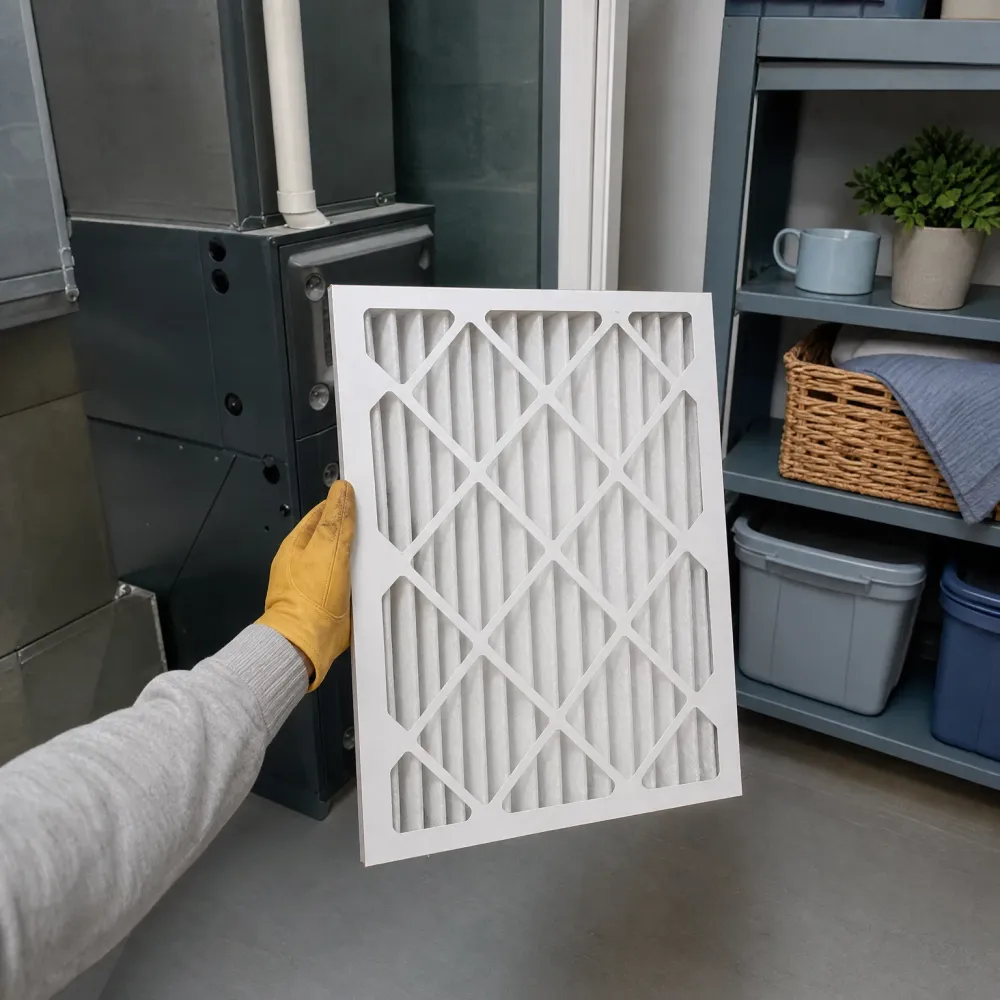
    A gloved hand holds a clean pleated air filter in front of a furnace unit, with a shelving rack holding a mug, potted plant, basket, and storage bins at right.
  • Pairs with any central AC

    The ductwork that delivers heat in winter delivers cool air in summer once an AC coil is added.

    A person's hand holding a gray mug rests on the arm of a beige sofa draped with a dark knit blanket, beside a window with a billowing sheer curtain, with a gray paneled door and sunlit wood floor at left.

Winters here don't ask much of a heat pump

Your winters are mild enough that a heat pump can do the whole job without help. The overnight low averages 36°F across December, January and February, well above the range where a heat pump struggles.

Cold nights do happen. About 50 nights a year drop to 32°F or below, but that's under a third of the roughly 150 nights in the five months your heat runs. Most of the season sits above freezing, which is the range a heat pump is built for.

It also costs less to run at South Carolina's current prices. A heat pump makes heat here for $1.90 per 100,000 Btu against $2.05 for a gas furnace. That gap holds for the whole five-month heating season, not just the mild stretches of it.

A furnace only heats. Once the five months of heating season end, it has nothing to do for the other seven months of the year here.
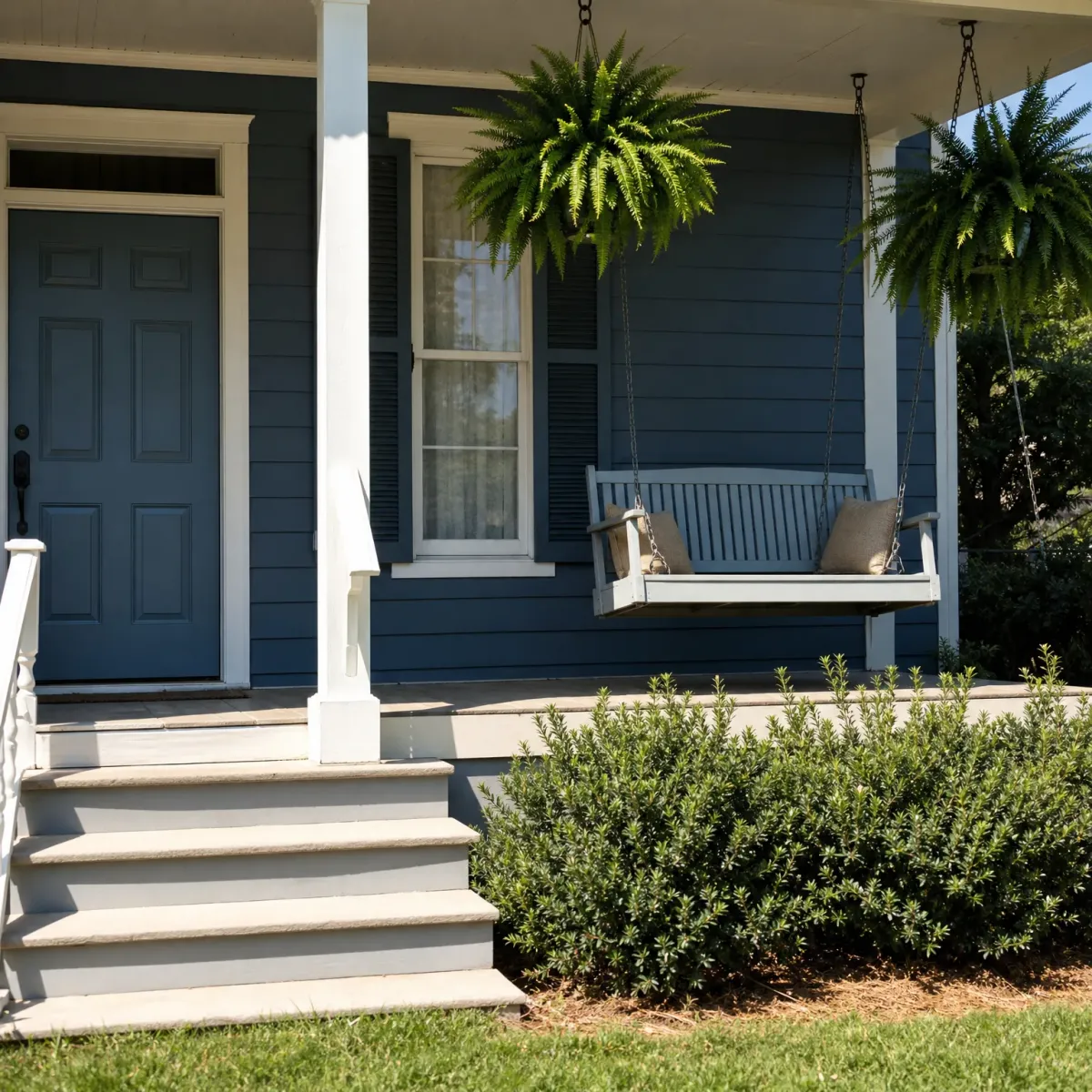
Front porch of a dark blue-gray house with white trim, a blue six-panel door, concrete steps, a white hanging porch swing with cushions, two hanging ferns, and trimmed shrubs along the foundation.

What the furnace still has going for it

A furnace earns its keep on the coldest nights, the ones at or below freezing. It burns gas and puts out strong heat right away, without having to work harder as the temperature drops.

Your summers are long and hot. Cooling runs about five months, May through September, with afternoon highs reaching 90°F or above on about 85 days a year. A furnace does nothing for any of that; it needs a separate air conditioner. A heat pump heats and cools with the same equipment.

Electricity already heats 69.3% of homes in the county, utility gas 25.2%. If your house already has a gas line and ductwork set up for a furnace, that's worth checking before you decide what to replace it with.

Sources: NOAA nClimDiv · NOAA 1991–2020 seasonal normals · Census ACS 2020–2024 · EIA SEDS 2024 · 10 CFR 430.32

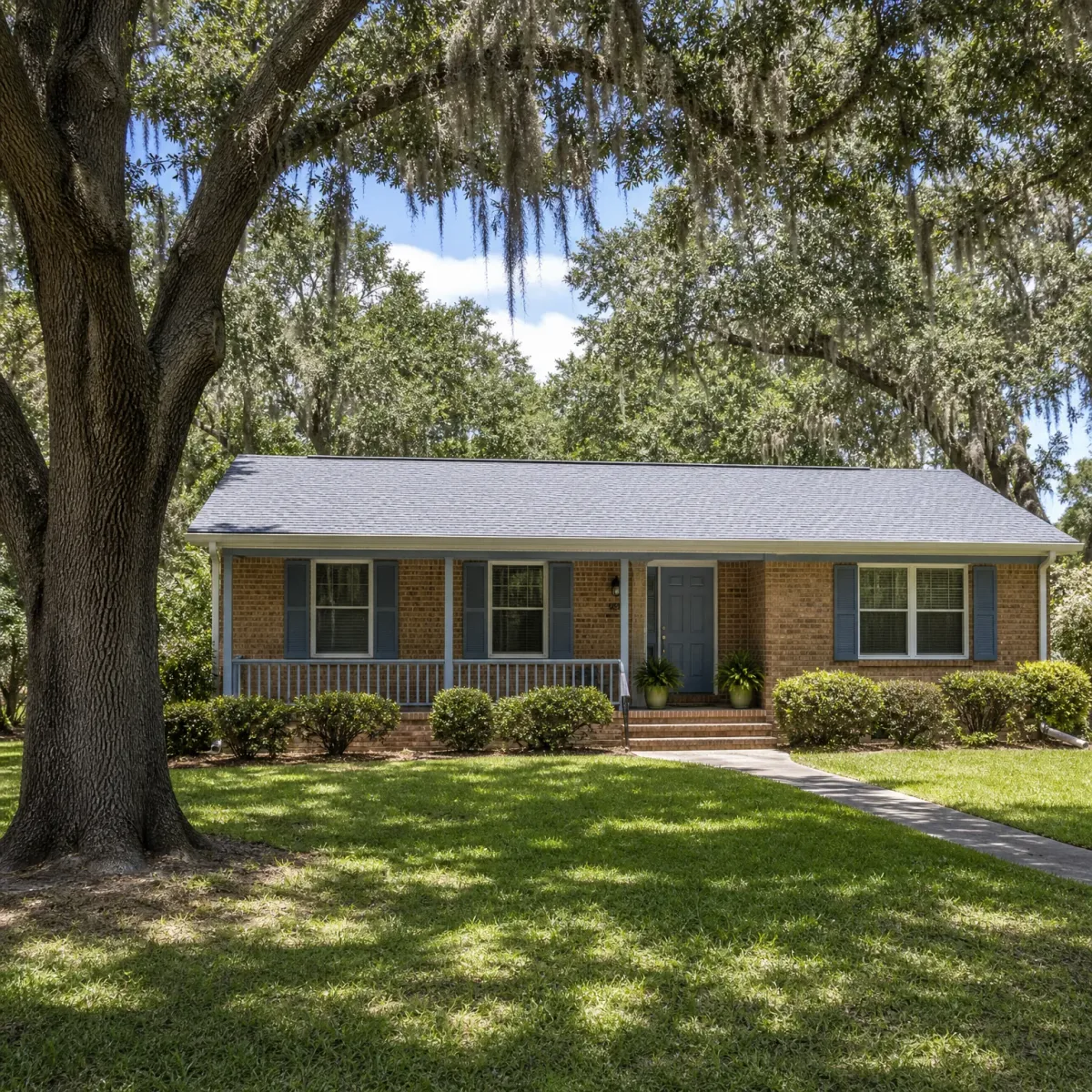
A single-story brick ranch house with blue shutters, a blue front door, a covered porch and gray shingled roof, set on a mowed lawn with a concrete walkway and a large moss-draped oak tree in the foreground.

Common questions about heat pumps and furnaces

  • Will a heat pump keep my house cool enough here?

    Yes. A heat pump is a central air conditioner in the summer months, built to handle the same afternoons near 90°F that any AC here has to work through, since Lexington County sees about 85 of those days a year.

  • Can I keep my furnace and add a heat pump?

    Some homeowners pair the two instead of replacing the furnace outright, letting the heat pump carry the mild nights and the furnace take over when it's coldest. With overnight lows at or below freezing on only about 50 of the roughly 150 nights heat runs here, the furnace would be doing less work than it does now.

  • What if my house doesn't have a gas line?

    A heat pump is the straightforward choice. It runs on electricity alone, so there's no gas line to install, and it also cools your house all summer, which a propane or oil furnace can't do.

  • Is a heat pump cheaper to run than a furnace in Lexington County?

    Yes, a little. A heat pump runs about $1.90 per 100,000 Btu of heat here against $2.05 for a gas furnace, because South Carolina's electricity price makes up for less of the heat going to waste than a furnace loses up the flue.