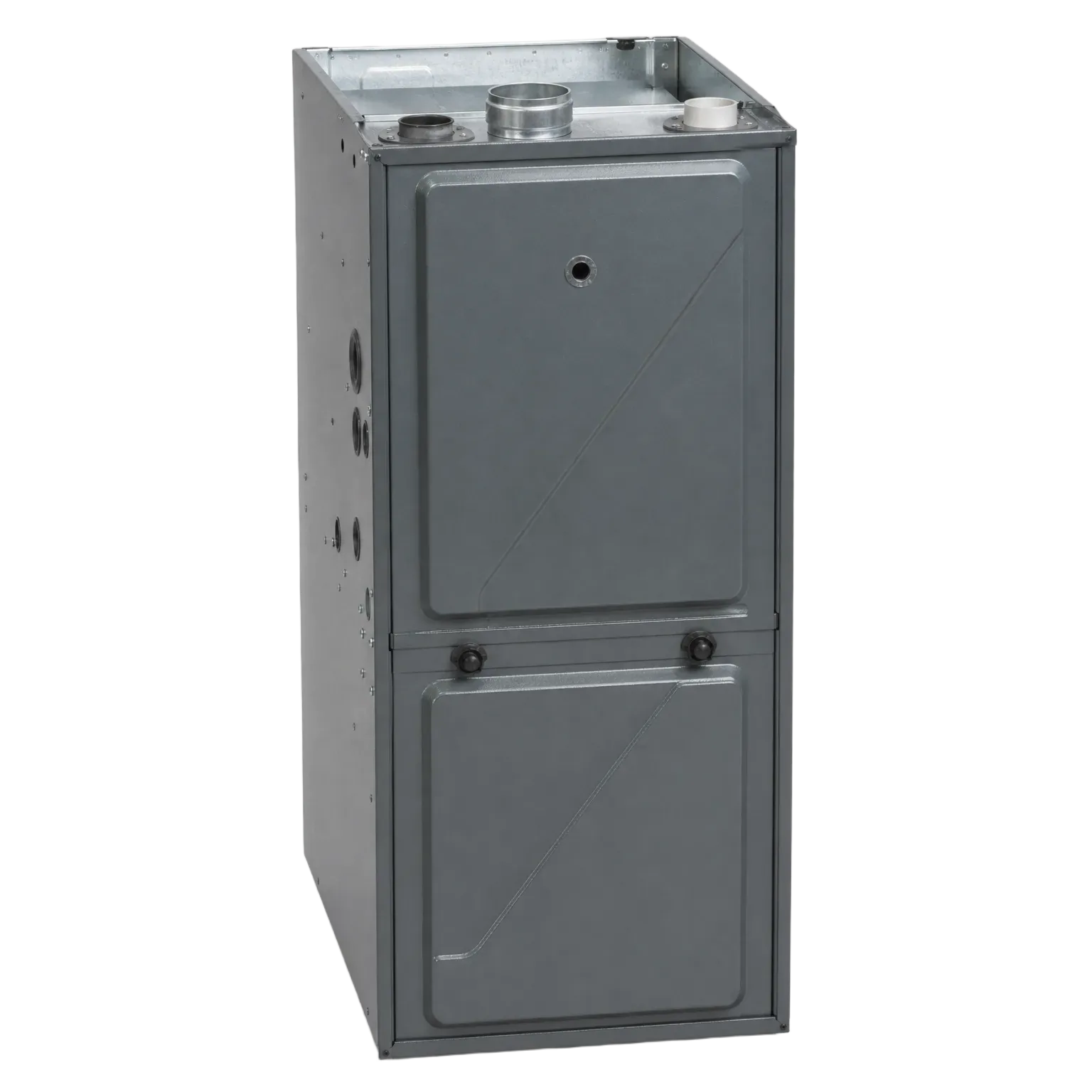

Starting up the way it should
Gas reaches the burner and lights within a second. No delay, no pooling, no bang. The furnace cycles on quietly and moves into a steady run, which is what you should hear every time the thermostat calls for heat.
A bang when your furnace starts is usually delayed ignition. Gas builds up in the burner chamber for a second or two longer than it should before it lights, and when it finally catches, it catches all at once. That small explosion is what you hear. Most homes in South Carolina heat with electricity, so this is more likely a furnace with a gas burner than an electric furnace, and the fix depends on which one you have. A dirty burner or a weak igniter are the usual reasons gas takes too long to catch. A bang when the system shuts off, instead, often means the ductwork is expanding or contracting as it heats and cools, which is a different problem with a different fix. Either way, it is worth having someone look at it before the next cold stretch, since delayed ignition tends to get worse and can crack a heat exchanger over time.
The thermostat calls for heat and opens the gas valve.
Gas should light within a second of reaching the burner.
A dirty or worn igniter delays that spark by a few seconds.
Gas pools in the burner chamber while it waits to catch.

Gas reaches the burner and lights within a second. No delay, no pooling, no bang. The furnace cycles on quietly and moves into a steady run, which is what you should hear every time the thermostat calls for heat.

A worn igniter or a dirty burner lets gas build up before it catches. That delay is what turns an ordinary startup into a bang loud enough to hear from another room. It tends to repeat on every cycle until a tech looks at the igniter and flame sensor.
You're probably hearing it from another room, a short bang right as the furnace starts, then it settles into a normal run. Maybe you've noticed it gets louder, or it's started happening on more cycles than it used to. Some homeowners catch a faint burnt smell for a second right after the bang, which is the gas finally igniting late. The furnace isn't going to stop working because of this, but that small explosion happens right at the burner, and repeated banging there can crack or warp parts around the chamber over time. That turns a cleaning into a part replacement if it sits too long.




Fill out one short form instead of calling around.
Asking costs nothing, and the choice to hire stays yours.
A heat exchanger expands when it heats up and contracts as it cools, and on most furnaces it's made of sheet metal that can flex enough to pop or click when it moves.
If that popping has turned into a sharp bang at startup, the metal has likely warped enough to flex harder than it should, and a furnace tech needs to look at it before it cracks.


The noise tells you where to look. Ductwork ticking and popping as warm air first pushes through it is normal and usually harmless, the metal just expanding. A bang that happens only at startup, then disappears once the furnace settles into its run, points somewhere else entirely, back to the burner chamber or what's attached to it. Most furnaces in South Carolina run on electricity, which means heating elements click on in stages rather than lighting gas, but the parts that bang are still mechanical, not electrical. A heat exchanger that's cracked can rattle pieces of metal loose, and those pieces shift and knock as air moves past them during startup. Blower motor mounts loosen with use too, and once a mount is loose, the whole housing shakes when the blower spins up, which sounds like a bang from another room. A furnace technician sorts through this by checking the igniter, the flame sensor and the heat exchanger in one visit, narrowing down which part is actually making the sound before touching anything.


The noise shows up once, right when the burner lights, then the rest of the cycle runs quiet. That pattern points to the igniter or burner chamber, not the ducts or the heat exchanger.
If the bang has gotten stronger over weeks or started happening every single time, the metal in the heat exchanger may have warped enough to need a closer look before winter's done.
On a 36°F night, your furnace is firing often to keep up, and that's more chances for a slow-lighting igniter to let gas pool before it catches. More startups, more bangs.
NOAA nClimDiv 1991-2020 county normals weighted by homes
The bang you're hearing at startup comes down to timing. Gas is supposed to reach the burner and light within about a second. When something slows that down, usually a dirty or worn igniter, the gas has a moment to pool before it catches, and it lights all at once instead of smoothly. That's the sound. It's not your ducts settling and it's not the heat exchanger failing, even though both of those can make their own noises elsewhere in the cycle. A furnace tech can confirm which one you're dealing with and clean or swap the igniter in a single visit, which is usually enough to bring the burner back to lighting on time.
Winter here means your furnace is cycling on and off a lot, and every cycle is another chance for a slow igniter to let gas pool. That's why the bang tends to show up more often as the season goes on, not less, and why it tends to get louder rather than fade out on its own.
Right now you're the one who knows the pattern: when it bangs, how loud, how often. Getting that in front of someone who can act on it shouldn't mean working the phones yourself, calling a handful of contractors and walking each one through the same description of the noise. Getting matched with a contractor who already knows what a startup bang points to means you tell the story once, to someone who's already listening for it.
Skip searching for a furnace pro and answer a few questions instead.
Sending the form costs nothing.