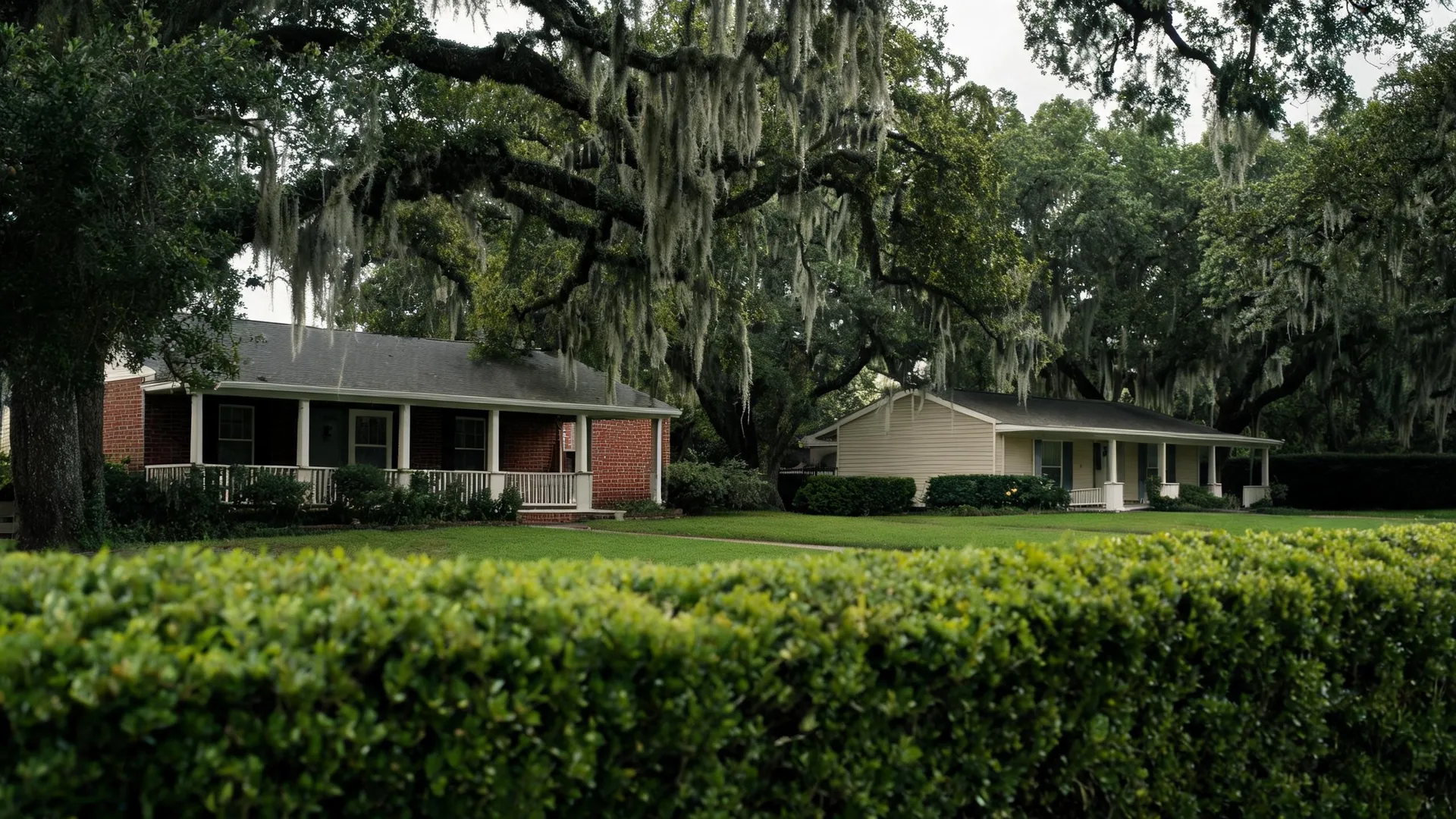






Two single-story houses, one of red brick with a white-columned porch and one with pale siding, sit behind a mown lawn and a trimmed hedge, beneath large moss-draped oak trees.

Heat Pump Installation in Summerville, SC

Tell us about the job

Takes about a minute. No obligation.

New system or replacementHeat PumpDorchester County, SC
Step 1 of 2

What ZIP code is the job in?

Ask what the unit is rated to do in both directions, since a heat pump has to move heat out of the house in summer and pull heat from outside air in winter. A system can look fine on paper and still struggle once the outdoor temperature drops, so ask how it performs in cold weather, not just at the standard rating point. Ask about the backup heat source and when it switches on, because a heat pump needs supplemental heat for the coldest stretches. Ask how the contractor sized the unit for the house rather than just matching what was already installed, since a bigger unit is not automatically better and an oversized system will short cycle instead of running steadily. Ask what the warranty covers on the compressor compared to the rest of the parts, because those terms are often different and worth knowing before you sign anything.

5 months
November through March, your system heats
6 months
May through October, it cools
38°F
the average winter night it heats against
91°F
the average summer afternoon it cools against
Isometric line illustration of a cutaway house showing interior rooms with furniture, ceiling ductwork connected to an indoor air handler, and refrigerant lines running to an outdoor condenser unit on a pad.
Your system heats November through March and cools May through October.

NOAA nClimDiv, 1991–2020 normals

Summerville homes start running heat in November, so October is the month to get a new heat pump installed.

Wait until heat season starts and the job competes with every other no-heat call in the county.

Power here is cheap. That changes what pays off.

Power costs 14.23 cents a kWh statewide
227 damaging wind events from 2015 to 2024
44 hail events from 2015 to 2024

At 14.23 cents a kilowatt-hour, a heat pump here earns back a higher price tag slower than it would somewhere with expensive power. That doesn't mean buy the cheapest unit. It means put the money into what holds up through a bad stretch of weather rather than the model with the best efficiency number on the label. Ask the contractor to walk you through the warranty on the compressor and the backup heat strip before comparing sticker prices. A unit that keeps running through a cold snap and a summer power cut is worth more here than a fraction of a point on the efficiency rating.

Electric heat already runs this house. A heat pump is the natural next step.

Most homes in Summerville already run on electric heat, 75.5% of them. A heat pump fits that setup without rewiring the house for gas or running a new line. If your system is electric now, replacing it with a heat pump is the straightforward path, and the contractor can size it to the house instead of just swapping in whatever matches the old unit.

Find a contractor
A man in a cap, dark shirt and tan work pants walks up porch steps toward a gray front door, carrying a canvas tool bag, with a potted plant on the porch to the right.
A gray heat pump condenser unit mounted on a concrete pad against the gray lap-siding exterior wall of a house.

This unit doesn't get a season off

A heat pump here doesn't get a season off. It runs the cooling side through the heat and humidity of summer, then switches over and runs the heating side come winter. The outdoor unit sits outside through all of it. Dorchester County recorded 227 damaging wind events between 2015 and 2024. That's weather on top of the workload, year after year. None of that tells you when a part will fail. It's why the install matters as much as the equipment. A unit mounted and wired right holds up to what this place throws at it better than one that just got set down and hooked up.

The equipment is only part of the bill

Heat pumps with the same rating on the label can still call for different installs. What the ductwork can handle, where the line set has to run, and whether the electrical panel has room for the new circuit all change what the job takes. None of that shows up on the price tag of the unit itself.
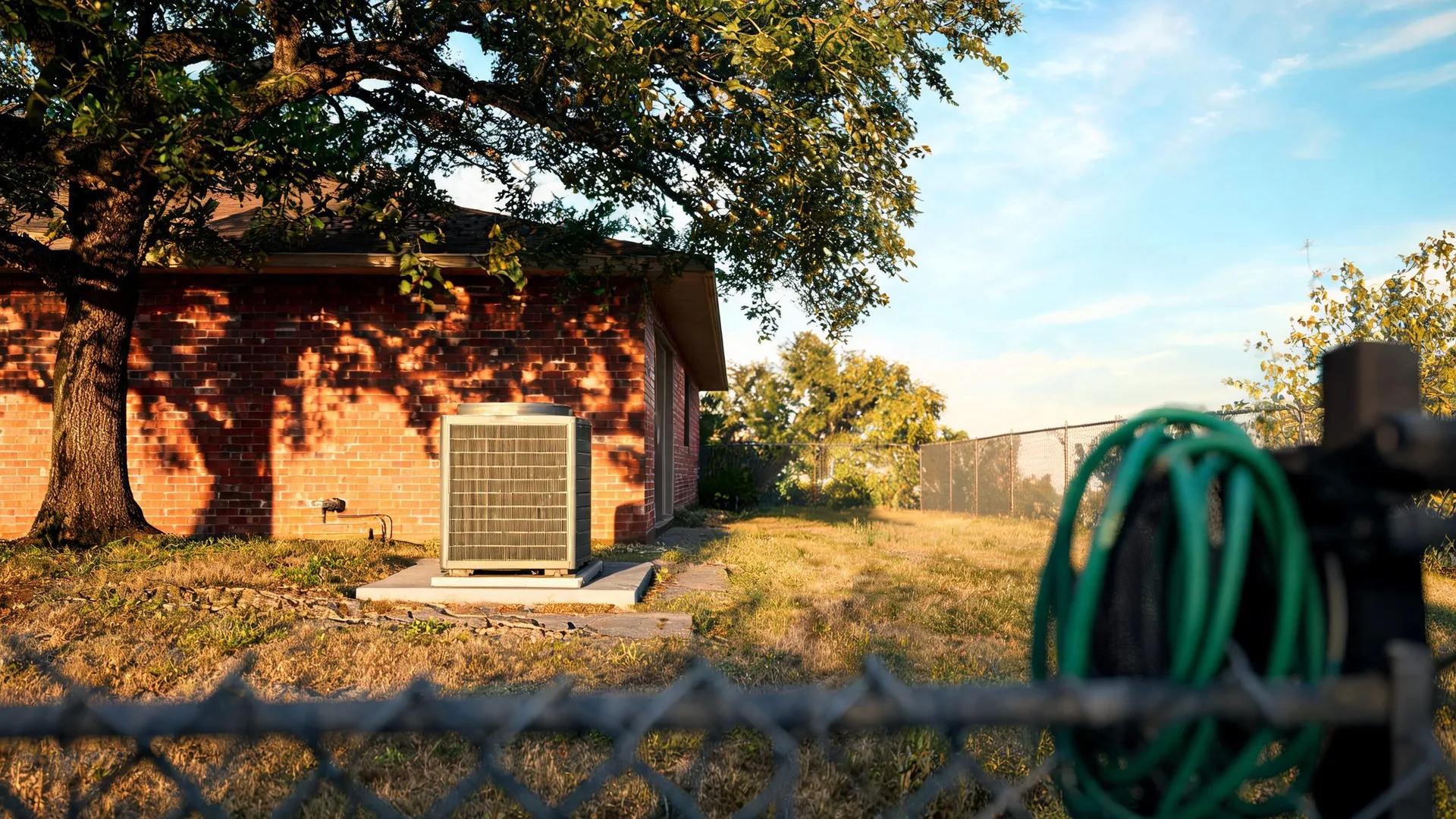
Sizing takes more than square footage

A contractor pricing the job right looks at insulation, window area, and duct layout before quoting a number, not just the tonnage of what's already there. That work costs something up front, but a unit sized to the house runs steadier and holds up longer than one sized off a guess.

Once the new unit is in, the old one has to come out, and that's not just unbolting a box. A heat pump holds refrigerant under pressure, and a licensed contractor has to recover that refrigerant into a tank rather than let it vent into the air. The line set gets disconnected, drained, and usually replaced rather than reused, since old lines can hold contamination that damages a new compressor. The electrical whip and disconnect box get pulled or swapped depending on what the new unit needs. Indoors, if the air handler or coil is changing too, that gets cut loose from the ductwork and the condensate line. None of this is optional cleanup work. A new heat pump connected to old refrigerant lines or wired through old connections is already starting the job with a strike against it.

Install day starts with the site, not the unit. The crew sets the new pad or confirms the existing one is level, because a tilted pad makes the compressor work at an angle it wasn't built for. Indoors, the air handler or coil gets set and sealed to the ductwork so air isn't leaking out at the connections. The line set gets run and brazed, then pressure tested before anything is charged, since a joint that leaks slowly can take a system down months later instead of that day. Once everything is connected, the system gets charged to the manufacturer's spec and run through both modes, heating and cooling, before the crew leaves. A unit that only gets checked in one mode can hide a problem that shows up the first time the season turns.