Two illuminated white colonial-style houses with wrap-around porches, flanked by oak trees draped in Spanish moss, photographed at night.

Heat Pump Installation in Orangeburg, SC

Tell us about the job

Takes about a minute. No obligation.

New system or replacementHeat PumpOrangeburg County, SC
Step 1 of 2

What ZIP code is the job in?

The rating is about efficiency, not size

The number on a heat pump's label tells you how much heat it can move for the power it uses. It does not tell you whether the unit is the right size for your home. A unit with a high rating that is too big or too small for the space will still run poorly and wear out faster than it should.


It matters most over the full season

A heat pump earns its rating by running steady through mild weather, not by how it handles the coldest or hottest days. The real payoff shows up over months of regular use, heating and cooling, not in any single stretch of extreme temperature.

5 months
November through March, your system heats
5 months
May through September, it cools
37°F
the average winter night it heats against
91°F
the average summer afternoon it cools against
Isometric cutaway illustration of a small house showing ducted air distribution, an indoor air handler, and an outdoor condenser unit connected by lines, with a sofa and bed in the rooms.
Your system heats November through March and cools May through September.

NOAA nClimDiv, 1991–2020 normals

Electricity heats 79.8% of homes in Orangeburg County.

A heat pump replacing an electric system is working with wiring that is already there.

A standard system sized right is what this county needs

Half the homes here were built by 1983
177 damaging wind events from 2015 to 2024
Power costs 14.23 cents a kWh statewide
Orangeburg sees its share of stormsDamaging wind hit this county 177 times between 2015 and 2024.

Electricity in South Carolina ran 14.23 cents per kilowatthour in 2024, below what most of the country pays. That changes the math on a high-efficiency heat pump. The rating still describes how the unit performs over a season of regular use, but a cheaper rate means a pricier, higher-rated model takes longer to earn back the difference in a power bill. Reliability counts for more than a top rating here. A unit that keeps running when the grid is strained, and that matches the size of your home, is worth more than one that edges out the efficiency number.

Get it in before November, on your own schedule

Heat here runs November through March, and cooling starts back up in May. Putting a heat pump in before November means it's broken in and working right by the time the cold settles in, not during the first hard freeze.

Find a contractor
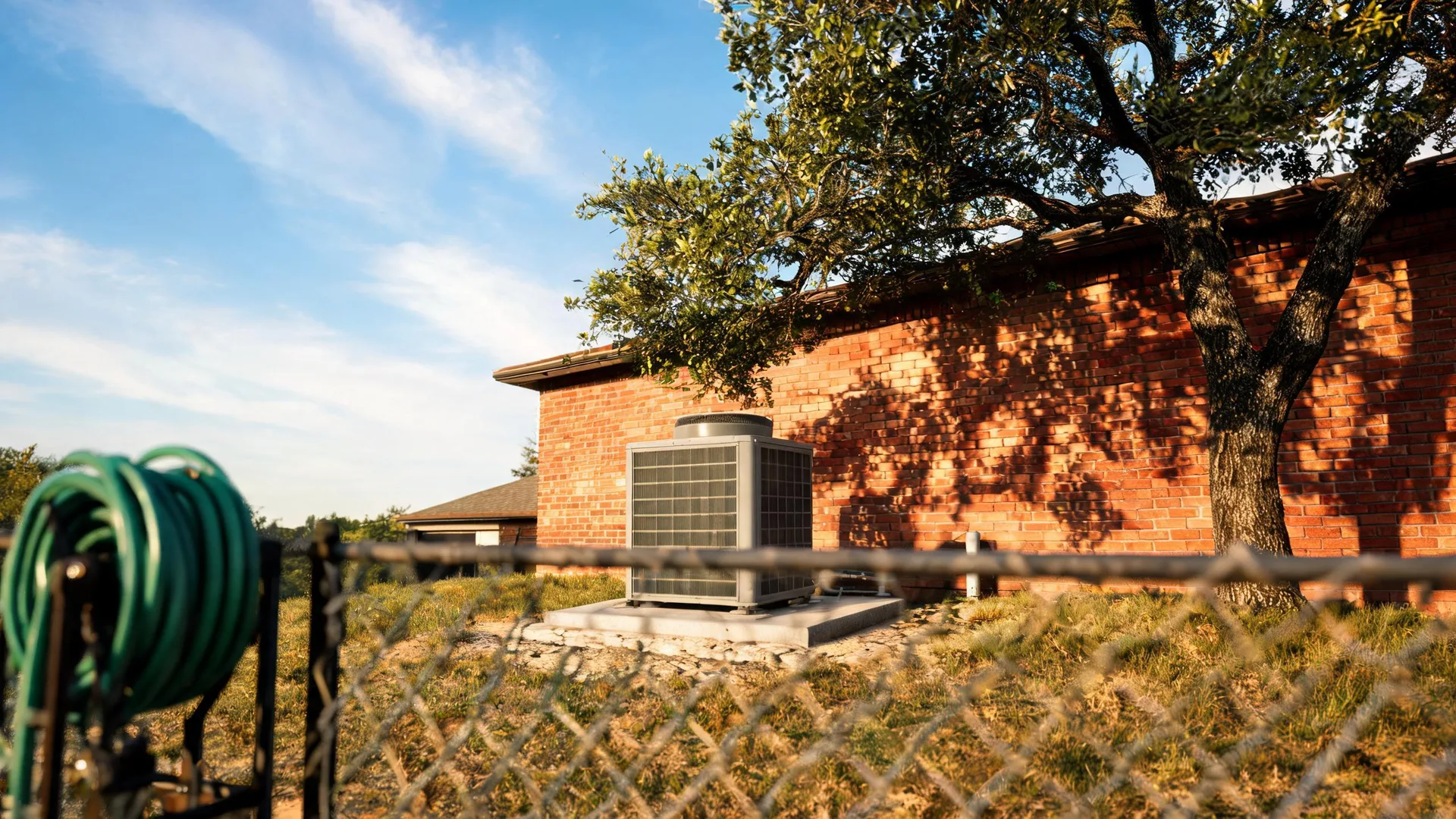
A gray heat pump outdoor unit mounted on a concrete pad next to the stone-accented exterior wall of a house.

Size it for your home, not the label

This county's wind history means a new heat pump needs to be sized for your home, not picked off a spec sheet. A unit that's too big or too small works harder than it should, and that shows up fastest when a storm knocks the grid around and the system has to recover. Get the sizing right the first time, from your square footage and duct setup, not from whichever model has the highest rating in the showroom.

The indoor coil has to match the outdoor unit

A heat pump's outdoor unit and indoor coil are built to run as a set. Keeping an old indoor coil while putting in a new outdoor unit means the system rarely performs the way it's rated to. Matching them costs more than replacing just one, but it's what lets the unit deliver what the label promises.

What's already at the house changes the job

A heat pump needs a dedicated electrical circuit and a place to drain condensate. Whether those are already in place, and whether ductwork exists or needs work, decides how much has to happen before the unit ever runs. None of this shows up until a contractor walks the house, which is why homes of the same size can call for very different amounts of work.

Taking out the old equipment is part of the job, not an extra step. A contractor will disconnect the electrical circuit, recover any refrigerant left in the lines, and haul away the outdoor unit and the old coil if it's being swapped too. Refrigerant can't just be vented, it has to be captured and handled properly, so factor that into what removal involves. If the old system used a furnace or air handler that's staying in place, the contractor will tell you whether it can still pair with the new equipment or whether it's coming out too. Old line sets sometimes get reused and sometimes don't, depending on their condition and what the new unit needs. None of this is complicated, but it does mean the old unit doesn't just get unplugged and dragged to the curb.

Install day starts with a walkthrough. The contractor confirms the equipment matches what was sized for the house, then the old unit comes out. Power gets disconnected, refrigerant gets recovered, and the outdoor unit and coil come off if they're being replaced. Setting the new outdoor unit means leveling a pad and running the line set and wiring to it. Inside, the coil goes in, the electrical circuit gets tied in, and the condensate drain gets connected so the water has somewhere to go. Once it's all connected, the system gets charged with refrigerant and run, checking airflow at the vents and the temperature difference between the air going in and the air coming out. A contractor won't leave until it holds steady and answers to the thermostat the way it should.