






Three white clapboard houses with wraparound porches glow with warm interior and landscape lighting beneath Spanish moss-draped oak trees at dusk.

Heat Pump Installation in Kingstree, SC

Tell us about the job

Takes about a minute. No obligation.

New system or replacementHeat PumpWilliamsburg County, SC
Step 1 of 2

What ZIP code is the job in?

Electricity heats 84.9% of homes in Williamsburg County, more than gas and propane combined. A heat pump fits that setup because it runs on the same electric service already in place, with no gas line to add. Only 3.1% of homes here use utility gas, so a system built around electricity is already the norm, not the exception. For most homeowners in Kingstree, installing a heat pump means working with what the house already has.

5 months
November through March, your system heats
5 months
May through September, it cools
37°F
the average winter night it heats against
90°F
the average summer afternoon it cools against
Isometric grayscale illustration of a cutaway house showing interior rooms, ceiling ductwork and an air handler, connected by lines to an outdoor condenser unit on a pad outside.
Your system heats November through March and cools May through September.

NOAA nClimDiv, 1991–2020 normals

A heat pump installed in October starts clean, before the first cold night puts it to work.

Wait until November and you're choosing a system while the house is already cold.

Wind and power outages are the issue here, not the heat pump size

47 severe weather events from 2015 to 2024
45% of homes statewide lost power a day or more in 2024
36 damaging wind events from 2015 to 2024

South Carolina electricity runs 14.23 cents per kilowatt-hour, below the national average. That changes what's worth paying for upfront. A top-tier heat pump costs more to install and the extra efficiency saves less here than it would somewhere with pricier power, so the payback stretches out longer. That doesn't make the high-efficiency models a bad choice, it just means the decision should rest on something other than the utility bill. What matters more in Kingstree is picking a unit sized right for the house and installed to hold up through summer humidity and the occasional cold snap. Reliability and a good fit will save you more trouble than a few extra efficiency points.

A standard heat pump, sized right, is what this job calls for

Half the homes in Williamsburg County were built in 1985 or earlier, half in 1985 or later. Neither points to a bigger or more complex system. A correctly sized heat pump handles a house here whether it's an older build or a newer one. Mobile homes make up a large share of the housing here, and that's worth mentioning to the installer since it calls for equipment matched to that kind of structure. Outside of that, this is a standard job. Right size, right fit, installed well.

Find a contractor
A man in a dark long-sleeve shirt and worn brown work pants, seen from behind, carries a canvas tool bag up the steps toward a gray front door, with a potted shrub beside the entry.
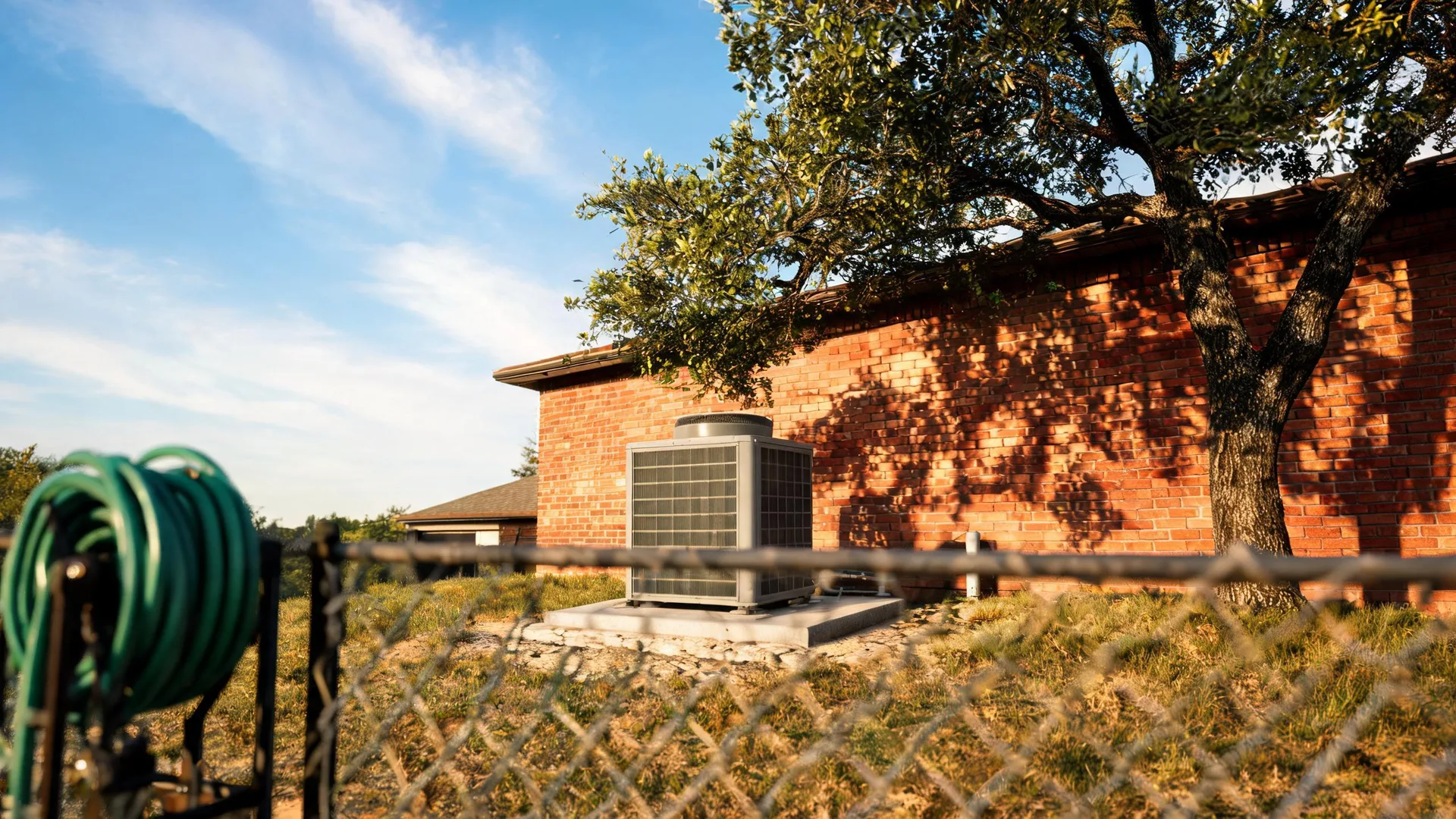
A gray heat pump outdoor unit mounted on a concrete pad next to the stone-accented exterior wall of a house.

Sizing is the job, not an afterthought

A heat pump that's too big cools the house fast and shuts off before it pulls the moisture out of the air. The house feels clammy even though the thermostat says it's satisfied. Short cycles like that also put more wear on the compressor, since the hardest part of its work is the moment it kicks on. One that's too small runs flat out and still can't keep up when the temperature drops, leaning hard on backup heat strips to make up the difference. Getting the size right means a contractor works out the heat loss and heat gain for the actual house, the walls, the windows, how much attic is up there, not just a square footage chart. Sized to the house, the system runs in long, steady stretches and pulls moisture out of the air properly in summer.

The equipment is one line item

The condenser and air handler are a starting point, not the total. Line sets, a new thermostat, electrical work to the disconnect box, and a pad for the outdoor unit all add to the job. A contractor pricing just the equipment is leaving part of the work out.
Ductwork decides a lot of this

Existing ducts that are leaky, undersized, or routed badly will hold a heat pump back no matter how good the unit is. Sealing joints, adding a return, or resizing a trunk line costs more up front but it's what lets the system actually deliver the air it's rated for.

The sticker on a heat pump lists a cooling rating and a heating rating, and neither works like a car's gas mileage sticker. A higher rating means the compressor can do the same job using less electricity, cycling smartly instead of just running flat out. But that rating comes from a lab test on one unit under set conditions. It can't tell you whether the ductwork feeding that unit is sealed, or whether the system is sized to the house it's heating. A modest unit installed well and sized right will outperform a high-rated one that's oversized or choked by leaky ducts. The rating is worth comparing, but it's one piece of the job, not the whole answer.

Install day starts with the old equipment coming out, not the new one going in. The line set gets disconnected, the refrigerant recovered, the old pad or mounting brackets cleared away. Setting the new outdoor unit means a level pad, clearance on all sides for airflow, and enough distance from the wall that the fan isn't just pulling in its own exhaust. Indoors, the air handler or coil goes in, a new line set gets run and brazed, then pressure tested before any refrigerant goes in. A joint that leaks slowly will go unnoticed for years if that test gets skipped. Electrical work usually means a dedicated circuit and a disconnect box within sight of the outdoor unit. Once everything's connected, the system gets charged to the manufacturer's spec, not topped off by feel, and startup includes checking airflow across the coil and confirming the thermostat is actually talking to the equipment.