





White plantation-style houses with wraparound porches lit at night, surrounded by Spanish moss-draped live oak trees.

Heat Pump Installation in Georgetown, SC

Tell us about the job

Takes about a minute. No obligation.

New system or replacementHeat PumpGeorgetown County, SC
Step 1 of 2

What ZIP code is the job in?

Taking out the old equipment is part of the job, not an afterthought. The outdoor unit and the indoor coil or air handler both come out, along with the old refrigerant lines if they are not being reused. Refrigerant in the old system has to be recovered into a tank, not released into the air, since venting it is against the law. If the old unit used a refrigerant that is no longer being produced, that recovery step still applies, and it is one more reason some contractors would rather replace the system than keep servicing it. The disconnect box and any mounting pad from the old outdoor unit usually get reused or replaced depending on their condition. Once everything is disconnected, the old equipment gets hauled away, so there is no condenser or air handler left behind for the homeowner to deal with.

5 months
November through March, your system heats
6 months
May through October, it cools
38°F
the average winter night it heats against
89°F
the average summer afternoon it cools against
Isometric line illustration of a cutaway house showing interior rooms with furniture, ceiling ductwork under a dark shingled roof, and an outdoor condenser unit connected by lines on the right.
Your system heats November through March and cools May through October.

NOAA nClimDiv, 1991–2020 normals

Electricity in South Carolina runs 14.23 cents per kilowatt-hour, below the national average.

A heat pump still beats a straight electric furnace or window units here, but the payback on the priciest high-efficiency model stretches out longer than it would somewhere with costlier power.

May and November both come fast. Plan the swap before either one.

Cooling runs May through October
Heat runs November through March
Power costs 14.23 cents a kWh statewide

Electricity heats 87.6% of homes in Georgetown County, far more than gas or propane combined. A heat pump fits that setup well, since it runs on the power already wired to the house and handles both heating and cooling from one outdoor unit. Gas heat is uncommon here, so putting in a heat pump usually means replacing like for like rather than rethinking how the house gets its energy. No gas line to add, no venting to rework. That keeps the job closer to a straight equipment swap than a system overhaul.

A new system here has to meet a higher bar than the national minimum

Any heat pump installed here now has to hit 14.3 SEER2 for cooling and 7.5 HSPF2 for heating, and the outdoor unit has to clear 14.3 SEER2 if it's under 45,000 Btu/h. That rules out the lower-end models still sold in cooler parts of the country. A federal tax credit is available on qualifying equipment, which helps offset the difference.

Find a contractor
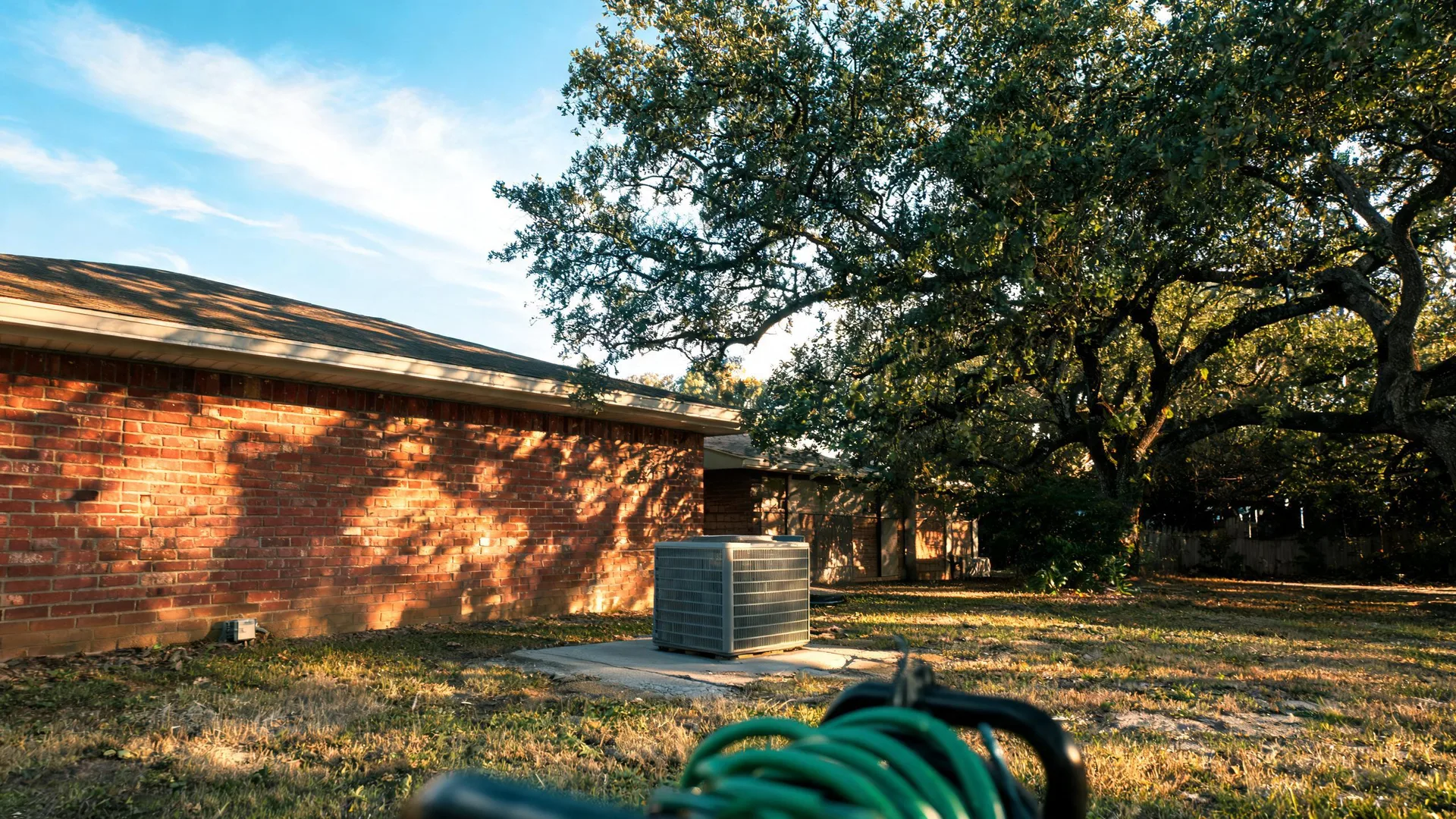
A gray outdoor HVAC unit mounted on a concrete pad beside a house with gray lap siding and a stone foundation.

Decades of runtime start with how the job gets done

Installed cost tracks the size and shape of the job more than the price tag on the equipment. A unit sized to match the house costs less to buy than an oversized one and runs longer without short cycling. Ductwork matters too. If the existing ducts are the right size and in good shape, the crew connects to them and moves on. If they are leaky, crushed, or sized for a different kind of system, resizing or sealing them adds real labor before the new equipment ever gets set. Line set length adds time when walls or framing sit between the outdoor unit and the indoor coil. Electrical work is its own variable. Some homes have a panel and breaker ready for a heat pump. Others need upgraded wiring or a larger breaker to carry the load. A straight swap, same location, same ducts, same electrical, is the cheapest version of this job. Anything that changes beyond that, a relocated outdoor unit, a rerouted line set, a panel upgrade, adds its own cost on top.

Weather here is hard on outdoor units

Georgetown County logged 78 severe weather events between 2015 and 2024, wind, hail, tornadoes, tropical storms. Wherever the installer sets the outdoor unit, it needs clearance from falling limbs and a path that drains fast after heavy rain.
Plan for the power to go out

45% of South Carolina households went at least 24 hours without power in 2024. A heat pump needs electricity to run, same as the air handler and any water heater tied to the same circuit. If losing heat or hot water for a day is a real problem for your household, a backup power source is worth discussing before the install, not after the next storm.

A heat pump has to be sized to the house, not picked off a chart by square footage alone. Too big and it short cycles, blasting the space to temperature and shutting off before it pulls enough moisture out of the air, so rooms feel clammy even when the thermostat says it's satisfied. Too small and it runs flat out on the coldest and hottest days without ever catching up. Getting the size right means a room by room load calculation that accounts for window area, insulation, ceiling height, and which way the walls face. Square footage alone misses all of that, which is why houses that look alike from the street can need different sized equipment. The right size also runs longer, gentler cycles instead of hard bursts, which is easier on the compressor over the long run.

Installation day starts with the old equipment coming out, then the new line set goes in if the old one isn't being reused, then the indoor coil or air handler, then the outdoor unit gets set and leveled on its pad. Once everything is connected, the system gets charged with refrigerant to the exact weight the manufacturer specifies, not just until the gauges look close. Then comes startup. The crew checks airflow at the registers, checks the temperature split between the air going in and the air coming out, and listens for anything that sounds wrong before calling it done. A good installer walks the thermostat settings with whoever's home before leaving, since a heat pump thermostat often works differently than what was there before. The old system shouldn't be the only thing missing when the crew leaves. The new one should be running quietly and holding temperature on its own.