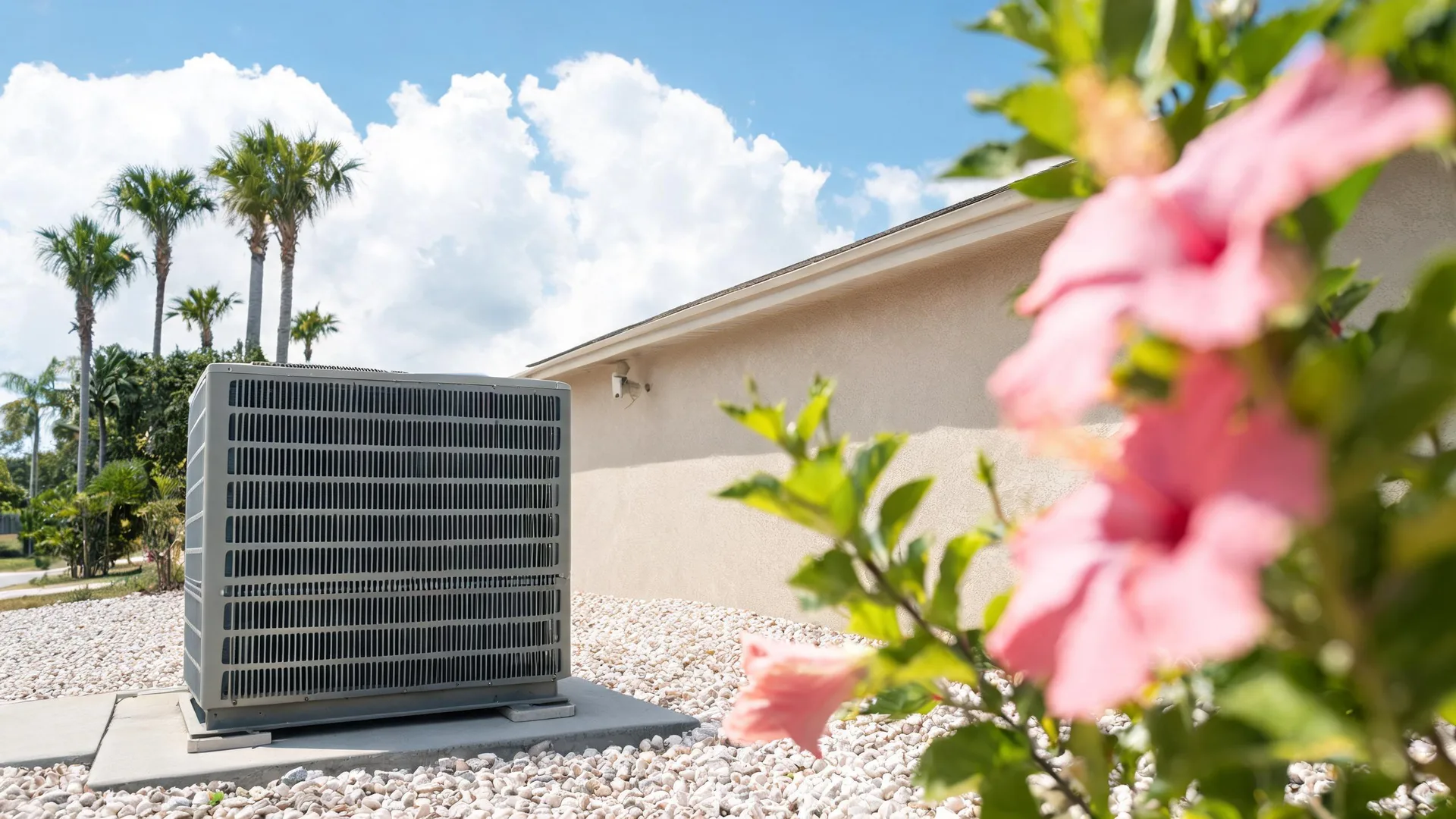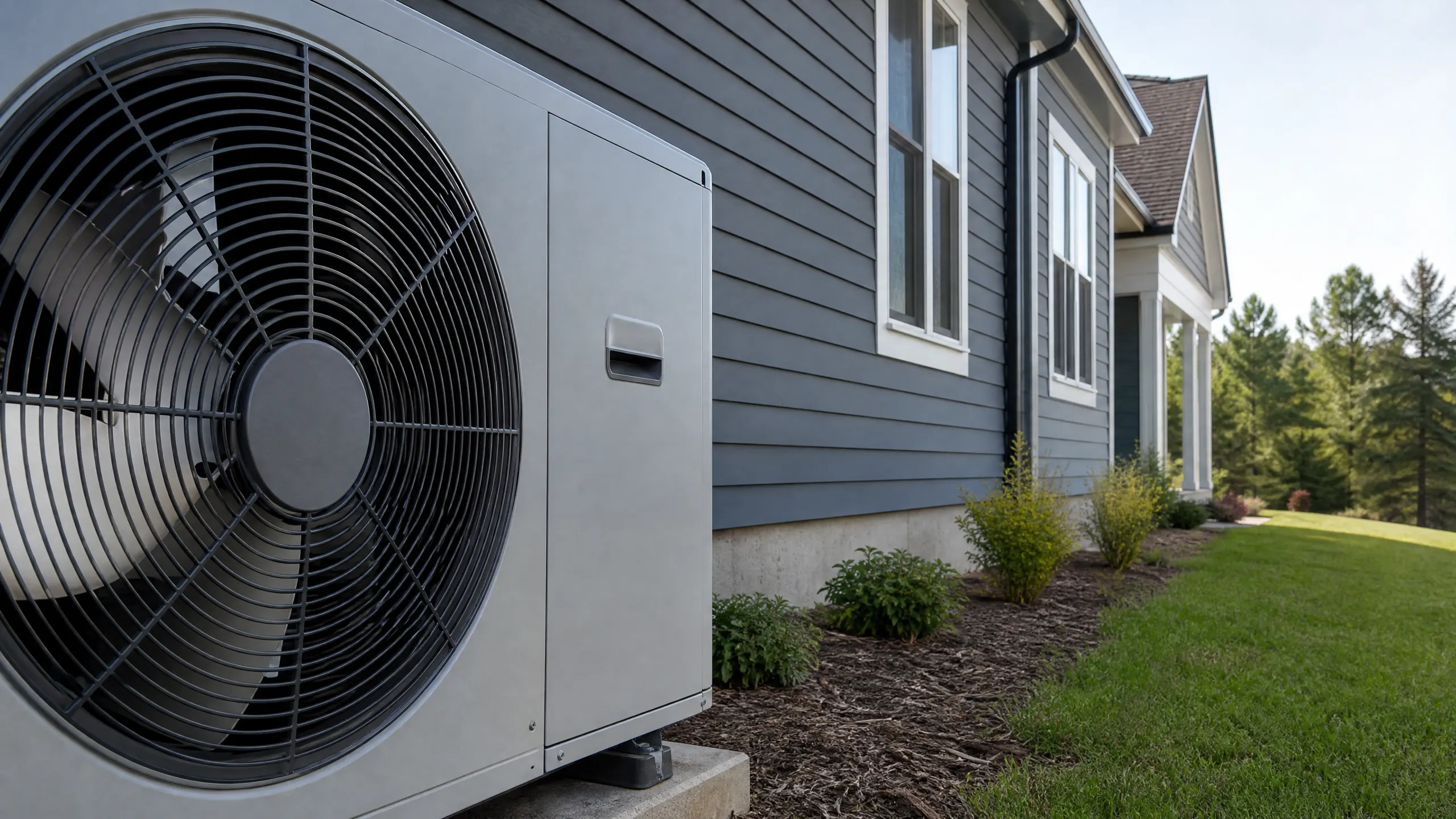
A heat pump outdoor unit mounted on a concrete pad next to the gray-sided exterior wall of a residential house.

Heat Pump Installation in Dillon, SC

Tell us about the job

Takes about a minute. No obligation.

New system or replacementHeat PumpDillon County, SC
Step 1 of 2

What ZIP code is the job in?

Weather here hits the outdoor unit

Dillon County logged 48 severe weather events between 2015 and 2024, most of it damaging wind. A heat pump's outdoor unit sits through all of it, so where it goes and what shields it from wind-blown debris matters as much as the equipment itself.


Power cuts mean no heat or hot water

Almost half of South Carolina households went at least 24 hours without power in 2024. A heat pump runs on electricity for both heating and cooling, so an outage takes down the whole system. Worth asking your contractor about backup options before the next storm, not during it.

5 months
November through March, your system heats
5 months
May through September, it cools
35°F
the average winter night it heats against
90°F
the average summer afternoon it cools against
Isometric cutaway illustration of a single-story house showing interior rooms, ceiling ductwork, an indoor air handler, and an outdoor condenser unit connected by lines on the ground.
Your system heats November through March and cools May through September.

NOAA nClimDiv, 1991–2020 normals

Electricity heats 90.1% of homes in Dillon County.

A heat pump runs on the same electric setup most homes here already have.

Power here runs 14.23 cents a kWh, so a heat pump earns its keep on reliability, not on the electric bill

Power costs 14.23 cents a kWh statewide
Climate zone 3A
Cooling runs May through September

Half the homes in Dillon County were built in 1984 or earlier, half in 1984 or later, and that split doesn't push a heat pump install one way or another. A standard-size system sized to your home's square footage and a standard efficiency rating will do the job here. Mobile homes make up more than a third of the housing stock in the county, and if yours is one, say so up front. It changes how the unit mounts and how the ductwork ties in, not the size or the model you need.

Get it in before the season needs it

Heat pumps here run heat from November through March and cooling from May through September, so there's only so much time between seasons to get one in. Install before October and it's ready for heat without a scramble. Install before April and the same goes for cooling.

Find a contractor
A man in a cap, dark shirt and brown work pants walks up stone steps toward a gray front door, carrying a canvas tool bag in his right hand, with a potted plant beside the porch.
A residential heat pump outdoor unit mounted on a concrete pad next to a house with gray vinyl siding.

The number on the label only pays off if everything around it is right

The efficiency rating on a heat pump's label tells you how much heat it moves for the electricity it uses, not how big a system you need or how warm your home will feel. A higher rating costs more up front and earns it back through lower electric use over the life of the unit, so it matters most to someone keeping the system a long time. That rating also assumes the unit is sized right and the ductwork or line set is in good shape. An oversized unit or leaky ducts will waste the efficiency you paid for no matter what the label says. Ask your contractor what rating they're quoting and why that one fits your home, not just the one they have in stock.

Square footage alone doesn't size a heat pump

A contractor works out heat loss and heat gain room by room, looking at window area, ceiling height, insulation, and which walls face the sun. Homes with the same floor plan can still need different sized systems once that math is done. Skipping this step and sizing off square footage alone is how homes end up with the wrong unit.

Oversized runs worse than undersized

A heat pump that's too big satisfies the thermostat fast, then shuts off before it finishes pulling moisture out of the air in cooling mode. That leaves rooms feeling clammy even at the right temperature, and the constant on-off cycling wears on the compressor sooner than steady runtime would. The right size runs longer, steadier cycles, which is what keeps a home comfortable.

Whatever heated or cooled the house before, something has to happen to it. If it's a furnace or an existing heat pump getting swapped out, the old equipment gets disconnected and hauled off, refrigerant recovered rather than vented, since releasing it is against the law. If there's an old gas furnace in the mix and the new setup goes electric-only, that gas line needs to be capped off properly, not just left hanging. Ductwork usually stays and gets reused, though a contractor checks it for leaks and sizing before connecting the new unit to it. Old thermostats, line sets, and mounting pads either get reused if they're in good shape or come out with everything else. None of this is optional cleanup. Leaving old refrigerant lines or electrical connections in place can cause problems for the new system down the road, so ask what happens to the old unit and make sure removal is part of the quote, not an extra.

A good quote spells out the model number for both the outdoor unit and the indoor coil, not just the brand. That's what lets you compare the same system across contractors instead of comparing one contractor's word against another's. Ask what the warranty covers and who has to register it, since some manufacturers void coverage if the paperwork isn't filed within a set window of the install. Ask whether the quote includes a load calculation or just a number pulled from square footage. Ask what happens if the ductwork turns out to be leaky or undersized once the installer gets into the attic or crawlspace, and whether that's a change order or part of the original price. And ask who comes back if the system short cycles or won't hold temperature in the first year. That's the contractor telling you what they stand behind, not just what they're selling.